Cat Kidney Disease Home Monitoring Plan: Food, Fluids, and Vet Signals
A vet-informed feline CKD home monitoring plan for appetite, hydration, litter-box trends, blood pressure questions, and renal-diet decisions.
Cats hide illness well, and chronic kidney disease is a classic example: the first obvious sign at home may be more drinking, bigger litter clumps, picky eating, or weight loss that only becomes visible after months. A good home plan is not a substitute for veterinary diagnosis. It is a way to collect useful observations, avoid risky improvisation, and make the next appointment more productive. The plan below focuses on what owners can monitor safely: appetite, hydration behavior, body weight, litter-box changes, medication questions, and the point at which waiting becomes the wrong decision.
Start with a baseline, not a shopping list
Before buying fountains, supplements, appetite toppers, or prescription food, write down the baseline that your veterinarian will actually need. The minimum useful home record includes body weight, appetite quality, water behavior, litter-box changes, vomiting frequency, stool quality, energy, and medication exposure. If your cat is already diagnosed with CKD, add the latest stage or lab summary, blood pressure result if available, urine protein result if discussed, current diet, and the date of the next recheck. This turns vague worry into a timeline.
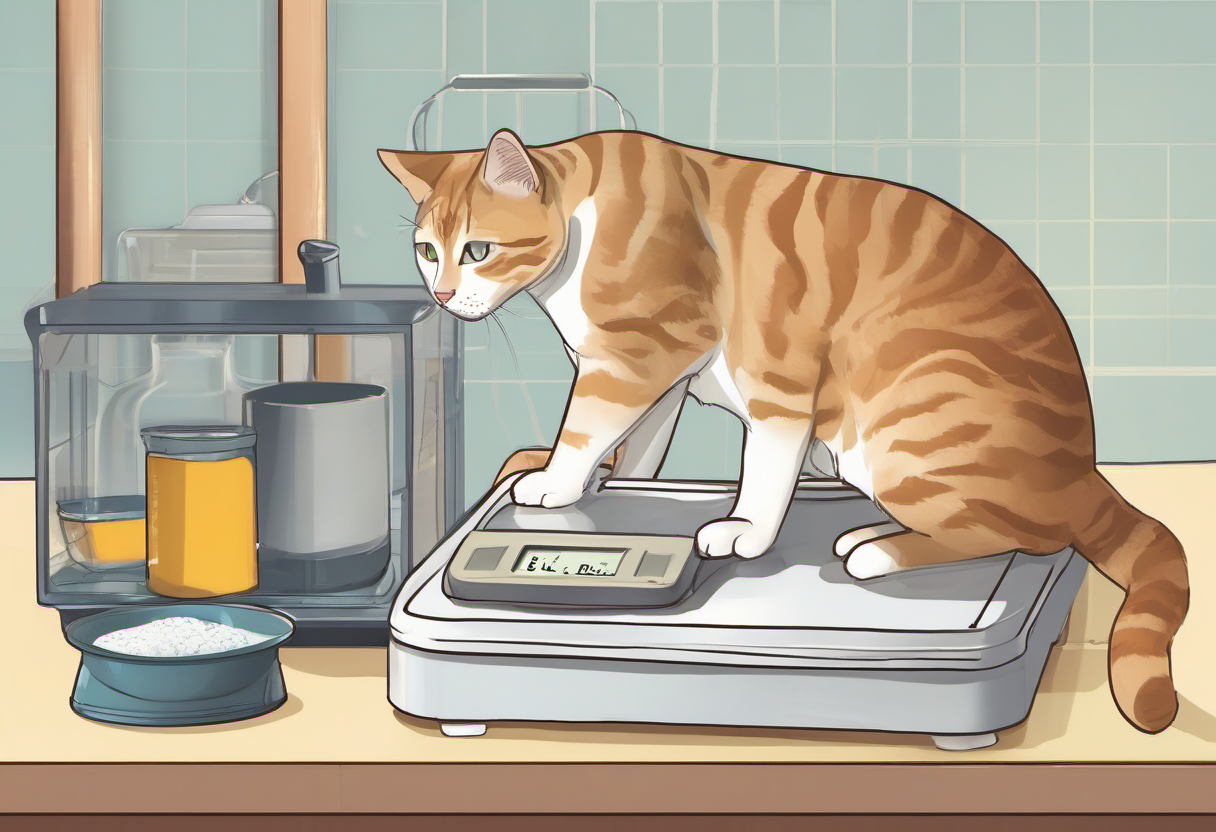
Use the same scale and the same routine every week. Weigh yourself holding the cat and then alone if a pet scale is not available, but do it consistently. A few ounces can matter in a small cat, and a slow downward line is easier to see on paper than in daily life. Appetite should be recorded as behavior, not emotion: finished meal, left one-third, sniffed and walked away, asked for food but did not eat, ate only treats, or vomited after eating. These details help separate nausea, food aversion, dental pain, stress, and simple flavor preference.
Track water and litter without over-interpreting it
Increased thirst and urination are common owner-noticed clues, but they are not specific to kidney disease. Diabetes, hyperthyroidism, diet moisture changes, medications, warm weather, and household stress can all alter drinking and litter behavior. The goal is not to diagnose from the bowl. The goal is to notice a stable pattern changing. If you use clumping litter, note whether clumps are larger, more frequent, or suddenly outside the box. If multiple cats share boxes, separate observation may require a temporary supervised room, a camera pointed at the litter area, or a short period with distinct boxes.
Do not restrict water to test whether the cat is truly thirsty. CKD cats are vulnerable to dehydration, and water access should be easy, clean, and distributed. Multiple bowls in quiet locations often work as well as a fountain; some cats prefer wide ceramic bowls because whisker contact bothers them. If a fountain improves intake and is cleaned reliably, it can help. If it becomes slimy, noisy, or stressful, it is worse than a simple bowl. The practical test is whether the cat uses it and whether the human can maintain it.
Make diet changes slowly and protect calories
Therapeutic renal diets are one of the most important veterinary tools for many cats with CKD, but the home failure mode is forcing the change so aggressively that the cat stops eating. A cat that eats the old food is usually safer than a cat that refuses the perfect food. Ask your veterinarian when a renal diet is indicated for your cat’s stage and lab profile, how quickly to transition, what to do if appetite drops, and whether phosphorus binders, anti-nausea medication, appetite support, or dental care should be addressed first.
A practical transition can take several weeks. Offer the new food beside the familiar food before mixing if your cat is suspicious. Warm wet food slightly to increase aroma, but do not leave warmed food out for long periods. Track calories indirectly by body weight and meal completion. If the cat loses weight, the plan needs adjustment. For households with more than one cat, feeding stations or microchip feeders may be needed so the CKD cat receives the intended diet and housemates do not steal it.
Know which symptoms deserve a call now
Home monitoring is useful only if it changes behavior at the right moment. Call your veterinarian promptly if your cat stops eating, repeatedly vomits, seems weak or collapsed, has sudden severe lethargy, strains to urinate, hides continuously, loses weight quickly, or cannot keep water down. Also call before giving human pain relievers, leftover antibiotics, supplements, or over-the-counter medications. The FDA warning about pain relievers for pets is especially relevant: cats process many drugs differently, and improvised dosing can be dangerous.
For stable cats, prepare better recheck questions. Ask what the current stage means, what trend matters most, whether blood pressure should be measured, whether urine protein is relevant, what phosphorus target is being used, how often labs should be repeated, and what signs would justify an earlier appointment. A one-page log is better than a long emotional story because it lets the clinician see the trend quickly.
Build a low-stress home routine
CKD management often becomes a marathon. The best home routine is boring, repeatable, and kind to the cat. Keep water easy to reach. Keep litter boxes clean and accessible. Place food in a quiet location away from dogs, children, and dominant cats. Maintain predictable medication times if medication is prescribed. Store the latest lab summary, diet name, dose instructions, and emergency clinic number in one place so another caregiver can follow the routine if you travel.
Avoid turning every day into a medical procedure. If the cat starts hiding because every interaction means a pill, fluid bag, or forced food, the plan may need redesign. Ask the veterinary team about technique, alternatives, compounding, appetite support, or whether a step can be postponed. Quality of life is not a soft extra; it is part of the treatment plan.
What to buy, and what to delay
Useful purchases are the ones that improve observation or reduce stress: a reliable scale, extra water bowls, easy-entry litter boxes, washable bedding, and perhaps a fountain if your cat likes moving water and you can clean it. Delay supplements, dramatic diet experiments, and expensive gadgets until the veterinarian has clarified the problem. If money is limited, prioritize the exam, blood and urine testing, blood pressure measurement when recommended, and a food plan the cat will actually eat.
The strongest home plan is simple: measure, hydrate, feed enough calories, reduce stress, and communicate early. CKD is not managed by one perfect product. It is managed by a partnership between careful owners and veterinary teams, with decisions updated as the cat’s data changes.