Cat Flea and Tick Product Safety Plan for Mixed Dog-Cat Homes
A veterinarian-aware home plan for separating dog and cat flea/tick products, preventing permethrin exposure, documenting doses, and knowing when to call urgent care.
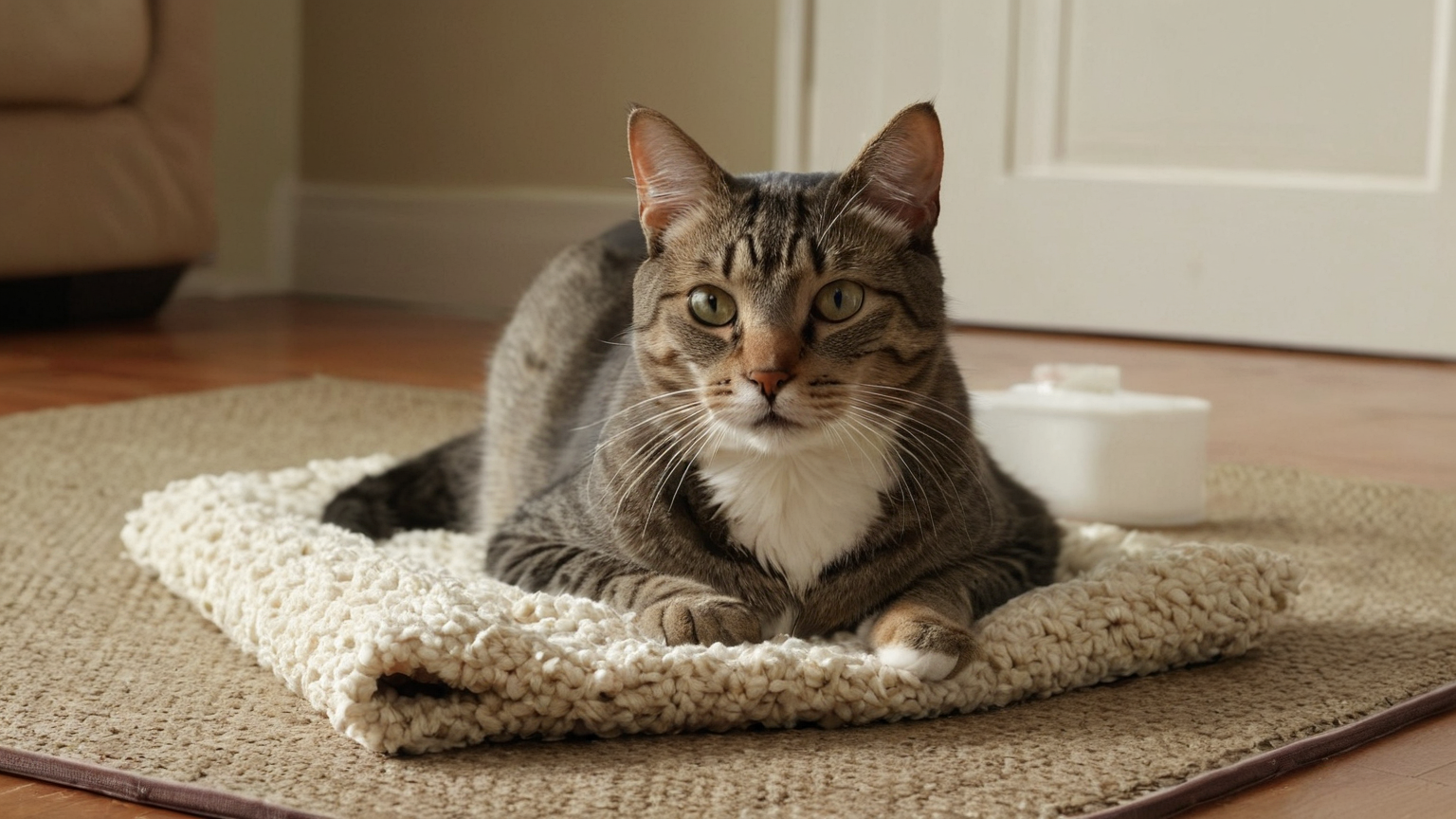
Updated 2026-06-16. Mixed dog-cat homes need stricter flea and tick routines because products can differ by species, weight, age, route, and active ingredient. The highest-risk moment is not only dosing the cat; it is also letting a recently treated dog rub against a cat, leaving packaging on a counter, or confusing two similar tubes in a hurry. This guide turns current FDA, EPA, AVMA, CDC, Cornell, ASPCA, and Merck guidance into a home workflow that protects cats without making parasite control optional.
Species-safe parasite product decision table
| Moment | Safer choice | Evidence to keep | Escalate when |
|---|---|---|---|
| Buying product | Match species, weight, age, and route exactly | Box, lot, receipt, active ingredient | Anything says dog-only or unclear |
| Treating dog | Separate cat until product is dry and vet-label directions are satisfied | Time applied and room used | Cat licks, rubs, or sleeps on wet site |
| Treating cat | Use only cat-labeled or veterinarian-directed product | Dose log and package photo | Drooling, tremor, vomiting, weakness |
| Multi-caregiver home | One product owner and one written log | Who dosed, what, when | Possible double dose or wrong pet |
Separate products before application
Create a cat-only bin and a dog-only bin before parasite season gets busy. Do not rely on color, package size, or memory. Store topical tubes away from treats and grooming supplies so a tired caregiver cannot grab the wrong product. If a package is damaged or a tube is loose, write down the active ingredient from the original label before it is separated, or discard it according to the product directions. A mixed household should treat flea and tick prevention like medication, not like generic grooming supplies.

Control contact after treating a dog
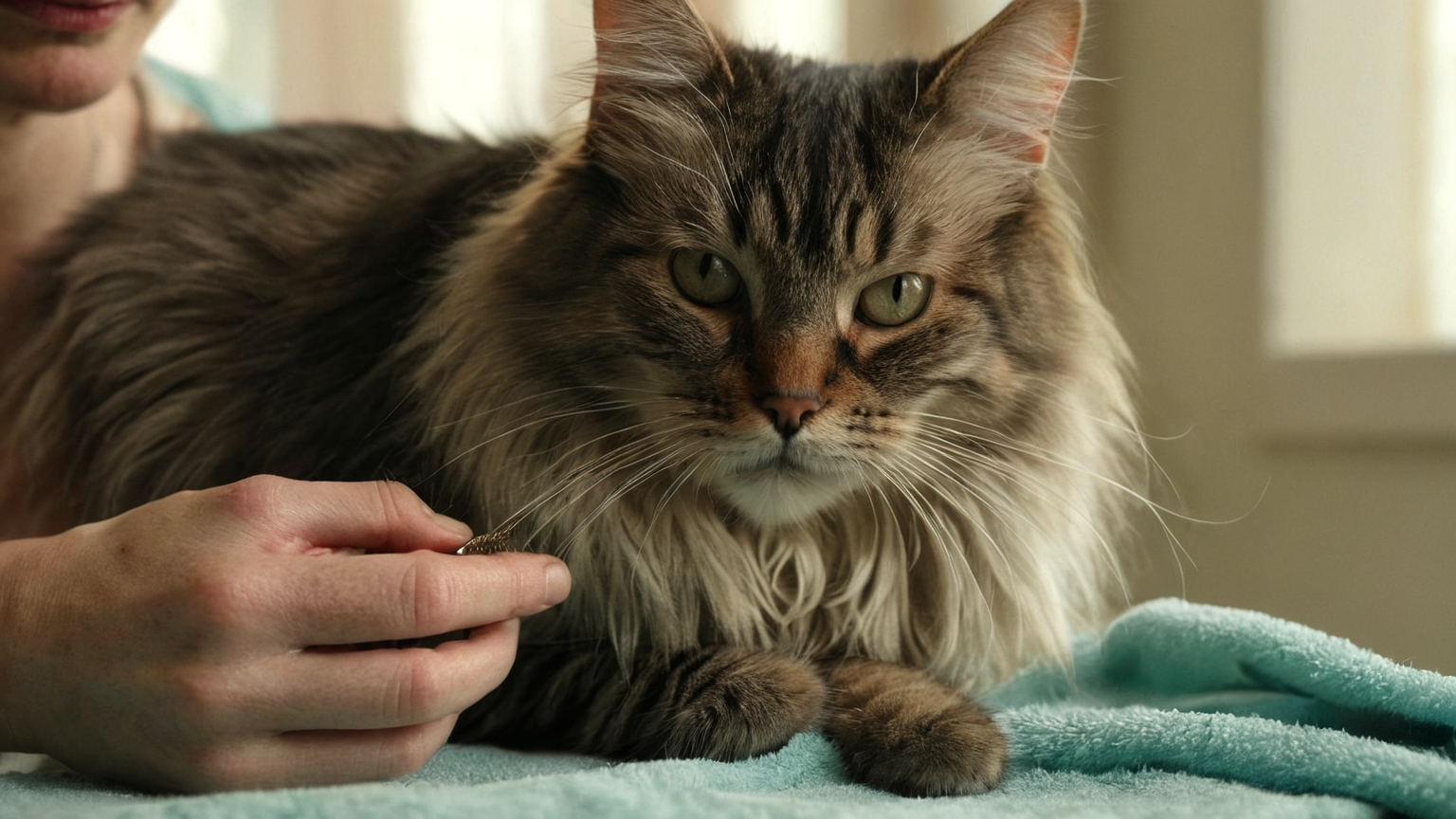
A dog-safe topical can still be a cat hazard if the cat licks the application site or sleeps against wet fur. Choose an application time when pets can be separated calmly, such as before a crate nap, closed-room rest, or supervised evening. Keep the dog from rubbing on bedding the cat immediately uses. If the label or veterinarian gives a drying or separation window, follow that stricter instruction rather than an internet rule of thumb.
Make the dose log boring and visible
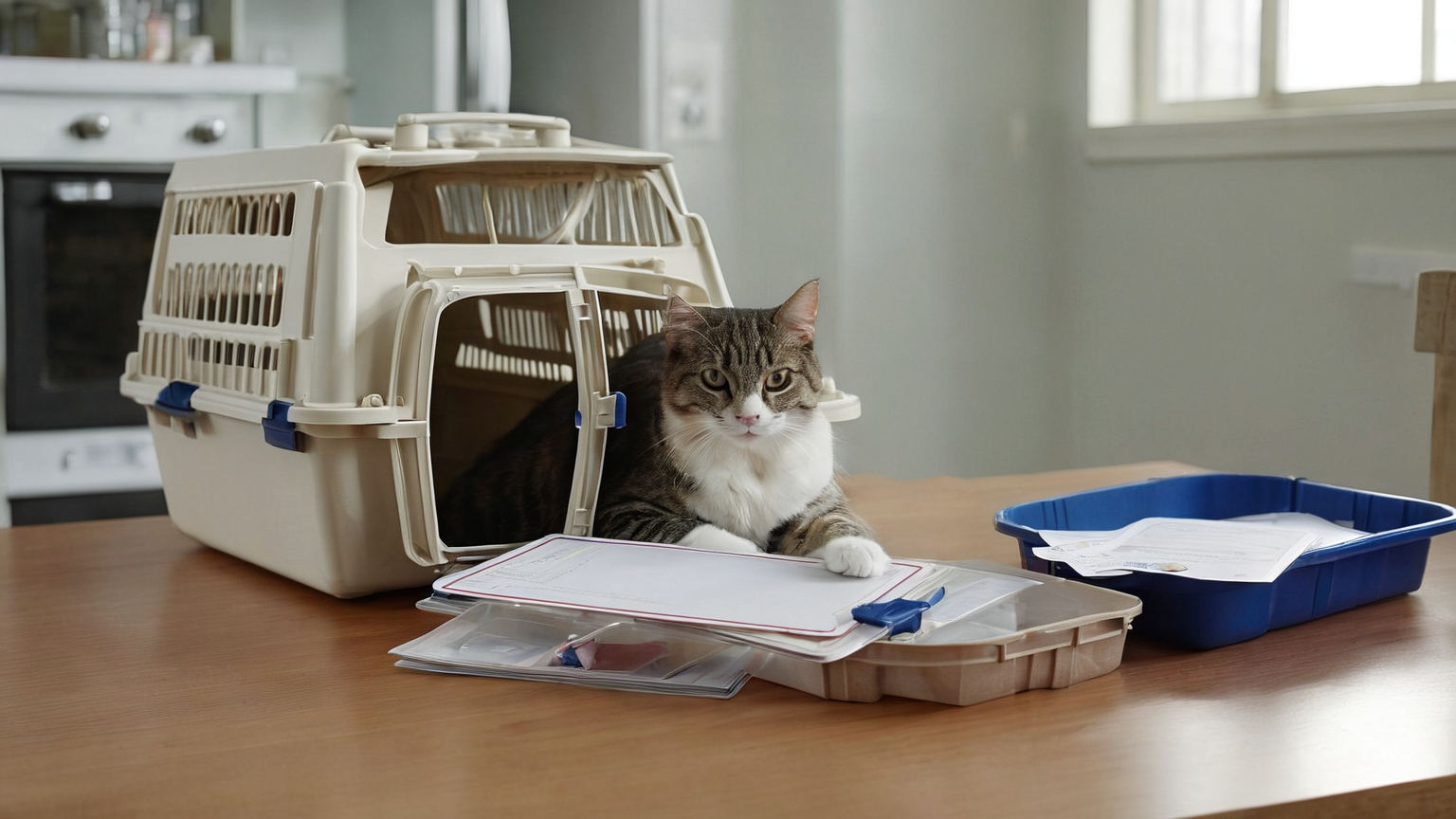
The safest system is simple: pet name, product, amount, route, date, time, and owner. Put the log near the products but not inside reach of pets or children. A shared note is useful only if every caregiver uses it before and after dosing. If a dose is missed, avoid improvising a catch-up schedule; ask the veterinary clinic or follow label directions. Duplicate topical products, collars, oral preventives, and shampoos can stack risk when nobody owns the full record.
Prepare for urgent exposure questions
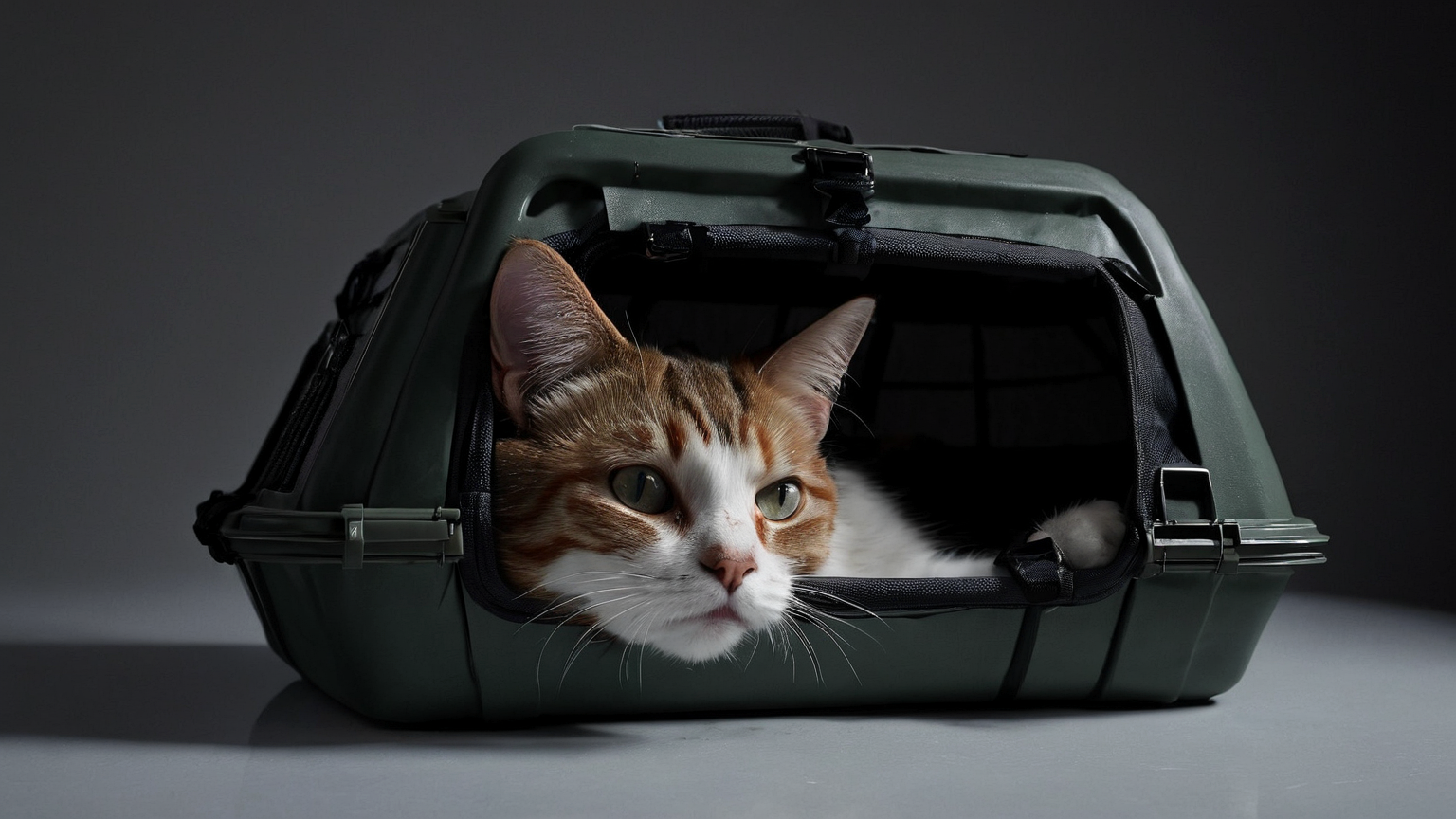
If a cat may have contacted the wrong product, the useful information is concrete: active ingredient, product strength, estimated amount, exposure time, cat weight, symptoms, and whether the cat licked, absorbed, or was bathed. Do not wait for symptoms to become dramatic if a dog-only product was involved. Call the veterinarian, emergency clinic, or poison-control resource. Bring the package or a clear package photo so the clinician is not guessing.

Keep parasite control without home remedies
Skipping prevention can increase flea-borne discomfort and disease risk, but replacing veterinary prevention with essential oils, internet mixtures, or unverified collars is not a safety upgrade. Ask the veterinarian how local tick risk, indoor/outdoor access, age, pregnancy, illness, and other medication affect the plan. The best mixed-home routine is conservative: correct product, correct pet, correct timing, and a clear way to respond when something looks wrong.
Practical checklist
- Cat and dog flea/tick products are stored in separate closed bins.
- The active ingredient and species label are checked before every dose.
- Dog and cat contact is controlled until topical products are dry and label/vet instructions are satisfied.
- One dose log covers every caregiver and every parasite-control product.
- Emergency clinic, veterinarian, and poison-control contact options are saved offline.
- Package photos are kept until the dose window is safely past.
Mistakes to avoid
| Mistake | Why it weakens safety | Better routine |
|---|---|---|
| Splitting a dog tube for a cat | Species-specific toxicity is not solved by dose size | Buy cat-labeled or vet-directed products only |
| Leaving treated pets together immediately | Cats may lick wet product from dog fur | Separate calmly until safe |
| Throwing away packaging immediately | Clinicians lose active ingredient and lot details | Keep a photo through the monitoring period |
| Using essential oils as a shortcut | Cats can be sensitive to many oils and residues | Ask the veterinarian for alternatives |
FAQ
Can I use a small amount of dog flea product on a cat?
No. Do not use dog-labeled flea or tick products on cats unless your veterinarian gives cat-specific instructions for that exact product.
What signs after exposure are urgent?
Tremors, twitching, drooling, vomiting, weakness, seizures, trouble breathing, or sudden behavior changes deserve immediate veterinary or poison-control advice.
Is natural flea prevention always safer?
No. Essential oils and home remedies can also harm cats. Use evidence-based prevention and ask a veterinarian before changing products.
Readiness and trust note
Seven-day household rollout
Day one is inventory day. Put every flea collar, topical tube, oral preventive, shampoo, spray, and old sample on one counter while pets are safely away from the area. Sort by pet, species label, weight band, expiration date, and active ingredient. Anything that cannot be matched to a current pet and current veterinary direction should leave the active bin. Photograph the front and back of each kept package so the information is available if the box is later damaged.
Day two is storage day. Choose a high, closed cabinet rather than a basket near leashes or treats. If a dog product and cat product look similar, add a physical separation that is obvious even when you are tired: different bins, different shelves, or a taped divider with no marketing claims. The goal is not decoration; it is preventing the wrong tube from being opened in a rushed evening routine.
Day three is caregiver training. Walk every adult through the dose log and make one person the dose owner for the month. If a pet sitter helps, provide only the product that should be used during the visit and keep the rest inaccessible. Do not ask a sitter to choose between multiple packages unless the veterinarian has trained them and the instructions are written.
Day four is contact planning. Decide where a treated dog rests while a cat is nearby, which towels or bedding are used, and how long separation lasts according to the label or veterinarian. Day five is emergency practice: save clinic, emergency hospital, and poison-control numbers; rehearse what information you would read from the package; and decide who transports the pet. Day six is refill review. Day seven is a quick family check that no loose tubes, collars, or wipes remain in bags, drawers, cars, or grooming kits.
This rollout deliberately avoids product recommendations. The useful decision is safer handling of the veterinarian-approved product you already use, with official-source escalation when anything is uncertain.
When to revisit the plan
Revisit the routine whenever a pet gains or loses significant weight, a kitten becomes old enough for a different product class, an older cat develops illness, a dog joins the home, a sitter is added, or flea pressure changes after travel. Also revisit it after any confusing dose moment, even if no pet was harmed. A near miss is useful evidence that the storage or log system is too fragile.
Seasonal changes matter. Warm, humid months may increase parasite pressure in some regions, while travel can bring pets into different tick habitats. Ask the veterinary clinic whether your local risk has changed rather than stretching last year’s plan into every new situation. If cost is a concern, say so directly; clinics can often discuss priorities, refill timing, and safer alternatives better than an emergency guess after exposure.
The final check is household clarity. Every adult should be able to answer three questions without searching online: which product belongs to which pet, where the latest dose is recorded, and who to call if the wrong pet is exposed. If those answers are not obvious, the plan is not finished.
One-page owner handoff
End with one concise owner handoff. Write the decision owner, the next review date, the evidence folder location, the rollback or escalation path, and the exact condition that means the plan should stop and a qualified professional or official support channel should be contacted. This section is intentionally plain. It prevents the article from becoming a list of tips with no operating owner. A useful plan tells the reader what to do today, what to watch tomorrow, and when not to improvise.
The handoff also supports trust. Keep private data out of shared notes, avoid screenshots that expose accounts or addresses, and record only what a household needs to make the next safe decision. If a future fact changes, such as a provider policy, official safety recommendation, fee rule, or product instruction, update the source before repeating the routine.