Cat Food Wet vs Dry — 2026 Evidence-Based Comparison
Wet cat food provides 75-80% moisture vs 6-10% for dry kibble — a critical difference for feline kidney health. Compared on hydration, dental impact, and cost.
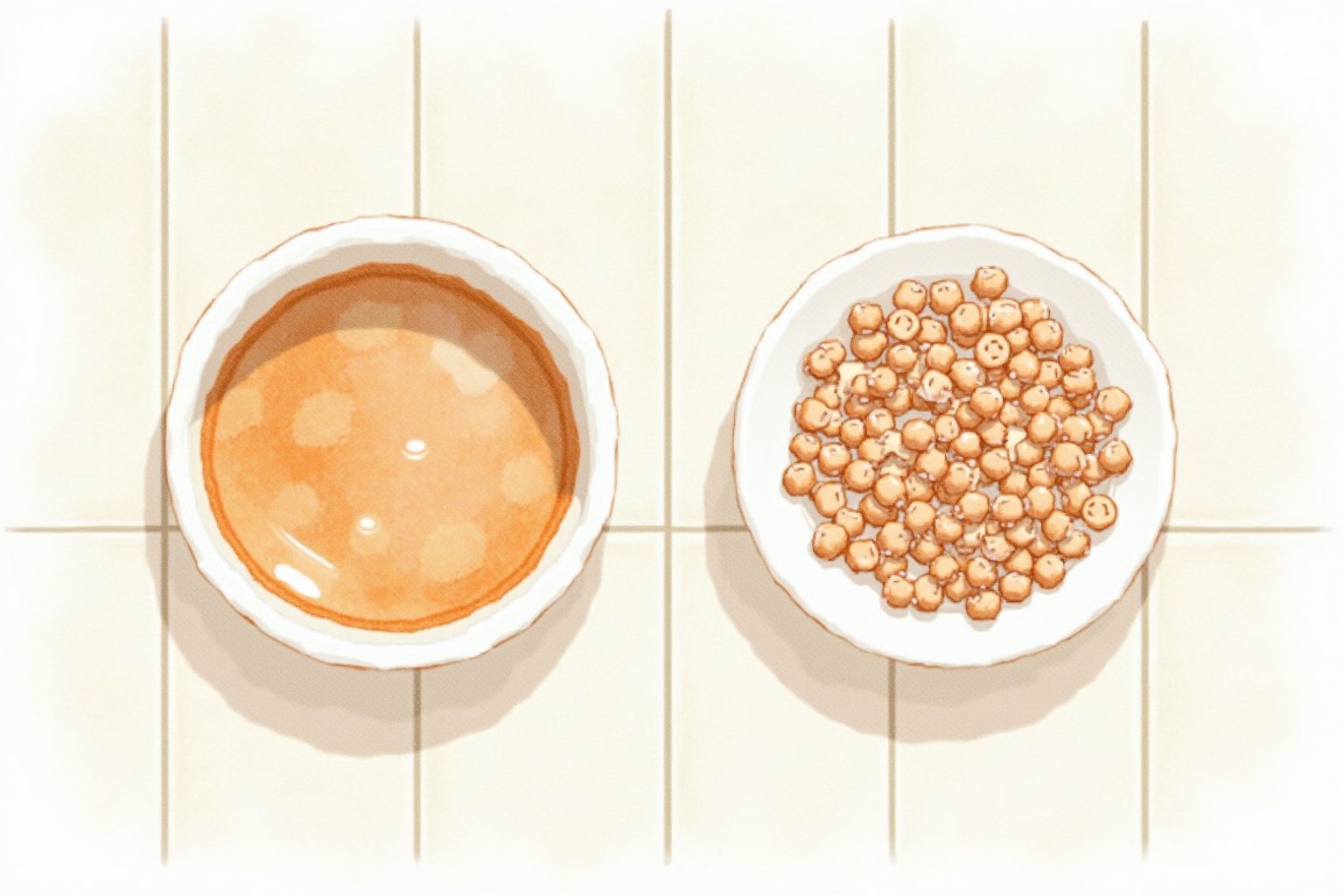
The wet vs dry cat food debate is one of the most enduring controversies in pet nutrition. Both options can provide complete nutrition when properly formulated, but they differ dramatically in hydration content, dental impact, cost, and convenience. Understanding these differences helps owners make informed choices for their cats’ specific health needs.
This article compares the two formats on hydration, dental health, nutrition, cost, and practical considerations. The conclusion is that most cats benefit from at least some wet food in their diet, particularly indoor-only cats, but the right balance depends on the individual cat’s health and the household’s situation.
- The hydration difference and its health implications
- Dental claims for dry food — what’s true and what isn’t
- Cost comparison and practical budgeting
- When to choose wet, dry, or a mix
- Top picks across $40-200 monthly budget range
The hydration difference
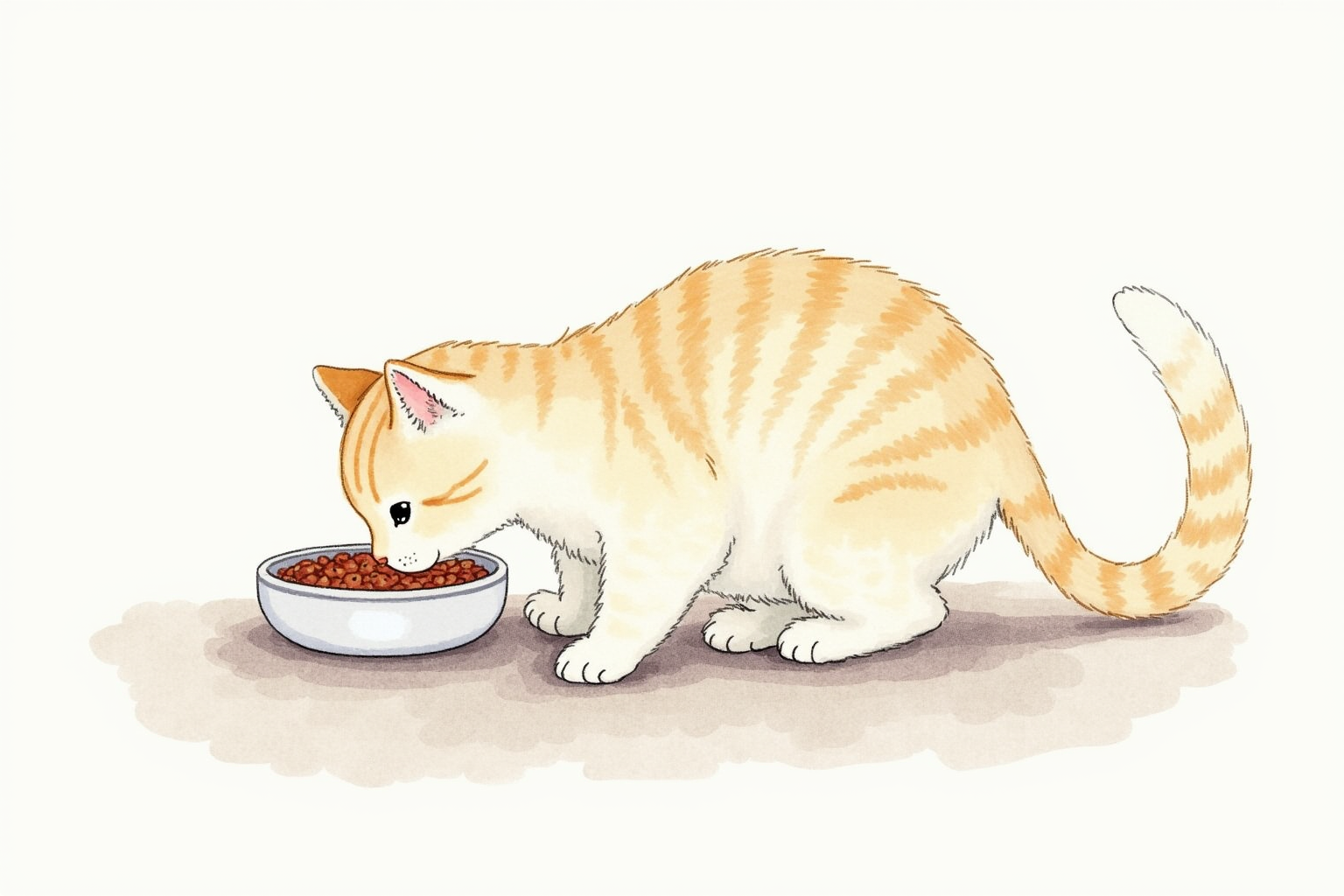
The single most important difference between wet and dry cat food is moisture content.
Wet food: 75-80% moisture. A 3-ounce can contains roughly 2.5 ounces (75 ml) of water.
Dry kibble: 6-10% moisture. A 1-ounce serving contains less than 0.1 ounces of water.
Cats evolved as desert hunters whose primary water source was prey — small mammals are 65-75% water. As a result, cats have a relatively weak thirst drive compared to dogs. They don’t compensate well when fed dry food alone.
Studies consistently show that cats fed exclusively dry food consume 30-50% less total water than cats fed wet food, even when water is freely available. This chronic mild dehydration is linked to:
- Urinary tract disease: Concentrated urine forms crystals more readily, contributing to feline lower urinary tract disease (FLUTD)
- Kidney disease: The leading cause of death in older cats; dehydration accelerates progression
- Constipation: Less water means harder, slower-moving stool
For these reasons, most veterinarians recommend at least some wet food for all cats, and exclusively wet food for cats with kidney or urinary issues.
Dental claims for dry food
The “dry food cleans teeth” claim is one of the most persistent myths in cat nutrition. Standard dry kibble does not clean teeth meaningfully — it shatters when bitten rather than scraping the tooth surface.
However, specialized “dental diet” kibbles do provide real benefit. These foods use:
- Larger kibble size that requires actual chewing
- Fibrous structure that scrapes against teeth
- Specific shapes designed for tooth contact
The Veterinary Oral Health Council (VOHC) maintains a list of foods and treats clinically proven to reduce plaque and tartar. Examples include Hill’s Prescription Diet t/d, Royal Canin Dental, and Purina DentaLife. These products require veterinary consultation and prescription.
For regular dental care, daily tooth brushing is far more effective than any food choice. Brushing reduces plaque buildup by 60-80% when done consistently. Dental food alone produces 5-15% improvement.
Cost comparison
Wet food costs significantly more per calorie:
- Premium dry: $0.10-0.15 per 100 kcal
- Premium wet: $0.30-0.50 per 100 kcal
- Budget dry: $0.05-0.08 per 100 kcal
- Budget wet: $0.20-0.30 per 100 kcal
For a 10-pound cat consuming 250-300 kcal per day:
- Premium dry: $7-13 per month
- Premium wet: $22-45 per month
- Mixed (50/50): $14-29 per month
The cost difference is the main reason multi-cat households default to dry food. A household with 3 cats on premium wet food spends $66-135/month vs $21-39/month on premium dry.
For budget-conscious households, the hybrid approach (1 wet meal per day + dry food available) costs roughly $15-25/month per cat and provides most of the hydration benefit at half the cost of all-wet feeding.
When to choose each
Choose wet food primarily when:
- Your cat has kidney disease, urinary issues, or constipation
- Your cat is overweight (wet food’s volume helps satiety)
- You have an indoor-only cat with low natural hydration
- You can afford the premium cost
- You want to feed a more biologically appropriate diet
Choose dry food primarily when:
- Multi-cat household with budget constraints
- You’re often away during the day (wet food spoils)
- Your cat dislikes wet food textures
- Your cat is on a prescription dental diet from your vet
Choose a mix when:
- You want hydration benefit without the full cost premium
- You have a single cat or two
- You want feeding flexibility (wet at mealtimes, dry for grazing)
The mixed approach is what most veterinary nutritionists recommend for adult cats without specific medical needs.
Top picks across budgets
Hill's Science Diet Adult Cat Food (Dry)
Price · $25-45 for 7-lb bag — best premium dry pick
+ Pros
- · AAFCO-complete nutrition profile
- · Veterinarian-formulated by Hill's nutrition team
- · Available in life-stage variants (adult, senior, hairball)
− Cons
- · Premium price vs grocery-store dry foods
- · Standard kibble — limited dental benefit
Royal Canin Adult Wet Cat Food (Loaf, 24-Pack)
Price · $45-65 for 24 cans — best premium wet pick
+ Pros
- · 75% moisture content provides reliable hydration
- · Veterinary-grade formulation with AAFCO compliance
- · Loaf texture preferred by most cats
− Cons
- · Cost adds up — 1 can per day per cat is ~$30/month
- · Open cans must be refrigerated and used within 24 hours
Wellness CORE Grain-Free Adult Cat Food (Dry)
Price · $35-55 for 12-lb bag — best premium grain-free dry pick
+ Pros
- · Higher protein content (37% min) than typical kibble
- · Grain-free formulation for cats with sensitivities
- · Made in U.S. with traceable ingredient sourcing
− Cons
- · Higher price point than mainstream dry foods
- · Grain-free has been linked to heart issues in dogs (not yet established in cats)
The buying decision
For most single-cat or two-cat households, the right approach is one premium wet meal daily plus quality dry food available throughout the day. Total monthly cost: $25-40 per cat. The Hill’s Science Diet adult dry plus Royal Canin or Fancy Feast Classic wet (one can daily) is the standard combination.
For multi-cat households on a budget, quality dry food primarily plus weekly or twice-weekly wet food provides most of the nutritional benefit at significantly lower cost. A 4-cat household saves $80-150/month vs all-wet feeding while still providing periodic hydration.
For cats with specific medical conditions (kidney disease, urinary issues, dental disease), follow your veterinarian’s specific food recommendations. The general wet-vs-dry calculation doesn’t apply when there’s a medical indication.
Avoid extreme cheap dry foods under $1.50/lb — these often have lower-quality protein sources and excessive grain fillers. The Wellness CORE, Hill’s Science Diet, and similar mid-range brands provide reliable nutrition that justifies their slight premium.
The wet vs dry decision is less binary than the marketing suggests. A thoughtful mix tailored to your specific cat and household produces better results than dogmatically choosing one format. Talk to your veterinarian about your cat’s individual needs and adjust accordingly.