Cat Indoor Enrichment — 2026 Behavior-Based Guide
Indoor cats need 5+ types of enrichment daily to prevent boredom-related behavior issues. Vertical space, puzzle feeders, and the routine that produces calm cats.
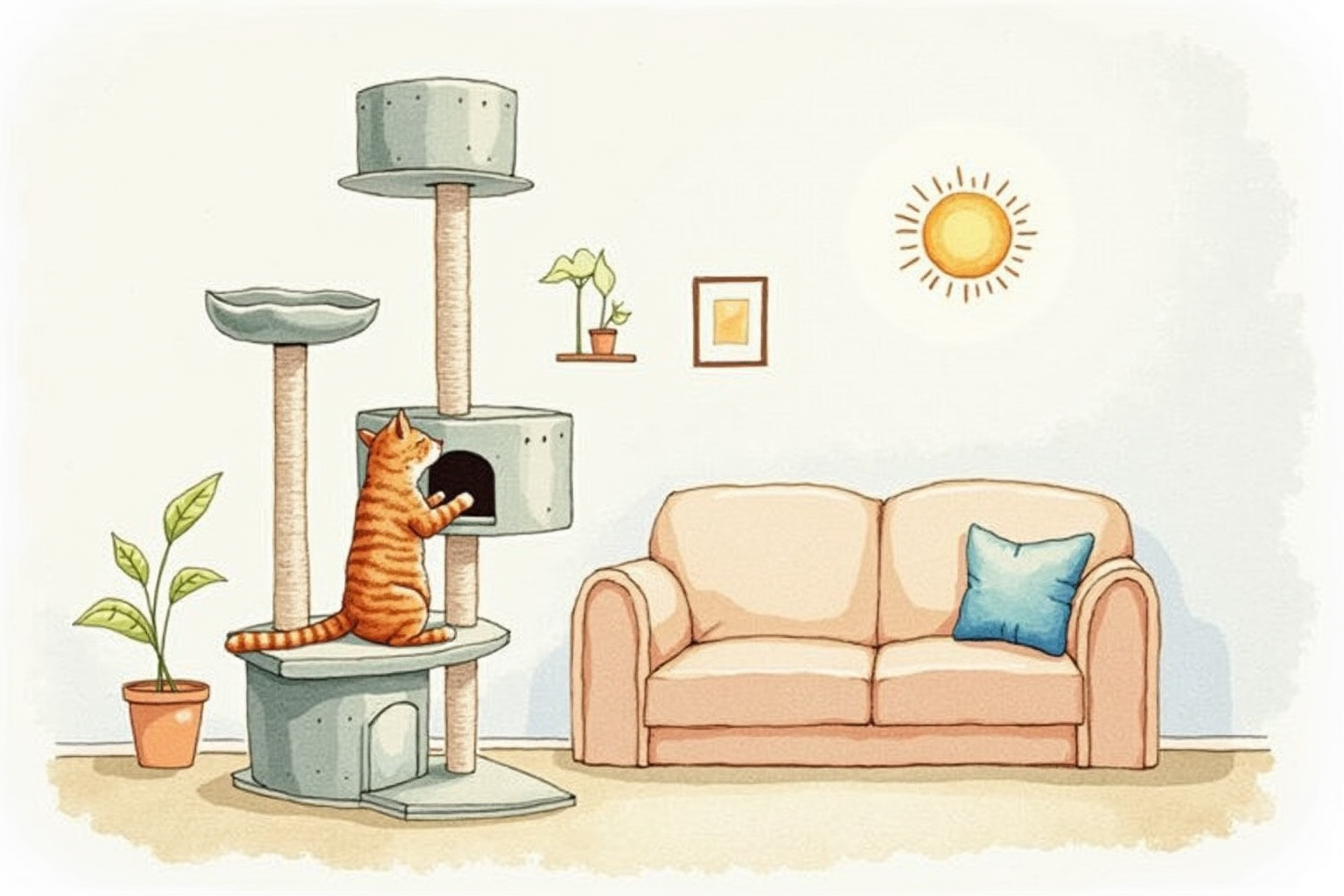
Indoor cats live longer than outdoor cats (15-18 years average vs 7-10 years) — but they also face unique behavior challenges from confinement and reduced stimulation. The AAFP and Ohio State University Indoor Cat Initiative both emphasize that indoor cats need deliberate environmental enrichment to thrive psychologically and physically. Without it, behavior problems develop within months: inappropriate scratching, vocalization, anxiety, and obesity.
This article explains the five categories of enrichment cats need, provides specific implementations, and identifies the products that make enrichment easy to maintain daily. The conclusion is that 30-60 minutes of daily enrichment activities, supported by a properly-configured home environment, transforms behavior problems and prevents many medical issues.
- The five categories of feline enrichment
- Vertical territory and climbing structures
- Puzzle feeders and predatory play
- Window access and sensory stimulation
- Top picks across $30-200 budget range
The five categories of enrichment
The AAFP environmental enrichment guidelines identify five domains that cats need daily access to:
1. Physical enrichment — Climbing, jumping, scratching. Vertical territory (cat trees, shelves), scratching posts, exercise toys. Cats spend significant natural time in 3D vertical space; indoor environments must provide this.
2. Mental enrichment — Problem-solving, novelty, exploration. Puzzle feeders, hidden treats, rotating toy selection. Cats are intelligent predators who evolved to figure out hunting situations; static environments produce boredom and stress.
3. Sensory enrichment — Visual, auditory, olfactory stimulation. Window views, calming music, catnip and silvervine, varied scents from clean fabrics. Indoor cats benefit from sensory variety that outdoor cats get naturally.
4. Social enrichment — Positive interactions with humans and (sometimes) other cats. Daily play sessions, gentle petting on terms cats accept, presence during meals. Social isolation is a real problem for cats whose owners work long hours.
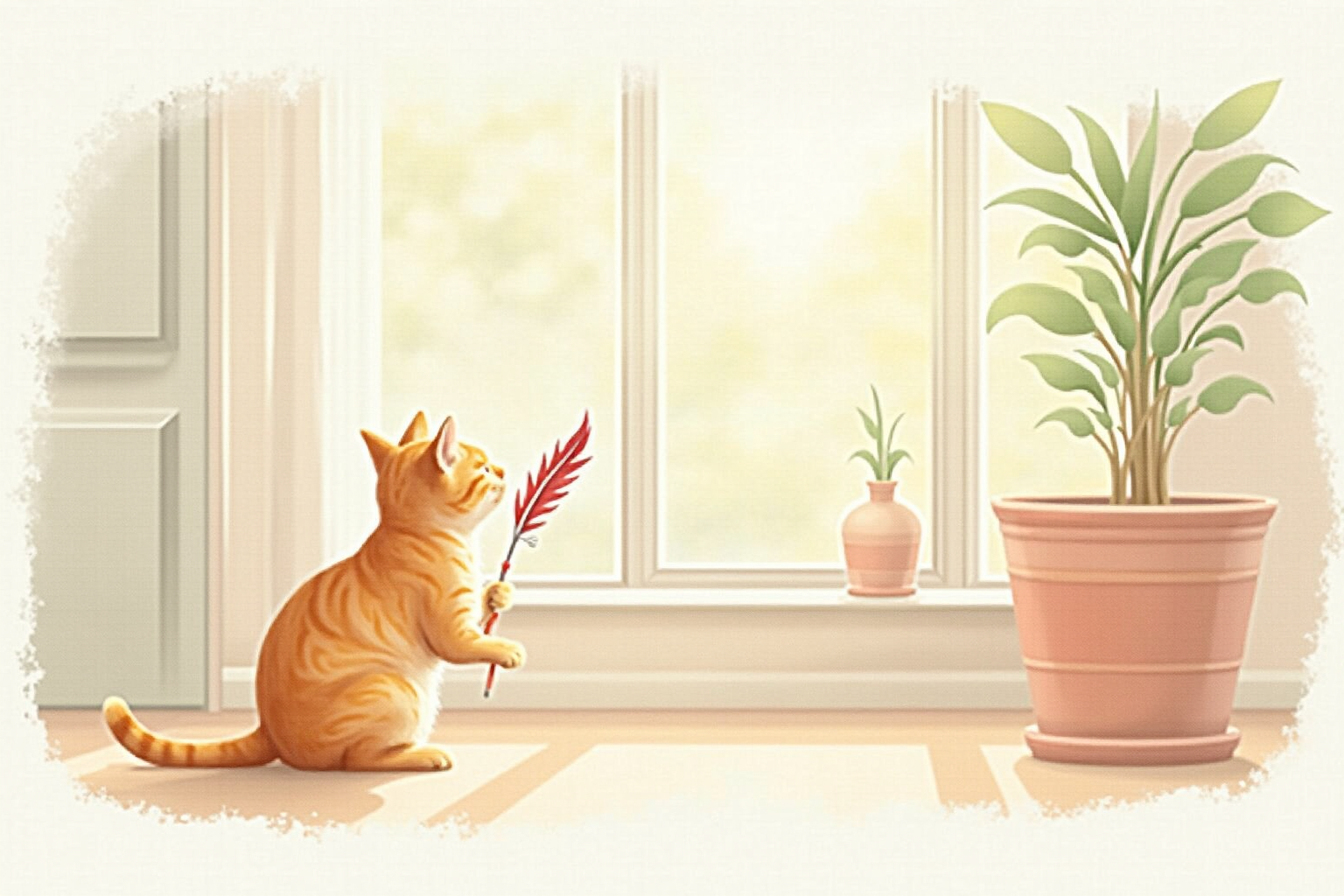
5. Predatory enrichment — Hunting-like behavior. Wand toy chase, treat-tossing games, prey-mimicking laser pointers (used briefly with physical reward at end). The predatory cycle (stalk → chase → catch → consume) is fundamental cat behavior that needs daily expression.
Practical schedule for working owners:
- Morning (10 min): Puzzle feeder breakfast + 5 min wand play
- Workday: Open blinds for window viewing, hidden treats around the house, rotating toys
- Evening (15-20 min): Active play session + dinner
- Bedtime: Calm presence, gentle interactions
This routine takes 30-40 minutes daily and addresses all five enrichment categories.
Vertical territory matters
Cats evolved to use 3D space — climbing trees, jumping between branches, observing from elevated positions. Indoor cats with only floor-level living miss critical environmental dimensions.
Vertical territory implementations:
- Tall cat trees (4-6 feet): Multiple platforms at different heights. Cats can climb, observe, and rest at varying elevations.
- Wall-mounted shelves: Floating shelves at 3-6 foot heights, creating climbing pathways across walls. Premium space-saving option.
- Window perches: Hang on windows or sit on sills, providing elevated view of outdoor activity.
- Bookshelf access: Clear top shelves of bookcases for cat sitting. Free vertical real estate.
The minimum: at least one cat tree per cat, plus 2-3 elevated resting spots (window perches, shelves) throughout the home. Multi-cat households need more — cats are territorial about vertical territory.
Puzzle feeders and predatory play
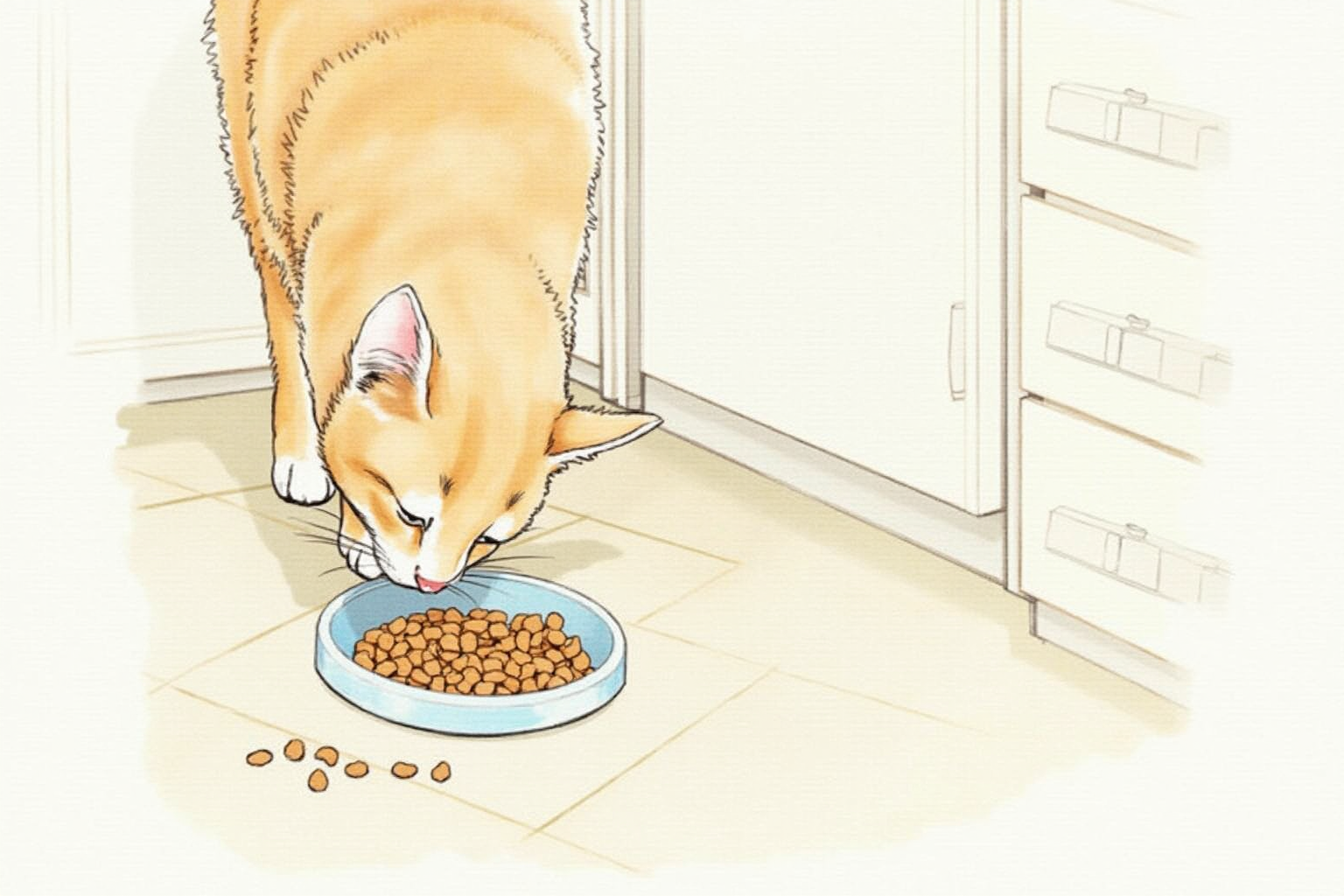
Static bowl feeding gives cats their daily nutrition in 30 seconds. The remaining 23+ hours have nothing food-related to engage with.
Puzzle feeder progression:
- Beginner: Catit Senses 2.0 food tree (kibble slowly rolls down columns) at $15-25
- Intermediate: Trixie 5-in-1 puzzle feeder (multiple challenges) at $20-35
- Advanced: Doc & Phoebe’s no-bowl feeders (cat must hunt down hidden feeders) at $30-50
- Expert: Lickimats, snuffle mats, or DIY puzzles (rotate constantly)
Use puzzle feeders for at least one meal daily. The eating time extends from 30 seconds to 10-15 minutes, the cat engages problem-solving instincts, and slow eating prevents the vomiting that fast eaters experience.
Wand toy play:
The most effective interactive play involves wand toys (string with attached prey-like object). Mimic prey movement: rapid stops and starts, hiding behind furniture, climbing low and rising suddenly. 5-10 minute sessions 2-3 times daily.
Da Bird, Cat Catcher, and similar wand toys at $5-15 are the standard. Rotate the lure types (feather, fabric, plastic) every 2-3 weeks to maintain novelty.
End every play session with a “catch” — let the cat grab and bite the toy at the conclusion. This completes the predatory cycle and prevents frustration.
Window access and sensory stimulation
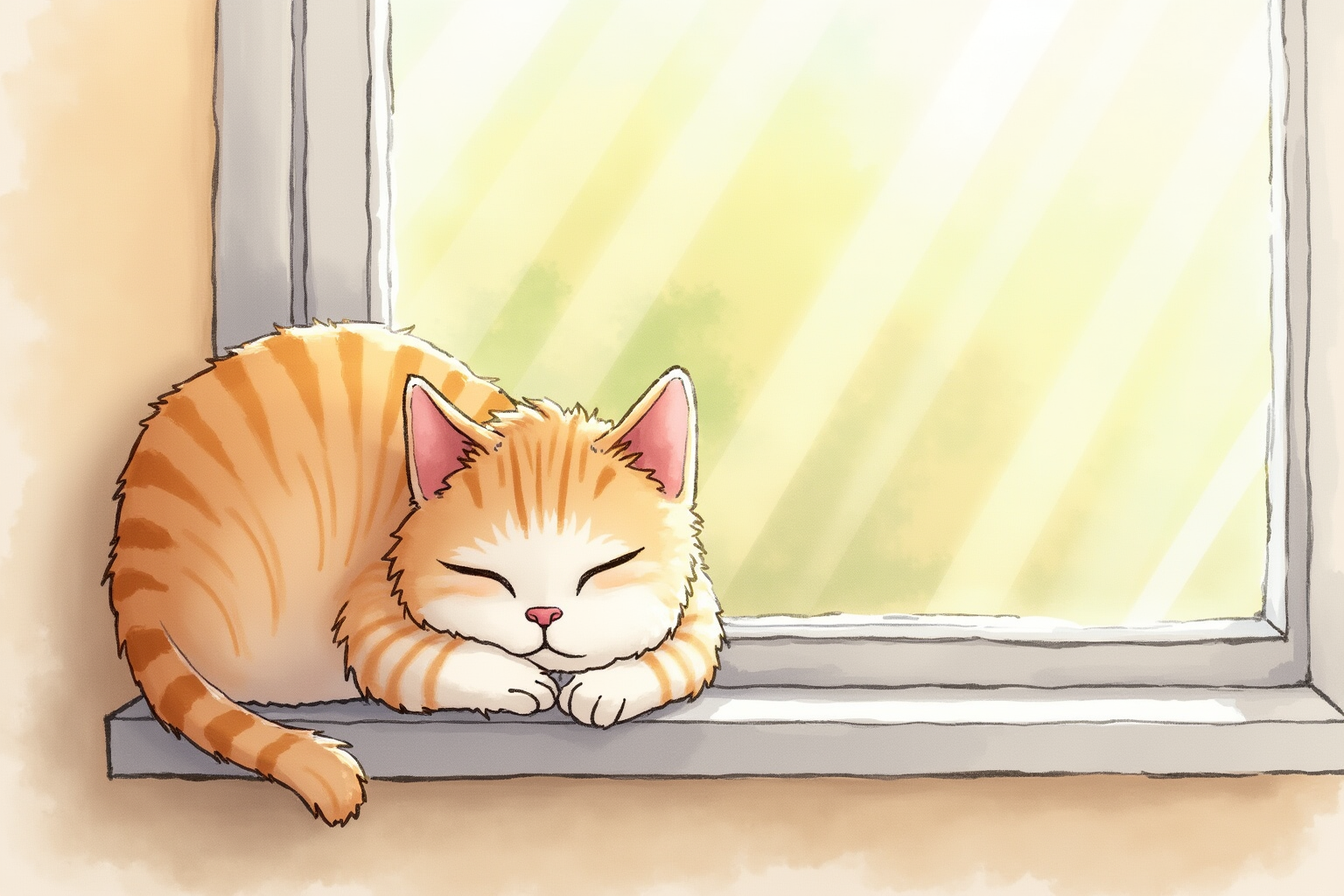
Windows are the most cost-effective enrichment for indoor cats. The Ohio State Indoor Cat Initiative specifically lists window access as essential.
Window setup tips:
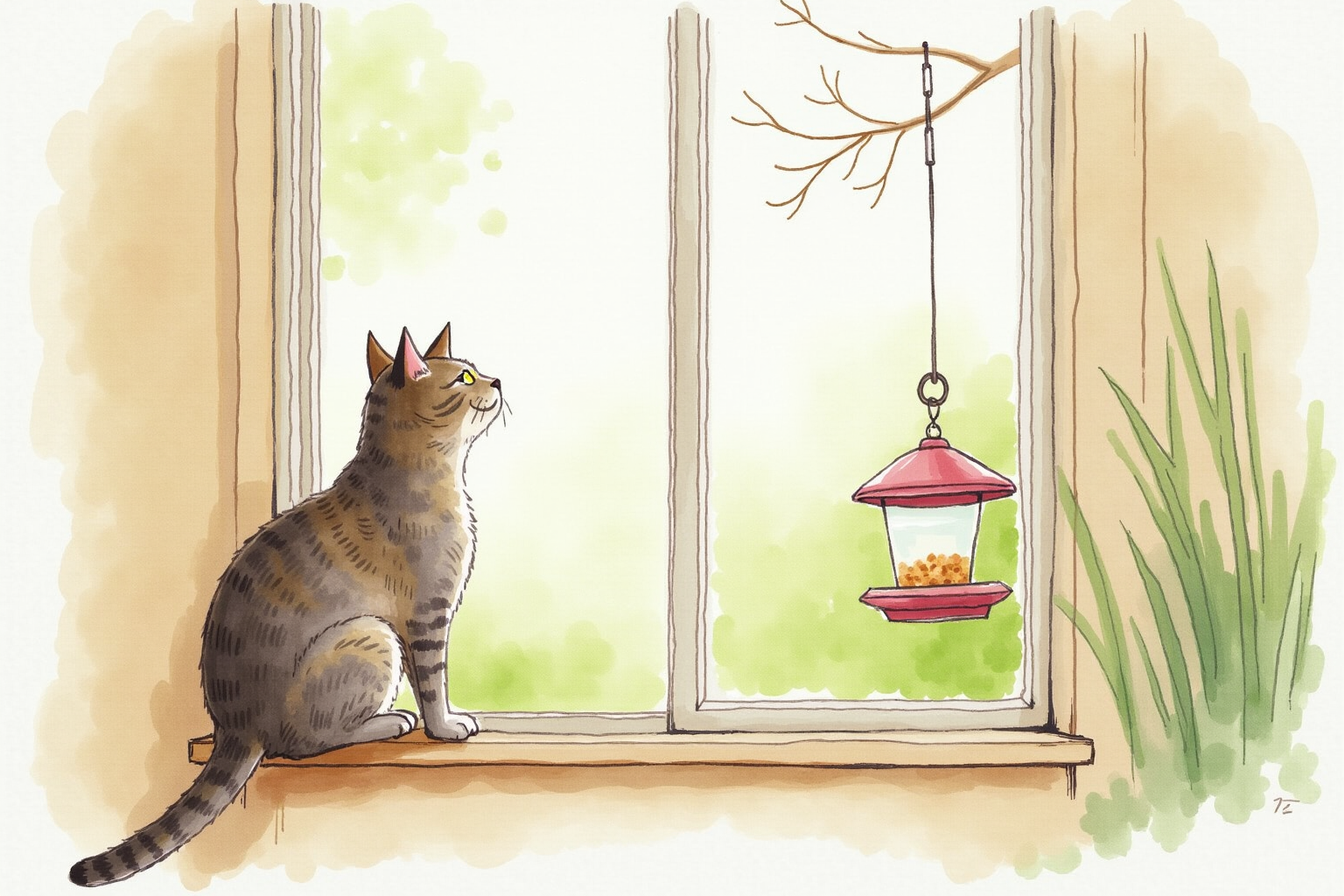
- Place a comfortable perch on the most-trafficked window (bird-watching opportunities)
- Install a bird feeder outside the window for “cat TV”
- Adjust blinds and curtains to maintain window access during cat-watching hours
- For dark winter months, consider supplemental indoor stimulation (wand toys, hidden treats)
Other sensory enrichment:
- Calming music: Cat-specific playlists (Mozart, classical) reduce stress, especially during owner absence
- Catnip and silvervine: Rotate sources (some cats prefer silvervine to catnip). Effect lasts 10-15 minutes; cats need 1-2 weeks between exposures for sensitivity to refresh.
- Variable scents: Rotate cat beds, blankets, and bedding occasionally to add scent variety
- Catio (outdoor catio): Enclosed outdoor space accessed via window or door. Premium enrichment for engaged owners.
Top picks across budgets
Frisco 72-Inch Cat Tree with Condo
Price · $100-160 — best cat tree pick
+ Pros
- · 6 feet of vertical territory with multiple platforms
- · Stable base prevents tipping
- · Sisal-wrapped posts double as scratching surfaces
− Cons
- · Assembly takes 30-45 minutes
- · Carpet color may not match every home decor
Paid affiliate link. Price, availability, and ratings can change; verify details on the retailer page before buying.
Catit Senses 2.0 Food Tree
Price · $15-25 — best puzzle feeder starter
+ Pros
- · Easy to set up and use
- · Adjustable difficulty (kibble flow rate)
- · Dishwasher-safe parts
− Cons
- · Single difficulty level — eventually mastered
- · Limited to dry kibble only
Paid affiliate link. Price, availability, and ratings can change; verify details on the retailer page before buying.
Da Bird Original Feather Wand Cat Toy
Price · $8-15 — best wand toy pick
+ Pros
- · 30+ years of design refinement
- · Realistic bird-like motion when waved
- · Replacement feather tips available separately
− Cons
- · Feathers wear out within weeks of heavy use
- · Plastic rod can break if stepped on
Paid affiliate link. Price, availability, and ratings can change; verify details on the retailer page before buying.
The buying decision
For most indoor cat households, the right starter setup is the Frisco 72-inch cat tree ($100-160), a Catit Senses puzzle feeder ($15-25), and a Da Bird wand toy ($8-15). Total: $125-200. This covers vertical territory, mental engagement, and predatory play — the three pillars of feline enrichment.
For multi-cat households, double the cat tree count (one per cat is the minimum, two trees per cat is ideal) and add a second puzzle feeder. Multi-cat enrichment competition can become a stressor; sufficient territorial resources prevent this.
For tight spaces or apartment living, prioritize wall-mounted shelves and window perches over floor-standing cat trees. The vertical pathway up walls accomplishes the same goal with less floor footprint.
Avoid skipping enrichment as a budget cut. Behavior problems and resulting medical issues (stress-induced cystitis, anxiety-related grooming damage) cost far more than the upfront enrichment investment. The $200 in good enrichment products often prevents $1000+ in behavior/medical issues over the cat’s lifetime.
Indoor cat life can be wonderful — safe, predictable, healthy — but only with deliberate enrichment that respects feline behavioral needs. The 30-60 minutes daily of enrichment time isn’t optional; it’s the difference between thriving and merely existing for an indoor cat.