Cat Litter Box Problem Vet Triage Plan
A practical cat-owner triage workflow for sudden litter box changes, urinary red flags, home setup fixes, records to keep, and when to call a veterinarian.
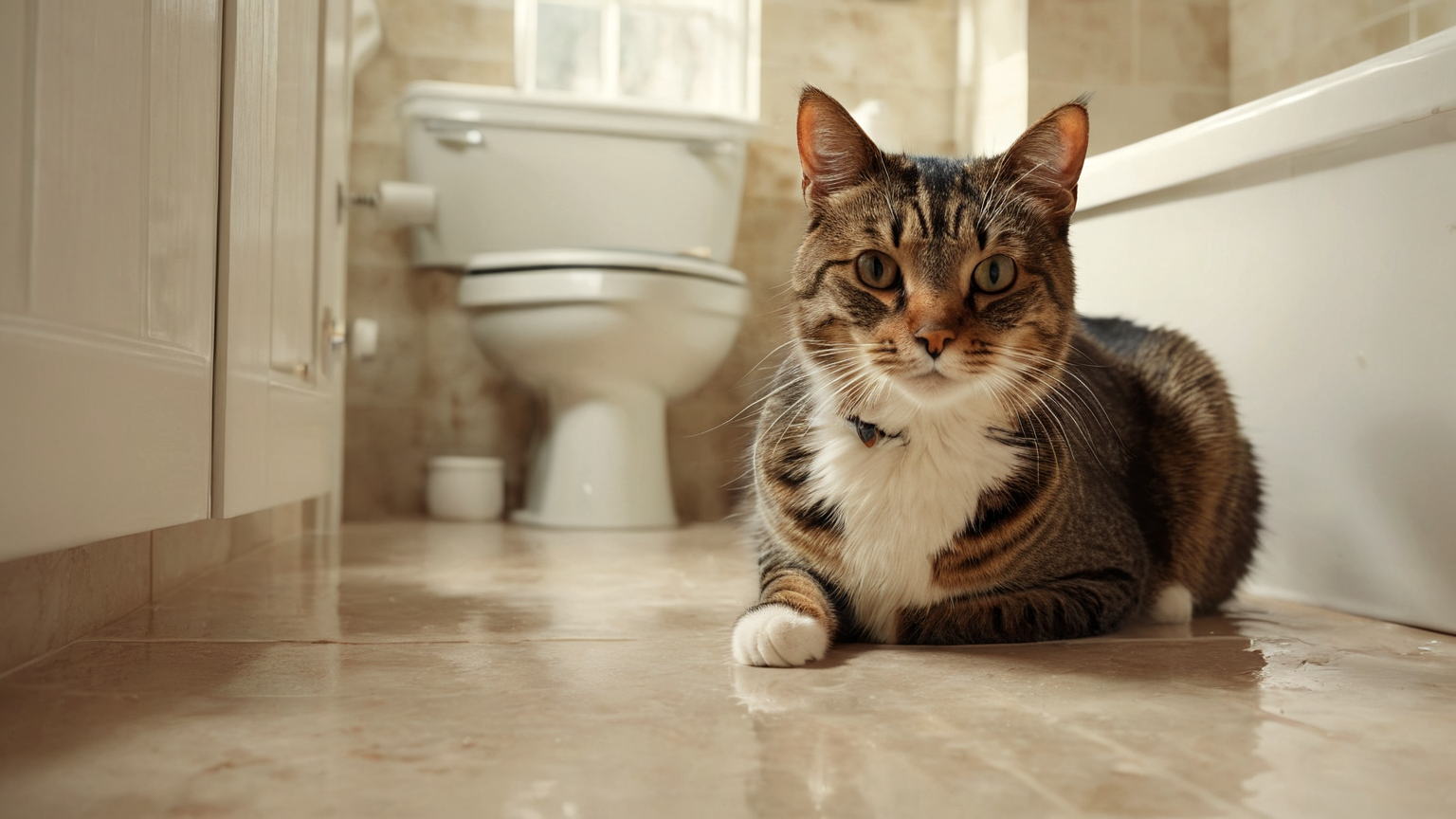
Updated June 7, 2026. A sudden litter box change is not just a behavior problem. It can be pain, urinary disease, constipation, arthritis, stress, box aversion, territory conflict, or a household access problem. This guide is a home triage workflow: spot urgent signs, record useful evidence, make low-risk setup improvements, and know when to call a veterinarian. It does not diagnose your cat.
Safety note: straining, repeated unsuccessful trips, crying in the box, blood, collapse, vomiting, appetite loss, or a male cat producing little or no urine should be treated as urgent veterinary questions.
| Signal | Why it matters | Same-day action | Note to record |
|---|---|---|---|
| Straining with little urine | Possible urinary emergency | Call a veterinarian or emergency clinic | Last normal urine time |
| Blood, crying, repeated trips | Pain or urinary disease possible | Prompt veterinary guidance | Frequency and appearance |
| Pooping outside box | Constipation, pain, access, stress | Call if repeated or appetite changes | Stool, appetite, energy |
| Spraying vertical surfaces | Stress or territory may contribute | Document pattern and triggers | Location, time, nearby cats |
| Avoiding a dirty or hidden box | Setup may drive avoidance | Clean, add access, monitor | Box type and cleaning schedule |
Separate emergency signs from setup problems
Do not spend days testing new litter if the cat is painful, weak, vomiting, hiding, or producing only tiny urine spots. A blocked or painful urinary tract can become dangerous quickly. Use this home workflow after urgent signs are ruled out, or while you are gathering information requested by the clinic.
Make the box easy for the cat
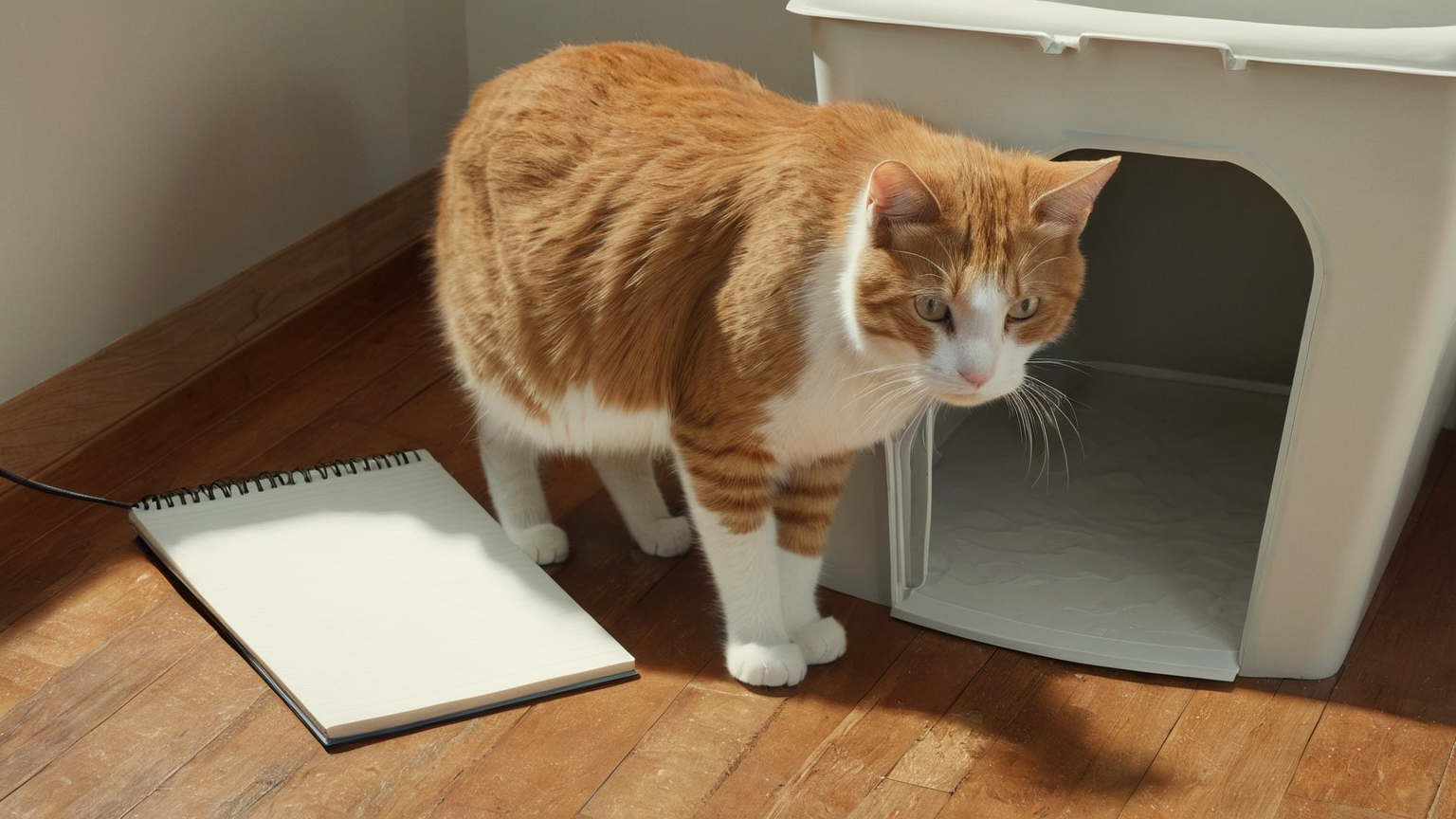
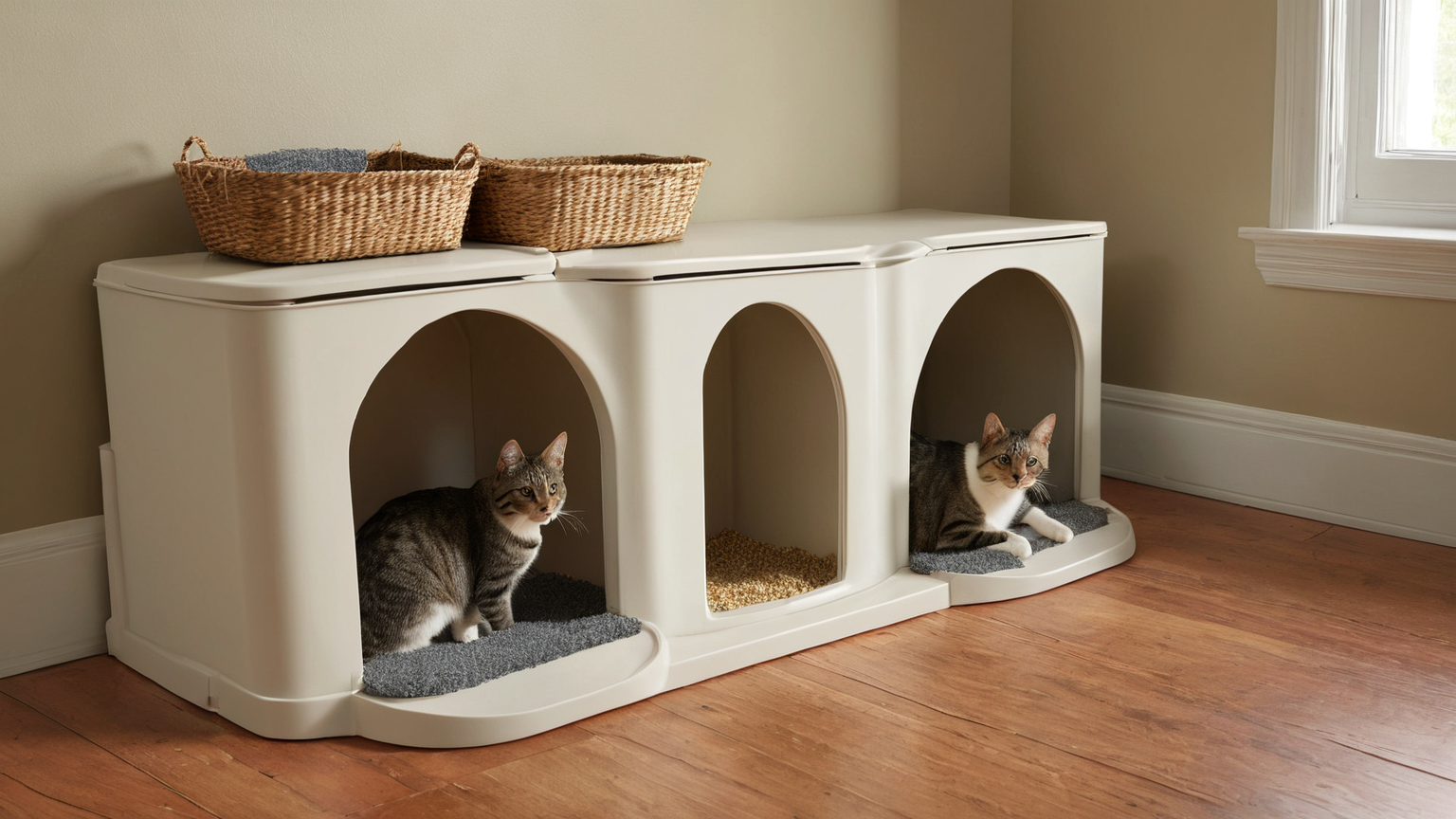
Many cats prefer clean, uncovered, roomy boxes with a quiet route and low effort entry. Multi-cat homes need stations in separate places, not several boxes lined up like one large box. Senior cats may need lower sides and shorter walking distance. Keep food and water away from the box.
Record patterns instead of guessing motives
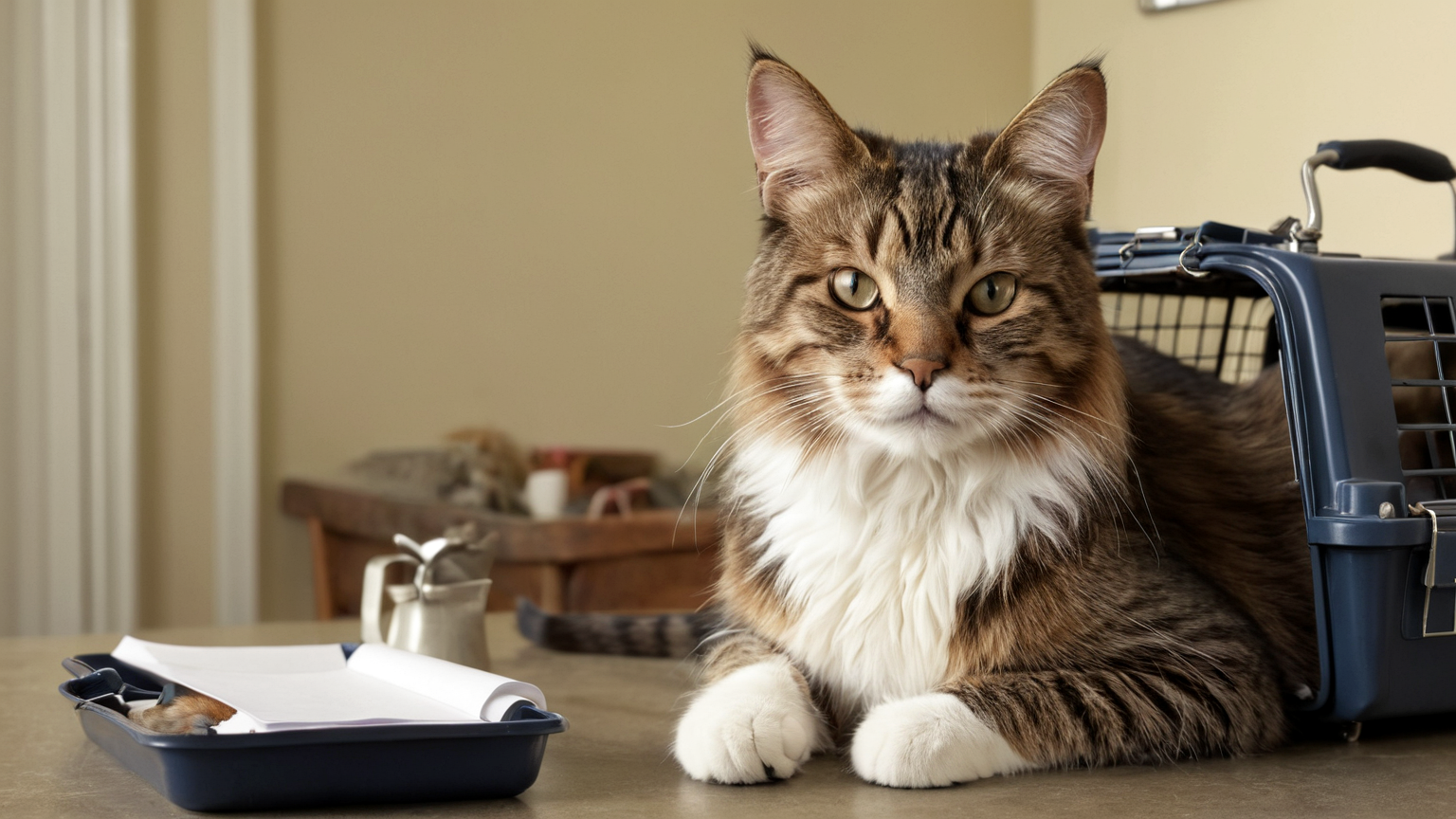
Write down where accidents happen, whether stool or urine changed, recent litter or food changes, new pets, visitors, noise, cleaning products, and whether the cat later used the box normally. A log helps the veterinarian and prevents the household from blaming the cat for pain or stress.
Clean without creating a second aversion
Use an enzymatic cleaner appropriate for the surface and keep strong scents away from the litter area. Avoid punishment, shouting, or trapping the cat near the mess. Calm cleanup plus better access makes the desired behavior easier to repeat.
Two-week reset checklist
- Know the last time normal urine was seen.
- Add one easy-entry box in a quiet but accessible location.
- Keep one litter type stable while troubleshooting.
- Scoop daily and avoid strong fragrances.
- Record appetite, energy, stool, urine, and household changes.
- Bring the notes to the veterinarian if the pattern continues.
Mistakes that weaken the plan
| Mistake | Why it backfires | Better habit |
|---|---|---|
| Assuming spite | Pain or stress gets missed | Treat changes as health signals first |
| Waiting on male-cat straining | Blockage can become life-threatening | Call emergency care promptly |
| Changing litter daily | The cat never gets a stable option | Change one variable at a time |
| Hiding every box | Cats may avoid trapped routes | Provide quiet but accessible stations |
FAQ
Should I buy an automatic covered box first?
Not as the first fix. First rule out pain and provide clean, easy, low-stress access. Some cats dislike covers, noise, or tight entries.
What is the fastest useful improvement?
Add a clean, easy-entry box in a quiet but accessible location and start a simple symptom log today.
Why this supports AdSense readiness
The article is source-backed, non-affiliate, and focused on practical pet welfare rather than product promotion.