Cat Vaccination Schedule 2026 — AAFP Evidence-Based Guide
Core vaccines (FVRCP, rabies) are required for all cats; non-core vaccines depend on lifestyle. Here is the current AAFP schedule and decision framework.
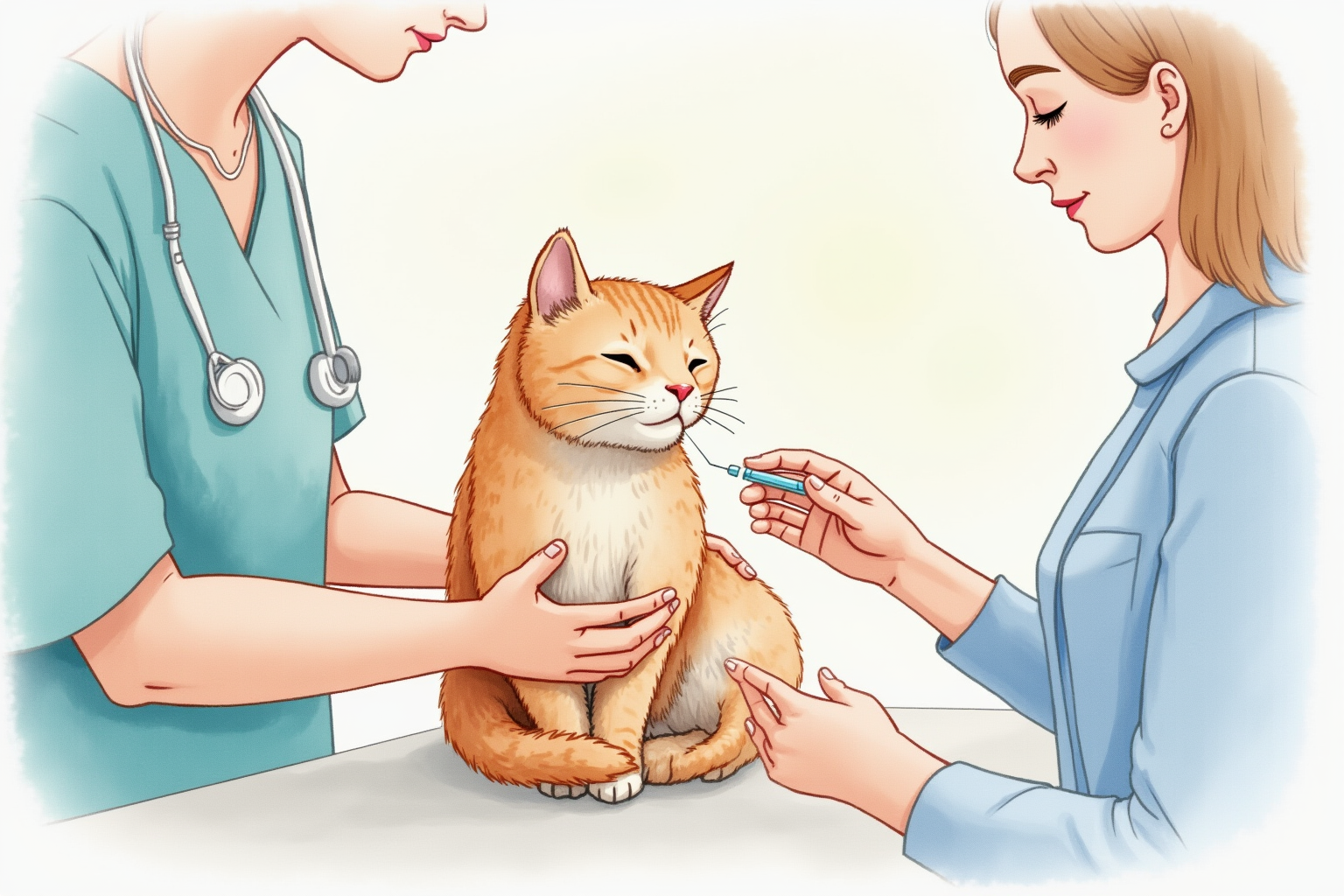
Cat vaccination guidelines have evolved significantly since the 1990s. The previous “vaccinate everything every year” approach has been replaced by an evidence-based core/non-core framework that vaccinates against the most serious diseases on a 3-year schedule and adds lifestyle-specific protection only where actual exposure risk exists. The AAFP (American Association of Feline Practitioners) guidelines, updated every few years, define the current standard.
This article explains the current AAFP schedule, helps you identify which vaccines your specific cat needs, and addresses the common concerns about vaccine safety and necessity. The conclusion is that proper vaccination is one of the most cost-effective health investments for cats — but over-vaccination is also a real issue that the new guidelines help avoid.
- Core vs non-core vaccines under AAFP guidelines
- Kitten vaccination series timing
- Adult cat 3-year schedule
- When indoor-only cats need vaccines (and which ones)
- Cost-effective approaches and what to skip
Core vs non-core — the AAFP framework
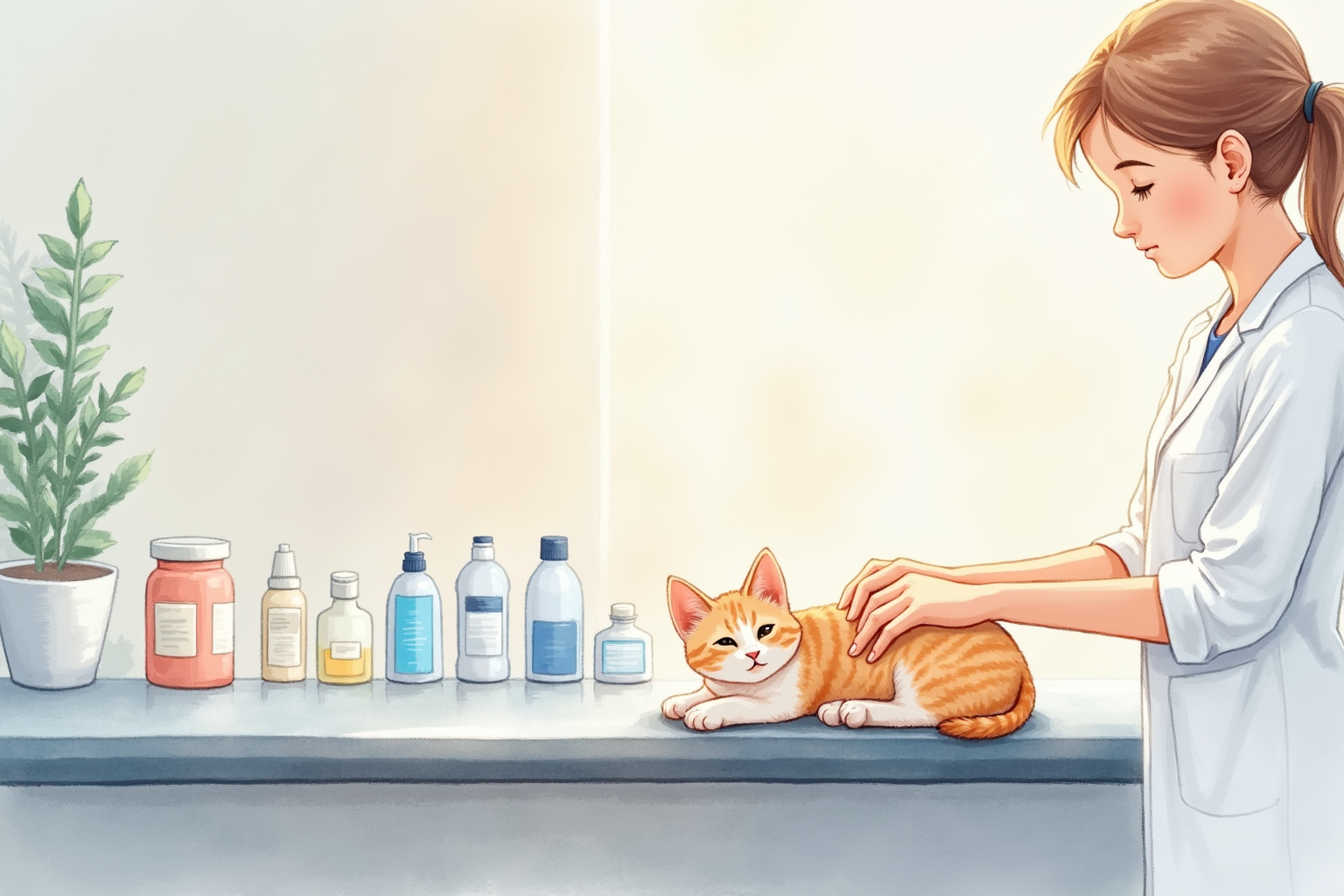
The AAFP classifies vaccines into two categories based on the universality of the disease threat:
Core vaccines (required for all cats):
- FVRCP: Combination vaccine for feline viral rhinotracheitis (herpesvirus), calicivirus, and panleukopenia (feline distemper)
- Rabies: Often legally required regardless of indoor/outdoor status
Non-core vaccines (lifestyle-dependent):
- FeLV (Feline Leukemia): For cats with outdoor access, multi-cat households, or rescue/shelter exposure
- Chlamydia: For specific high-risk catteries or outbreak situations
- Bordetella: For cats entering boarding facilities or shelters
- FIP: Vaccine exists but efficacy is debated — most veterinarians don’t recommend it
The framework eliminates the previous “vaccinate everything every year” overprotection while maintaining strong protection against the diseases that actually threaten cats.
Kitten vaccination series

The kitten series protects during the critical window when maternal antibodies (from mother’s milk) decline and the kitten’s own immune system develops:
FVRCP series:
- First vaccine: 6-8 weeks of age
- Booster: 10-12 weeks
- Final booster: 14-16 weeks
Rabies:
- Single vaccine at 12-16 weeks (state law dependent)
- Booster 1 year later
FeLV (if needed):
- First vaccine: 8-12 weeks
- Booster: 3-4 weeks after first
The reason for the multi-shot series: maternal antibodies in the kitten’s bloodstream can neutralize the vaccine, preventing it from triggering the kitten’s own immune response. As maternal antibodies wane (between 6 and 16 weeks), there’s a window where the kitten is vulnerable to disease but maternal antibodies may still interfere with vaccines. The series ensures that at least one vaccine takes effect during this window.
Missing any of the kitten series shots can leave significant protection gaps. If a vaccine appointment is missed, schedule a catch-up promptly.
Adult cat 3-year schedule
After completing the kitten series, the adult schedule is much less frequent:
FVRCP: Booster every 3 years
- Current immunological research shows protection lasts well beyond 1 year for most cats
- 3-year booster maintains protection without unnecessary vaccination
Rabies: Annual or every 3 years
- Some states require annual rabies regardless of vaccine type
- Other states accept 3-year vaccines if they’re FDA-approved for 3-year duration
- Check your state’s specific requirement
FeLV (continued exposure risk): Annual booster
Other non-core: As needed based on specific exposure
The 3-year FVRCP schedule reduces the lifetime vaccination burden by 67% compared to old annual schedules, while maintaining protection. Annual wellness visits still happen — they include physical examination, dental check, weight monitoring, and other preventive care.
When indoor-only cats need vaccines
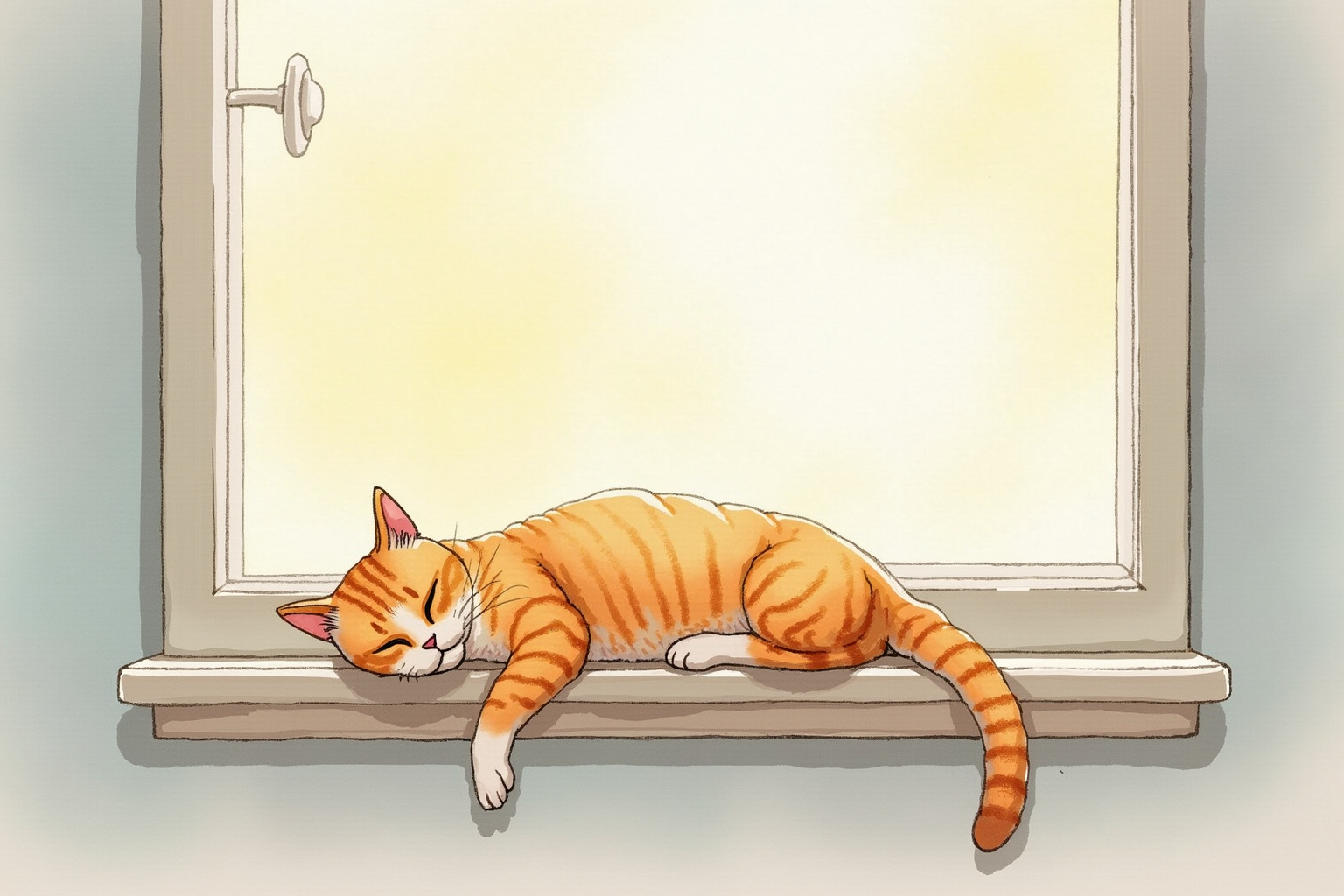
A common misconception: “My cat is indoor-only, so they don’t need vaccines.”
The truth: indoor cats still need core vaccines.
Why indoor cats need FVRCP:
- Fomite transmission: viruses can come into the home on clothing, shoes, or other objects
- Open windows: viral particles can come in
- Escape risk: even indoor cats sometimes get outside
- Vet visit transmission: contact with sick cats at clinic visits
Why indoor cats may need rabies:
- Legal requirement in most states regardless of indoor status
- Wildlife exposure if windows are open
- Escape risk
What indoor cats can skip:
- FeLV (low risk without outdoor exposure or multi-cat household)
- Bordetella (only needed for boarding)
- Chlamydia (specific exposure scenarios)
For indoor-only cats, the schedule is core vaccines only — FVRCP every 3 years and rabies per state requirements. This is a reasonable lifetime investment that prevents serious disease.
Top picks across budgets
Petco Pet Vaccination Clinic Services
Price · $50-100 per visit — best budget pick
+ Pros
- · Low-cost vaccine clinics available at retail locations
- · AAFP core vaccines available without full vet exam fees
- · Convenient walk-in appointments at many locations
− Cons
- · Limited service vs full veterinary care
- · No medical history or comprehensive examination
Banfield Wellness Plan (Annual Membership)
Price · $30-45/month — best comprehensive pick
+ Pros
- · Includes vaccines, wellness exams, dental cleaning
- · Available at most Banfield (PetSmart) locations nationwide
- · Predictable monthly cost vs surprise vet bills
− Cons
- · Annual commitment required
- · Limited to Banfield network for services
Local Independent Veterinary Practice
Price · $60-150 per visit — best premium pick
+ Pros
- · Comprehensive care with established relationship
- · Full medical history and continuity
- · Tailored vaccination based on individual cat's risk
− Cons
- · Higher per-visit cost than clinic alternatives
- · Quality varies significantly by practice
The buying decision
For most cat owners, the right approach is establishing a relationship with a local veterinary practice for annual wellness exams, with vaccines administered during those visits. Total annual cost for indoor-only cats: $100-200. The continuity of care, medical history tracking, and personalized risk assessment justify the slight premium over clinic-only vaccination.
For budget-conscious or multi-cat households, low-cost vaccination clinics (Petco, ASPCA, humane society clinics) provide the necessary core vaccines at $20-40 per shot vs $35-60 at private practices. The trade-off is no medical examination — appropriate for healthy adult cats but not for kittens or older cats with health concerns.
For cats with specific medical conditions or high-risk lifestyles (FeLV+ household, indoor/outdoor with wildlife exposure), the comprehensive veterinary relationship is worth the premium. The risk assessment and lifestyle-specific vaccination plan matter more than the cost difference.
Avoid skipping vaccines for indoor cats — the misconception that “indoor cats don’t need vaccines” leads to preventable disease cases every year. The AAFP guidelines provide the right balance between protection and minimizing over-vaccination.
Cat vaccination is one of the most cost-effective healthcare investments. The lifetime cost ($1000-2000 over a cat’s life) is less than treating a single case of feline panleukopenia ($1500-3500 with no guarantee of survival). Follow the AAFP schedule, adapt to your specific cat’s lifestyle, and maintain consistency over your cat’s life.