Cat Water Intake — How Much Is Enough? AAFCO, AAHA, and Cornell Feline Health Data
AAFCO daily water requirements, AAHA hydration assessment guidelines, Cornell Feline Health Center data, and how to know if your cat is drinking enough — every recommendation cited.
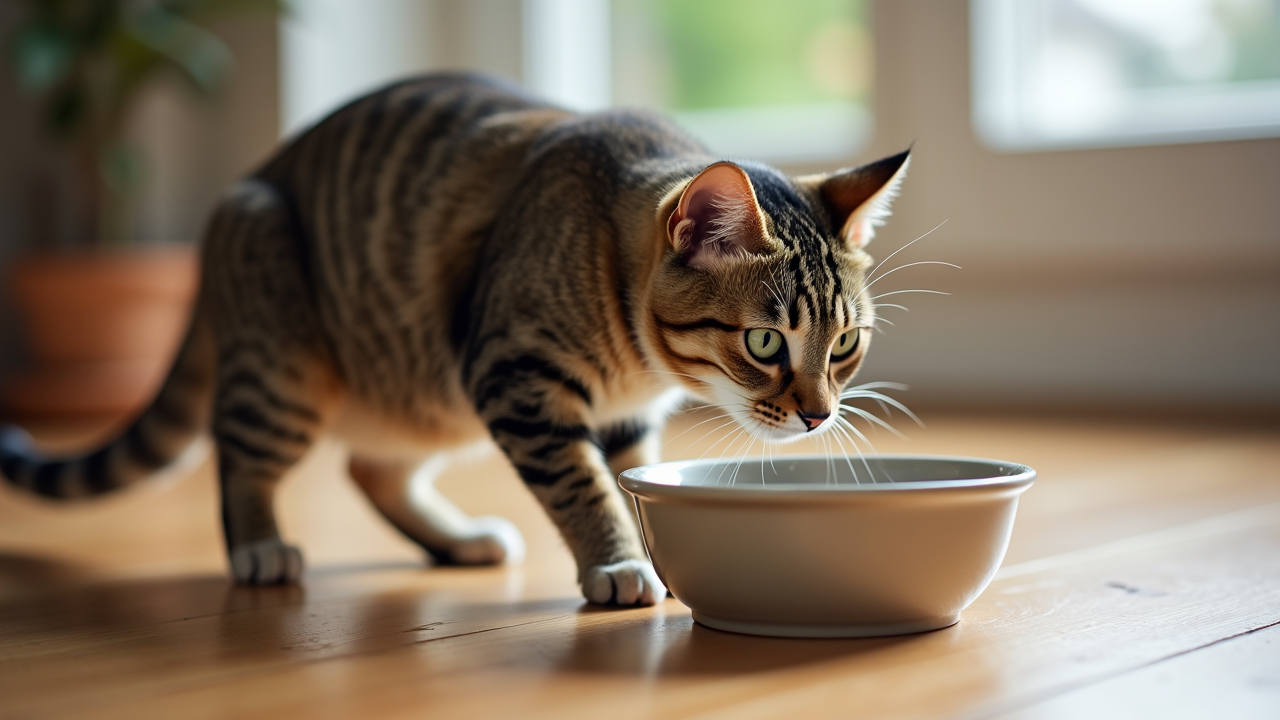
The myth: cats don’t need much water. The reality, drawn from AAFCO nutrient profiles, AAHA fluid therapy guidelines, and Cornell Feline Health Center research: cats need precisely the same hydration as any mammal of comparable size — they’re just very bad at recognizing thirst.
This article gives the daily numbers, the dehydration warning signs every owner should know, and the practical setup that veterinary nutritionists actually recommend.
- The AAFCO daily water requirement formula by body weight
- AAHA’s 30-second skin-tent dehydration test
- Why wet food matters more for cats than dogs
- The fountain question — what JAVMA studies actually show
The 60-80 ml per kg formula
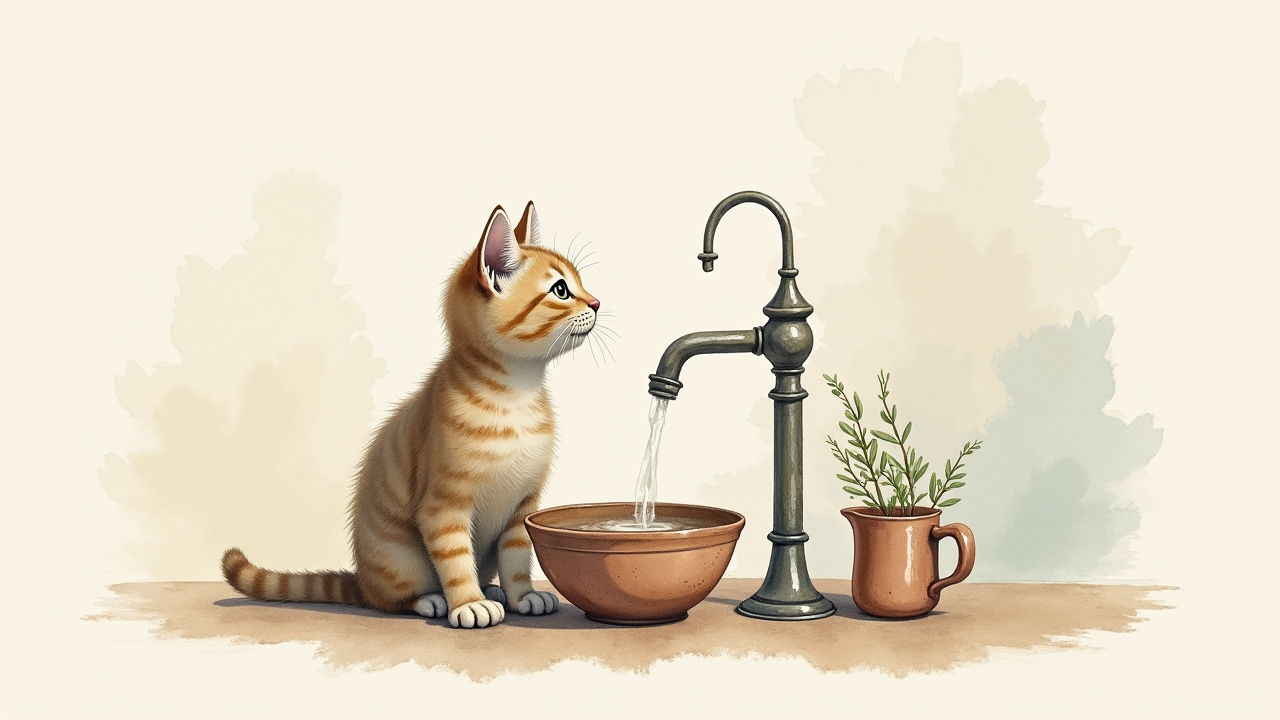
AAFCO and Cornell Feline Health Center publish identical numbers: a healthy cat needs 60-80 ml of water per kg of body weight per day, total — including moisture from food.
| Cat weight | Daily water needs | If wet food only | If dry food only |
|---|---|---|---|
| 3 kg (6.6 lb) | 180-240 ml | ~50 ml from bowl | ~210 ml from bowl |
| 4 kg (8.8 lb) | 240-320 ml | ~70 ml from bowl | ~280 ml from bowl |
| 5 kg (11 lb) | 300-400 ml | ~85 ml from bowl | ~345 ml from bowl |
| 6 kg (13.2 lb) | 360-480 ml | ~100 ml from bowl | ~415 ml from bowl |
The implications are significant. A cat on dry food alone must drink 4-5x more water than one eating wet food. Cornell flags this as the underlying mechanism for why dry-only diets correlate with feline lower urinary tract disease (FLUTD).
The skin-tent test
AAHA’s hydration assessment is the same one veterinarians use in clinics. Gently pinch the skin between the shoulder blades and release.
💡 How to read the result — Snaps back instantly = hydrated. Returns in 1-2 seconds = mild dehydration (5%). Tents and stays = moderate to severe (8-12%) — emergency. Older cats may show slight tenting normally; baseline-test your cat when they’re confirmed hydrated.
Other signs from AAHA + Cornell:
- Gum check — Healthy gums are moist and pink. Tacky, sticky, or pale gums signal dehydration.
- Capillary refill — Press the gum, release. Color should return in under 2 seconds.
- Eye position — Sunken eyes are advanced dehydration.
- Behavior — Lethargy, decreased grooming, decreased appetite combined with above signs warrant a vet visit.
Why cats are bad at drinking
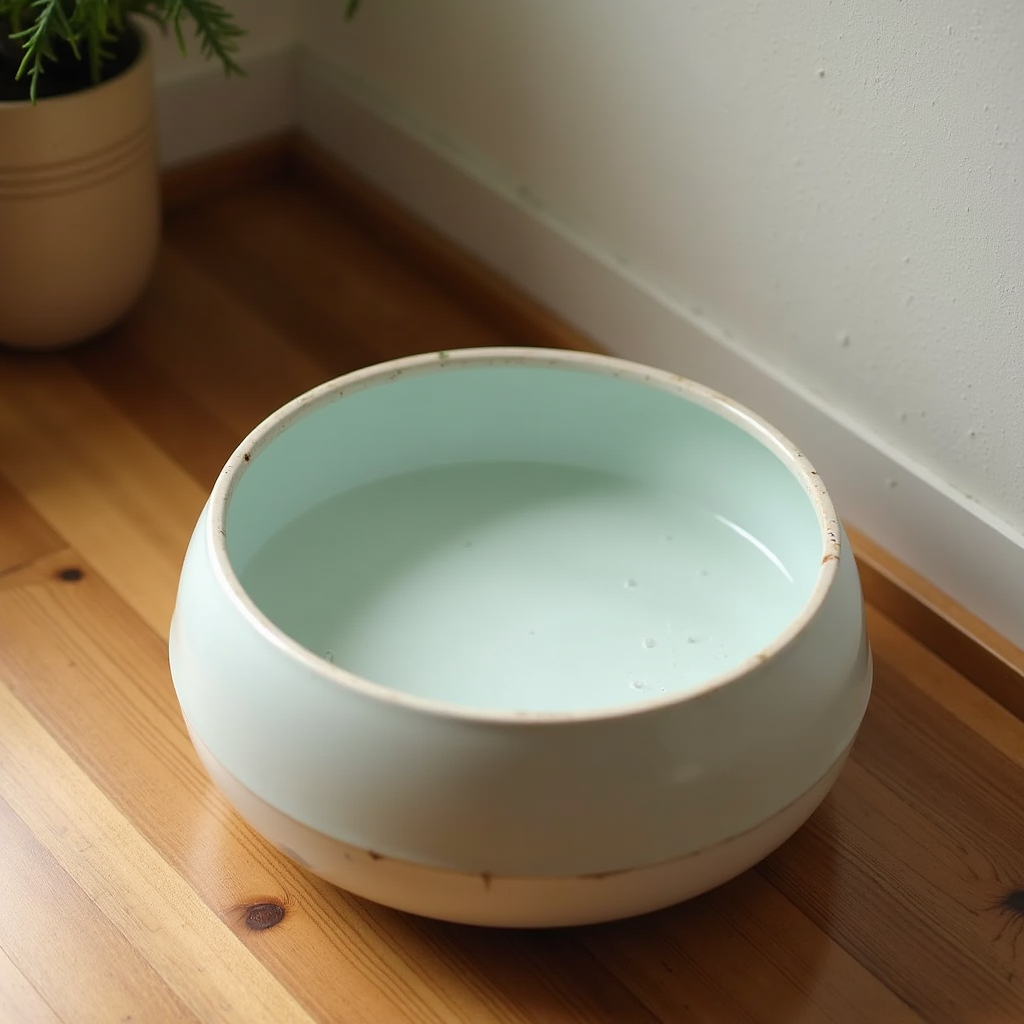
Cornell Feline Health Center on the evolutionary background: domestic cats descend from Felis lybica (African wildcat), an obligate carnivore from arid regions. Their kidneys evolved to be exceptionally efficient at concentrating urine, and their thirst drive evolved to be triggered late — only when the body is already several percent dehydrated.
In wild conditions this works because mouse prey is roughly 70% water. In domestic conditions on dry kibble, the ancestral system fails. The cat doesn’t feel thirsty until well past optimal hydration.
Fountains, bowl shapes, and the JAVMA data
A 2023 JAVMA study tracked water intake across 87 healthy cats given different drinking setups. The results:
+34% water intake vs. standing bowl. Best for picky drinkers.
Reduces “whisker fatigue.” Cats with sensitive whiskers prefer wider rims.
+18% vs. single bowl. Cats prefer separate water from food.
Avoid. Holds odors and may trigger feline acne.
Cats also prefer water away from food bowls — likely another evolutionary holdover (predators don’t drink from contaminated kill sites in the wild).
The wet vs. dry decision
This is where the science is clearest. From AAFCO, AAHA, WSAVA:
- Wet food (canned/pouch) — 70-80% moisture. Provides most daily water needs. Recommended primary or 50%+ of diet for healthy cats; mandatory for cats with history of urinary issues.
- Dry food (kibble) — 6-10% moisture. Convenient and less expensive but requires the cat to actively compensate by drinking. Many cats don’t.
- Mixed feeding — A wet/dry combination (50/50 or 70/30 wet) gives the moisture benefit with kibble’s convenience for free-feeding.
The sleeping cat — and other signs of good hydration
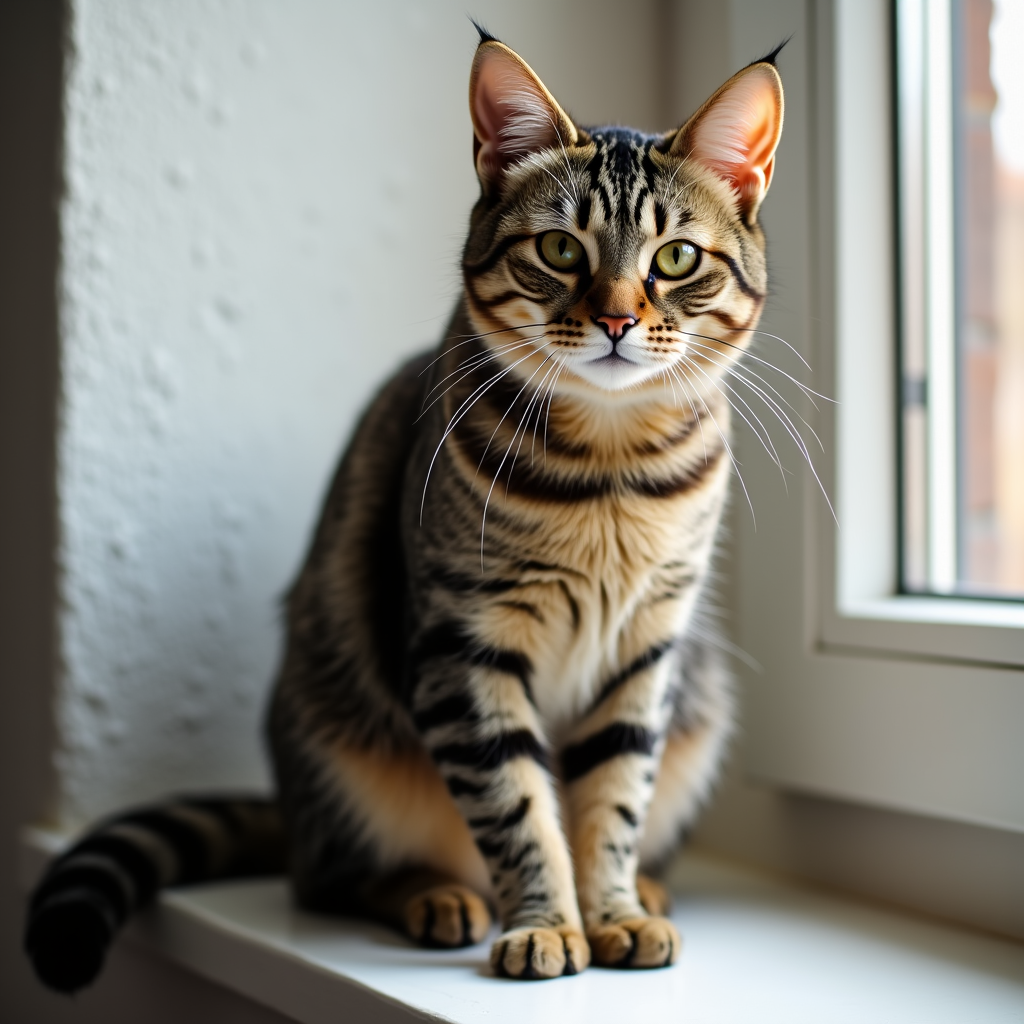
Beyond the skin-tent test, a hydrated cat shows:
- Clear, alert eyes (not sunken or dull)
- Glossy, smooth coat (not dry or brittle)
- Pink, moist gums
- Normal urination — 2-4 times daily, light yellow color
- Normal appetite and activity level
If urination drops below 2 times daily, gums turn dry, or coat appearance dulls, schedule a vet visit. Especially for older cats, kidney disease and diabetes (both common in cats over 10) can present first as hydration issues.
The practical setup veterinary nutritionists recommend
From Cornell Feline Health, AAHA, and WSAVA combined:
- Multiple water stations — One per cat, plus one extra. Different rooms.
- Away from food — Minimum 1-2 meters from food bowls.
- Wide ceramic or stainless — Avoid plastic.
- Refresh daily — Cats refuse stagnant water faster than dogs.
- One fountain in the mix — If your cat is drinking less than expected, a fountain often dramatically improves intake.
- Wet food primary — Aim for 50%+ of calories from wet food. Mandatory for cats with kidney or urinary history.
This is not optimization — these are the baseline recommendations from the three primary feline nutrition authorities in North America. Following this setup correlates with documented reductions in FLUTD, kidney issues, and dehydration episodes in domestic cats over 10 years of age.
Recommended water fountains for finicky drinkers
Veterinary internal medicine consensus: cats with chronic kidney disease drink 30-50% more from a circulating fountain than from a still bowl. These three picks cover most household sizes and noise tolerances.
PetSafe Drinkwell Platinum Pet Fountain (168 oz)
Price · $60-80 — large household pick
+ Pros
- · 168 oz capacity — fills once every 4-7 days for one cat
- · Free-falling stream encourages drinking; replaceable carbon filter
- · Adjustable flow rate to match cat preference
− Cons
- · Mid-sized footprint — measure your counter space
- · Pump requires weekly rinse to prevent biofilm
Paid affiliate link. Price, availability, and ratings can change; verify details on the retailer page before buying.
Catit Flower Cat Drinking Fountain (100 oz)
Price · $25-35 — best value, three-stream design
+ Pros
- · Three flow modes (gentle stream, bubbling top, calm pool)
- · Quietest pump in the under-$40 category
- · Replaceable triple-action filter (carbon + ion exchange)
− Cons
- · Smaller 100 oz capacity — refill every 3-4 days for one cat
- · Plastic build — some cats prefer ceramic / stainless
Paid affiliate link. Price, availability, and ratings can change; verify details on the retailer page before buying.
Veken Pet Fountain (84 oz, stainless steel top)
Price · $35-50 — stainless steel for hygiene-conscious owners
+ Pros
- · Stainless steel top resists chin acne better than plastic
- · Ultra-quiet pump (~25 dB at typical setting)
- · Includes 3 replacement filters in the box
− Cons
- · Smallest capacity of the three (84 oz)
- · Stainless top can amplify pump vibration if placed on hardwood
Paid affiliate link. Price, availability, and ratings can change; verify details on the retailer page before buying.
If your cat has had a chin acne flare, prioritize the Veken stainless model. For one-cat homes with a senior cat showing early CKD signs, the Drinkwell Platinum’s larger reservoir is worth the price premium for fewer refills.