Crate Training Puppies — 2026 Step-by-Step Evidence-Based Method
Crate training works through positive association, not confinement punishment. Here is the AVSAB-recommended protocol that produces a willing crate-going adult dog.
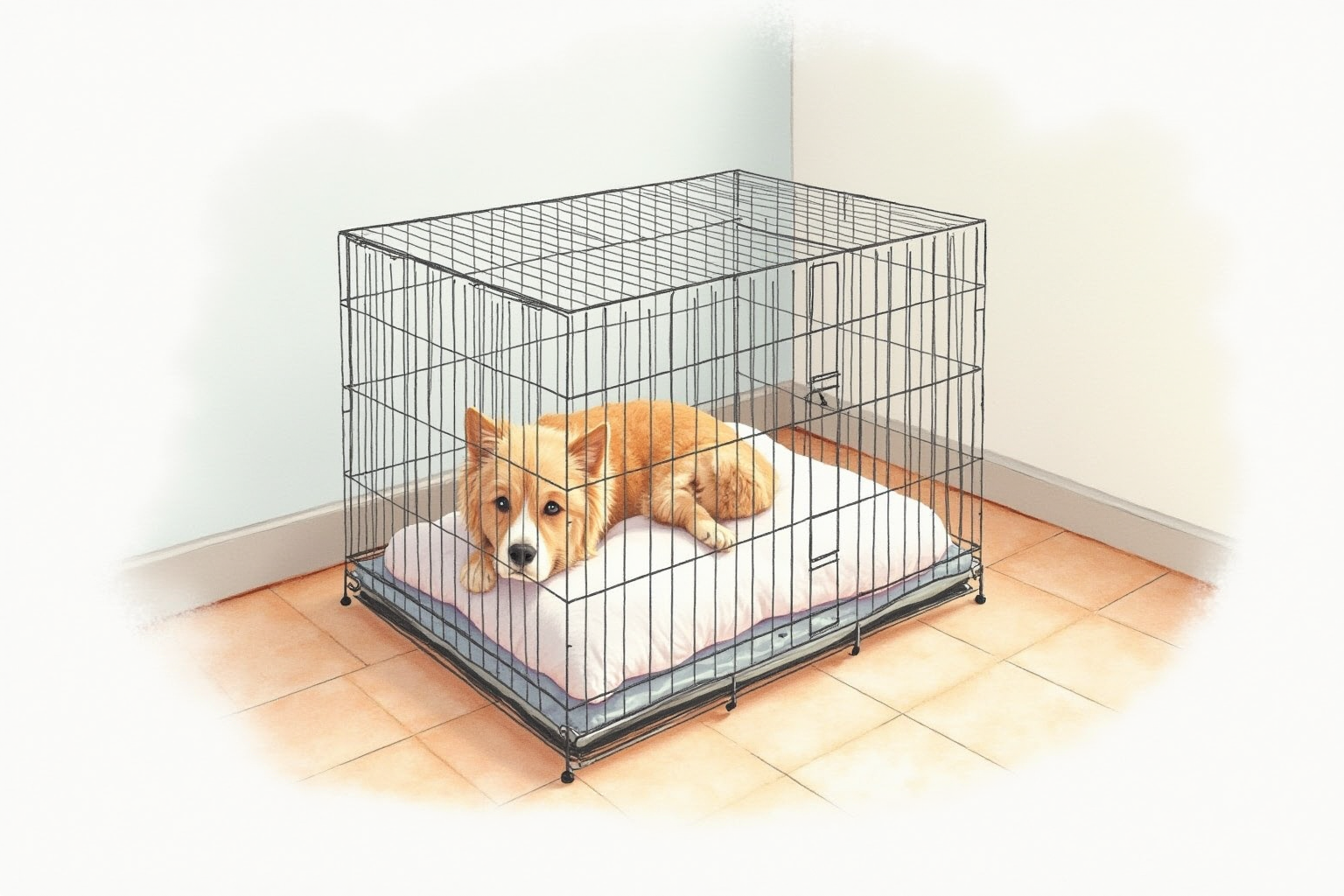
Crate training is one of the most-debated topics in dog training, with strong opinions on both sides. The American Veterinary Society of Animal Behavior (AVSAB) and most professional trainers strongly support properly-executed crate training as humane and beneficial. The opposing viewpoint conflates crate training with isolation punishment — a confusion that has caused many well-meaning owners to skip this valuable training tool.
This article explains the AVSAB-recommended protocol, common mistakes that turn good crate training into bad isolation, and the equipment that supports success. The conclusion is that properly executed crate training produces a dog who voluntarily uses the crate as a safe space, simplifies house training dramatically, and prevents many common behavior problems.
- The behavioral science behind crate training
- Step-by-step protocol from first introduction to overnight
- How long puppies can be crated by age
- Common mistakes that create crate aversion
- Top picks across $40-150 budget range
The behavioral science
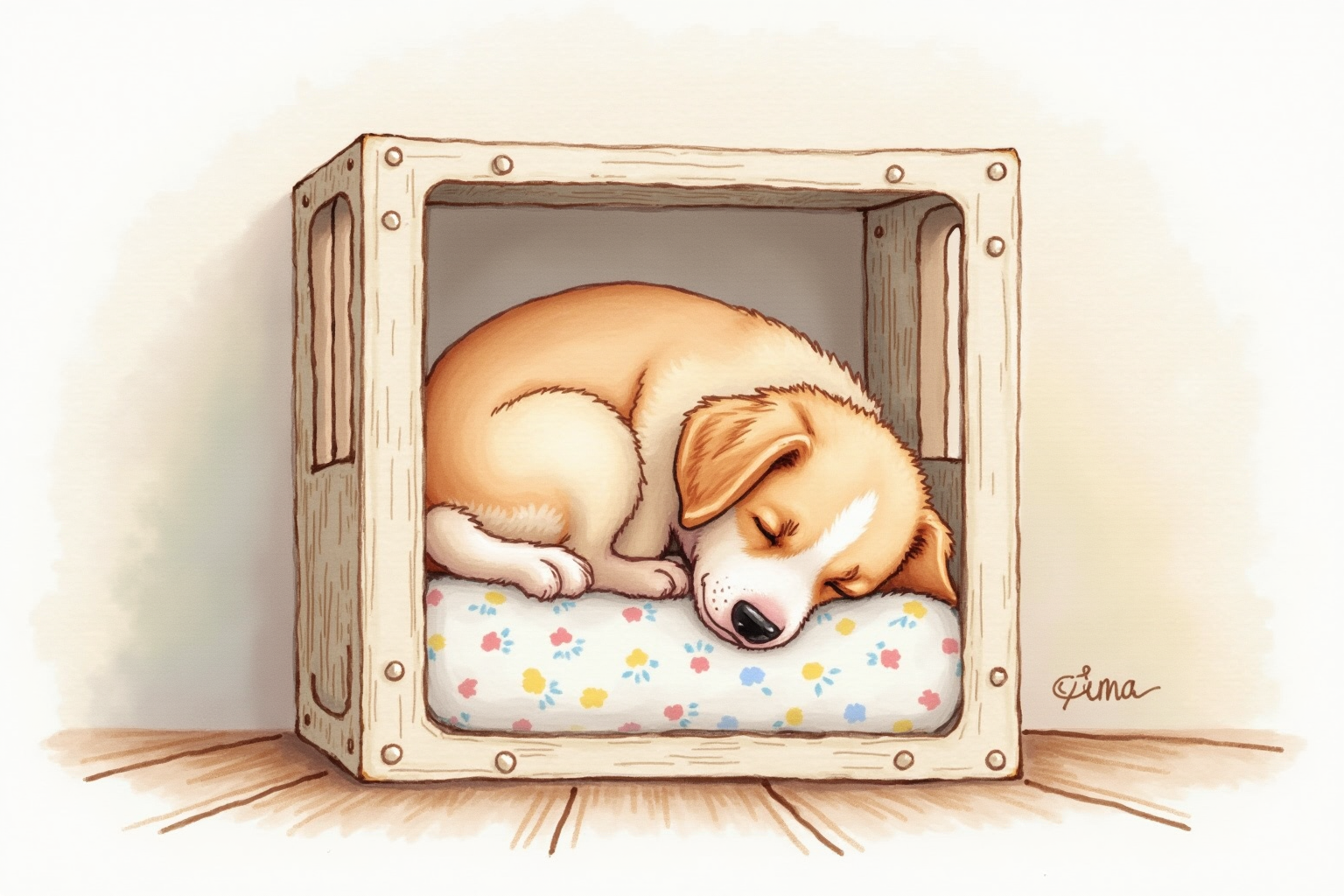
Dogs are den animals by nature — wild canines naturally seek enclosed, protected spaces for sleep and refuge. Modern crates leverage this instinct, providing a safe space that mimics natural den behavior.
When properly introduced, the crate becomes the dog’s:
- Sleep area (where they choose to rest during the day)
- Safe space (where they retreat when stressed or overwhelmed)
- House training tool (most dogs won’t soil their sleeping area)
- Travel space (familiar environment during car rides or vet visits)
- Containment for safety (preventing destructive chewing or wandering)
The behavioral mechanism: positive association. The crate consistently associates with good things — meals, treats, chew toys, sleep, your calm presence — so the dog perceives it as positive. Once that association is established, the dog seeks out the crate voluntarily.
The opposite mechanism — using the crate for punishment or extended isolation — creates aversive association. The dog learns the crate signals bad experiences and resists going in. Once this pattern develops, it’s very hard to reverse.
The difference between “humane crate training” and “abusive isolation” is entirely about how the crate is introduced and used. The crate itself is neutral; the experience the dog has in it determines whether it’s beneficial or harmful.
Step-by-step protocol
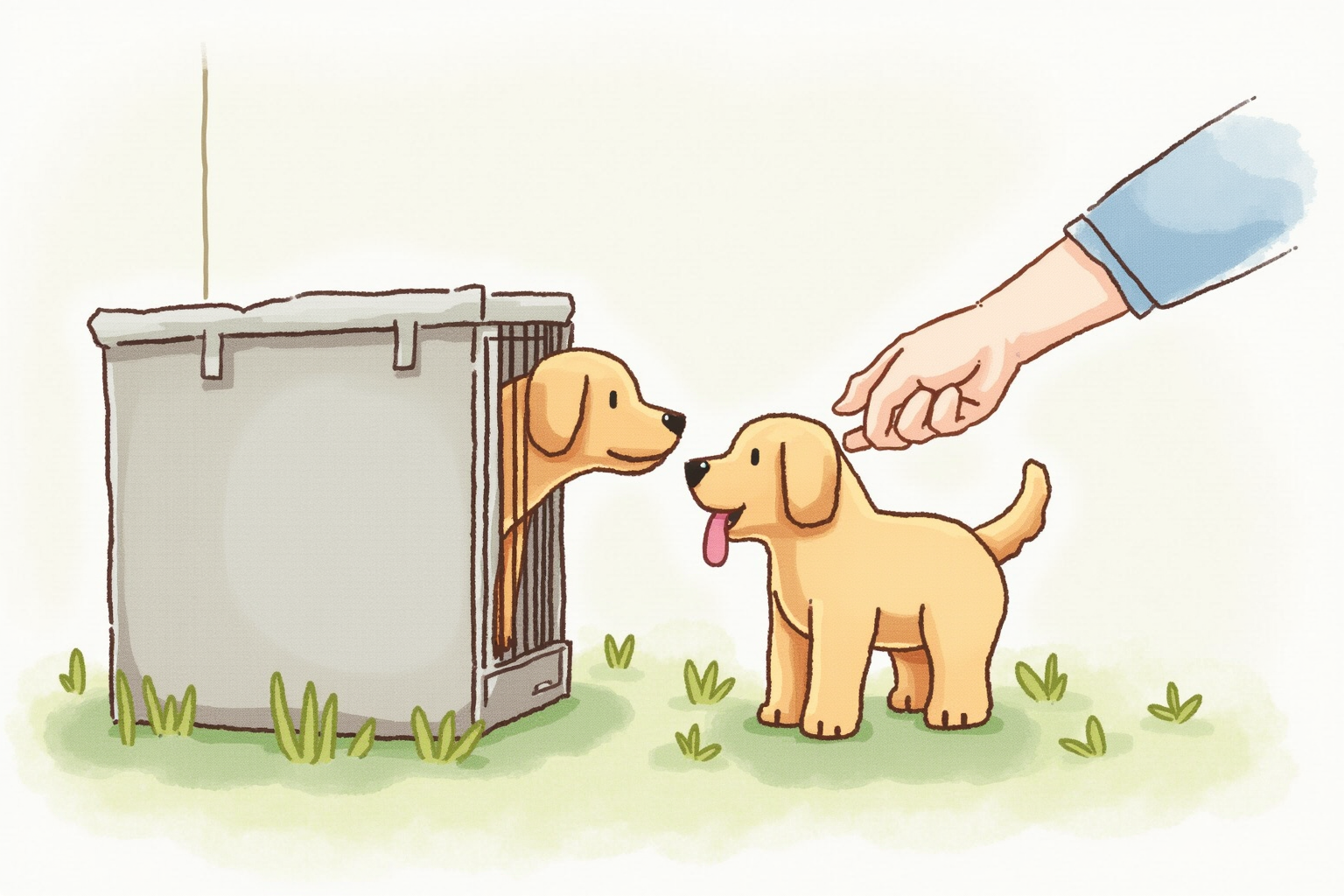
Week 1: Introduction (5-10 minutes per session)
Setup: Place the crate in a high-traffic family area. Leave the door open. Put a comfortable bed or blanket inside.
Day 1-3: Place treats just inside the crate door. Let the puppy investigate freely. Don’t push them in; let them go at their own pace. Praise quietly when they enter.
Day 4-7: Feed meals inside the crate with the door open. The puppy associates the crate with food (a strongly positive association). Gradually close the door for 1-2 minutes while they eat, then open it.
Week 2: Short sessions with you nearby (15-30 minutes)
Give the puppy a Kong toy stuffed with peanut butter or kibble. Close the door. Stay in the room reading or working. The Kong keeps them occupied and creates strong positive association.
Gradually extend the time. By end of week 2, the puppy should be calm in the crate for 30-minute sessions while you’re nearby.
Week 3: You leave the room (30 minutes to 2 hours)
Now you start leaving the room — first for 5 minutes, then 15, then 30 minutes. The puppy is alone in the crate but in a familiar environment.
Most puppies have a brief whining episode the first time you leave. Wait until they’re quiet for 30 seconds, then return. Don’t return mid-whine — this teaches that whining brings you back.
Week 4+: Building duration
Extend crate time gradually based on the puppy’s age (max 4 hours during work hours). Overnight crating typically starts at 12-16 weeks when puppies can hold their bladder all night.
Adult dogs and rescues: Use the same protocol but expect it to take longer if there are prior negative associations. Some rescue dogs with crate trauma require 2-3 months of careful re-introduction.
How long is appropriate?
Puppy age vs maximum crate duration:
- 8-10 weeks: 1-2 hours maximum
- 10-12 weeks: 2-3 hours
- 12-16 weeks: 3-4 hours
- 4-6 months: 4-5 hours
- 6+ months: up to 6-8 hours (with breaks)
Adult dogs can manage 6-8 hours total per day, but should not be crated 8+ consecutive hours. For long workdays, arrange a midday potty break via dog walker, pet sitter, family member, or doggy daycare.
The “hours = age in months + 1” rule is a useful starting heuristic but individual variation matters. Some puppies hold their bladder longer; some need shorter intervals. Monitor your specific puppy’s tolerance.
Common mistakes
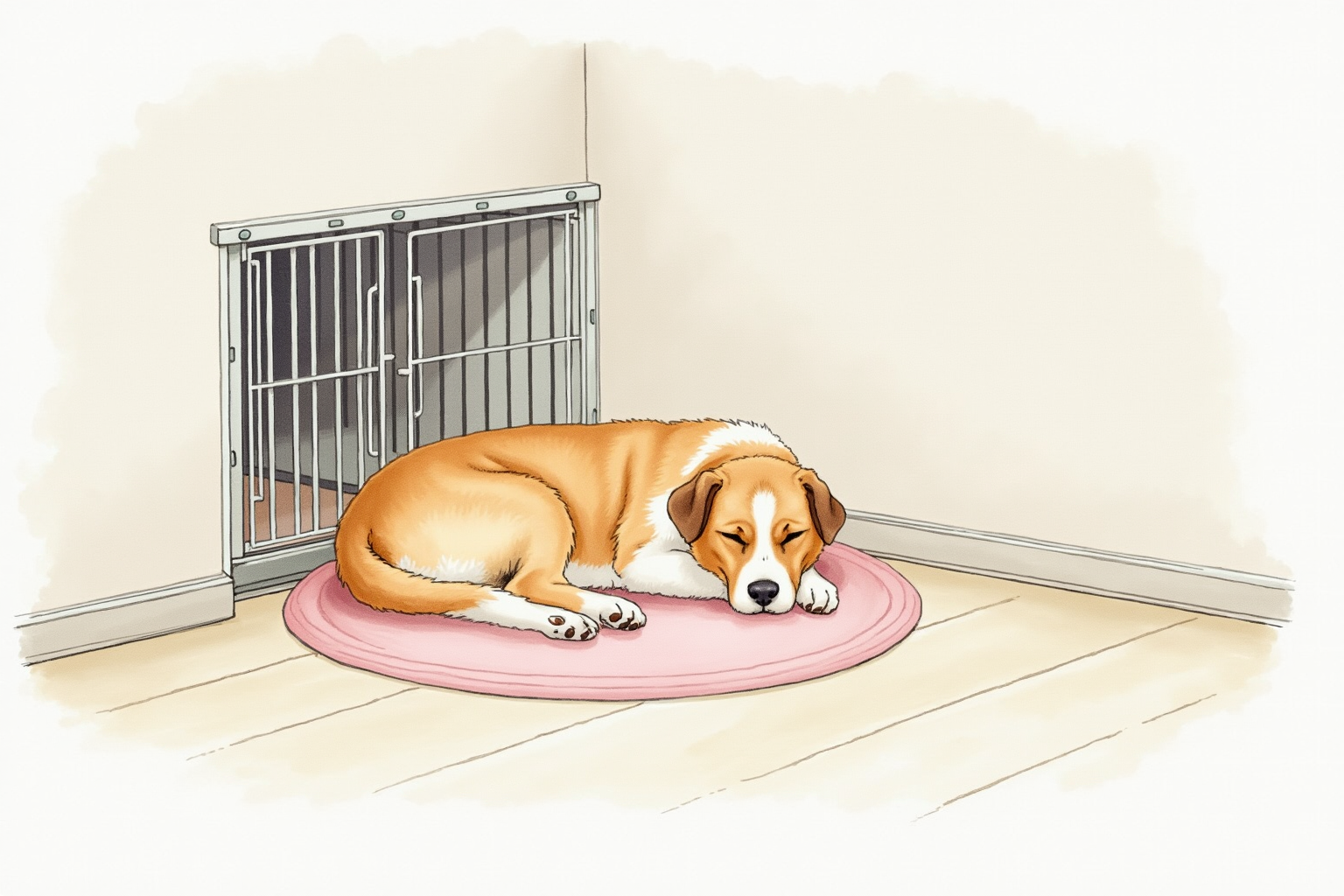
Using the crate as punishment: “Bad dog, go to your crate!” creates negative association. Never use the crate as a consequence for misbehavior. Manage the misbehavior separately.
Too-large crate during house training: Puppy uses one corner for potty, sleeps in another. Buy adult-size crate with adjustable divider; size correctly for current weight.
Crating before exercise: Tired dogs settle into crates calmly; over-energized dogs whine and struggle. Always exercise before crating.
Returning to whining: Teaches dog that whining brings reward. Wait for 30-60 seconds of quiet before returning. Use Kong toys to prevent whining in the first place.
Excessive isolation: 10+ hour crate days without breaks. Even if logistically necessary occasionally, the cumulative effect is harmful. Arrange relief.
Skipping the introduction phase: Immediately leaving for hours teaches that crate = abandoned. Always start with short positive sessions while you’re nearby.
Top picks for crate training
MidWest iCrate Folding Metal Wire Crate
Price · $50-90 — best wire crate pick
+ Pros
- · Folds flat for storage and travel
- · Adjustable divider for growing puppies
- · Multiple sizes (22-48 inches) for all dog breeds
− Cons
- · Wire bars can pinch fingers when folding
- · Some dogs prefer enclosed-style crates psychologically
Paid affiliate link. Price, availability, and ratings can change; verify details on the retailer page before buying.
Frisco Plastic Pet Carrier (Hard-Sided)
Price · $60-130 — best enclosed-style pick
+ Pros
- · More den-like enclosed feel that many dogs prefer
- · Airline-approved for travel
- · More durable than wire crates for chewing dogs
− Cons
- · Doesn't fold for storage
- · Limited size selection vs wire crates
Paid affiliate link. Price, availability, and ratings can change; verify details on the retailer page before buying.
Kong Classic Rubber Chew Toy (Large)
Price · $15-25 — best crate companion toy
+ Pros
- · Stuff with frozen peanut butter for 30-60 minutes of engagement
- · Nearly indestructible — survives most chewers
- · Becomes positive crate association after just a few uses
− Cons
- · Sizing matters — too small can be swallowed; too large is unusable
- · Requires cleaning to prevent food bacterial buildup
Paid affiliate link. Price, availability, and ratings can change; verify details on the retailer page before buying.
The buying decision
For most puppies and dogs, the MidWest iCrate plus a Kong Classic at $60-110 covers the complete crate training setup. The wire crate’s adjustable divider grows with the puppy, the Kong provides the positive association during crate time, and the total budget is reasonable.
For dogs that prefer enclosed spaces or for households with destructive chewers, the Frisco plastic crate at $60-130 is a sturdier alternative. The enclosed feel works better for some dogs psychologically.
For training success, the equipment is less important than the process. Even a $30 wire crate from a thrift store works fine if you follow the proper introduction protocol. The most expensive crate combined with poor introduction technique produces a crate-averse dog.
Avoid Crating before proper introduction. The most common cause of crate training failure is rushing to extended duration before establishing positive association. Patient 2-4 week introduction produces a dog who chooses the crate voluntarily for years.
Properly executed crate training is one of the highest-leverage interventions for puppy management. House training becomes manageable, destructive behavior in absence is prevented, and the dog gains a safe space they can retreat to throughout their life. The 2-4 week investment in proper training pays back many years of benefits.