Dog Leptospirosis, Floodwater, and Wildlife Risk Plan for 2026
A practical dog-owner plan for leptospirosis risk after rain, floodwater, rodents, wildlife exposure, vaccination conversations, and when to call a veterinarian.
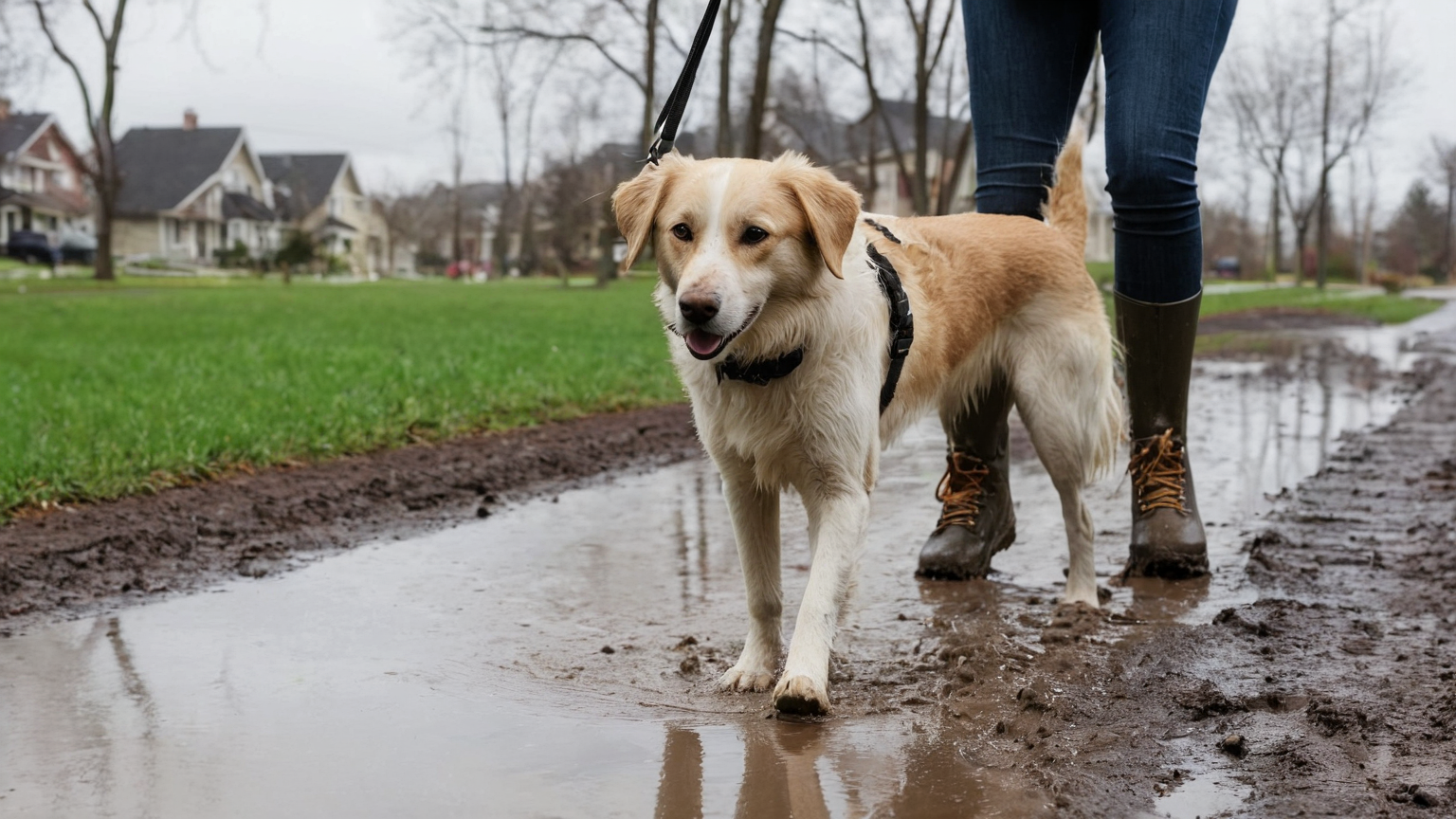
Updated June 3, 2026. Leptospirosis is one of those pet-health topics that sounds rare until the weather, wildlife, and walking route line up: heavy rain leaves standing water, rodents and other wildlife move through the same spaces, and a dog wants to sniff or drink from every puddle. This guide turns current public veterinary and public-health sources into a practical home plan for dog owners. It is educational, not a diagnosis or a substitute for your veterinarian.
Quick decision table
| Situation | Safer owner move | Why it matters |
|---|---|---|
| Dog drinks from puddles, ditches, ponds, or floodwater | Interrupt, offer clean water, note the exposure | Leptospira bacteria can be associated with water or soil contaminated by urine from infected animals |
| Heavy rain, flooding, or muddy parks | Choose dry routes and rinse/dry paws afterward | Lowering exposure is easier than interpreting vague early symptoms |
| Urban rodents, rural wildlife, or farm-adjacent walks | Ask your vet about local risk and vaccination fit | Risk is geographic and lifestyle-based, not just “outdoor dog” versus “indoor dog” |
| Fever, vomiting, lethargy, appetite loss, jaundice, painful movement, or increased thirst/urination | Call a veterinarian promptly and mention possible water/wildlife exposure | Signs can overlap with many illnesses; early veterinary triage matters |
| Household has children, older adults, pregnant people, or immunocompromised people | Use hygiene precautions and veterinary guidance if illness is suspected | Leptospirosis is zoonotic, so owner safety is part of the plan |
What leptospirosis risk looks like at home
Leptospirosis is caused by bacteria that can infect animals and people. Dogs may be exposed through contaminated water, wet soil, or contact with urine from infected wildlife or livestock. The point for owners is not to panic after every rainy walk; it is to recognize the pattern: standing water plus animal urine risk plus a dog that drinks, wades, hunts, or investigates with its nose close to the ground.
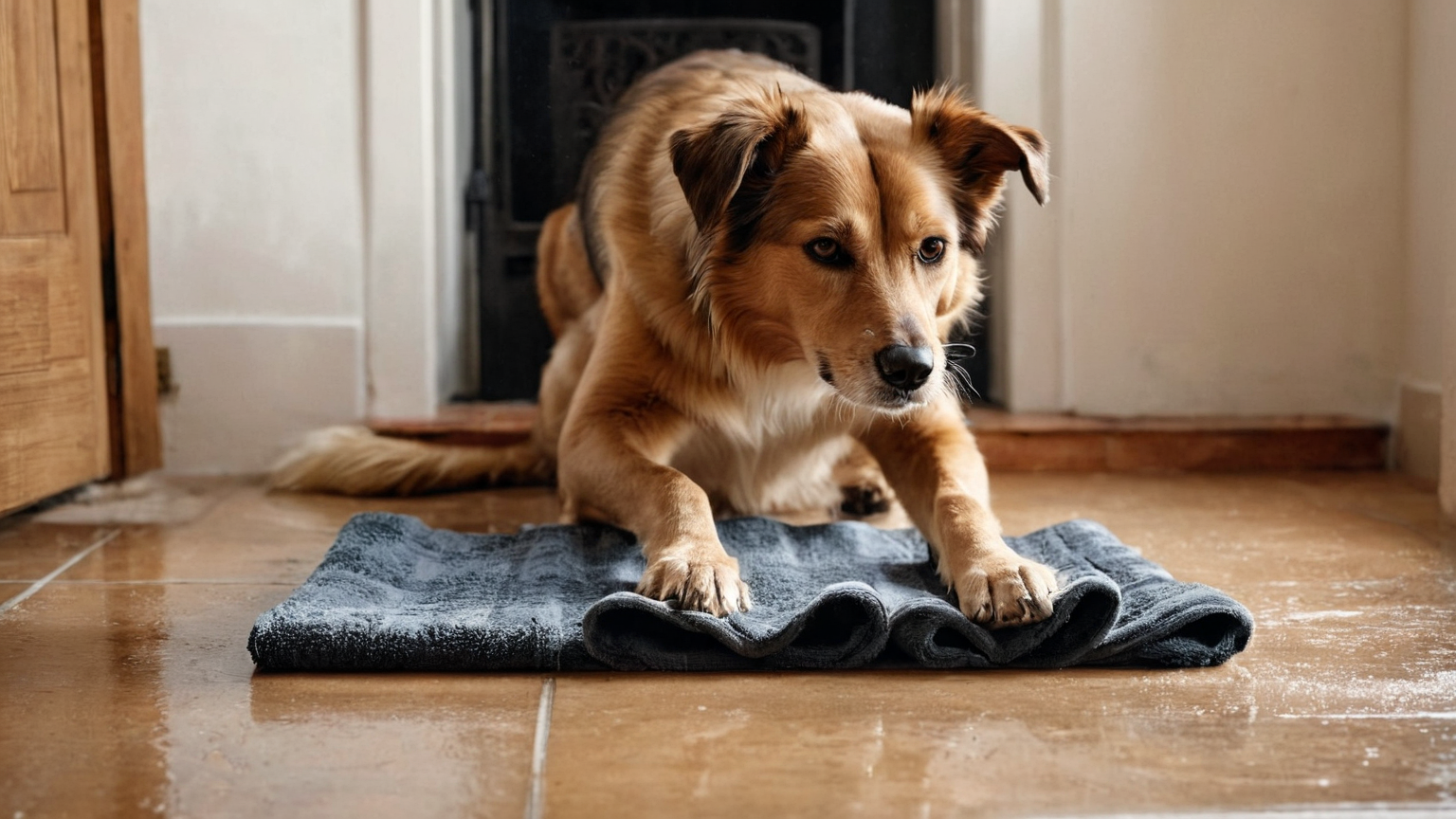
A practical plan starts before symptoms. Carry clean water so your dog is less tempted by puddles. Keep walks on dry, paved, or well-drained routes after storms. Do not let dogs swim in or drink from floodwater, drainage ditches, retention ponds, or muddy runoff. After a wet walk, dry paws and belly fur, check for cuts, and wash your hands after handling wet gear.
Vaccination is a risk conversation, not a slogan
AAHA vaccination guidance treats leptospirosis as a vaccine decision to discuss with your veterinarian based on exposure and local disease patterns. Some practices recommend it broadly because wildlife and urban rodent exposure can be hard to avoid; others tailor it to neighborhood risk, travel, hiking, daycare, farm contact, or outbreak history. Ask what strains the clinic is seeing locally, how often boosters are recommended for your dog, and what side effects should prompt a call.
If your dog has had vaccine reactions, chronic disease, or a complex medication history, bring that context. The best answer is specific: your dog’s age, medical history, travel, yard, local wildlife, and water habits. Do not use the internet to decide that your dog “doesn’t need it” or “must have it” without local veterinary input.
Route changes that reduce exposure
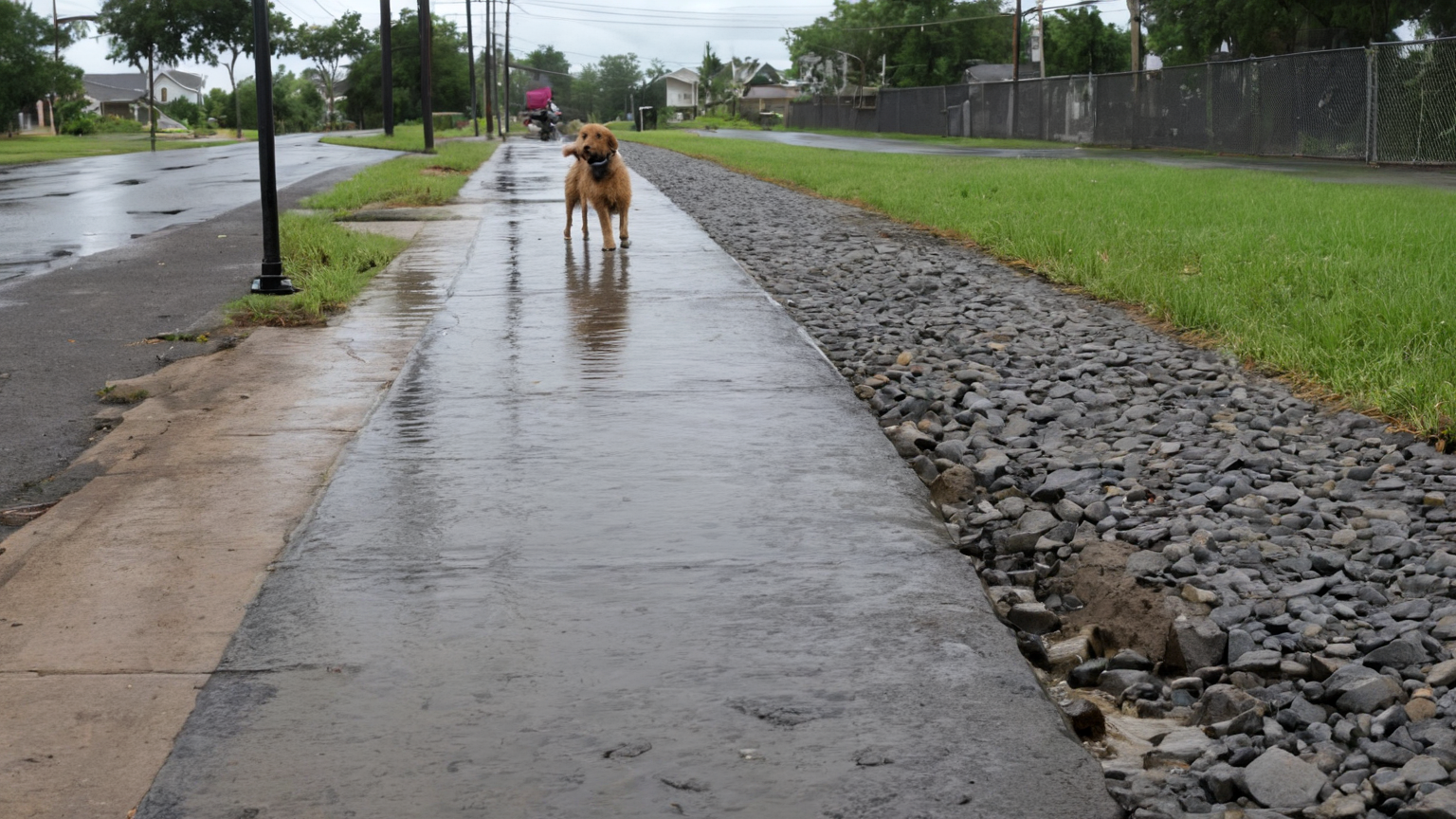
After heavy rain, the safest walk is often the boring one. Pick higher ground, sidewalks that drain well, and routes where your dog can pass puddles without stepping into them. Avoid dog-park low spots, flood debris, stagnant water at construction sites, and places where trash, rodents, or wildlife tracks are obvious. A short leash is useful because it prevents the one-second puddle drink that happens before you can react.
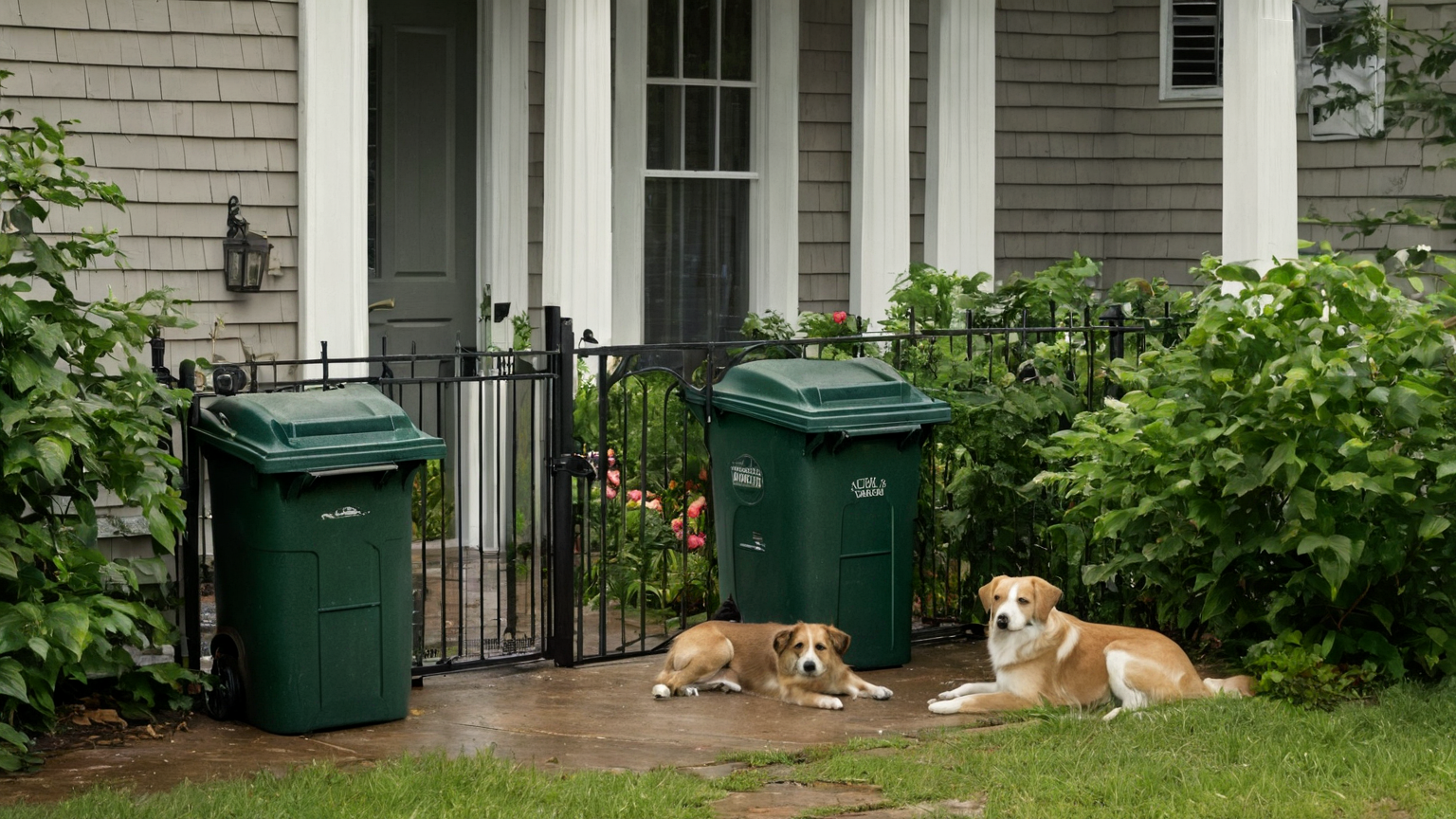
Yard habits matter too. Secure trash cans, remove standing water where practical, discourage rodents, and avoid leaving food outside. If your yard floods repeatedly, create a dry potty route or temporary leashed area until the ground drains. For dogs that love water, treat storm runoff differently from a clean, supervised activity area.
When to call the veterinarian
Call promptly if your dog seems suddenly ill after possible exposure, especially with feverish behavior, vomiting, diarrhea, weakness, stiffness, loss of appetite, yellowing eyes or gums, increased thirst or urination, or unusual lethargy. These signs are not specific to leptospirosis, which is exactly why a veterinarian should triage them. Mention the timeline: where the dog walked, whether it drank from standing water, wildlife or rodent exposure, travel, vaccination status, and any other pets in the home.
Do not start leftover antibiotics, induce vomiting, or rely on home remedies. If your veterinarian suspects leptospirosis, they may discuss testing, treatment, isolation and cleaning precautions, and public-health considerations. Follow their instructions about urine cleanup, gloves, handwashing, laundry, and protecting people in the household.
A seven-day post-storm owner routine
- Day of storm: choose dry potty breaks, skip floodwater routes, and secure trash.
- Next walk: carry clean water and interrupt puddle drinking.
- After walk: towel-dry paws and belly; wash hands.
- Daily: watch appetite, energy, drinking, urination, vomiting, diarrhea, or stiffness.
- If signs appear: call the veterinarian and describe water/wildlife exposure.
- Before travel or hiking: ask whether the destination changes vaccine or prevention advice.
- At the next wellness visit: review local leptospirosis risk and booster timing.
Cleaning and household hygiene after a risky walk
After floodwater exposure, separate normal muddy-dog cleanup from a higher-risk situation. Use gloves if you are handling soaked towels, bedding, crates, or leashes that may be contaminated with floodwater or urine from wildlife areas. Rinse gear outside when practical, launder washable items with detergent, and keep children away from wet leashes, shoes, and entry mats until they are cleaned. If your dog is ill or your veterinarian is evaluating possible leptospirosis, follow the clinic’s instructions rather than improvising disinfectant choices around pets.
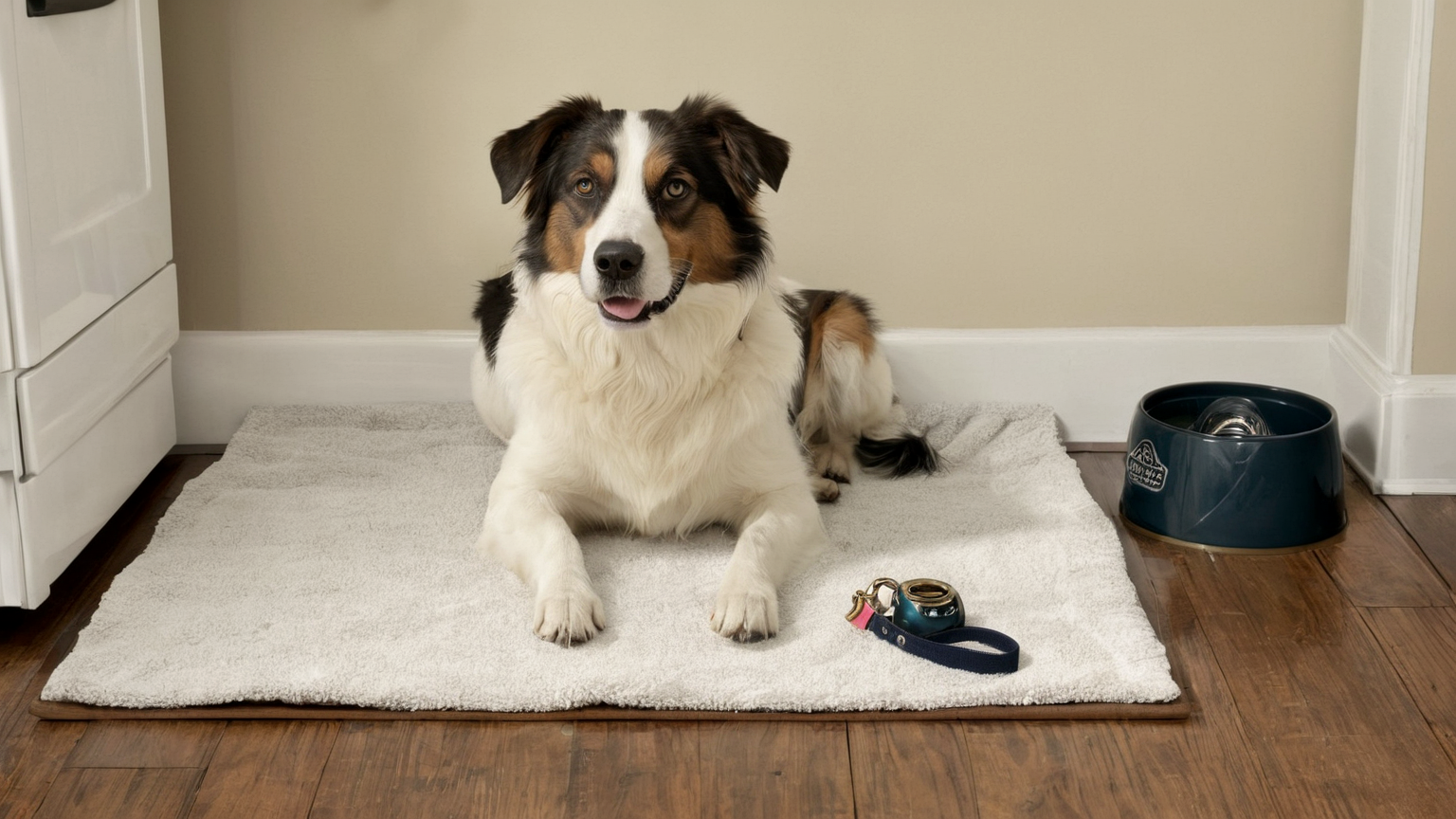
The home entry station can be simple: a washable mat, dedicated towels, clean drinking water, a leash hook, and a small notebook or phone note for exposures. Write down the date, location, whether your dog drank or waded, and any symptoms. That record helps you avoid vague phone calls such as “he was near water sometime this week” and gives your veterinarian a better timeline. It also prevents overreacting to every puddle, because you can distinguish a quick damp sidewalk from a genuine floodwater or stagnant-water exposure.
Multi-pet homes need extra attention. If one dog is being watched for illness, do not let other pets lick the same muddy towels or drink from the same outdoor puddles. Keep indoor water bowls full so pets are not tempted by questionable sources outdoors. For apartment dwellers, the risk plan may focus on shared courtyards, trash rooms, parking-lot puddles, and stairwell entry mats. For rural owners, it may focus on ponds, livestock areas, drainage ditches, and wildlife trails. The principles are the same: reduce contact with risky water, keep hygiene boring and consistent, and ask for veterinary guidance early when symptoms appear.
Questions to bring to your veterinary team
A good leptospirosis appointment is specific. Instead of asking only, “Is lepto common here?” bring a short list: where your dog walks after storms, whether your neighborhood has rodents or wildlife, whether your dog visits parks, ponds, daycare, boarding, hiking trails, farms, or travel destinations, and whether your dog has any vaccine-reaction history. Ask how the clinic thinks about local risk, what vaccine schedule they recommend for your dog’s age and lifestyle, and what side effects or symptoms should prompt a same-day call.
If your dog recently had a possible exposure, ask what timeline the clinic wants you to watch and whether they want a phone update even if symptoms are mild. If your dog is already sick, mention leptospirosis only as one possible exposure concern; do not anchor on it so strongly that other urgent causes are missed. Vomiting, lethargy, feverish behavior, painful movement, jaundice, appetite loss, and changes in drinking or urination deserve professional triage because many illnesses can look similar at home.
Also ask how to protect people in the household if leptospirosis is suspected. The answer may include gloves for urine cleanup, careful handwashing, separate laundering, avoiding contact between children and soiled materials, and following veterinary instructions about medication and rechecks. This is not about fear; it is about making the next 24 to 72 hours orderly. Clear notes, clean routines, and early calls help your veterinarian make safer decisions and help your household avoid preventable exposure while your dog is being assessed.
What this improves for AdSense readiness
This article is policy-safe helpful content: it avoids diagnosis claims, does not promote unverified treatments, uses official and veterinary references, gives concrete owner actions, and reinforces professional care when symptoms appear. The next content gap for PetWellHub is a companion guide on safe yard cleanup after floods that covers disinfectants, paw irritation, and when to keep pets indoors.