Dog Paw Burn Hot Pavement Summer Plan: Walk Timing and Vet Red Flags
Dog Paw Burn Hot Pavement Summer Plan: Walk Timing and Vet Red Flags with practical steps, current-source caveats, checklists, and safe decision points.
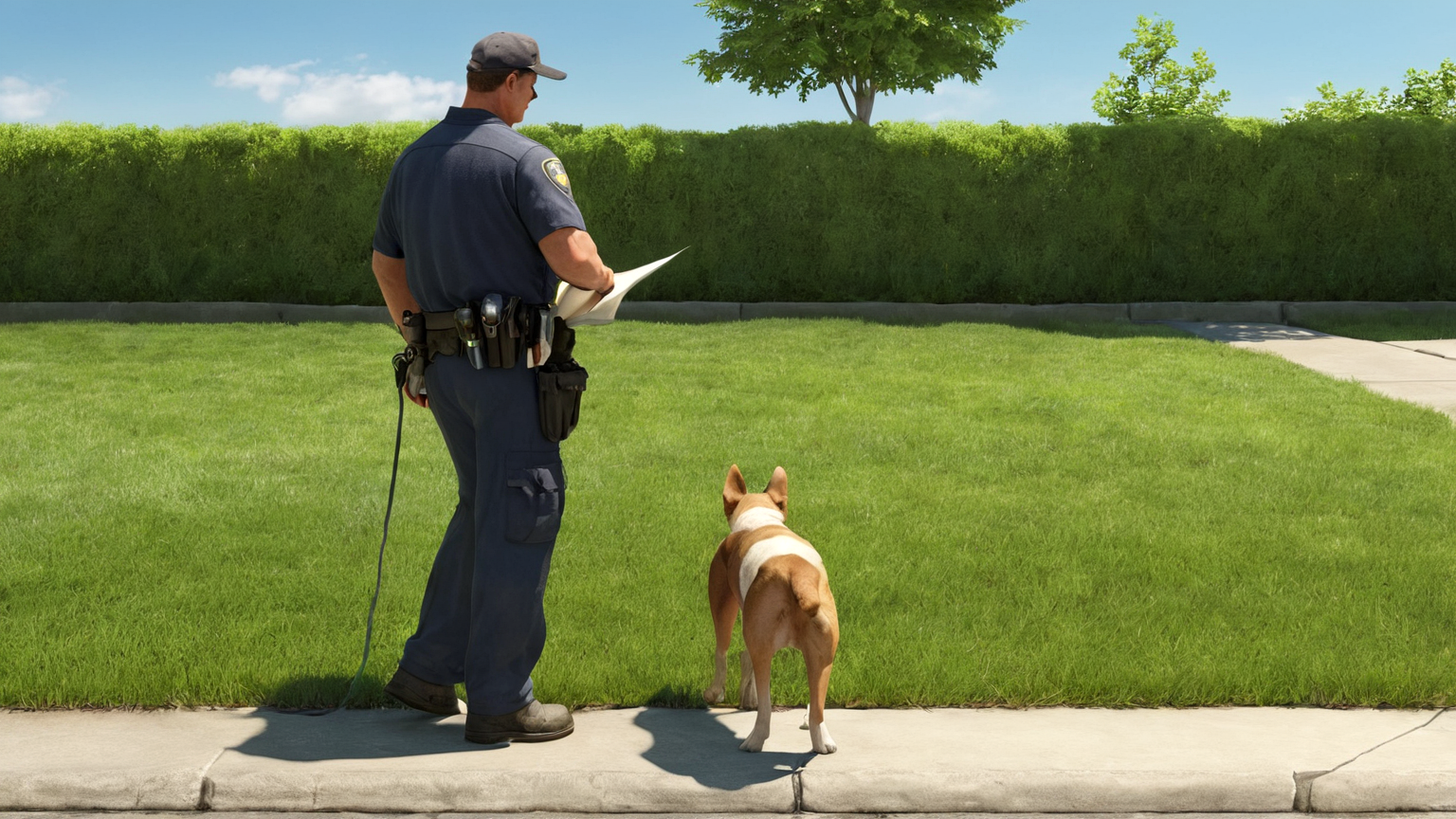
This guide is current as of 2026-06-08 and is designed to preserve helpful-content and AdSense readiness: practical steps, conservative claims, clear caveats, and no affiliate filler.
Quick decision table
| Decision | Safer default | Why it matters |
|---|---|---|
| First check | Verify the official rule or health/safety limit | Prevents stale advice |
| Timing | Plan before the stressful moment | Reduces rushed choices |
| Documentation | Keep a simple record | Supports recovery and accountability |
| Escalation | Know when to ask a professional | Avoids guessing in high-stakes cases |
| Review | Repeat monthly or seasonally | Keeps the plan current |
Step 1: Hot pavement is a summer hazard that many dog owners notice only after a walk has already gone wrong
Hot pavement is a summer hazard that many dog owners notice only after a walk has already gone wrong. The practical goal is to build a repeatable plan for when to walk, which surfaces to avoid, what to carry, how to inspect paws, and when a veterinarian should be called. Add a short dog-walk note for your household: surface checked, time of walk, shade route, paw condition, and any veterinary red flags. Compare the note with the cited source when heat guidance changes, and avoid relying on rumors, screenshots, or outdated social posts.
Step 2: Use timing before gear
Use timing before gear. Walk before surfaces have stored hours of sun, use evening only after the ground has actually cooled, and treat parking lots, blacktop paths, metal grates, truck beds, and artificial turf as higher-risk surfaces. Add a short dog-walk note for your household: surface checked, time of walk, shade route, paw condition, and any veterinary red flags. Compare the note with the cited source when heat guidance changes, and avoid relying on rumors, screenshots, or outdated social posts.
Step 3: Map your neighborhood by surface, not by distance
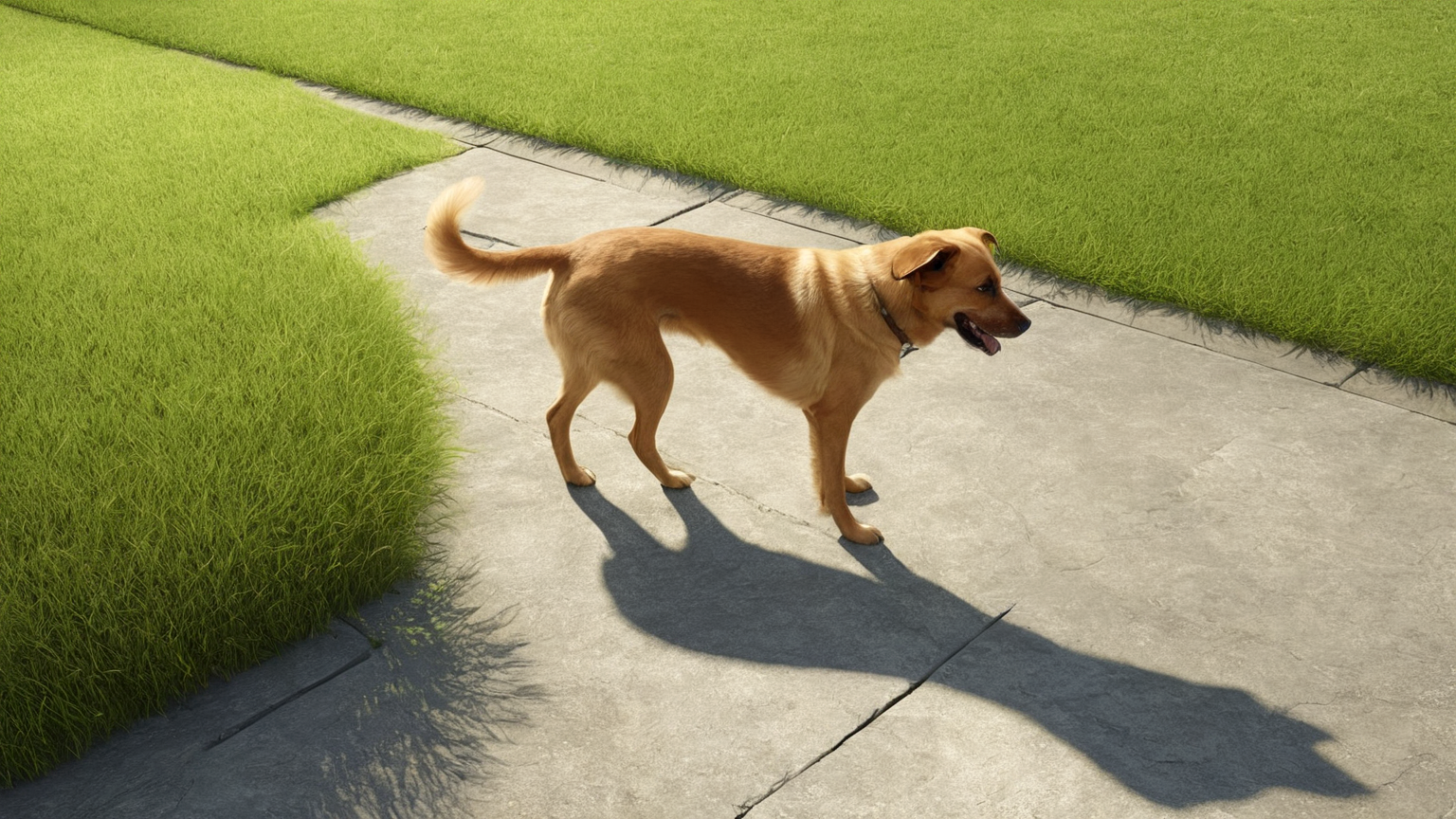
Map your neighborhood by surface, not by distance. Mark shaded sidewalks, grass strips, tree cover, water access, and roads that force long asphalt crossings. Add a short dog-walk note for your household: surface checked, time of walk, shade route, paw condition, and any veterinary red flags. Compare the note with the cited source when heat guidance changes, and avoid relying on rumors, screenshots, or outdated social posts.
Step 4: Booties can help on hot or rough surfaces, but they are not magic
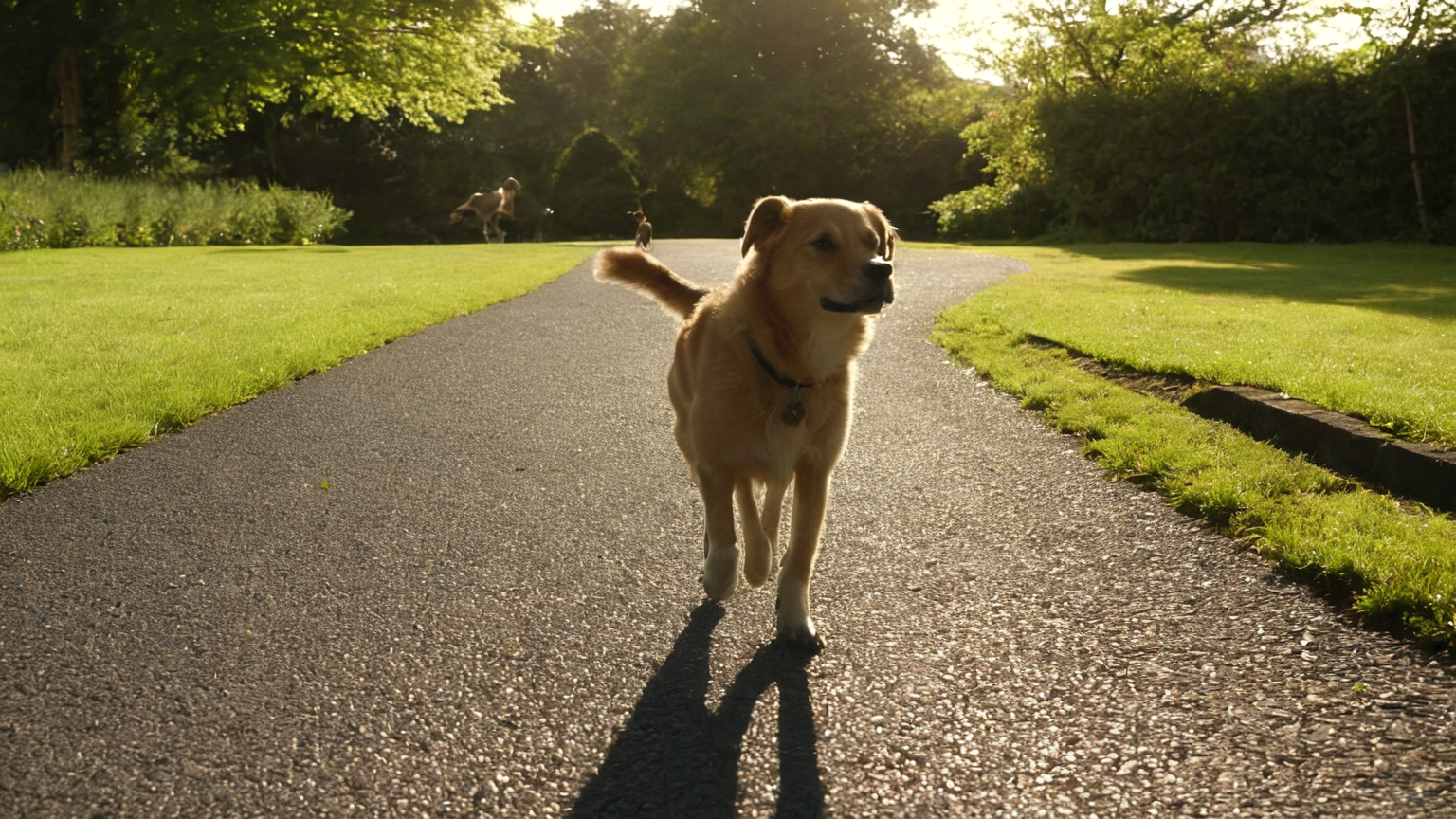
Booties can help on hot or rough surfaces, but they are not magic. They must fit, stay on, and let the dog walk normally. Paw balms do not make unsafe pavement safe. Add a short dog-walk note for your household: surface checked, time of walk, shade route, paw condition, and any veterinary red flags. Compare the note with the cited source when heat guidance changes, and avoid relying on rumors, screenshots, or outdated social posts.
Step 5: At home, check each paw pad, the edges of the pads, and between toes
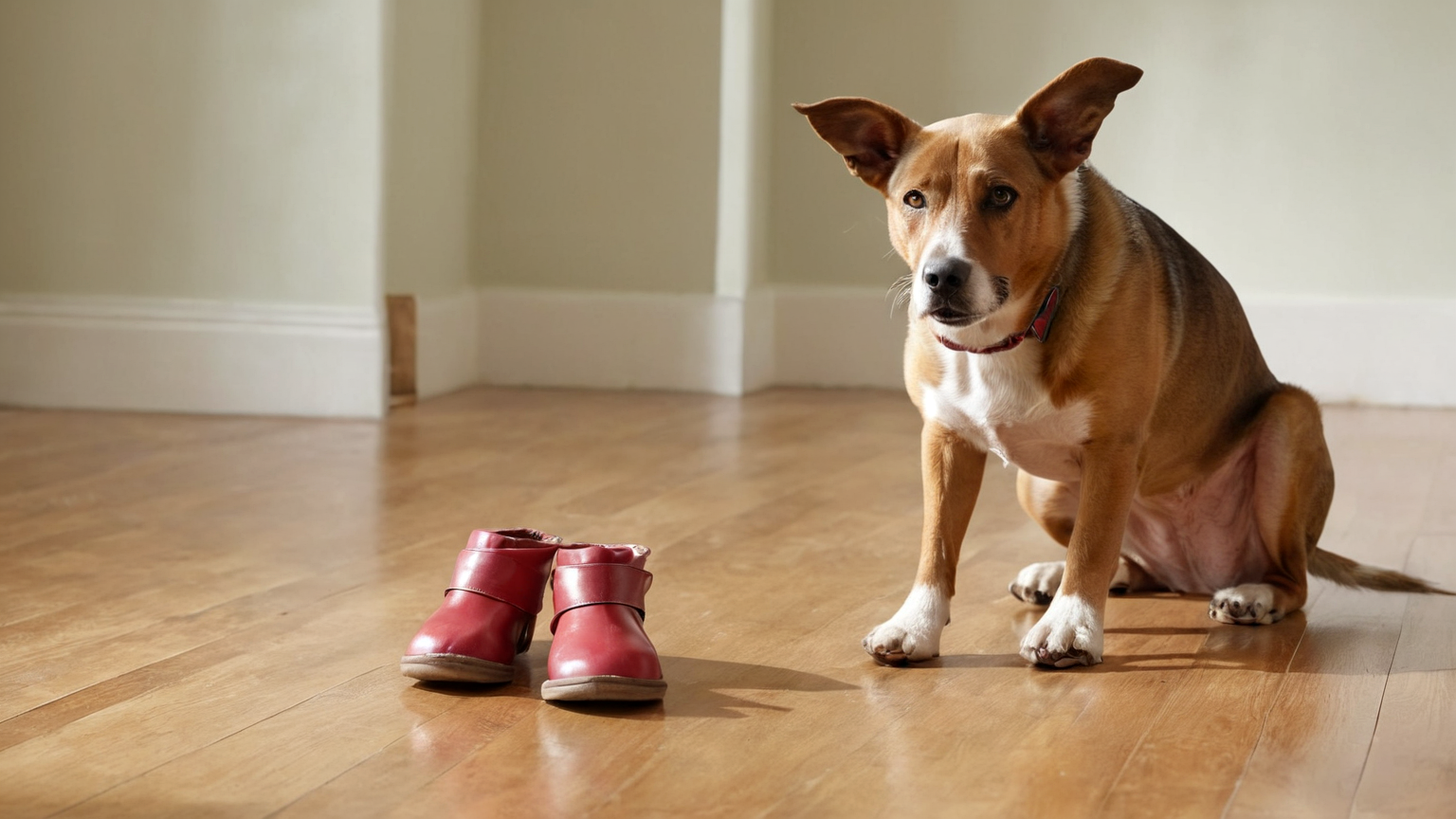
At home, check each paw pad, the edges of the pads, and between toes. Look for redness, swelling, blisters, peeling, cuts, or sudden licking. Add a short dog-walk note for your household: surface checked, time of walk, shade route, paw condition, and any veterinary red flags. Compare the note with the cited source when heat guidance changes, and avoid relying on rumors, screenshots, or outdated social posts.
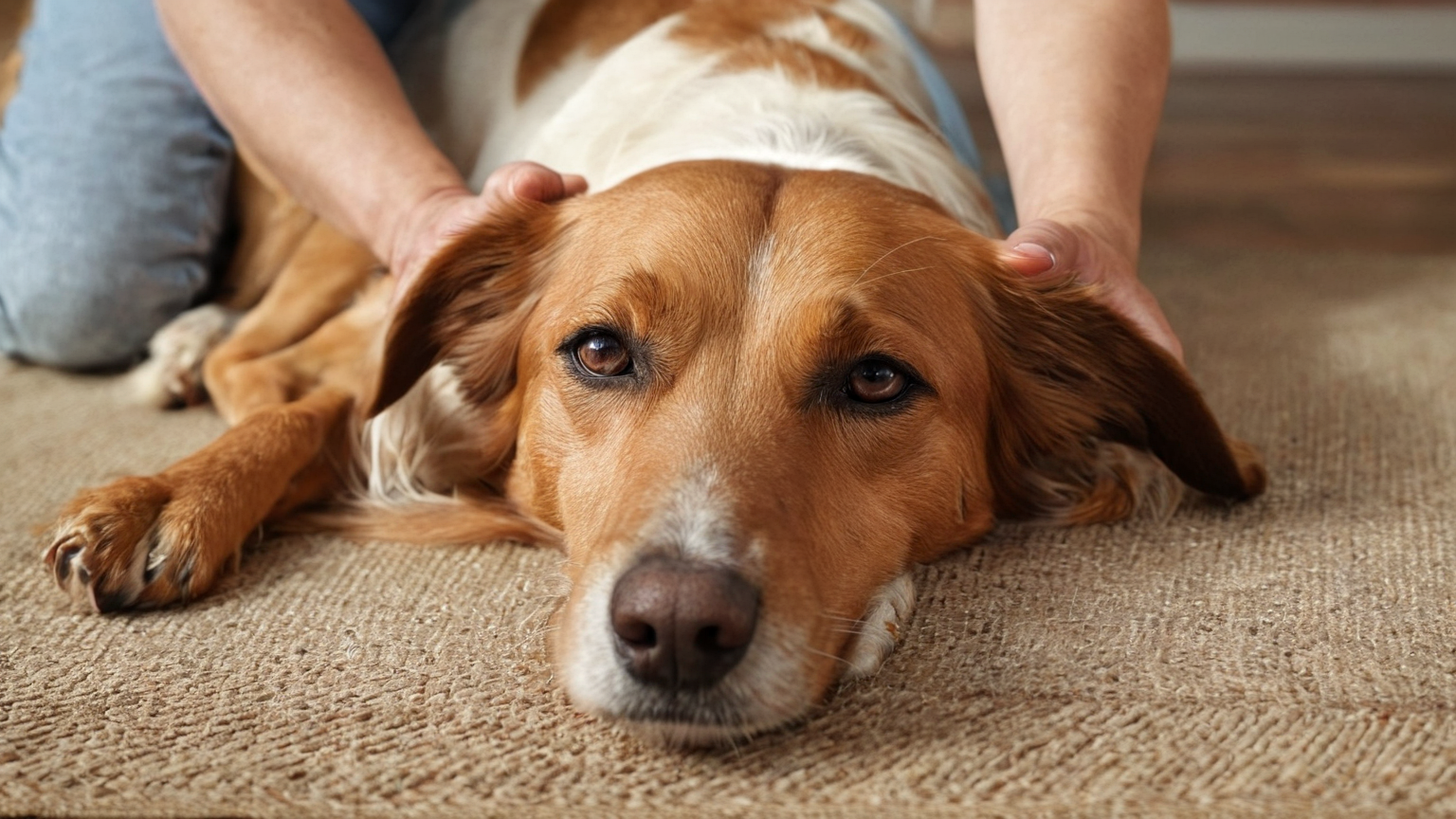
Step 6: Call a veterinarian promptly for blisters, open wounds, bleeding, severe limping, burns on multiple paws, persistent licking, or heat illness signs
Call a veterinarian promptly for blisters, open wounds, bleeding, severe limping, burns on multiple paws, persistent licking, or heat illness signs. Add a short dog-walk note for your household: surface checked, time of walk, shade route, paw condition, and any veterinary red flags. Compare the note with the cited source when heat guidance changes, and avoid relying on rumors, screenshots, or outdated social posts.
Checklist before you act
- Confirm the current official or expert guidance.
- Remove any step that depends on unverifiable claims.
- Keep private data, medical details, credentials, or financial identifiers out of shared documents.
- Decide who owns the next review.
- Record what changed and why.
FAQ
Is this professional advice? No. Use it as a planning guide and consult the relevant professional for veterinary, security, tax, medical, or workplace decisions.
Why so much documentation? Documentation prevents memory gaps and makes the plan easier to improve without adding thin content or risky claims.
What is the AdSense-readiness benefit? The page adds original structure, clear caveats, useful tables, current sources, and non-promotional guidance rather than volume-only filler.