Flea and Tick Prevention 2026 — Compared by Type
Topical, oral, and collar flea/tick preventatives compared on efficacy, safety, and cost. Year-round prevention vs seasonal, and which product fits which pet.

Flea and tick prevention is one of the most effective preventive medical interventions for pets. The modern oral isoxazoline class (Bravecto, NexGard, Simparica) offers excellent protection with minimal user error, while traditional topicals (Frontline Plus, Advantage) and long-acting collars (Seresto) remain viable alternatives. The Companion Animal Parasite Council (CAPC) recommends year-round prevention in most U.S. regions.
This article compares the major prevention categories on efficacy, safety, cost, and convenience, then identifies the right product for different pet situations. The conclusion is that consistent year-round prevention is almost always the right choice, with the specific product depending on dog vs cat, indoor vs outdoor exposure, and household reliability with dosing.
- Topical, oral, and collar categories compared
- Why year-round prevention beats seasonal
- Cat-specific safety concerns with dog products
- Isoxazoline neurological warning and what it means
- Top picks across $15-90 budget range
Topical, oral, and collar — the three categories
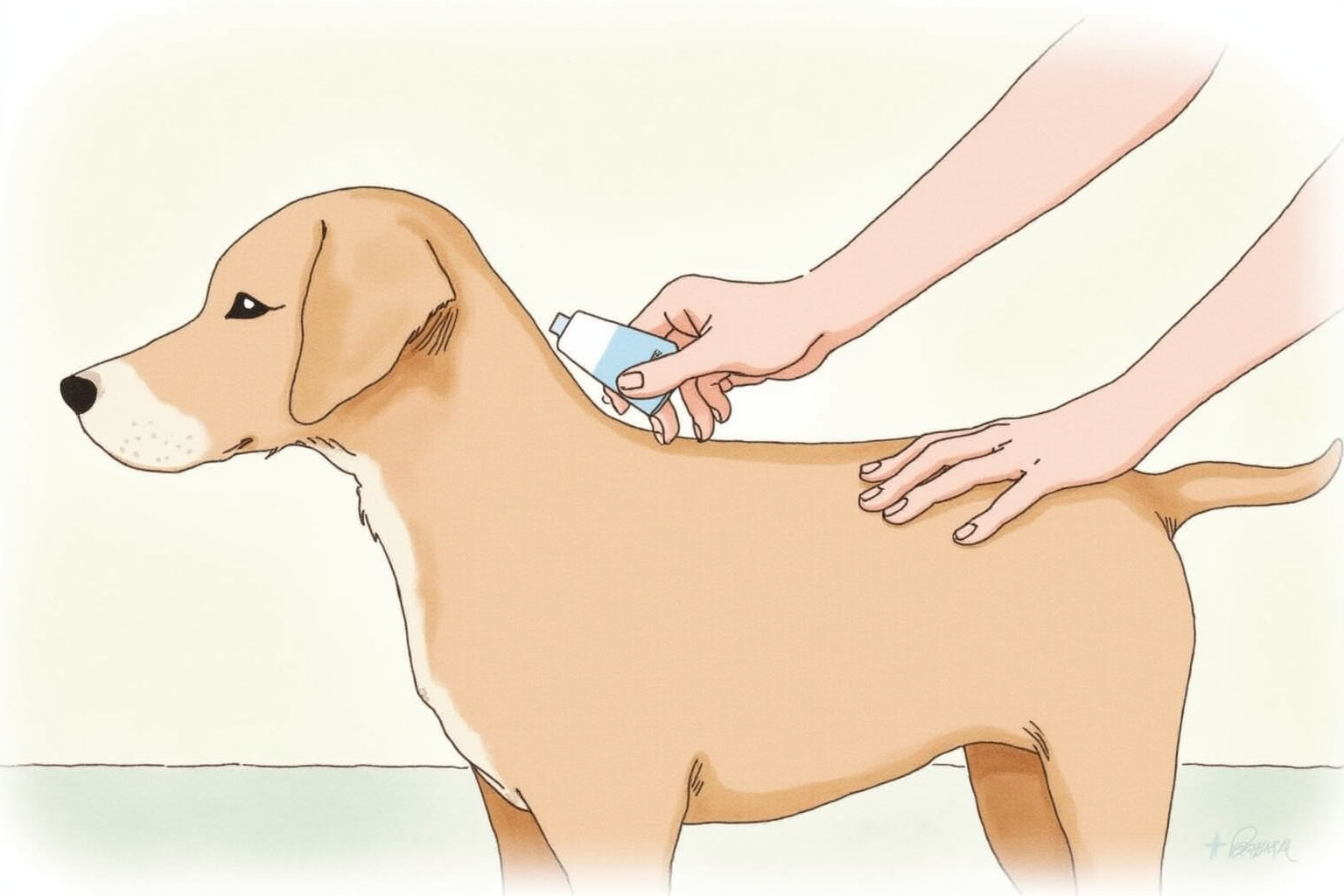
Topical preventatives (Frontline Plus, Advantage II, Revolution): Liquid applied between the shoulder blades, absorbed into skin oils and distributed throughout the body’s sebaceous system. Active ingredient kills fleas and ticks on contact. Duration: 30 days per dose.
Pros: Well-established (Frontline since 1996), no oral administration, works regardless of food intake.
Cons: 24-48 hour separation from water (bathing, swimming, rain shortly after application can reduce efficacy), some pets show skin reactions at application site, fipronil resistance reported in some flea populations.
Oral preventatives (Bravecto, NexGard, Simparica, Credelio): Tablet chewed and absorbed systemically. Active ingredient distributed in bloodstream; ticks and fleas die when they bite the pet. Duration: 30 days (NexGard, Simparica, Credelio) or 12 weeks (Bravecto).
Pros: Not affected by bathing/swimming/water exposure, excellent efficacy (95%+ kill rates in controlled studies), single dose lasts long, no application mess.
Cons: FDA class warning for neurological side effects (rare but documented), require pet to actually eat the chew (most are flavored to encourage consumption), more expensive per month than topicals.
Collars (Seresto, Scalibor): Plastic collar releasing active ingredient gradually over time. Duration: 6-8 months per collar.
Pros: Long-lasting (single product covers most of the year), no monthly tracking, immediate action upon application.
Cons: Bulky on smaller pets, can be lost or break, some pets develop neck irritation, Seresto specifically has had complaints about adverse reactions and FDA monitoring.
Year-round vs seasonal prevention

The seasonal approach (March-October in most regions) made sense in older parasite control regimes. Current CAPC recommendations: year-round prevention for most pets.
Why year-round:
-
Indoor flea activity: Modern heated homes create flea-friendly conditions year-round. A single flea brought in on shoes can establish an indoor population that persists through winter.
-
Tick survival: Ticks remain active when temperatures rise above 35°F, common during winter warm spells. Lyme disease cases have been documented in pets through winter months in northern states.
-
Cost-effectiveness: Year-round prevention prevents flea infestations entirely; treating an established infestation costs 5-10x more (pet treatment + home treatment + professional pest control).
-
Prevention timing: Most diseases (Lyme, ehrlichiosis, heartworm) require sustained protection — a single missed month creates opening.
When seasonal might work:
- Indoor-only cats in sub-30°F winter climates
- Indoor pets with strict no-outside policy (and no other pets to bring fleas in)
- Single-pet households in cold-winter regions
For most U.S. households, year-round prevention is both safer and more cost-effective.
Cat-specific safety concerns

The most preventable pet poisoning incident is the application of dog flea/tick products to cats. Many dog topicals contain permethrin (pyrethroid pesticide) which is highly toxic to cats — typical symptoms include severe tremors, seizures, and death without prompt treatment.
Cat-safe products:
- Frontline Plus for Cats (fipronil + S-methoprene, no permethrin)
- Advantage II for Cats (imidacloprid, no permethrin)
- Revolution Plus (selamectin + sarolaner, no permethrin)
- Bravecto Plus for Cats (fluralaner + moxidectin, no permethrin)
- Seresto Collar for Cats (imidacloprid + flumethrin — flumethrin is safe for cats unlike permethrin)
Critical rules for multi-pet households:
- Never apply dog topicals to cats
- Separate dogs and cats for 24-48 hours after dog topical application
- Don’t let cats lick or groom freshly-treated dogs
- Read product labels carefully — “for dogs only” means strictly dogs only
The packaging confusion is real. Some brands have nearly identical packaging for dog and cat versions with only small differences. Buy from veterinary sources or carefully read labels at retail.
The isoxazoline neurological warning

In 2018, the FDA issued a Class Warning for isoxazoline-class flea/tick products (Bravecto, NexGard, Simparica, Credelio). The warning notes that some pets have shown neurological side effects (muscle tremors, seizures, ataxia, hypersensitivity) after taking these medications.
What the warning means:
- The risk is real but small (under 1% of treated pets)
- Most cases occur in pets with pre-existing seizure disorders
- Even with the warning, these drugs remain widely prescribed and recommended
- Discuss with your veterinarian if your pet has any seizure history
Practical implications:
- For most pets, oral isoxazolines remain excellent choices
- For pets with seizure history, consider alternatives (topical or collar)
- Monitor pets after first dose of any new medication
- Report any unusual symptoms to your veterinarian
The benefit (preventing tick-borne disease, eliminating flea infestation) generally outweighs the small risk for healthy pets without seizure predisposition.
Top picks across budgets
Bravecto 12-Week Oral Chew (for Dogs)
Price · $50-90 per chew (3 months protection)
+ Pros
- · Single chew lasts 12 weeks vs monthly alternatives
- · Excellent kill rate for fleas (95%+) and major tick species
- · Not affected by bathing, swimming, or grooming
− Cons
- · FDA Class Warning for neurological side effects (rare)
- · Requires prescription from veterinarian
Paid affiliate link. Price, availability, and ratings can change; verify details on the retailer page before buying.
Frontline Plus Topical (for Dogs and Cats — Separate Products)
Price · $45-65 for 3-month supply
+ Pros
- · Established product with 25+ years of use
- · No oral administration — works for picky eaters
- · Cat-specific version available without permethrin
− Cons
- · Requires careful application between shoulder blades
- · 24-48 hour water restriction after application
Paid affiliate link. Price, availability, and ratings can change; verify details on the retailer page before buying.
Seresto Collar (Dogs and Cats Versions)
Price · $60-80 — 8 months protection per collar
+ Pros
- · Single collar lasts 6-8 months — minimal tracking needed
- · Water-resistant and continuously active
- · Suitable for pets that resist oral medications or topical applications
− Cons
- · FDA has tracked safety reports for Seresto specifically
- · Bulky on smaller pets, may cause neck skin irritation
Paid affiliate link. Price, availability, and ratings can change; verify details on the retailer page before buying.
The buying decision
For most dogs without seizure history, the oral isoxazolines (Bravecto, NexGard, Simparica) are the modern standard. Single dose, excellent efficacy, not affected by water or grooming. Annual cost: $150-300. Bravecto’s 12-week duration makes tracking simpler.
For cats, choose cat-specific oral (Bravecto Plus, Credelio) or topical (Revolution Plus, Frontline Plus for Cats). Never use dog products on cats. Annual cost: $120-250.
For households that struggle with monthly tracking, Seresto collars provide 6-8 month protection in a single product. Monitor for neck irritation and use indoor pet ID alongside the collar (collars can be lost).
For budget-conscious households, Frontline Plus topicals at $45-65 for 3 months provide solid protection at lower cost than the premium orals. Best for households with single-cat or single-dog households where the multi-pet contamination risk is lower.
Avoid skipping months. The most common cause of flea infestation in indoor pets is gaps in prevention — missed monthly doses, expired collars, or incomplete topical application. Set calendar reminders and stick to the schedule.
Flea/tick prevention is one of the highest-leverage preventive interventions in pet healthcare. The annual cost of consistent prevention is significantly less than treating a single tick-borne disease or full-home flea infestation. Choose the product that fits your pet’s lifestyle and your household’s reliability, then maintain it consistently.