Loose Leash Walking — 2026 Evidence-Based Training Method
Pulling on the leash is the #1 reason owners avoid walks. Here is the positive-reinforcement method that produces a dog who walks calmly beside you within weeks.
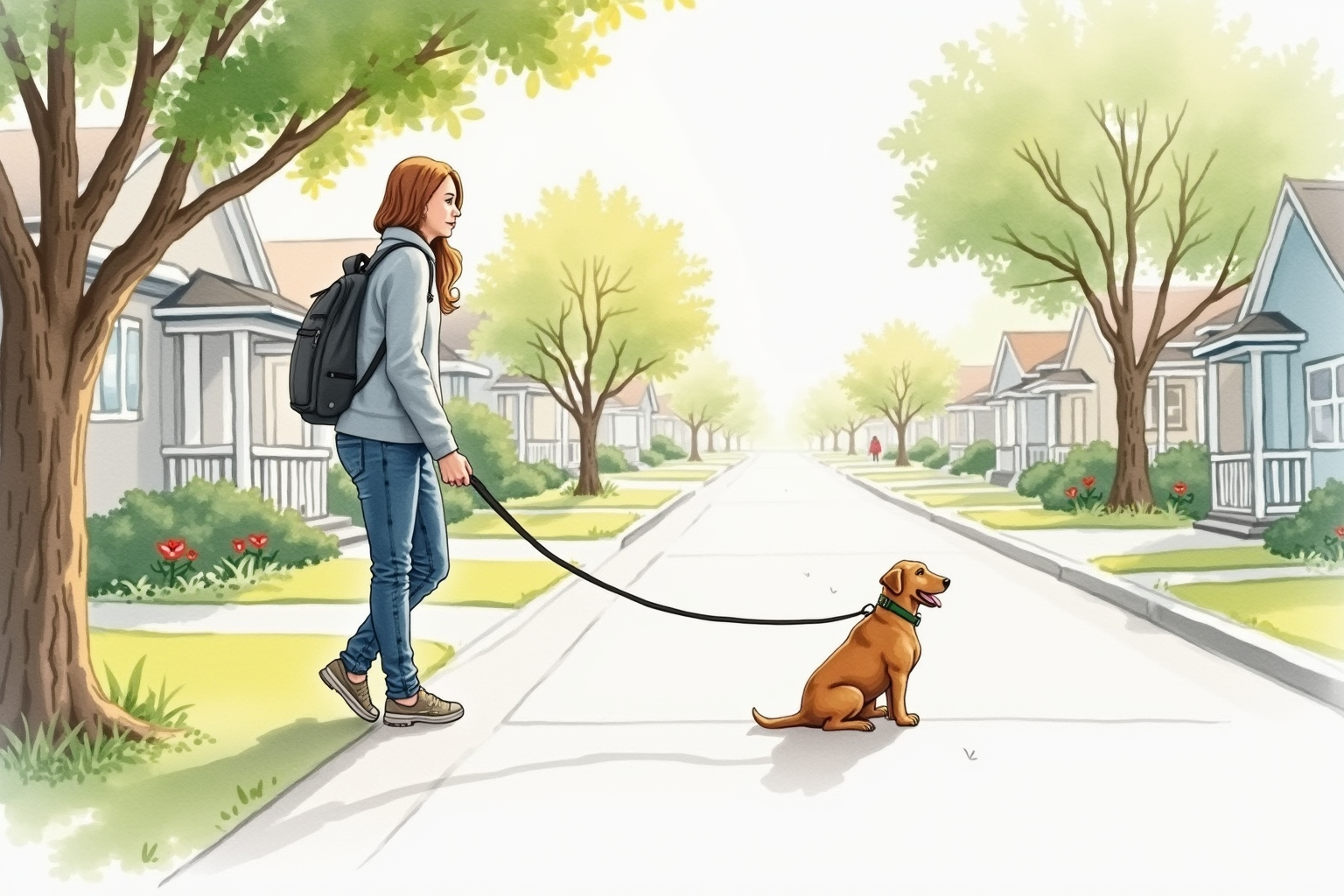
Pulling on the leash is the #1 reason owners reduce their dog’s exercise time. A dog that yanks the leash, drags the owner, or lunges at distractions makes daily walks unpleasant — and so the walks stop, the dog gets less exercise, and behavior problems compound. The good news: loose-leash walking is one of the most teachable behaviors with positive reinforcement, and most dogs can learn it within 4-8 weeks of consistent practice.
This article explains the evidence-based positive-reinforcement method, identifies the equipment that supports success without causing harm, and walks through the common mistakes that prolong training time. The conclusion is that polite leash walking is achievable for any dog, requires no aversive tools, and dramatically improves daily quality of life for both dog and owner.
- Why dogs pull and why traditional corrections fail
- Front-clip harness mechanics and recommendations
- The “be a tree” and “treat for staying close” methods
- Building distraction tolerance progressively
- Top picks across $25-80 budget range
Why dogs pull (and why corrections fail)
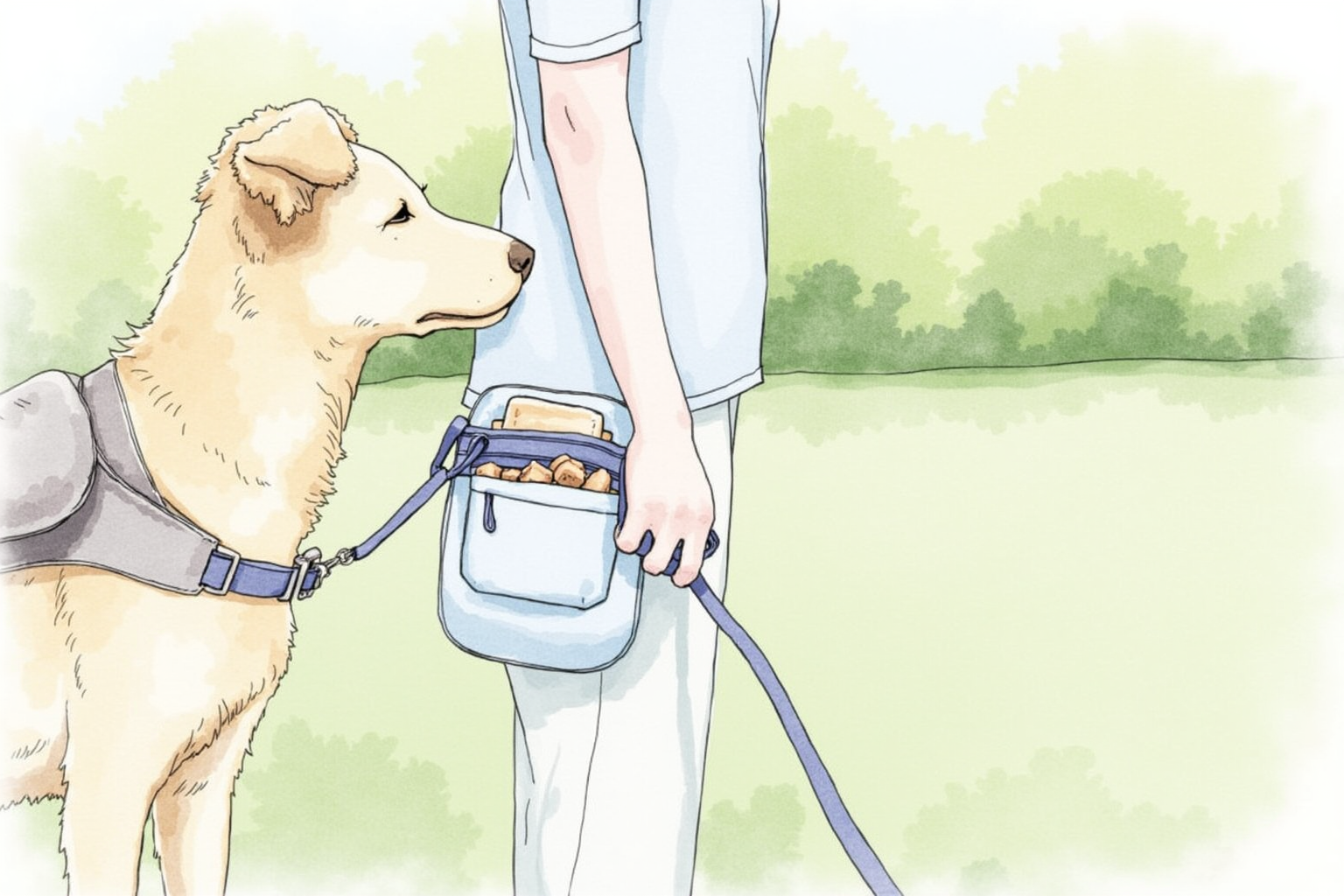
Pulling is a behavior reinforced over thousands of repetitions. Every time the dog pulls and you take a step in the direction they’re pulling, they’re rewarded for pulling. By the time owners try to fix the issue, dogs have years of “pulling works” reinforcement built up.
Traditional aversive corrections (choke chains, prong collars, jerk corrections) work through suppression — the dog stops pulling because pulling causes pain. The AVSAB position statement on punishment-based training explains why this approach is problematic:
- Suppression doesn’t teach: The dog learns “don’t pull on this collar” but doesn’t learn “walk loosely beside me.”
- Aggression risk: Pain-paired associations can develop into reactive behavior toward whatever the dog was looking at when corrected (other dogs, people, etc.).
- Physical injury: Choke chains and prong collars are documented causes of tracheal collapse, neck soft tissue damage, and ocular pressure issues.
- Fear-based compliance: Dog walks calmly because they fear consequences, not because they understand. Compliance breaks down when the aversive tool is removed.
Modern positive-reinforcement training teaches the dog what to do instead of what not to do. The dog learns “walking loosely produces rewards” and chooses to walk loosely on their own.
Front-clip harness mechanics
The single most-recommended equipment upgrade for pulling dogs is a front-clip harness. The mechanism:
- Standard collars and back-clip harnesses: the dog pulls forward; the owner pulls back; the dog has full leverage and can keep pulling.
- Front-clip harnesses: the leash attaches to the front of the chest. When the dog pulls forward, the harness physically redirects them back toward the owner.
The redirection is gentle (not painful) but immediate — the dog can’t make forward progress while pulling. They quickly learn that pulling doesn’t work.
Top picks:
- PetSafe Easy Walk Harness: The original front-clip harness. $25-35. Reliable for moderate pullers.
- Ruffwear Front Range: Higher-quality construction. Dual-clip (front and back). $50-80. Better for adventurous outdoor use.
- Balance Harness (Blue-9): Premium balance design with front and back clips. $40-60. Some trainers’ first choice.
A front-clip harness is not a replacement for training — it makes training easier by preventing the dog from being rewarded for pulling while you teach them what to do instead.
The training method
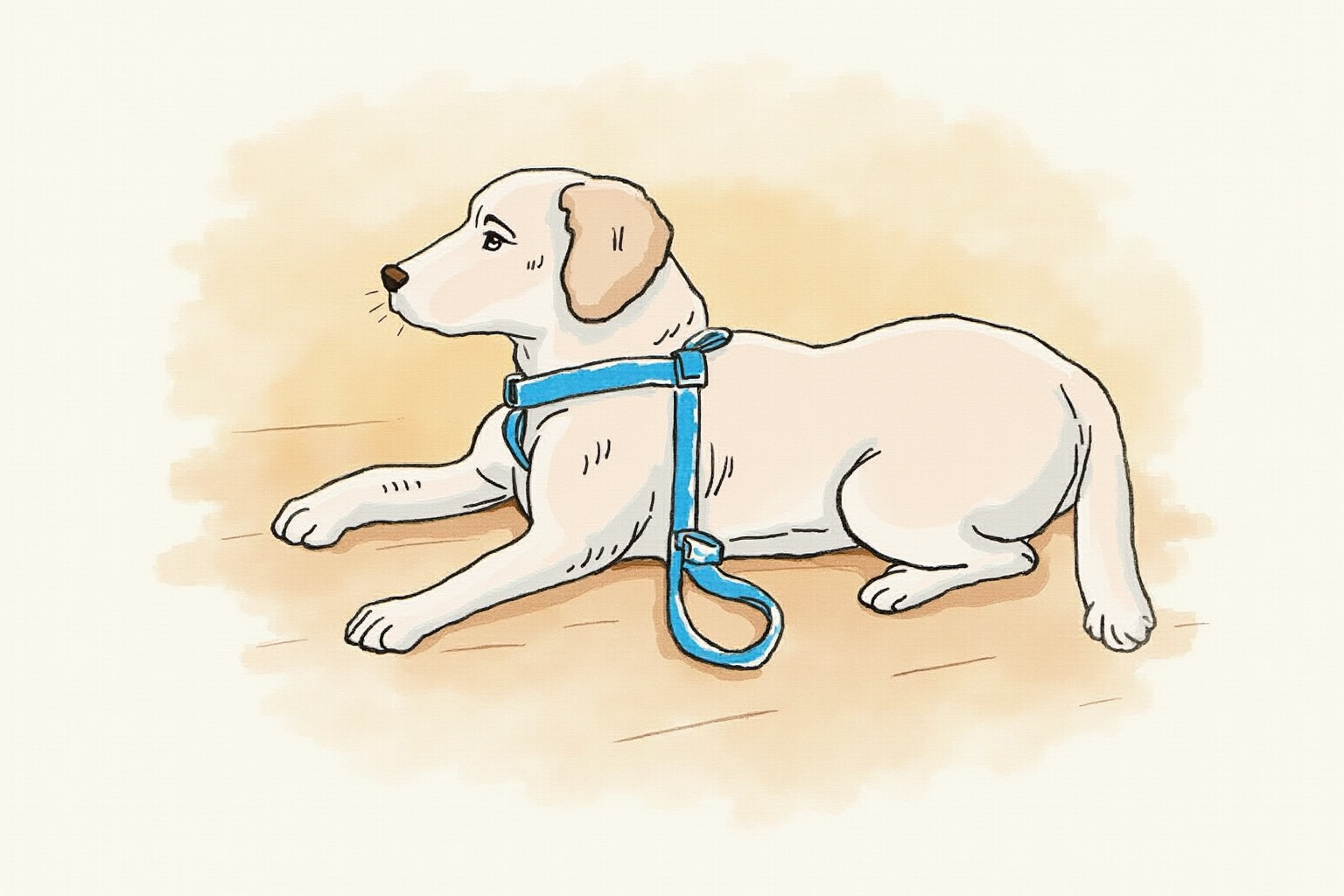
Phase 1: Engagement at the leash
Stand still. Hold the leash loosely. Wait for the dog to look at you. The moment they look, mark with “yes!” or click, then treat. Repeat 10-15 times.
This builds the foundation: looking at you is rewarding. Most dogs need 2-3 sessions to consistently look at the handler.
Phase 2: Walking 2-3 steps
Take 2-3 steps forward. The moment you start moving, the dog will likely move too. If the leash stays slack for those 2-3 steps, mark and treat. If they pull immediately, stop and wait.
Repeat. Increase to 5-10 steps. Build duration of loose-leash walking step by step.
Phase 3: The “be a tree”
When the dog pulls: stop immediately. Don’t yank back. Don’t speak. Just become a tree — completely still.
The dog will eventually turn around to investigate why you stopped, releasing the tension in the leash. The moment the leash is slack, mark, treat, and resume walking.
Repeat consistently. Eventually the dog learns: pulling = stopping; loose leash = forward progress. This is the core mechanism.
Phase 4: Distraction building
Practice in increasingly distracting environments:
- Living room (no distractions)
- Backyard (low distractions)
- Quiet sidewalk (some distractions)
- Park (high distractions)
- Busy area (very high distractions)
Move to the next environment only when the dog is reliably loose-leash walking in the current one. Skipping levels is the most common cause of training failure.
Phase 5: Real-world walks
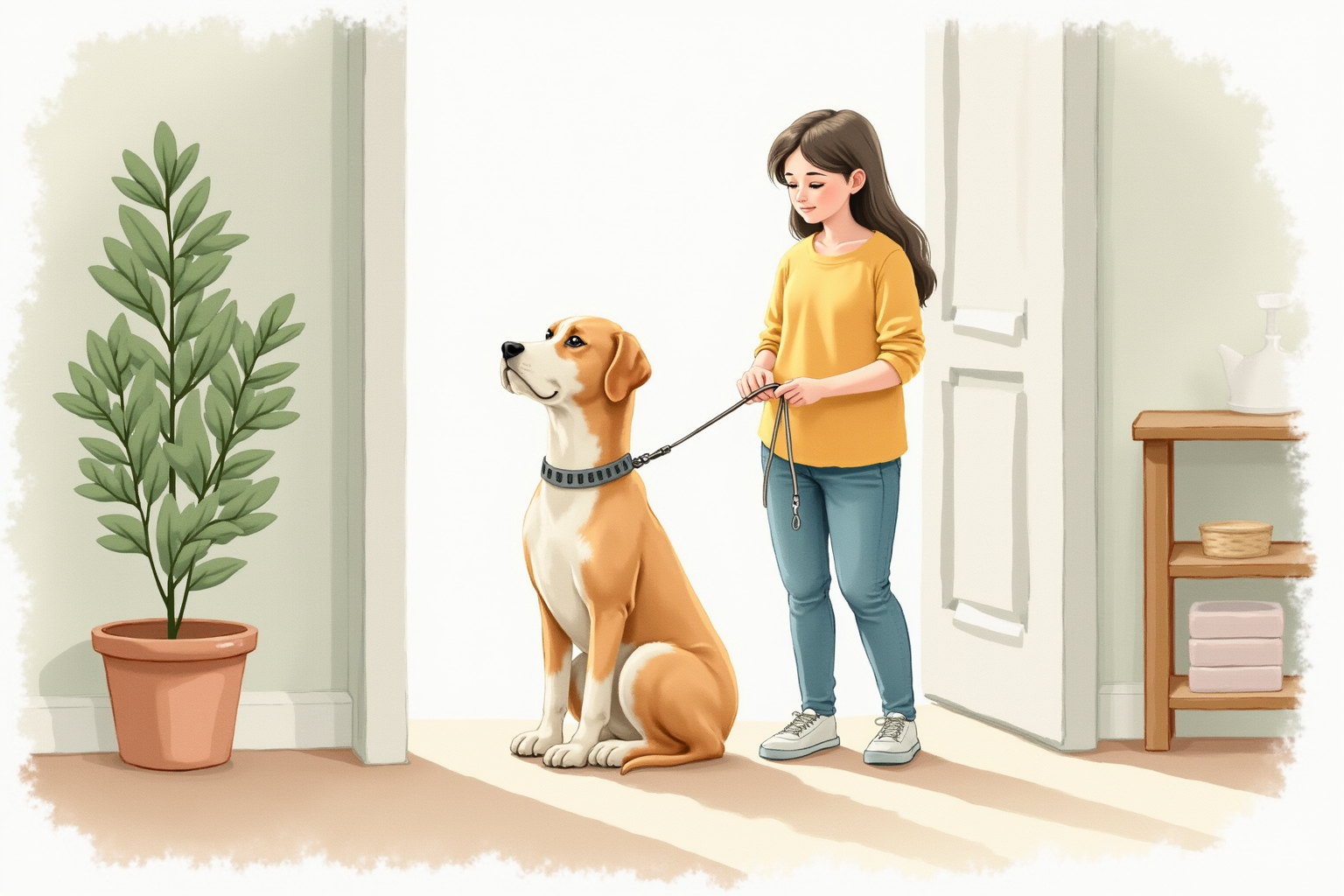
Most “real walk” pulling is excitement at the beginning of the walk. Pre-walk routine: have the dog sit calmly while you put on the harness and leash. Wait for full calm before opening the door. Mark and reward calm beginnings.
The first 5 minutes of a walk are the hardest. Stay patient, follow the “be a tree” protocol, and the rest of the walk will go smoother.
Building distraction tolerance
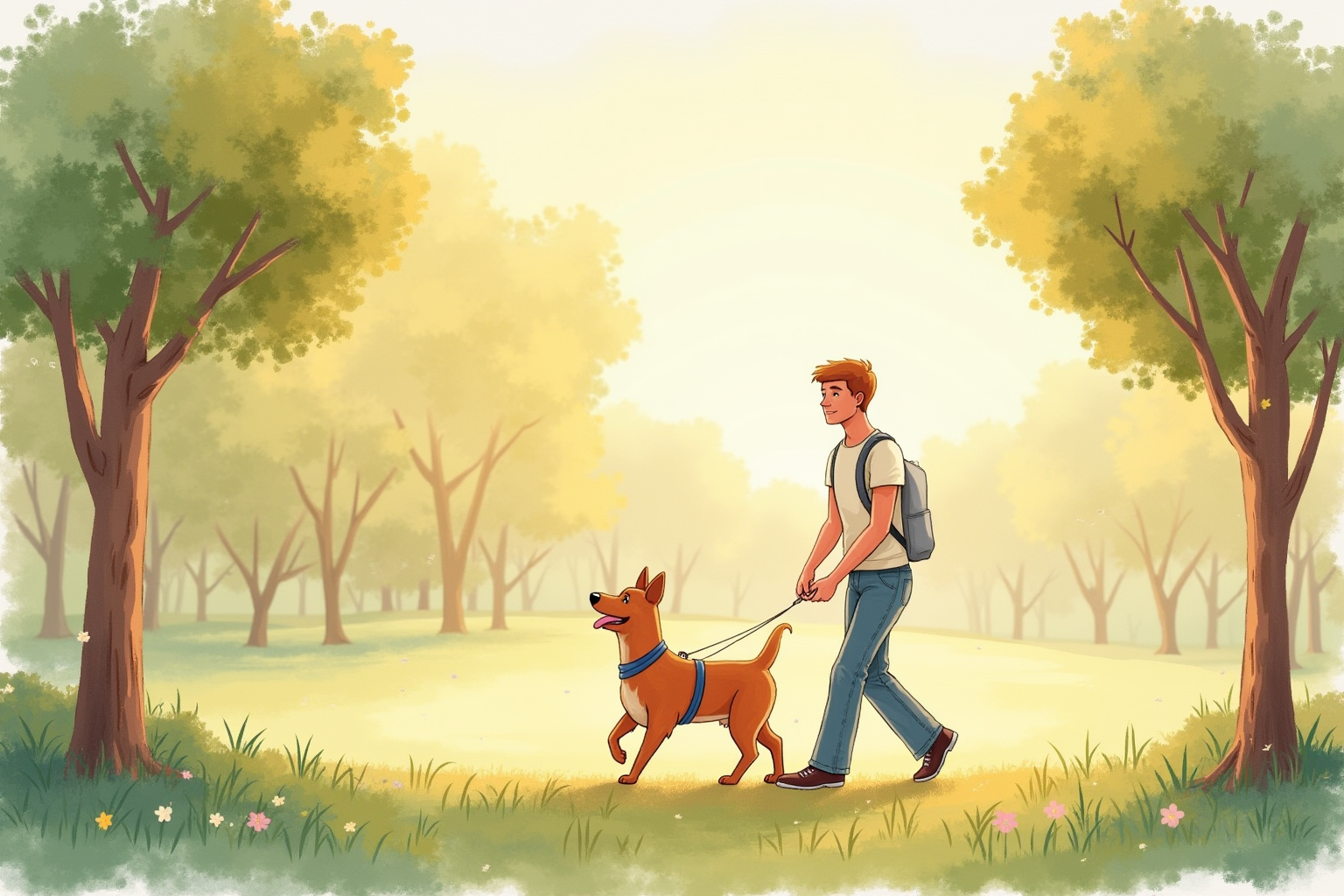
The “100 levels of distraction” concept from professional trainers:
- Level 1: Indoors with no distractions
- Level 10: Backyard with familiar smells
- Level 25: Quiet sidewalk
- Level 50: Park with moderate dog traffic
- Level 75: Busy park or pet store
- Level 100: Dog park, crowded street, or other extreme distraction
Most owners want their dog to perform at Level 100 immediately. The training reality: you must build through each level. A dog trained only at Level 10 will fail at Level 75.
Spend extra time at the levels just below your goal. If you want a dog who walks calmly through a crowded farmer’s market (Level 80), spend 2-3 weeks training at Level 60-70 (medium-busy areas) first.
Top picks across budgets
PetSafe Easy Walk Harness
Price · $25-35 — best entry-level front-clip pick
+ Pros
- · Affordable and effective for moderate pullers
- · Quick to put on and adjust
- · Available in many colors and sizes
− Cons
- · Strap design can rub under armpits on long walks
- · Plastic buckles may break on aggressive pullers
Paid affiliate link. Price, availability, and ratings can change; verify details on the retailer page before buying.
Ruffwear Front Range Harness
Price · $50-80 — best premium harness pick
+ Pros
- · Dual front and back attachment points
- · Padded construction comfortable for long walks/hikes
- · Excellent quality control and lifetime warranty
− Cons
- · Premium pricing vs basic alternatives
- · Putting on requires more steps than slip-on designs
Paid affiliate link. Price, availability, and ratings can change; verify details on the retailer page before buying.
Zuke's Mini Naturals Training Treats
Price · $10-15 per bag — best training treats
+ Pros
- · Small soft pieces ideal for high-rate reward training
- · Limited ingredient list with quality protein
- · Resealable bag stays fresh through training sessions
− Cons
- · Calories add up — adjust meals to compensate
- · Some dogs prefer higher-value cooked chicken or hot dog
Paid affiliate link. Price, availability, and ratings can change; verify details on the retailer page before buying.
The buying decision
For most dogs, the PetSafe Easy Walk harness at $25-35 plus Zuke’s Mini Naturals at $10-15 covers the complete training setup for under $50. The 2-3 month training process with consistent daily practice produces a dog that walks loosely on a regular collar by the end.
For larger dogs or adventurous outdoor use (hiking, backpacking), the Ruffwear Front Range at $50-80 is the long-term investment. The build quality, padded construction, and dual-clip design make it the harness that lasts years of regular use.
For multi-dog households or homes where multiple people walk the dog, having two harnesses simplifies logistics. The training is consistent across handlers; equipment availability shouldn’t be the constraint.
Avoid choke chains, prong collars, and “training shock collars” for leash training. The aversive approach has documented risks without proportional benefits over positive-reinforcement methods. AVSAB position is unambiguous on this.
Loose-leash walking is one of the highest-value training investments. The 4-8 week training process produces years of enjoyable walks for both dog and owner. The alternative — perpetually pulled walks that get shorter and shorter — is the path most owners default to. Choose better.