Pet Boil-Water Advisory Water Bowl Safety Plan for 2026
A practical pet-safety plan for boil-water notices, bowls, fountains, medications, cleanup, and veterinarian escalation during local water disruptions.
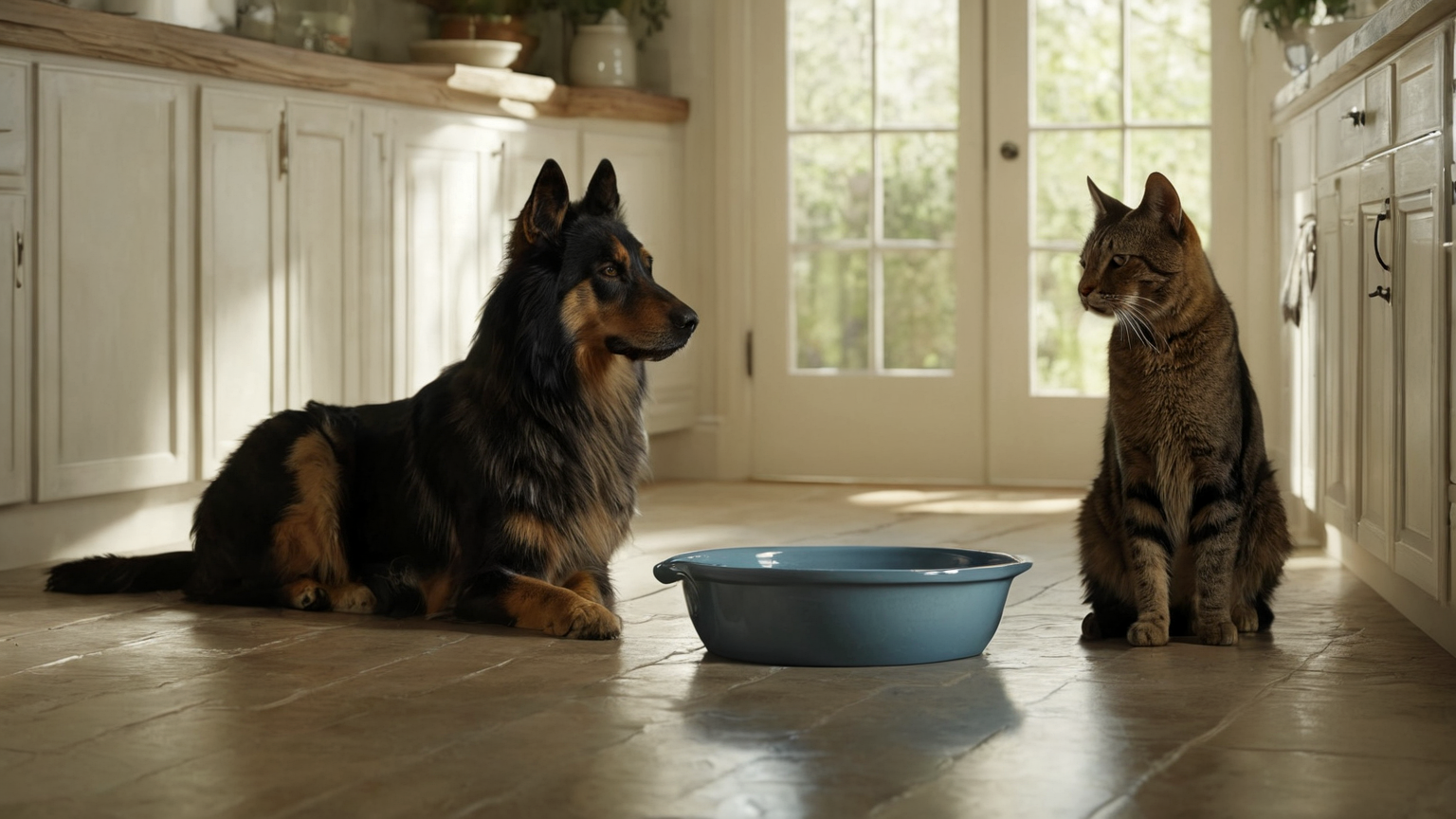
Updated June 23, 2026. A boil-water advisory can disrupt a pet routine fast: bowls, fountains, ice cubes, wet-food mixing, medication delivery, dental rinses, and cleanup all touch water. This guide is a household operating plan, not veterinary or municipal advice. Follow the local water authority first, then use this checklist to keep dogs, cats, and small household pets from getting unsafe water while avoiding panic or unsafe substitutions.
Medical and municipal-water disclaimer: follow your local water utility and veterinarian over this general checklist, especially for immunocompromised pets, reptiles/amphibians, livestock, or pets with chronic disease.
Pet water advisory decision table
| Decision point | Use this test | Safer next step | Evidence to keep |
|---|---|---|---|
| Local advisory active | Tap water is not cleared for people | Use boiled/cooled or bottled water for bowls | Start/end time and source notice |
| Fountain in use | Reservoir held untreated tap water | Empty, wash, dry, refill only after safe-water step | Cleaning time |
| Medication needs water | Dose instructions mention water or food mixing | Ask vet if pet has illness or restricted fluids | Medication name and call notes |
| Pet has vomiting/diarrhea | Symptoms begin after exposure or are severe | Call veterinarian promptly | Exposure timeline |
| Advisory lifted | Utility says flushing may be needed | Refresh bowls/fountains and run taps per notice | Lifted notice |
Separate human-safe water decisions from pet routines
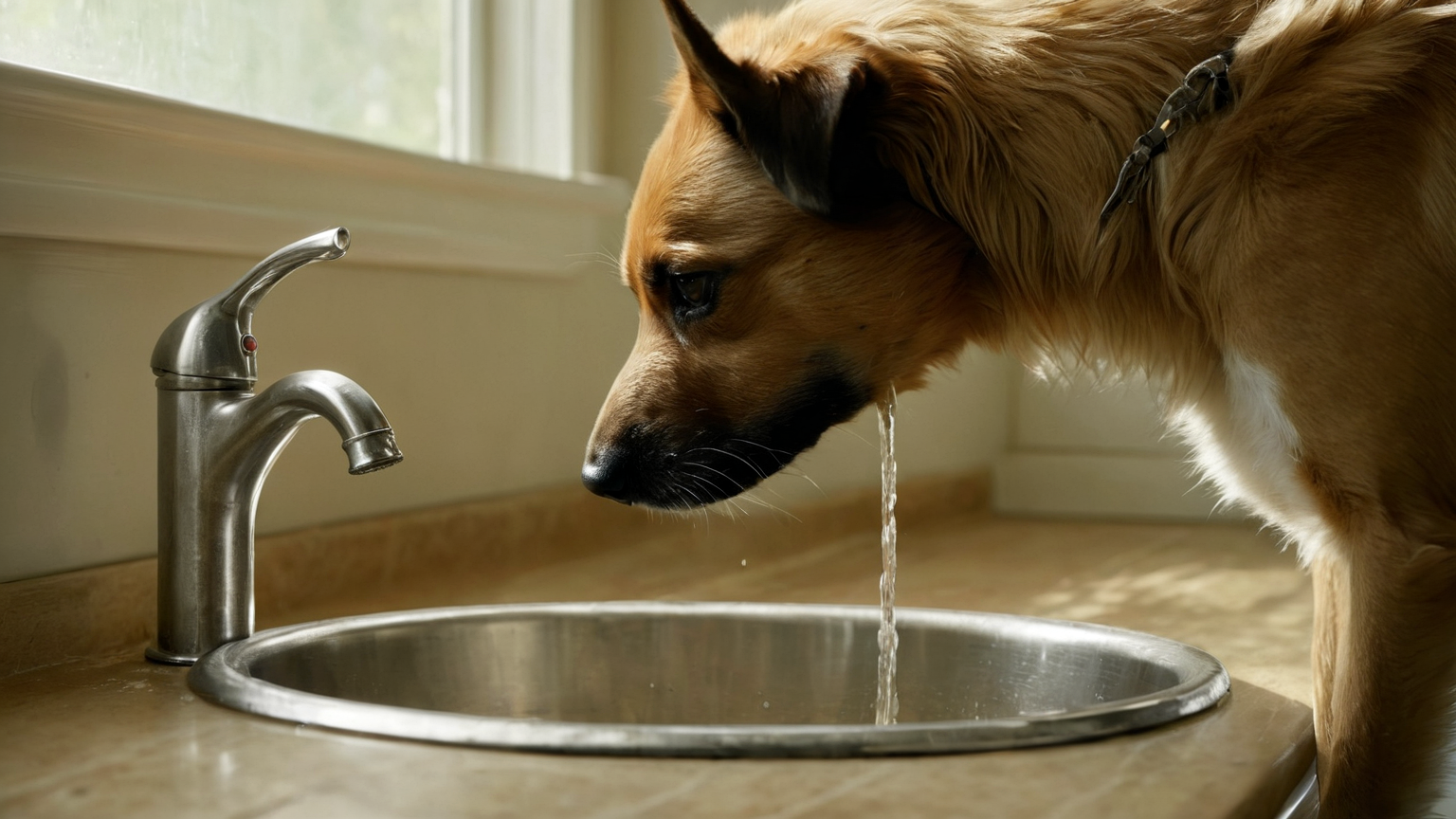
Use the same seriousness for pet drinking water that you would use for a family member. During an advisory, do not refill bowls from the tap out of habit, do not top off a fountain that still contains untreated water, and do not use ice made before the advisory if the local notice says it may be affected. Create one visible “safe pet water” area so every caregiver uses the same supply.
Clean bowls and fountains before refilling
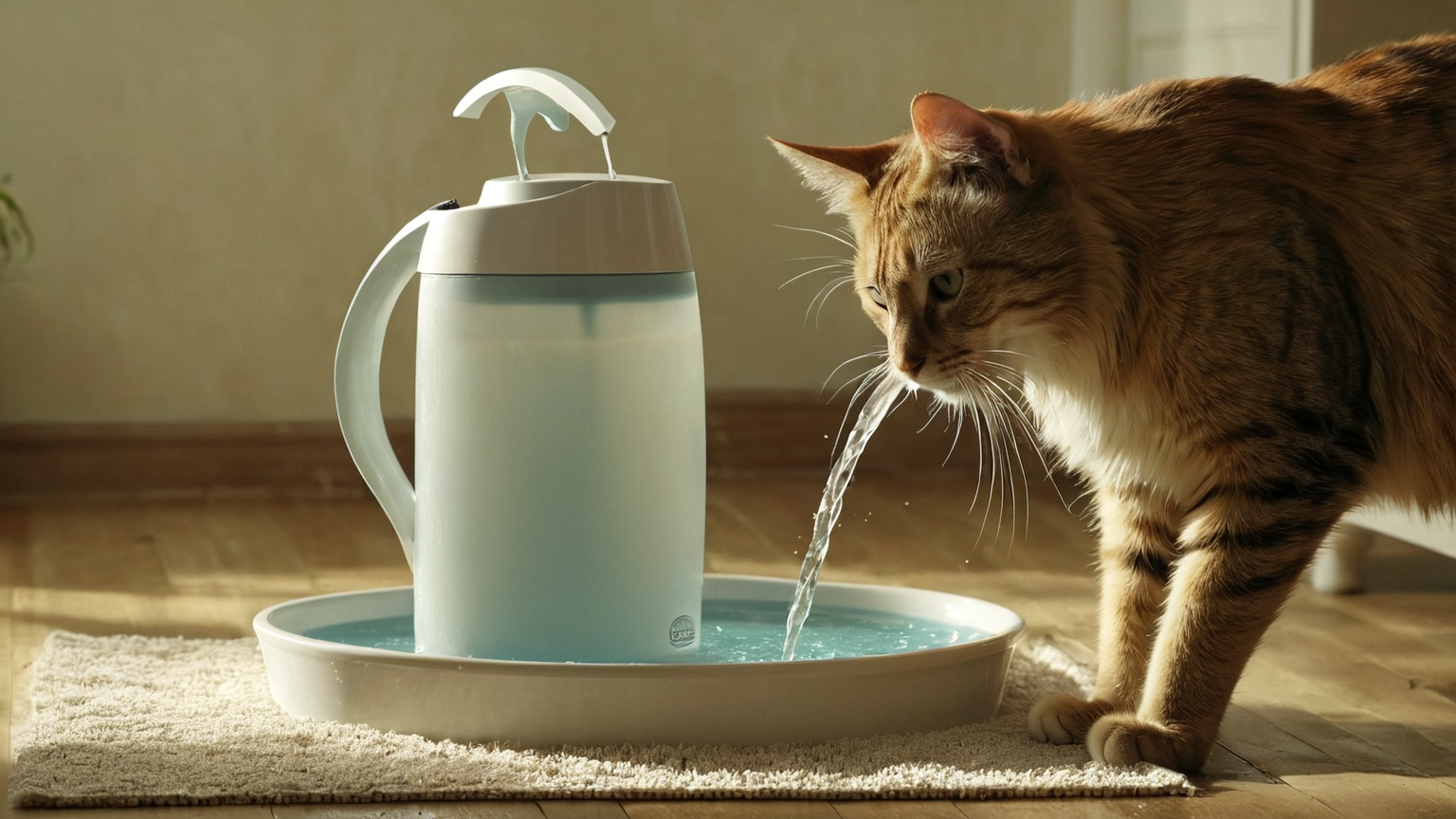
Biofilm and old water can defeat a good refill plan. Empty bowls, washable fountain parts, measuring cups, and travel bottles. Wash with dish soap and safe water, dry when practical, then refill with water that matches public guidance. For powered fountains, unplug before cleaning and avoid rushing a damp motor or cord back into service.
Handle food, medications, and special diets deliberately
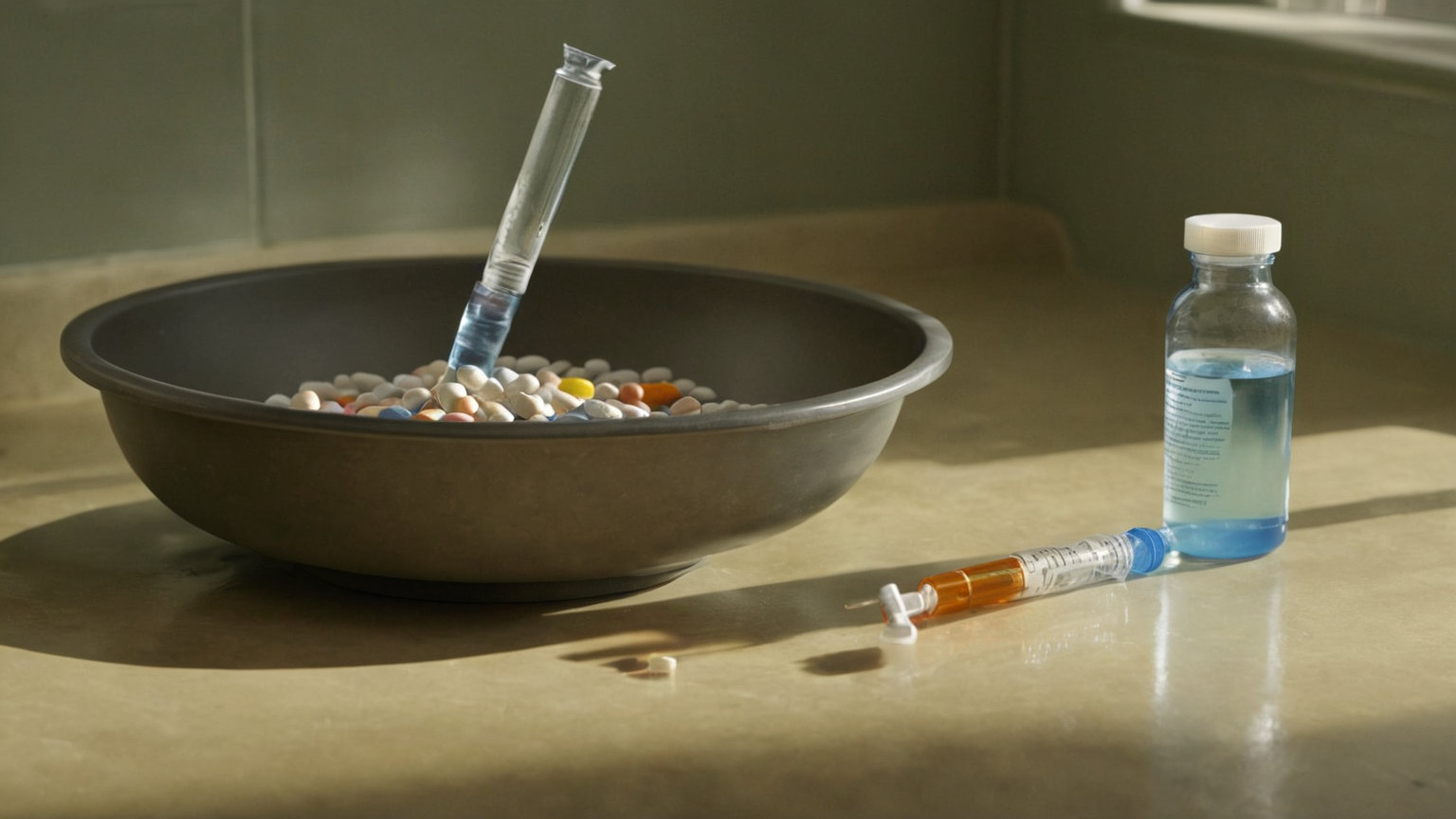
Pets with kidney disease, urinary issues, diabetes, heart disease, or medications that depend on hydration need extra caution. Use safe water for wet-food mixing, powdered supplements, syringe rinsing, and medication prep. If the pet refuses the changed water source, has restricted fluids, or may have drunk contaminated water, call the veterinarian rather than improvising with broths, flavored drinks, or electrolyte products.
Prevent cross-contamination during cleanup
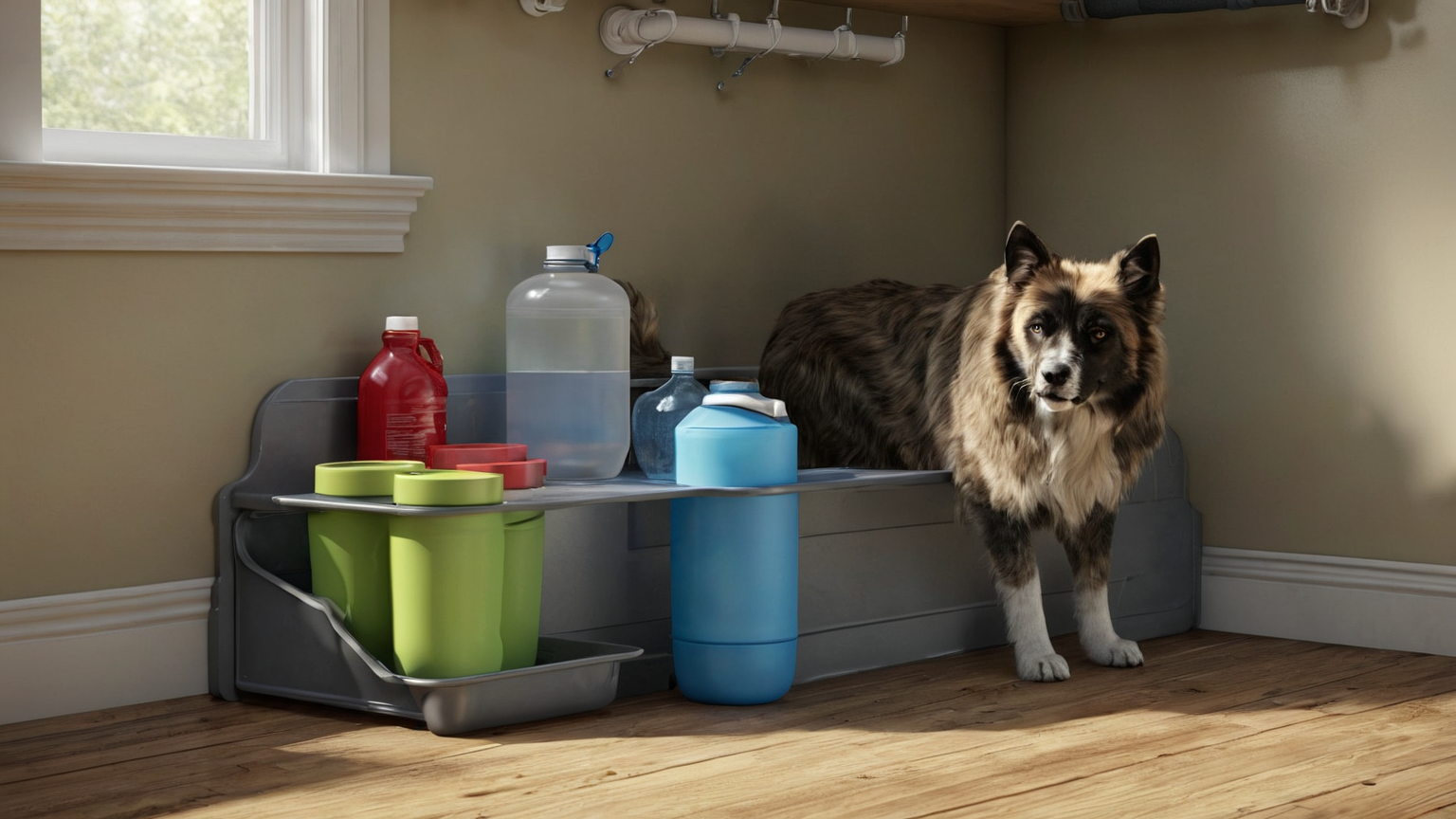
Bowls can become contaminated again when washed with unsafe water or placed in a sink full of advisory-period dishes. Keep a small clean zone: safe water, cleaned bowl, clean towel, and a trash bag for questionable ice or wet food. If flooding or sewage contamination is involved, treat the situation as more serious than an ordinary boil notice and follow emergency guidance.
Know when the issue becomes veterinary, not just household logistics
Most advisories are managed by safe-water substitution and cleaning, but symptoms change the plan. Repeated vomiting, diarrhea, lethargy, refusal to drink, dehydration signs, toxin exposure, or a medically fragile pet warrants veterinary guidance. Bring the advisory timeline, water source, approximate exposure, and symptoms so the clinic can triage efficiently.
Practical checklist
- Put safe pet water in one labeled household location.
- Empty and wash every active bowl, fountain, travel bottle, and food-mixing cup.
- Use safe water for medications, wet-food mixing, and dental/oral rinsing.
- Discard questionable ice and refresh automatic dispensers.
- Record symptoms and exposure times before calling a veterinarian.
- After the advisory ends, follow local flushing/cleaning guidance before returning to normal.
Common mistakes to avoid
| Mistake | Why it matters | Better habit |
|---|---|---|
| Topping off a fountain | Old untreated water remains in the reservoir | Empty, wash, dry, refill |
| Assuming pets tolerate any water | Illness and age change risk | Use the same safe-water standard |
| Flavoring water without advice | Sodium, onion/garlic, or diet conflicts can matter | Ask the veterinarian for fragile pets |
| Forgetting ice | Ice may have been made with affected water | Discard questionable ice |
FAQ
Can pets drink tap water during a boil advisory?
Follow the local advisory. If tap water is not considered safe until boiled or otherwise treated, use safe water for pets too.
Do I need to replace a pet fountain filter?
If it held affected water, clean the fountain thoroughly and consider replacing disposable filters according to the manufacturer and advisory context.
What if my pet already drank the water?
Record when and how much if known, watch for symptoms, and call your veterinarian for young, senior, ill, or symptomatic pets.
AdSense and trust note
This pet-safety guide avoids product pushing and keeps recommendations practical, source-backed, and reader-first. It links to official water, public-health, and veterinary context, names limits clearly, and tells readers to follow local utility notices and a licensed veterinarian when symptoms, chronic disease, reptiles/amphibians, livestock, medication, or restricted-fluid needs make the decision higher risk.