Pet Emergency Go-Bag: Medication Photos, Carriers, and Evacuation Records
A pet emergency go-bag plan for carriers, medication photos, feeding records, microchip checks, evacuation documents, and veterinary handoff notes.
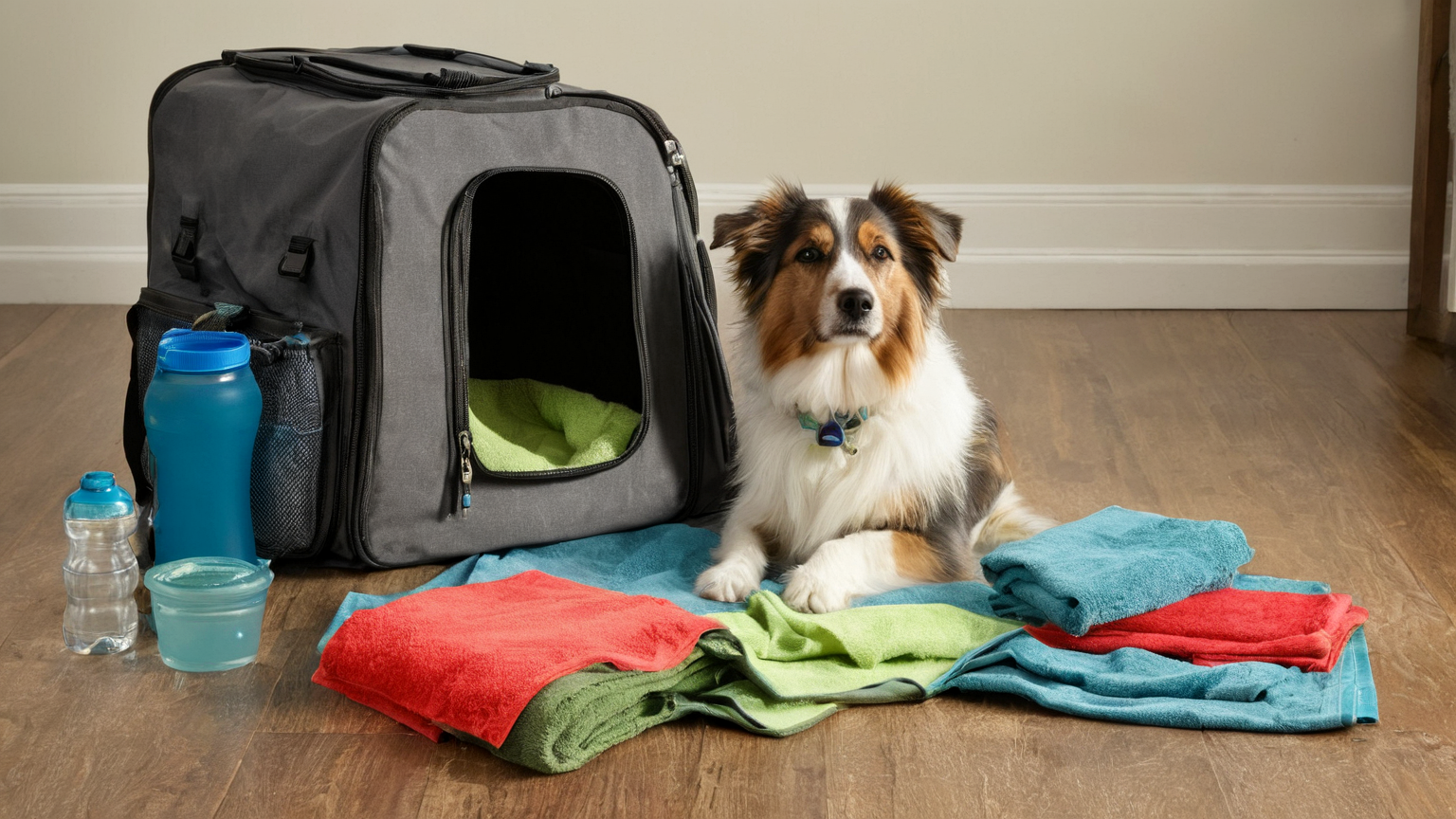
This guide is current as of 2026-06-09 and is written to preserve AdSense readiness: it uses descriptive sources, practical decision points, policy-safe wording, clear limits, and no affiliate filler.
A pet emergency kit fails when it contains supplies but not usable information. In a stressful evacuation, a caregiver may need to know the current food, dose schedule, veterinarian, microchip number, behavior notes, and safe handling plan without searching through old messages.
The safest go-bag is boring: plain supplies, private records, familiar carriers, and a clear replacement rhythm. This guide avoids dramatic disaster advice and focuses on what a household can actually prepare before a storm, wildfire, apartment maintenance emergency, or unexpected hospital trip.
Fast decision table
| Decision | Prepare now | Avoid | Verify |
|---|---|---|---|
| Medication handoff | Private photos and dose list | Loose unlabeled pills | Vet confirms current list |
| Evacuation transport | Carrier for each pet | One shared crate | Pet can enter calmly |
| Identification | Microchip and current photo | Old collar only | Registry data is current |
| Feeding | Three-day food plan | Open unsealed bags | Expiration checked |
| Caregiver handoff | One-page routine | Long chat history | Backup person can explain it |
Build records before buying more gear
Start with a one-page pet profile: name, species, age, veterinarian, medications, dose timing, food brand, feeding amount, allergies, behavior warnings, microchip registry, and emergency contacts. Keep a printed copy in a sealed sleeve and a private digital copy. Do not put sensitive personal data on the outside of the bag.
Photograph medication safely
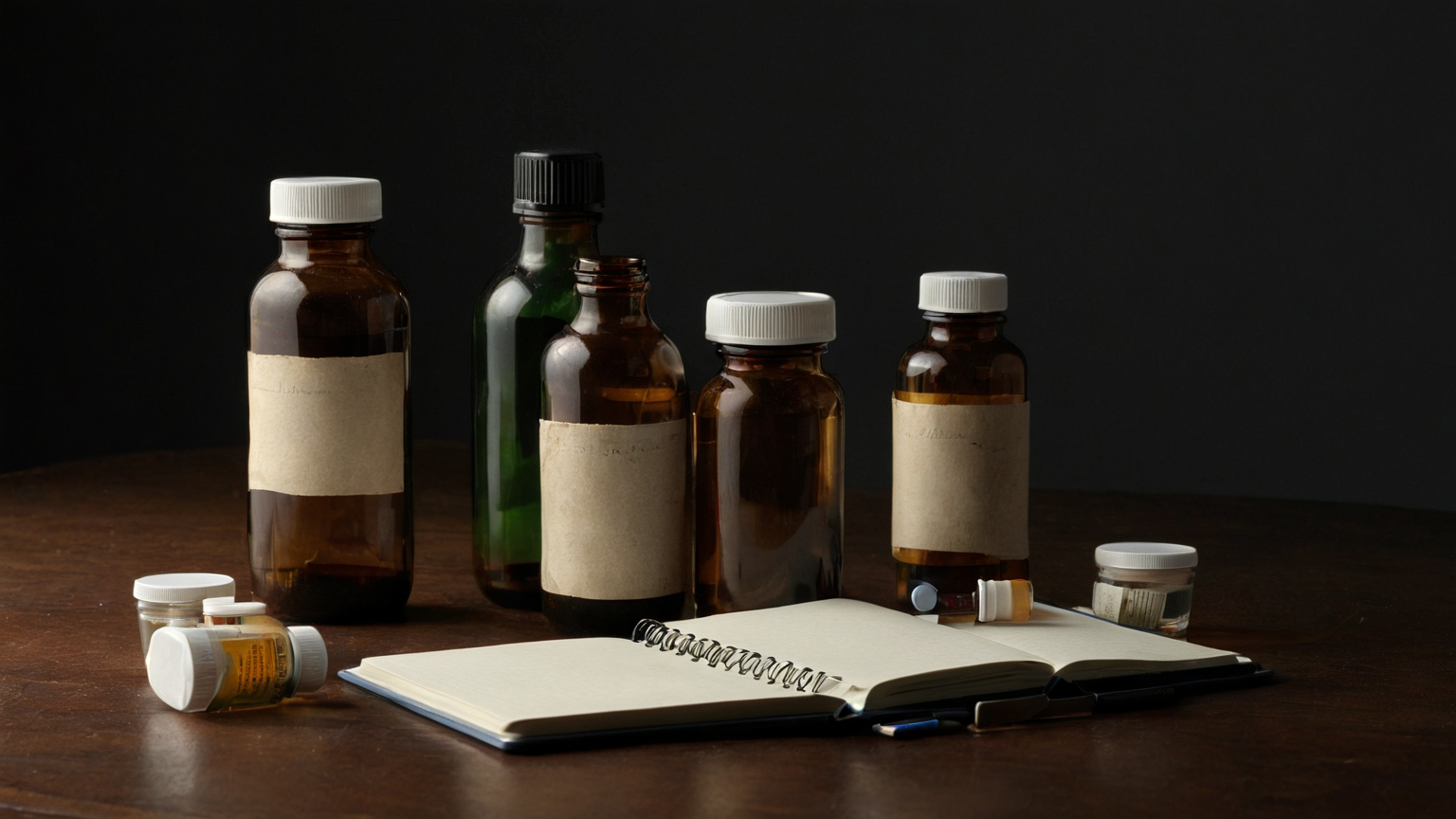
Photos help when labels are damaged or caregivers are unsure, but they should stay private. Photograph the original container, prescription instructions, and pill appearance for your own records. For public sharing or blog examples, use blank labels only. Replace photos after every prescription change so old directions do not create risk.
Make carriers normal before an emergency
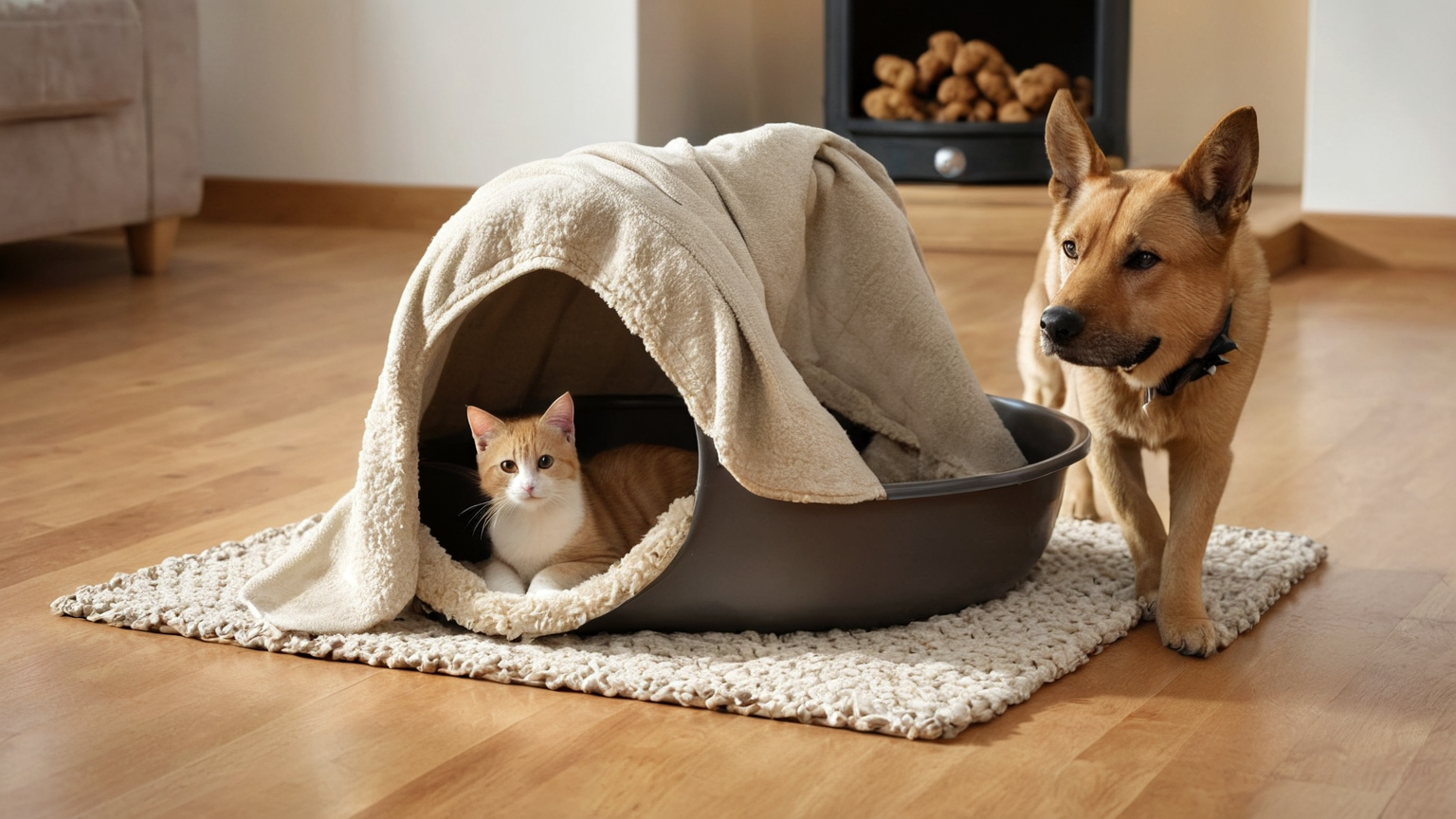
A carrier hidden in a closet becomes a struggle tool. Leave it accessible, add a familiar blanket, and practice short calm entries. For multi-pet homes, label internally or color-code supplies without relying on readable public text. The goal is less panic and faster safe loading.
Separate comfort from critical supplies
A toy and blanket help, but water, food, medications, sanitation bags, leash, harness, and records come first. Use sealed containers and dates. If your pet needs refrigerated medication or special food, write a cold-chain plan and a refill threshold.
Plan the human handoff
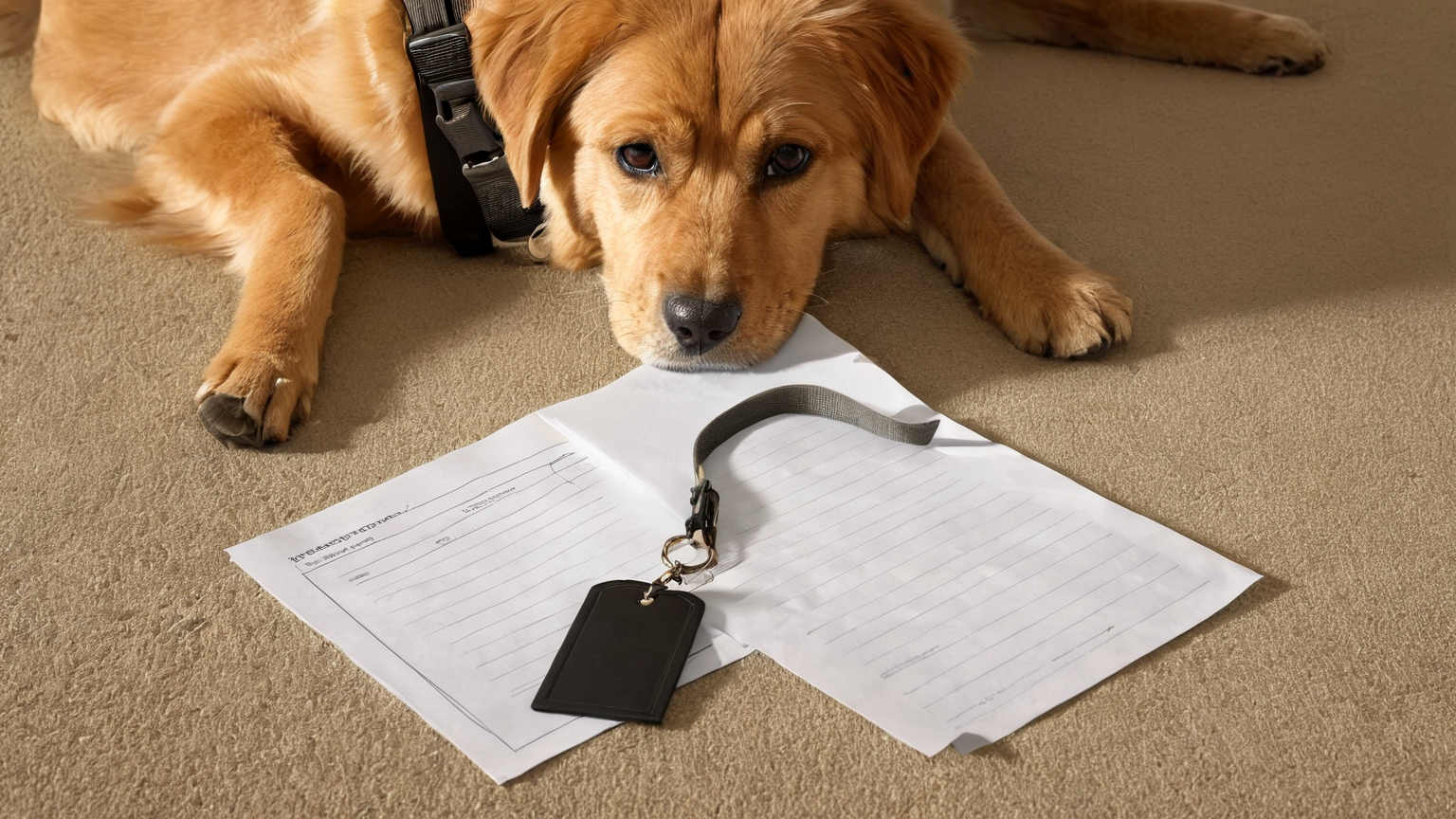
Assume the person helping may not know your pet. Include handling warnings, hiding places, fear triggers, and what not to do. A senior cat, anxious dog, rabbit, reptile, or medicated pet may require different transport and temperature decisions.
Review after every real incident
After a drill, vet visit, or emergency, update the kit. Remove expired items, replace used supplies, and correct confusing instructions. AdSense readiness is preserved by giving readers practical, conservative, source-backed guidance rather than alarmist claims.
Practical checklist
- Photograph current medication privately and store it outside public albums.
- Confirm every pet has an appropriately sized carrier or evacuation restraint.
- Refresh food, water supplies, litter or sanitation items, and towels by date.
- Verify microchip registry and emergency contact information.
- Keep veterinary and vaccination records in both digital and printed form.
- Practice loading the carrier before bad weather or maintenance emergencies.
Common mistakes
| Mistake | Why it matters | Better action |
|---|---|---|
| Keeping only a product-filled bag | Caregivers still lack instructions | Add a one-page routine |
| Posting medication labels online | Exposes private data | Store photos privately |
| Waiting until evacuation orders | Pets hide or panic | Practice carrier entry |
| Using old food or prescriptions | Health risk | Date and rotate supplies |
Source and readiness note
The article intentionally links to official or institutional references, avoids unsupported product claims, and keeps the reader action conservative. If rules, platform screens, or provider policies change, use the linked source first and treat this page as a structured planning aid, not professional advice.