Pet Evacuation Go-Bag and Shelter Plan: A 2026 Household Checklist
Build a pet evacuation go-bag, carrier routine, medication record, and shelter decision plan before wildfire, flood, storm, or power alerts arrive.
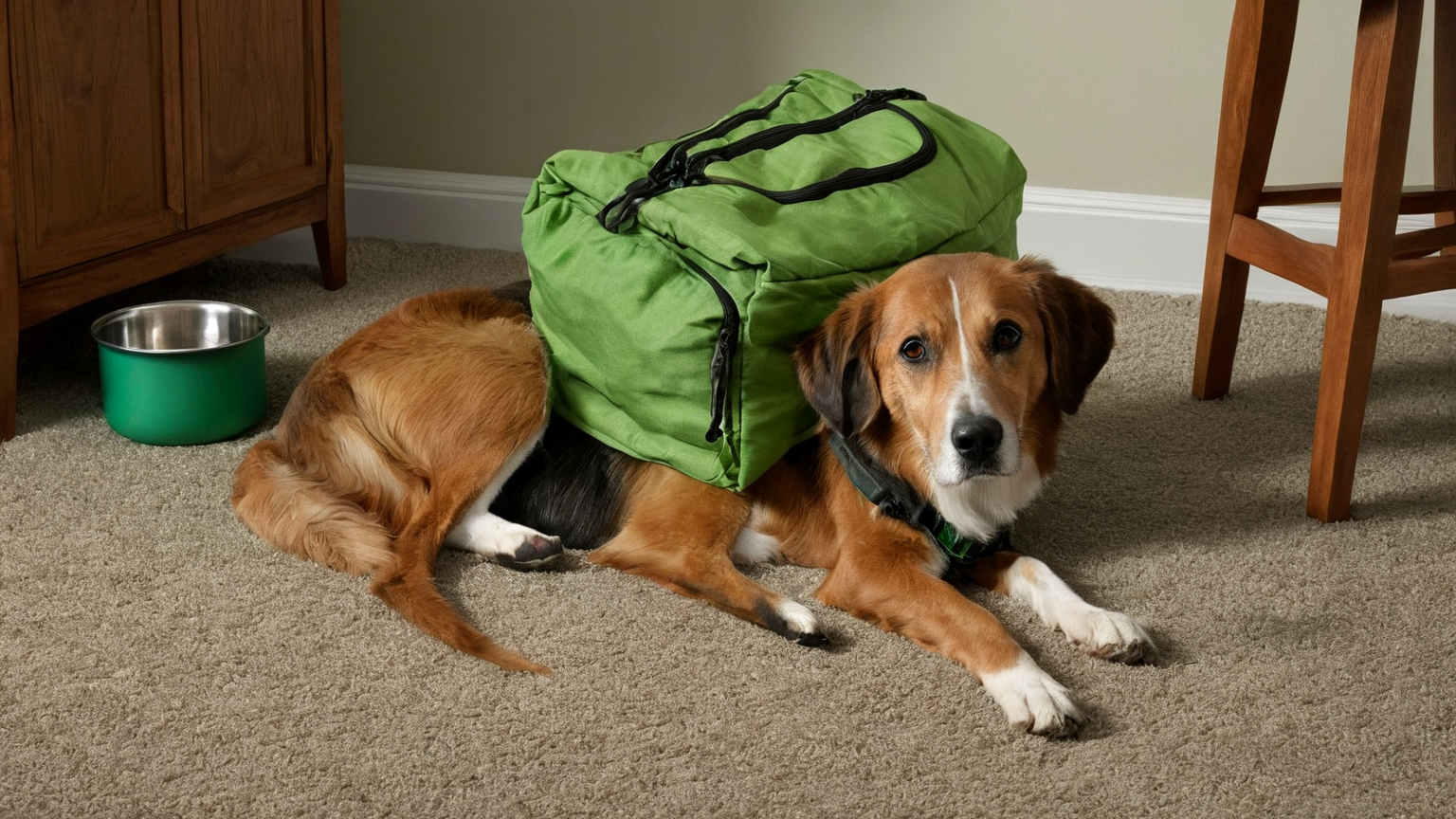
Updated June 1, 2026. Disaster planning for pets should be finished before the alert, not during the alert. This guide focuses on practical decisions that stay useful across wildfires, floods, storms, outages, and evacuation orders: a go-bag you can lift, a carrier your pet already trusts, records you can show quickly, and a shelter plan that does not depend on luck.
| Decision | Safer default | Evidence to keep |
|---|---|---|
| Evacuate or wait | Follow official evacuation orders early | Alert screenshot, destination, route |
| Carrier location | Open and familiar before storm/fire season | Photo of setup, pet response notes |
| Medication | Minimum several days plus prescribing info | Vet label, refill date, clinic number |
| Shelter choice | Confirm pet rules in advance | Name, phone, species limits |
| Return home | Wait for official clearance and inspect hazards | Local notice, photos of damage |
Start with the animal, not the bag
List each animal, species, age, microchip status, medication, feeding schedule, mobility limits, anxiety triggers, and likely hiding spots. A generic kit misses the real failure points: the cat that vanishes when the carrier appears, the senior dog that cannot jump into the car, the rabbit that overheats, or the medication that needs refrigeration. Keep the summary in a sealed pouch and as an offline phone note.
Pack a go-bag you can actually carry
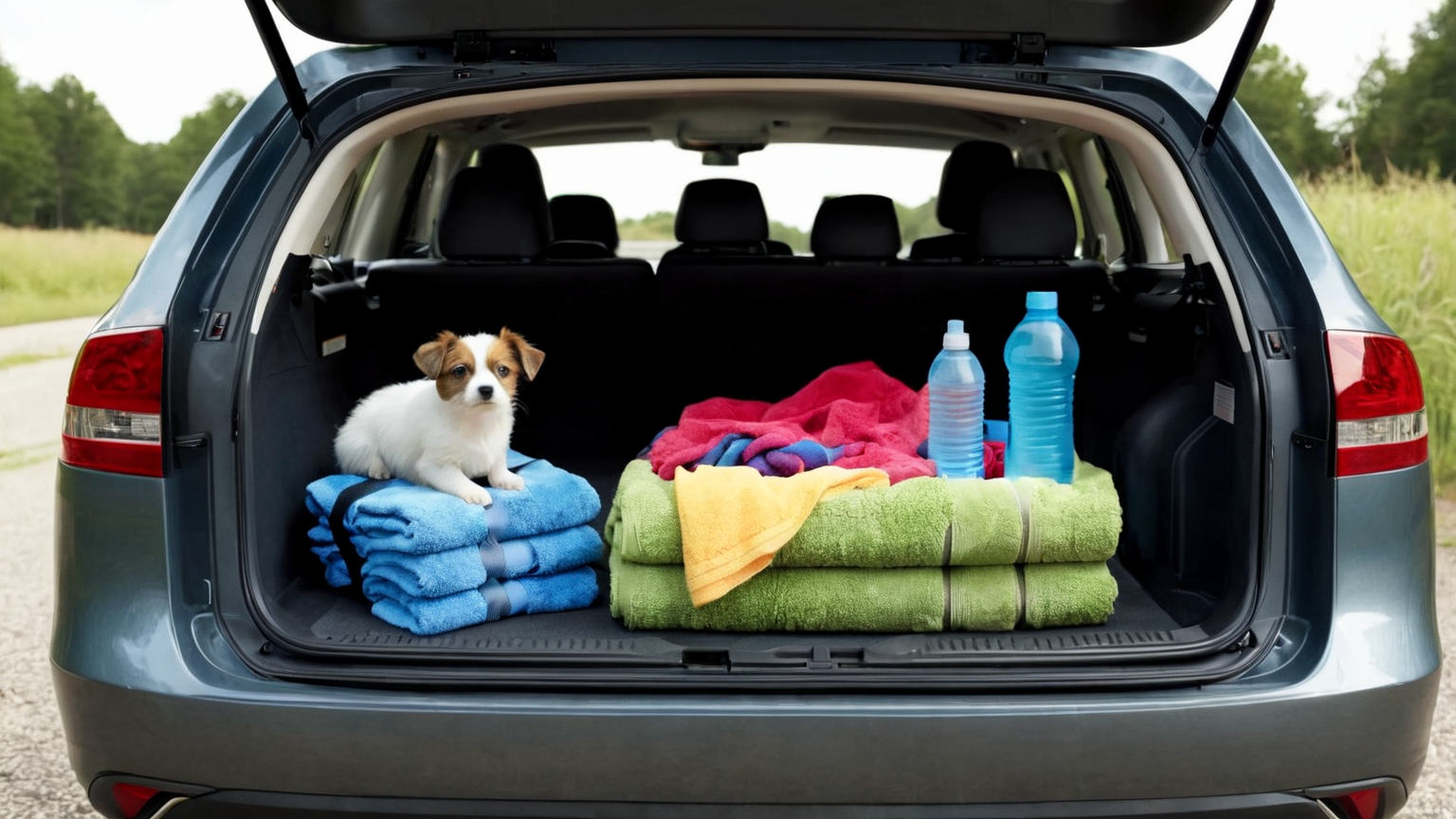
Use one bag or bin per household zone, not a warehouse of supplies nobody can move. Prioritize three days of food, water plan, bowls, leash or harness, waste bags or litter basics, medications, recent photos, vaccination records, towel, comfort item, and a simple cleaning kit. Rotate food and medicine dates monthly. If the bag blocks the exit or requires two people to lift, it is not an emergency bag.

Make carriers boring before alerts
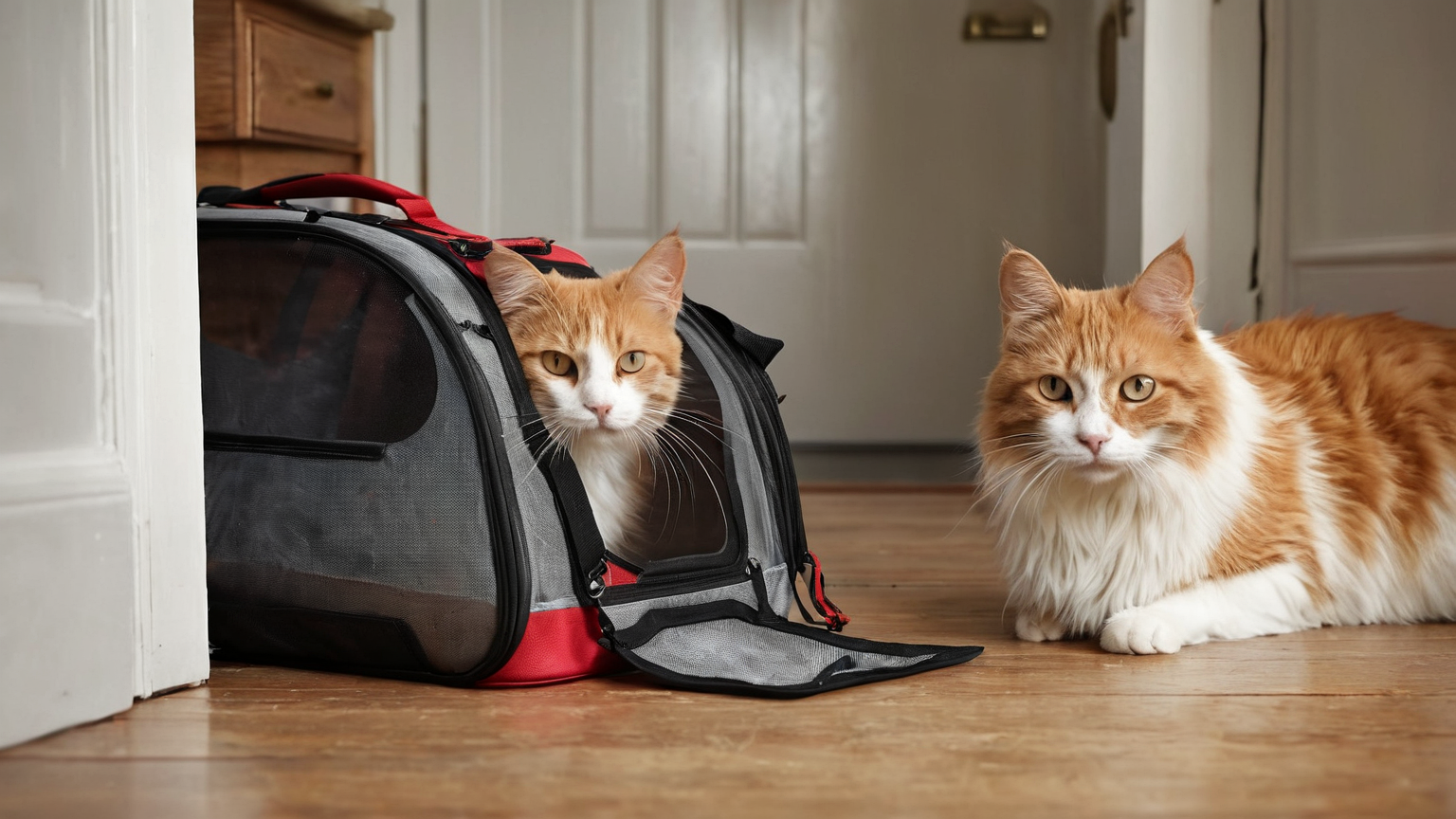
Carrier practice is disaster preparation. Leave carriers open, feed near them, add familiar bedding, and rehearse short calm entries. For pets that panic, ask your veterinarian about training and medication options before the season. During an evacuation, close unsafe hiding places early and move pets into one room before loading vehicles.
Plan the destination ladder
Write three destinations: a pet-friendly relative or friend, a hotel or shelter route, and a clinic/boarding fallback for special medical needs. Confirm rules before emergencies because some shelters restrict species, vaccination proof, crates, or space. Never assume a public shelter can take every animal without documentation.

Run a 20-minute drill
A drill reveals broken leashes, missing records, dead flashlights, expired medication, and pets that will not approach the carrier. Time the drill from alert to loaded vehicle, then fix one bottleneck. The goal is not speed alone; it is calm, safe, documented movement.
Decision checklist
- Every pet has ID, current photo, and a transport plan.
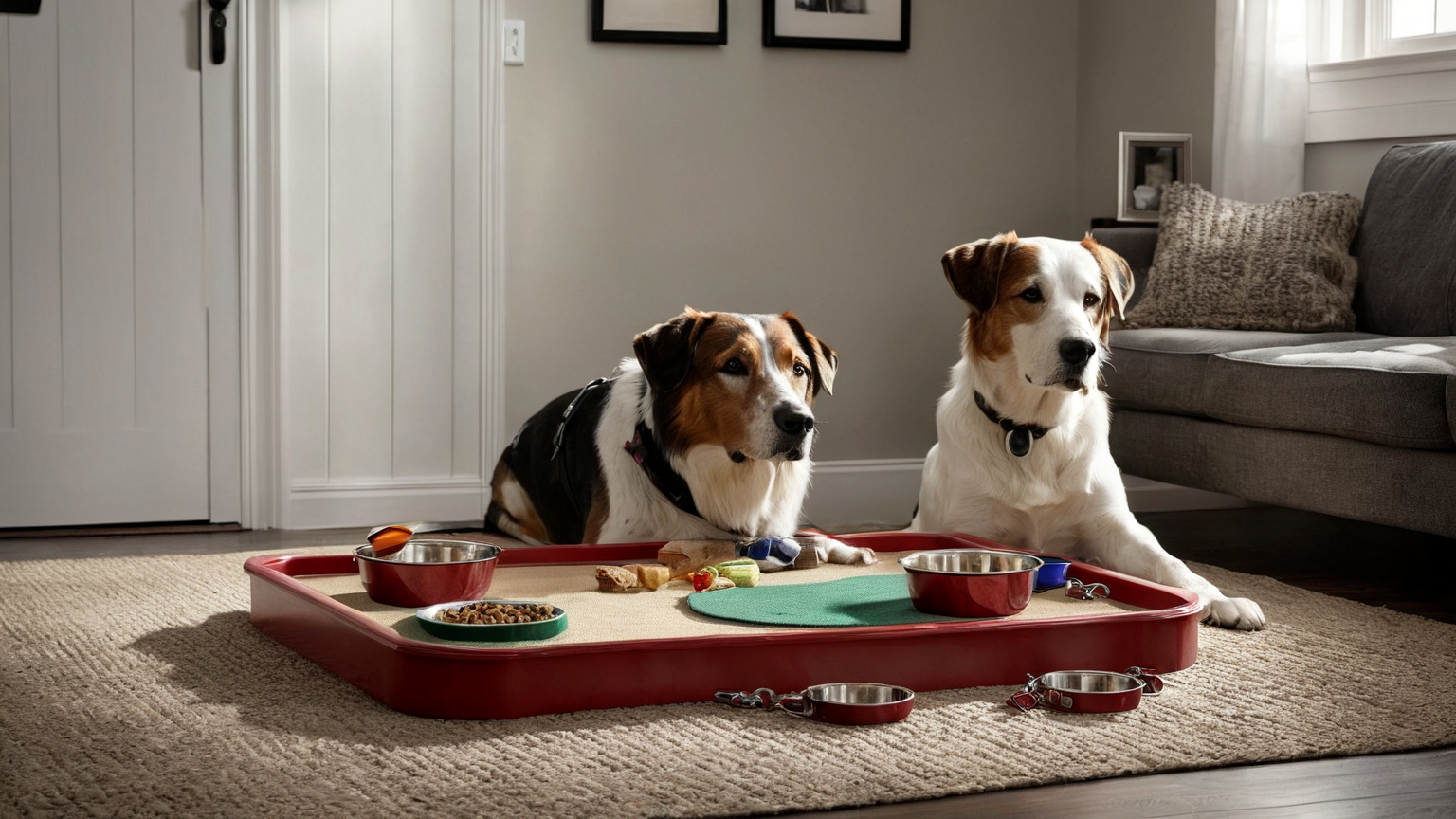
- Food, medication, water, sanitation, and comfort items are packed without blocking exits.
- A human knows who loads which animal and who calls the vet or shelter.
- Destination rules have been checked, not guessed.
- The plan was practiced once when nobody was panicking.
Common mistakes to avoid
| Mistake | Why it fails | Better action |
|---|---|---|
| Packing only for the animal, not the handler | A perfect pet kit is useless if the carrier, leash, records, and human transport plan are separated | Store carrier gear, medication notes, food, water, and contact cards together |
| Assuming every shelter accepts pets | Many public shelters, hotels, and relatives have rules, capacity limits, or species restrictions | Pre-check two pet-friendly destinations and keep phone numbers offline |
| Letting records go stale | Vaccination proof, microchip numbers, and medication labels are often needed under stress | Photograph records and refresh a paper copy after every vet visit |
| Overpacking the go-bag | Heavy bags get abandoned or block exits during evacuation | Pack three days of essentials first, then add comfort items only if they fit |
FAQ
Is this a substitute for veterinary or emergency instructions?
No. Follow local evacuation orders, shelter rules, airline or hotel policies, and your veterinarian’s guidance for medication, temperature risk, and species-specific handling.
How often should I revisit the pet evacuation plan?
Review it every quarter, after a move, after a new pet joins the home, after medication changes, and before wildfire, hurricane, flood, or winter-storm season.
What is the safest first step?
Place one labeled carrier-ready kit beside the carrier, add a current photo and medication list, and do a five-minute loading drill before buying extra gear.