Pet Evacuation Go-Bag Plan for Wildfire, Flood, and Heat Alerts in 2026
A veterinarian-aware pet evacuation kit guide for wildfire smoke, floods, heat alerts, records, carriers, medication, and caregiver handoffs without exposing private data.
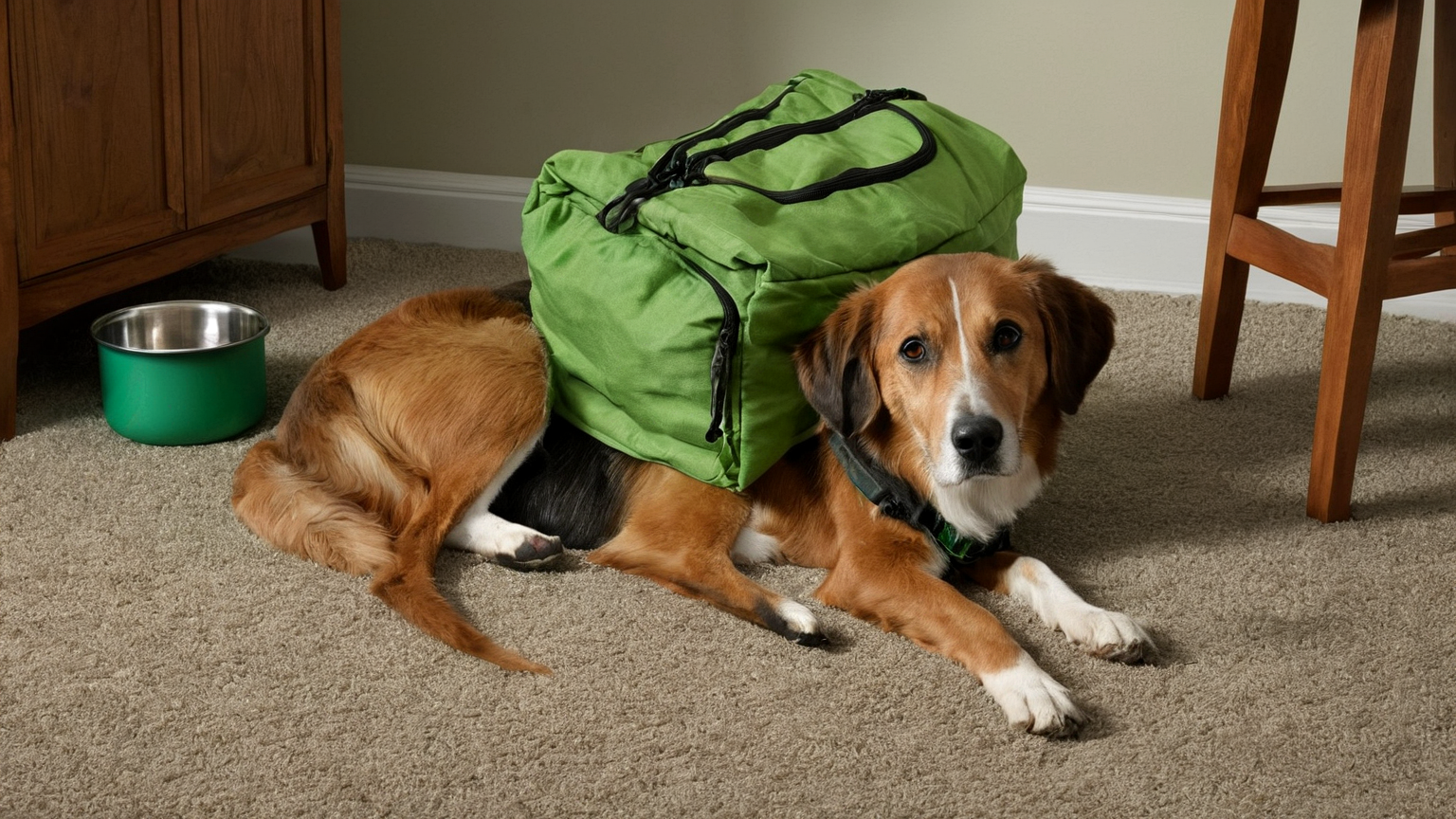
Updated 2026-09-06. Build this go-bag around the hazards and evacuation rules where the pet lives. The kit should keep each animal identifiable, contained, hydrated, fed, and connected to veterinary care while the household moves from an alert to a safe destination. Local officials and the receiving shelter control evacuation instructions; the veterinarian controls medication and medical advice.
Fast decision table
| Hazard decision | Prepare before the warning | Leave or escalate when |
|---|---|---|
| Wildfire or heavy smoke | Save two exit routes; stage carriers indoors; monitor official air and evacuation alerts | Authorities order evacuation, fire threatens the route, or the pet develops breathing distress |
| Flood or flash-flood watch | Move carriers and supplies above expected water; keep pets away from floodwater | Water enters the property, the safe route may close, or officials tell the area to leave |
| Extreme heat or outage | Identify an air-conditioned destination; protect temperature-sensitive medicine | Indoor temperature is no longer safe, cooling fails, or the pet shows heat-illness signs |
| Shelter transfer | Confirm animal rules, vaccination evidence, crate size, and check-in location | The planned site refuses the animal or cannot meet a medical or behavioral need |
1. Match the go-bag to the warning you actually receive
Start with the alert source and geography. Save the county, municipal, tribal, or state emergency page used in your area, enable its alerts, and write the zones that apply to home and the backup destination. Wildfire smoke may require earlier indoor staging; flash floods may make a familiar road unusable; extreme heat may turn a parked vehicle or uncooled building into a hazard. A generic supply list cannot make those decisions.
Write one departure trigger that another caregiver can recognize, such as an evacuation order for the home zone, water crossing the driveway, loss of cooling during an extreme-heat warning, or a veterinary instruction to relocate. Name the primary destination and an option outside the same hazard area. Mark routes on paper as well as on a phone because congestion, power loss, or weak service can interrupt navigation.
2. Prepare records without turning the kit into an identity leak
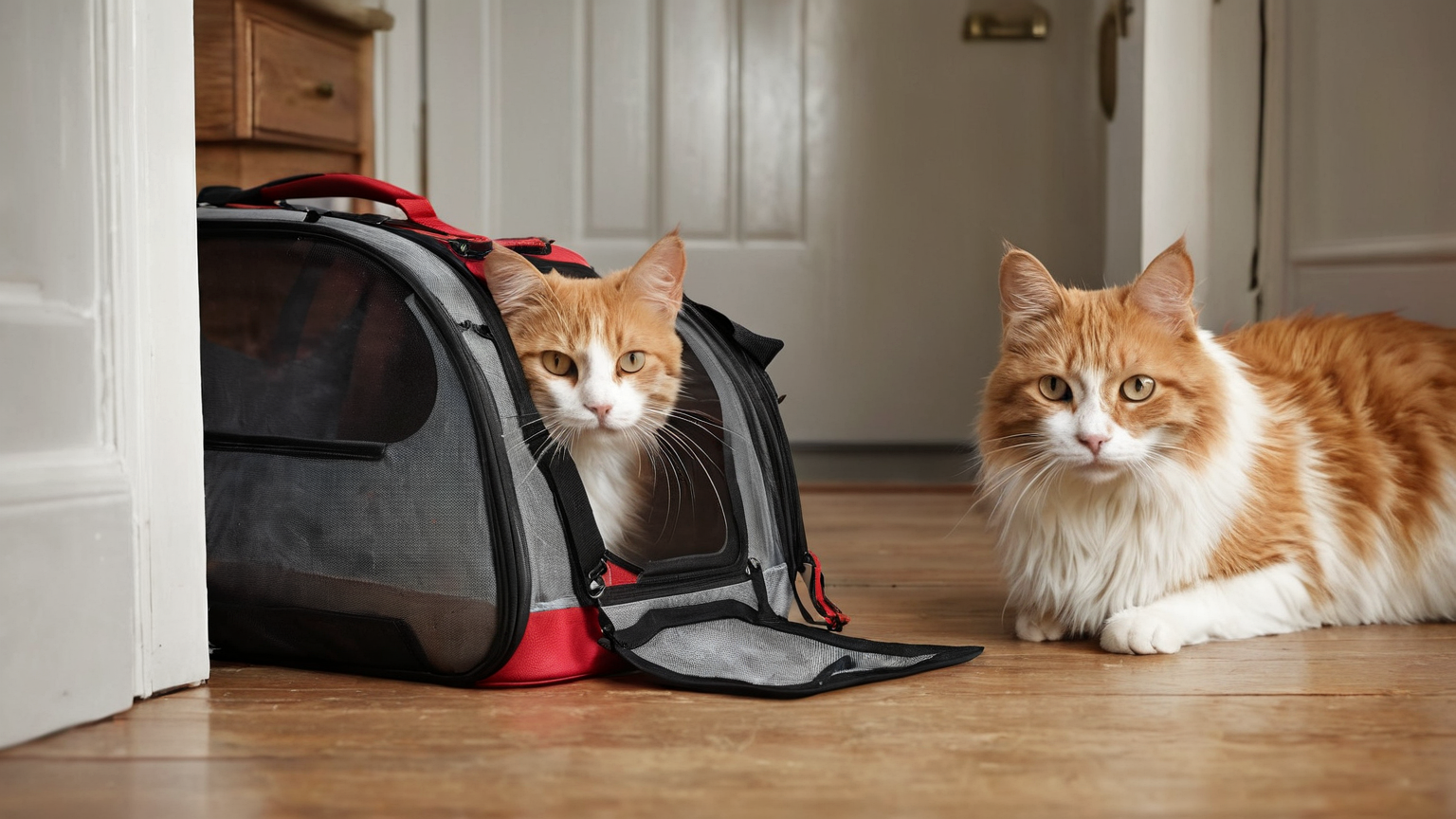
Keep a recent photo, species and breed description, microchip number, vaccination record, veterinarian and emergency-clinic contacts, medication list, and feeding instructions where a caregiver can reach them. Add the owner’s phone number to each carrier. A shelter may ask for records, while a separated pet may be reunited faster when the microchip registry and collar details are current.
Separate information needed immediately from records that expose unnecessary personal data. Put the pet handoff sheet in a waterproof pouch; keep full medical records and payment details in protected storage. If a backup caregiver may authorize treatment, document the clinic’s preferred consent process in advance. Do not put passwords, card images, or unrelated identity documents in the tote.
3. Separate daily comfort from emergency veterinary triggers
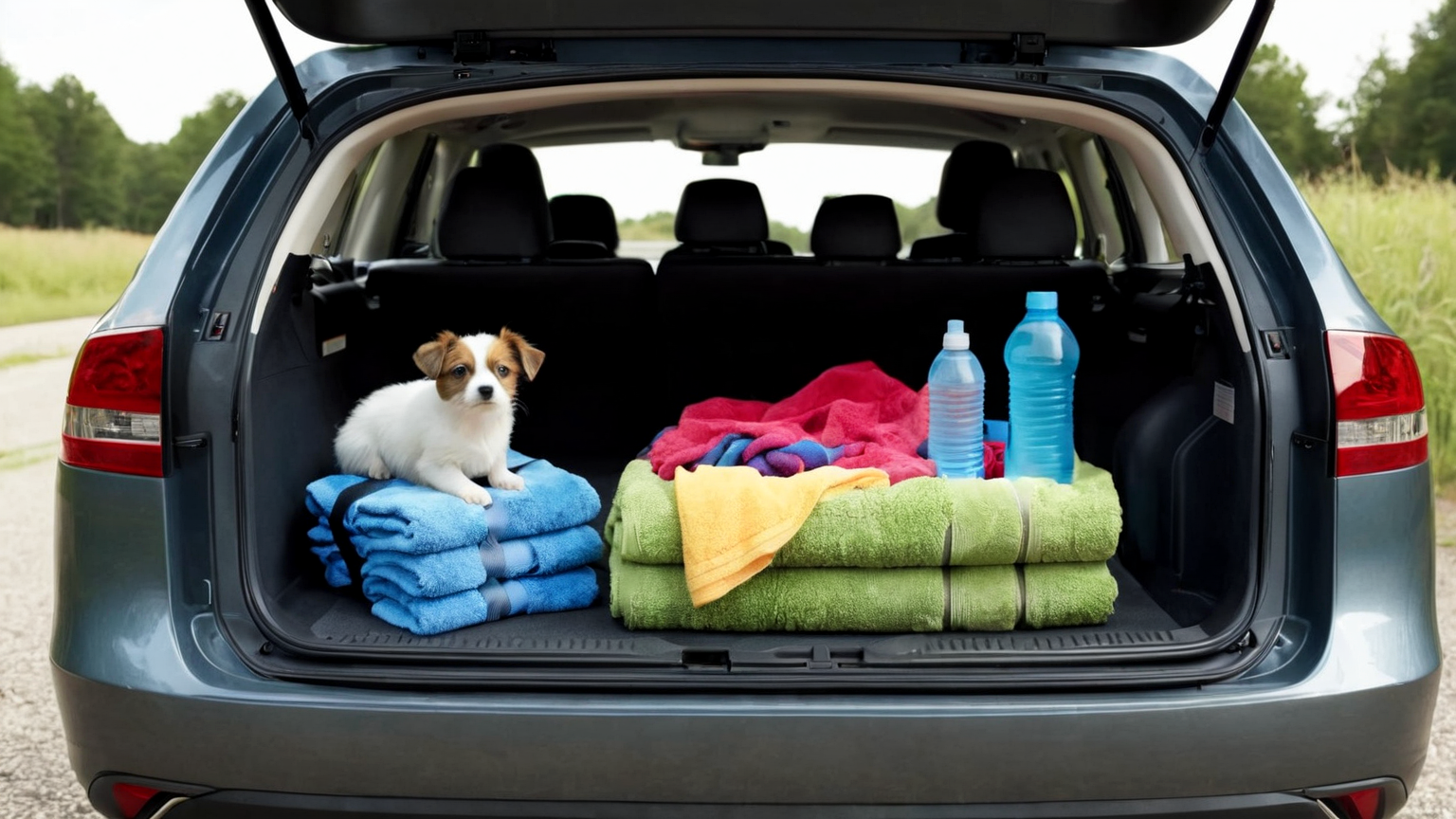
Pack ordinary care items by animal: familiar food, potable water, bowls, leash or harness, secure carrier, litter and pan for cats, waste bags, towels, bedding, and a current photo. Rotate food before expiration and choose portions the caregiver can count without estimating. Keep cats and small animals contained before opening exterior doors, even if they are normally calm.
A go-bag is not a treatment kit for collapse, breathing difficulty, repeated vomiting, major bleeding, seizures, toxin exposure, heat-illness signs, or smoke-related respiratory distress. Place the regular veterinarian, nearest emergency clinic, and animal poison service on the handoff card. Ask the clinic which first-aid items are appropriate; never pack medication or improvised remedies solely because an online checklist mentions them.

4. Pack medication for temperature and continuity
Keep medicine in its original labeled container with the pet’s name, drug name, strength, dose, timing, and prescribing clinic visible. Count enough doses for the planned evacuation period plus a practical delay, then ask the clinic how early refills can be requested. Include written missed-dose instructions rather than asking a caregiver to infer whether a dose should be doubled.
Temperature-sensitive products need a veterinarian-approved transport plan. Record the acceptable storage range, suitable insulated container, whether the product may touch ice, and the point at which it must be replaced. Use a small thermometer when the clinic recommends one, keep medicine out of a hot vehicle, and log any excursion so the pharmacist or veterinarian can judge it.
5. Test the carrier and route before the alert
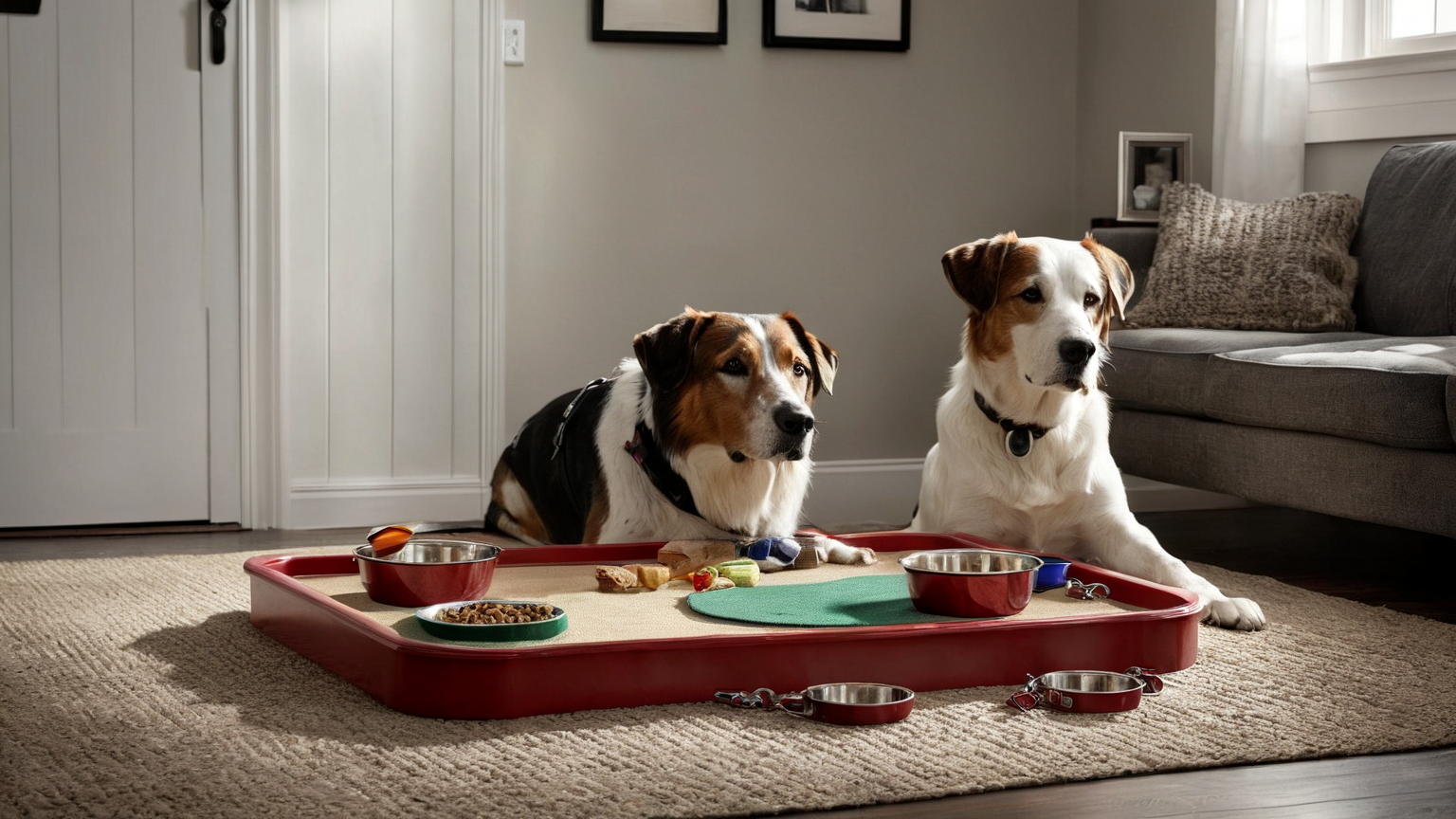
Practice loading each animal before an alert. Confirm that carriers close securely, allow the animal to stand and turn as appropriate, fit through the planned doorway, and can be lifted by the assigned handler. Label every carrier with pet and owner contact details. For dogs, check leash, collar, and harness fit; for cats, stage the open carrier in a familiar indoor room.
Run the planned drive at a normal time and identify fuel, charging, and rest-stop constraints without leaving an animal unattended in a vehicle. Verify that the destination accepts the species, number of pets, carrier type, and any medical equipment. If household members may evacuate separately, assign each pet to one named handler and specify who confirms that no animal remains inside.
One-page checklist
- Follow official evacuation instructions and leave early enough to avoid a blocked route.
- Pack food, water, medicine, sanitation supplies, restraint, and records for each named animal.
- Place current contact details on the animal, carrier, and waterproof handoff sheet.
- Confirm a destination that accepts the species and can meet behavioral or medical needs.
- Keep floodwater, smoke exposure, extreme heat, and unsafe vehicle temperatures out of the plan.
- Call veterinary care for medical warning signs instead of improvising treatment.
Common mistakes and safer replacements
| Mistake | Why it fails | Pet-specific correction |
|---|---|---|
| Waiting for an order to find the cat | Frightened cats may hide as noise and smoke increase | Confine the cat to a carrier-ready room when alerts worsen |
| Storing all food and medicine in the car | Heat, freezing, theft, and expiration can ruin supplies | Stage the packed kit indoors and load it when departure is likely |
| Naming only one nearby destination | The same fire, flood, or outage may affect it | Confirm one local option and one outside the hazard area |
| Opening carriers at a stop | A startled pet can escape in unfamiliar terrain | Open only inside a closed building or fully secured vehicle |
| Forgetting record updates | Stale phone numbers and doses delay safe care | Review contacts, photos, weight, prescriptions, and vaccines each season |
FAQ
Does this replace professional advice?
No. Emergency officials decide public-safety actions, shelters set admission rules, and veterinary professionals direct medical care. This checklist helps a household prepare supplies and a handoff before those decisions are urgent.
What information should stay out of the visible tote?
Do not include account passwords, payment-card images, full identity documents, or unrelated household records. Carry the minimum pet and caregiver details needed for identification, shelter entry, and veterinary contact, with sensitive records stored separately.
How do I know the plan is current?
Check it at the start of the local fire, flood, storm, or heat season and after a move, medication change, vaccination, new caregiver, or microchip update. Replace expired food and medicine, then repeat the loading drill.
Why use several emergency and veterinary sources?
No single agency covers every evacuation detail. Comparing emergency-management, public-health, animal-welfare, and veterinary guidance helps a household separate broadly useful preparation from instructions that depend on the local hazard, shelter, or animal.
Seasonal review drill
Run a fifteen-minute seasonal review. Open the local emergency alert page, verify the home zone and two routes, call or check the planned destination’s current animal rules, inspect carrier hardware, and rotate food and water. Record the date on the handoff card so a caregiver can distinguish a current plan from an abandoned list.
Practice in three stages: bring each pet into the carrier-ready room, secure the restraint or carrier, and move the packed kit to the vehicle or departure point. Stop if the animal shows severe distress or handling becomes unsafe; ask the veterinarian about training support rather than forcing repeated loading. Note any doorway, stair, carrier, or handler problem revealed by the drill.
The finished plan should be short enough to use during an alert. Put departure triggers and destinations first, animal-specific handling and medicine next, and optional supplies last. A tired caregiver should be able to identify every animal, secure it without opening a route to escape, and know which medical signs require an immediate call.
Assign a transport plan for each animal
Write one transport line per pet: carrier or restraint, loading order, primary handler, backup handler, destination, and the condition that makes private transport unsafe. Test that every carrier closes, fits through the intended doorway, and can be lifted without relying on a frightened animal to cooperate. House cats need identification and a secure carrier even if they normally stay indoors; dogs need a leash or restraint even when recall is reliable. If heat, smoke, floodwater, blocked roads, or the handler’s health makes departure unsafe, follow local emergency instructions rather than improvising a route through a hazard.