Pet First-Aid, Temperature, and Transport Plan for Dogs and Cats
Build a practical dog-and-cat first-aid plan for heat, cold, wounds, poisoning concerns, and safe veterinary transport.
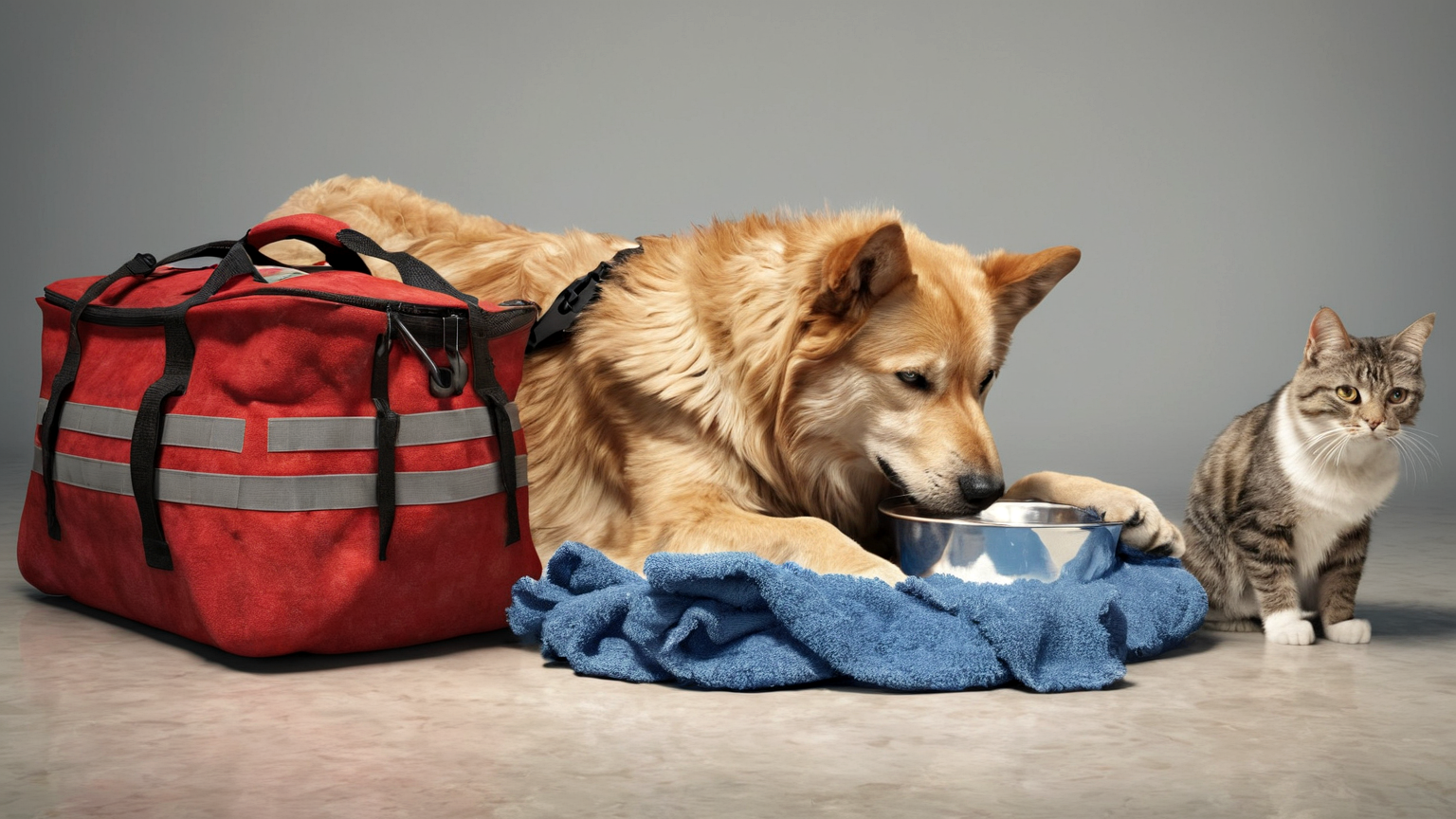
Updated June 2, 2026. Pet first aid is not about replacing a veterinarian; it is about keeping a dog or cat safer during the minutes when you are deciding whether to call, travel, cool, warm, isolate, or document. This plan turns broad advice into an owner-ready workflow: know normal behavior, pre-pack safe supplies, avoid risky home treatments, and make the transport path boring before the emergency happens.
| Situation | Safer first move | Do not do | Evidence to keep |
|---|---|---|---|
| Heat stress signs | Move to shade/cool area and call a vet | Ice bath or delay because the pet “seems better” | Time, weather, symptoms |
| Possible poison | Call vet/poison hotline with product details | Induce vomiting without instruction | Product photo, amount, time |
| Bleeding/wound | Gentle pressure and transport guidance | Apply human medicines casually | Photo only if safe, wound time |
| Breathing trouble | Urgent veterinary help | Wait for an appointment slot | Video if it does not delay care |
| Cold exposure | Warm gradually and call if weak/painful | Direct high heat or rubbing injuries | Exposure length, surface, temperature |
Build the kit around safe handling
Start with supplies that help you protect the pet and yourself: clean towels, gauze, saline, gloves, tweezers, a muzzle only when appropriate for dogs, a spare leash or slip lead, and the carrier your cat already accepts. Skip products you do not know how to use. Keep the kit near the exit, not buried under seasonal storage, and mark expiration dates in your household maintenance routine.
Use temperature decisions, not guesswork
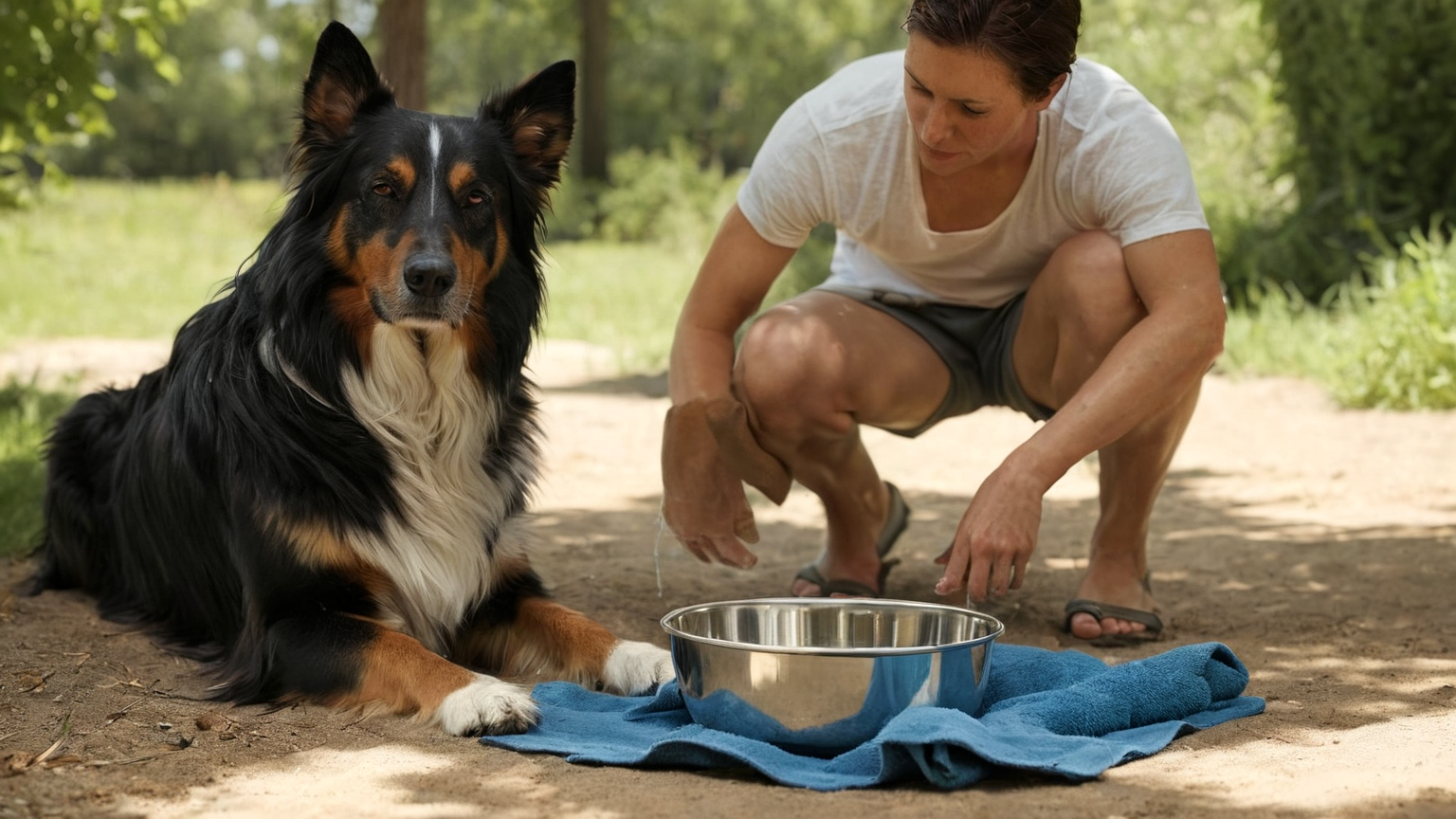
Heat and cold emergencies look different across breed, age, coat, weight, and medical history. Brachycephalic dogs, seniors, very young pets, pets with heart or respiratory conditions, and overweight pets may decline faster. Your plan should say where the cool room is, which car has air conditioning, who calls the clinic, and when you stop outdoor activity before symptoms appear.
Treat poisoning concerns as an information problem
The most helpful action is often fast, accurate information: what the pet may have eaten, how much, when, current symptoms, and the pet’s weight. Keep packaging if safe, photograph the product, and call a veterinarian or poison-control service. Do not search forums for a home antidote while symptoms worsen.
Practice transport before panic
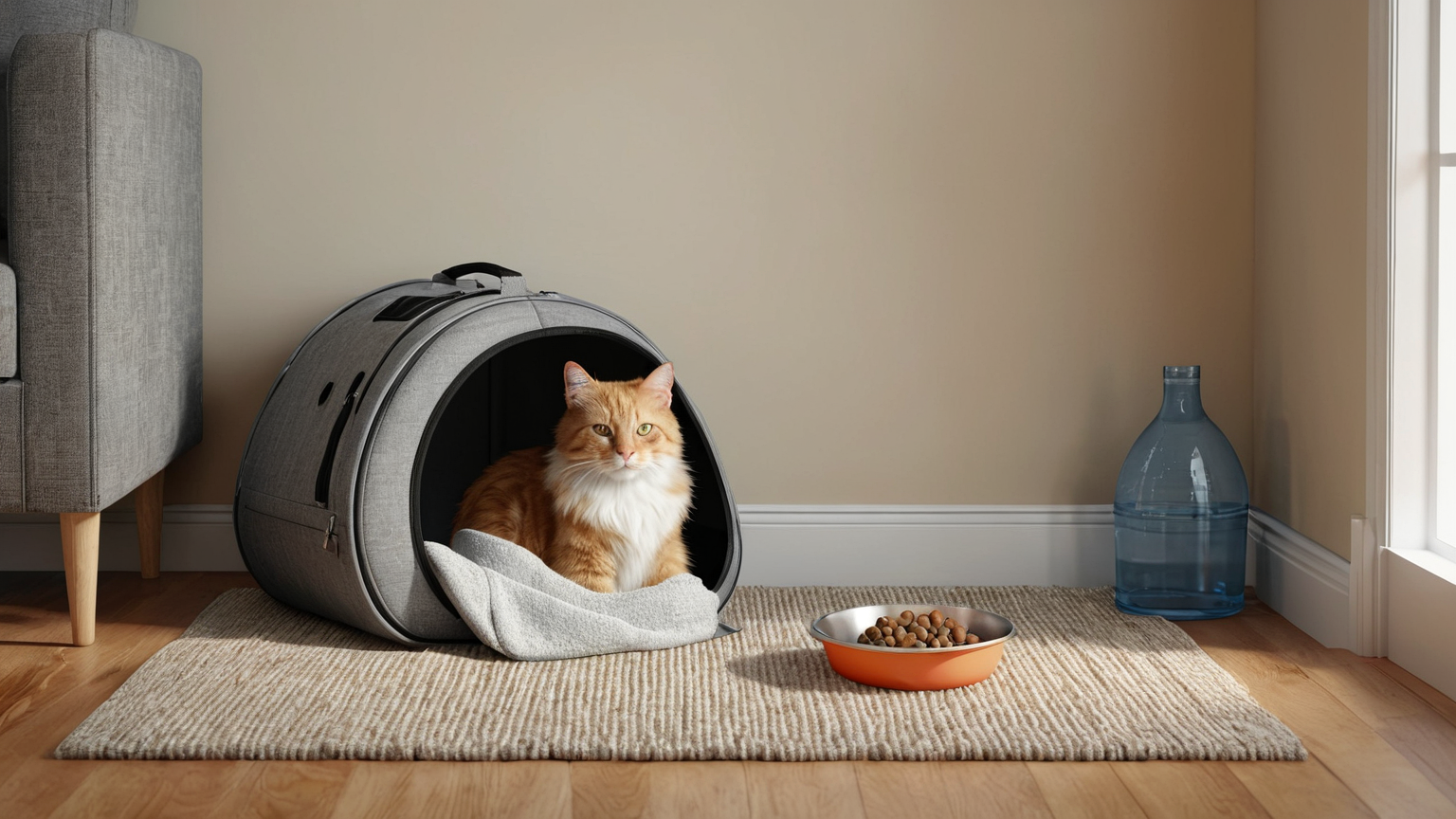
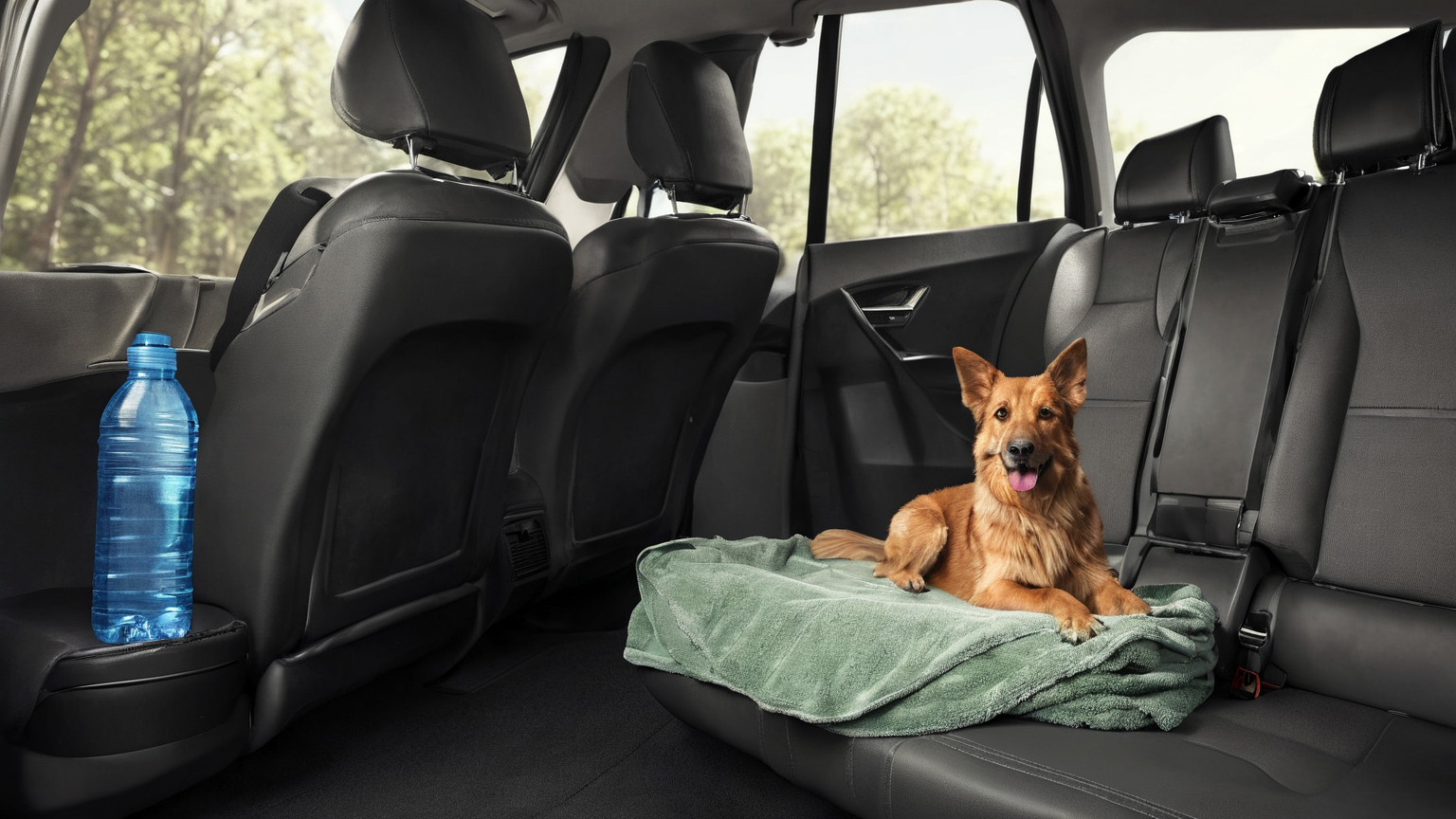
A pet that cannot be loaded safely cannot benefit from your supplies. Practice carrier entry, leash transfer, and car placement. Keep the carrier clear of airbags, secure it against sliding, and know which clinic or emergency hospital is open before you need it. For cats, a top-loading or easily disassembled carrier can reduce stress during urgent handling.
Document for the veterinarian, not social media
Good notes help triage: time symptoms began, suspected trigger, medications, food, water, stool or vomiting changes, and any first-aid steps already taken. Avoid posting identifiable clinic records or product labels online. The goal is a clean handoff to professionals, not a dramatic archive.

Readiness checklist
- Kit location is known by every caregiver.
- Carrier and leash handling were practiced in a calm moment.
- Emergency clinic, primary vet, and poison-control options are written down offline.
- Heat/cold thresholds are adapted to the individual pet.
- No human medication or vomiting step is used without veterinary instruction.
Mistakes that weaken the plan
| Mistake | Why it is risky | Better habit |
|---|---|---|
| Buying a huge kit nobody can explain | Supplies become clutter instead of care | Keep fewer items and a one-page use rule |
| Assuming cats will cooperate | Delay happens during loading | Normalize carrier access weekly |
| Waiting for severe heat signs | Heat illness can progress quickly | Stop early for high-risk pets |
| Googling after toxin exposure | Bad advice wastes triage time | Call with product details |
FAQ
Is this a substitute for veterinary care?
No. It is a preparation and triage guide. Call a veterinarian or emergency clinic when symptoms are serious, uncertain, fast-changing, or involve poison, breathing, seizures, collapse, severe pain, or uncontrolled bleeding.
Should I keep medicines in the kit?
Only keep medications prescribed or explicitly recommended for that pet by a veterinarian, with current instructions. Human medicines can be dangerous for pets.
What is the best first improvement?
Practice calm transport once this week and write the emergency contact path on paper.