Pet Medication Power Outage Emergency Plan for 2026
A practical pet-owner plan for refills, cold-chain medicines, evacuation documents, veterinary contacts, and safer medication continuity during storms or outages.
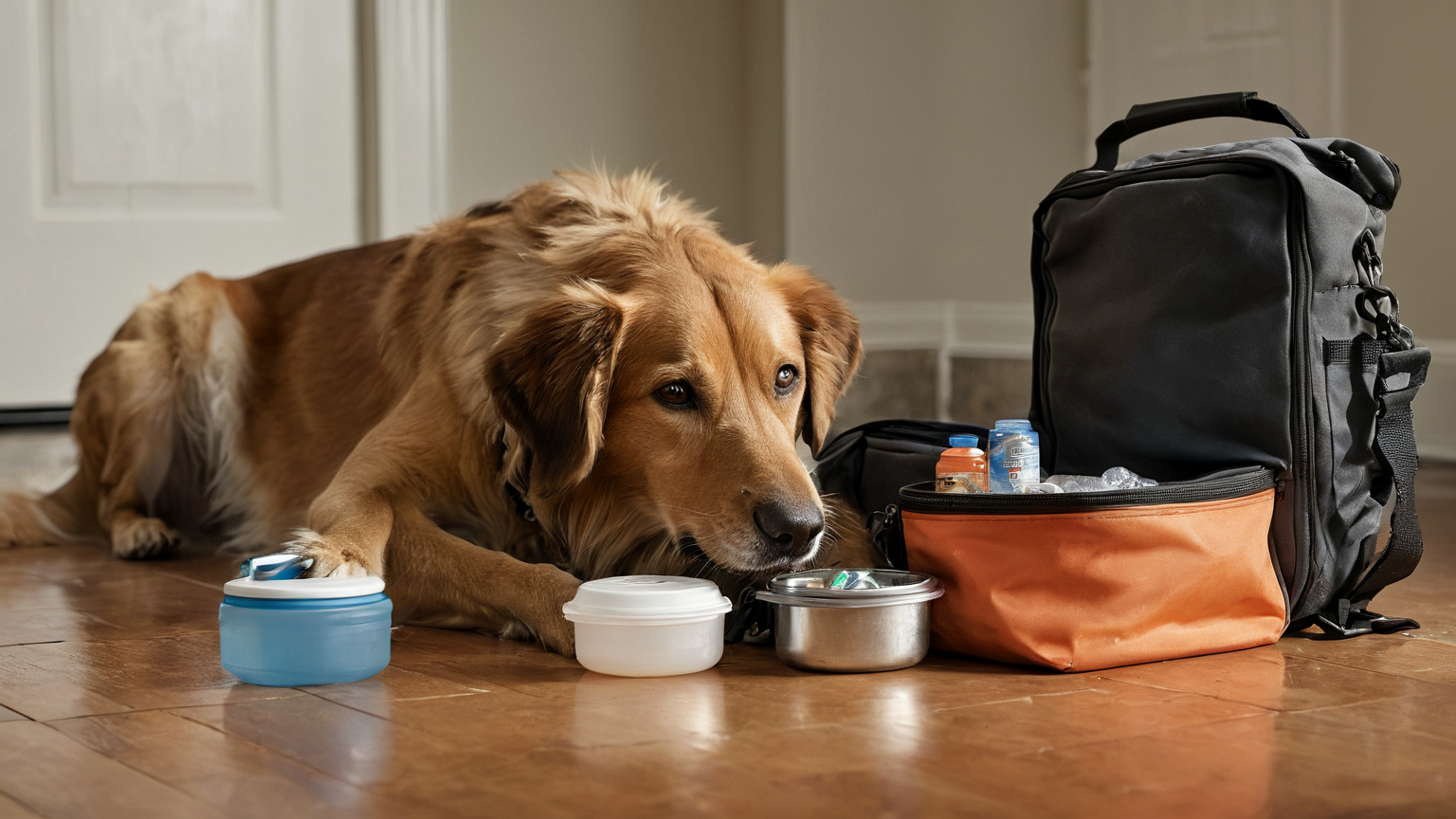
Updated June 5, 2026. A storm, wildfire evacuation, flood detour, or long power outage becomes much harder when a dog or cat depends on daily medication, prescription food, insulin, seizure medicine, eye drops, cardiac medicine, or a controlled refill schedule. This guide turns public emergency-preparedness advice into a household workflow you can do before the weather alert, not while the refrigerator is warming and the clinic phones are jammed. It does not replace veterinary instructions; it helps you keep the instructions usable when normal routines break.
The 20-minute medication continuity checklist
| Step | What to prepare | Why it protects the pet |
|---|---|---|
| Refill window | Know the earliest safe refill date and clinic policy | Avoids rationing or missed doses during closures |
| Medication list | Drug name, strength, dose, schedule, prescribing clinic | Lets another veterinarian understand the plan quickly |
| Temperature plan | Ask which medicines need refrigeration and the allowed range | Prevents guessing with ice, heat, or freezing |
| Documents | Vaccine record, diagnosis summary, microchip, recent labs if relevant | Speeds boarding, sheltering, or emergency care |
| Contacts | Primary vet, emergency vet, pharmacy, poison-control number | Reduces decision time when roads or phones are disrupted |
1. Start with the refill problem, not the go-bag
The most common failure is ordinary: the medication bottle is almost empty when the outage starts. Build a refill rule for every chronic medication. Put a reminder on the household calendar to check supply when about two weeks remain, then ask the clinic how early refills can be requested. If the medicine is controlled, compounded, refrigerated, or requires bloodwork before refill, write that constraint in the same place. A go-bag cannot solve a prescription that was not refilled.
2. Make a one-page veterinary handoff
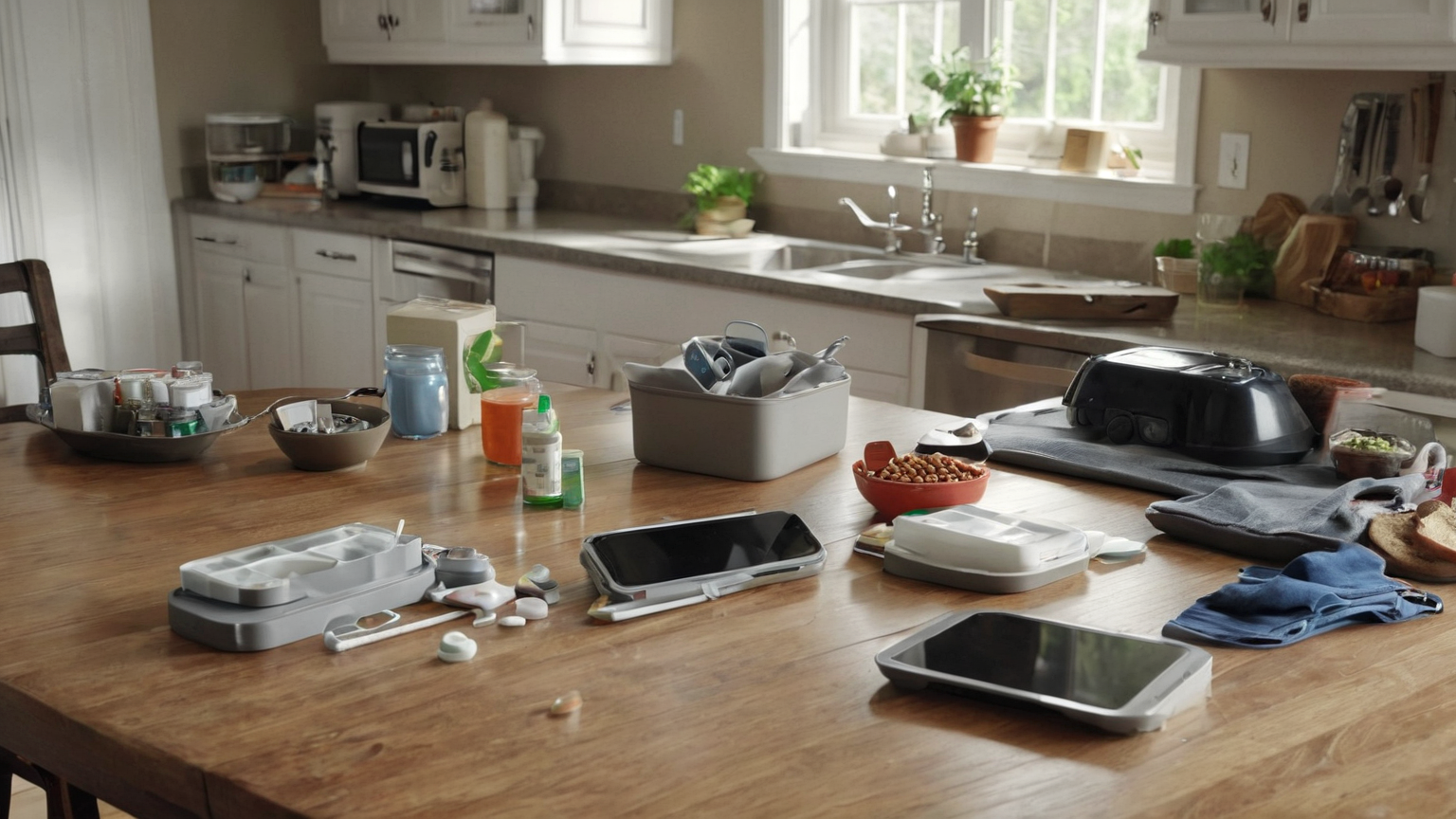
Create a plain handoff sheet for each pet: name, species, age, weight range, microchip, allergies, diagnosis, current medication schedule, food needs, and behavior notes. Keep it with the carrier, and store a photo copy on your phone. The goal is not to publish private medical details; it is to let an emergency clinic, shelter intake volunteer, boarding facility, or family helper avoid dangerous improvisation. Update it whenever the dose changes.
3. Ask about temperature before you need ice
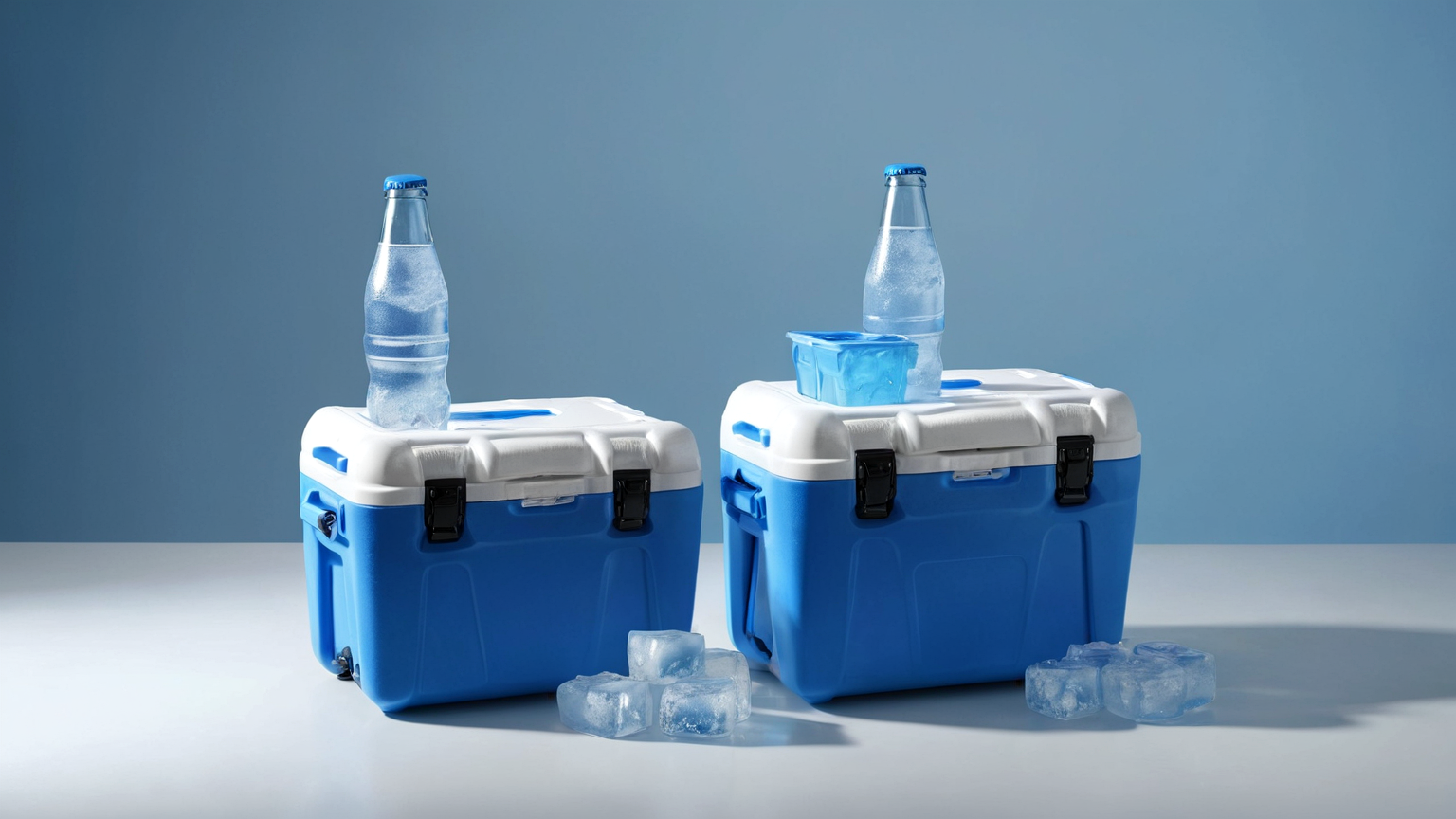
Some pet medicines can tolerate room temperature for a limited period; others should remain refrigerated; some should not freeze. Do not infer the rule from human medicines or from another pet. Ask the veterinary team or pharmacy for the storage range, what to do after a suspected temperature excursion, whether a replacement is needed, and whether a travel cooler is appropriate. Write the answer on the handoff sheet in your own words.
4. Build the evacuation shelf around medication, not just food
Food, water, leashes, litter, waste bags, carriers, and towels matter, but medication changes the priority order. The shelf should hold the current handoff sheet, a small insulated bag if needed, copies of vaccine records, a spare leash/harness, and enough food transition information to avoid sudden diet changes. Keep containers sealed, labels protected from water, and pet identification current. Do not leave medicine in a hot car while packing.

5. Decide who can help if you cannot reach home
A neighbor with a key is not automatically a medication helper. Choose a person who can safely enter, read the handoff sheet, identify the correct pet, and call the veterinarian if anything is unclear. For pets that bite, hide, require injections, or have strict timing, plan professional boarding or clinic contact earlier. If your area has repeated flood or wildfire evacuation risk, confirm that the helper also has transportation and can accept the pet temporarily.
6. Use a calm triage ladder during the outage
| Situation | Safer response | Avoid |
|---|---|---|
| One dose may be late | Call the veterinary line or follow written missed-dose instructions | Doubling a later dose without guidance |
| Refrigerated medicine warmed | Keep it separated and ask the pharmacy/vet before using | Refreezing, guessing, or discarding without advice |
| Clinic closed | Use the emergency clinic list and bring records | Waiting until symptoms become severe |
| Evacuation shelter uncertain | Verify pet policy before arrival when possible | Arriving with no carrier, records, or supply |

AdSense-readiness note
This article avoids affiliate product pressure and keeps the user goal clear: medication continuity, veterinary coordination, and emergency preparedness. The next readiness improvement for PetWellHub is to add a concise site-wide emergency disclaimer page that links veterinary, poison-control, and disaster-preparedness resources without making diagnosis claims.