Pet Medication Refill and Cold-Chain Outage Plan for Storm Season in 2026
A veterinarian-aware storm outage plan for pet medication refills, cold-chain storage, carriers, caregiver handoffs, and privacy-safe records.
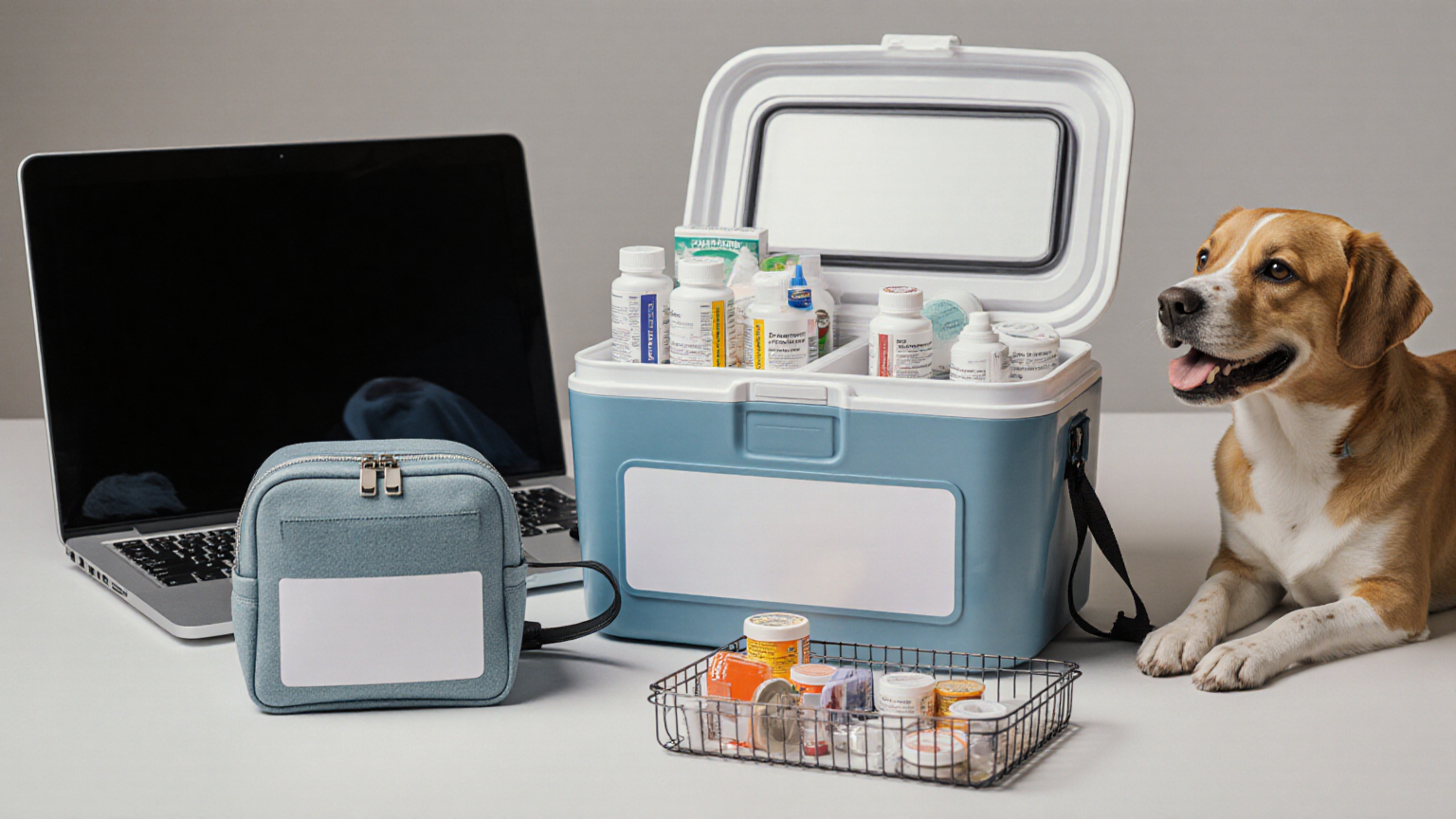
This pet medication refill and cold-chain outage plan is for households that already know their pet depends on a medication, prescription diet, insulin, refrigerated biologic, seizure medicine, heart medicine, thyroid tablet, or another item that should not be improvised during a storm. The goal is not to diagnose or change a treatment. The goal is to keep the veterinary plan readable when power, shipping, clinic hours, or a caregiver handoff becomes unreliable.
Use this guide as a preparation checklist before the next thunderstorm, wildfire-smoke week, hurricane watch, heat advisory, or local outage. Keep dosage decisions with the prescribing veterinarian or pharmacy. Keep private prescription details in the clinic portal, pharmacy record, or a sealed folder instead of on public notes, shared photos, or a refrigerator list that guests can read.
First: make a medication continuity card
Create a one-page card with only the information a trusted caregiver would need to call the right professional. Include pet name, veterinarian clinic name, pharmacy name, refill due date, storage category, and the person authorized to make decisions. Do not include full account passwords, payment-card numbers, portal logins, or casual guesses about dose changes.
For refrigerated medicine, add the storage instruction exactly as written by the clinic or pharmacy. If the label says to refrigerate, the plan should say who will move it to a cooler, which cooler is used, where ice packs are stored, and when to call the clinic if the medicine may have warmed. Do not freeze a medicine or use it after questionable storage just because it looks normal.
For controlled, expensive, or hard-to-replace medicine, add a refill calendar. The calendar should prompt you before the last few doses, not after the bottle is empty. During storm season, a seven-to-ten day warning is often more useful than a same-day reminder because shipping, clinic closures, and pharmacy stock can all slow the refill.
Refill and cold-chain decision table
| Situation | Safer next step | What to avoid |
|---|---|---|
| Fewer than seven days remain | Call the clinic or pharmacy through the official number and ask about refill timing | Waiting until the final dose |
| Power outage starts | Move refrigerated items to the prepared cooler only if label/clinic instructions allow it | Opening the refrigerator repeatedly to check |
| Medicine may have warmed | Record the time window and call the veterinarian/pharmacist before use | Guessing that it is still potent because it looks unchanged |
| Caregiver must administer a dose | Give the caregiver the clinic-approved instruction sheet and emergency contact | Texting partial dosage notes without context |
| Evacuation is possible | Pack labeled medicine, prescription diet, proof of vaccination, and the clinic contact card | Repacking loose pills into unlabeled bags |
Build the storm-season refill routine
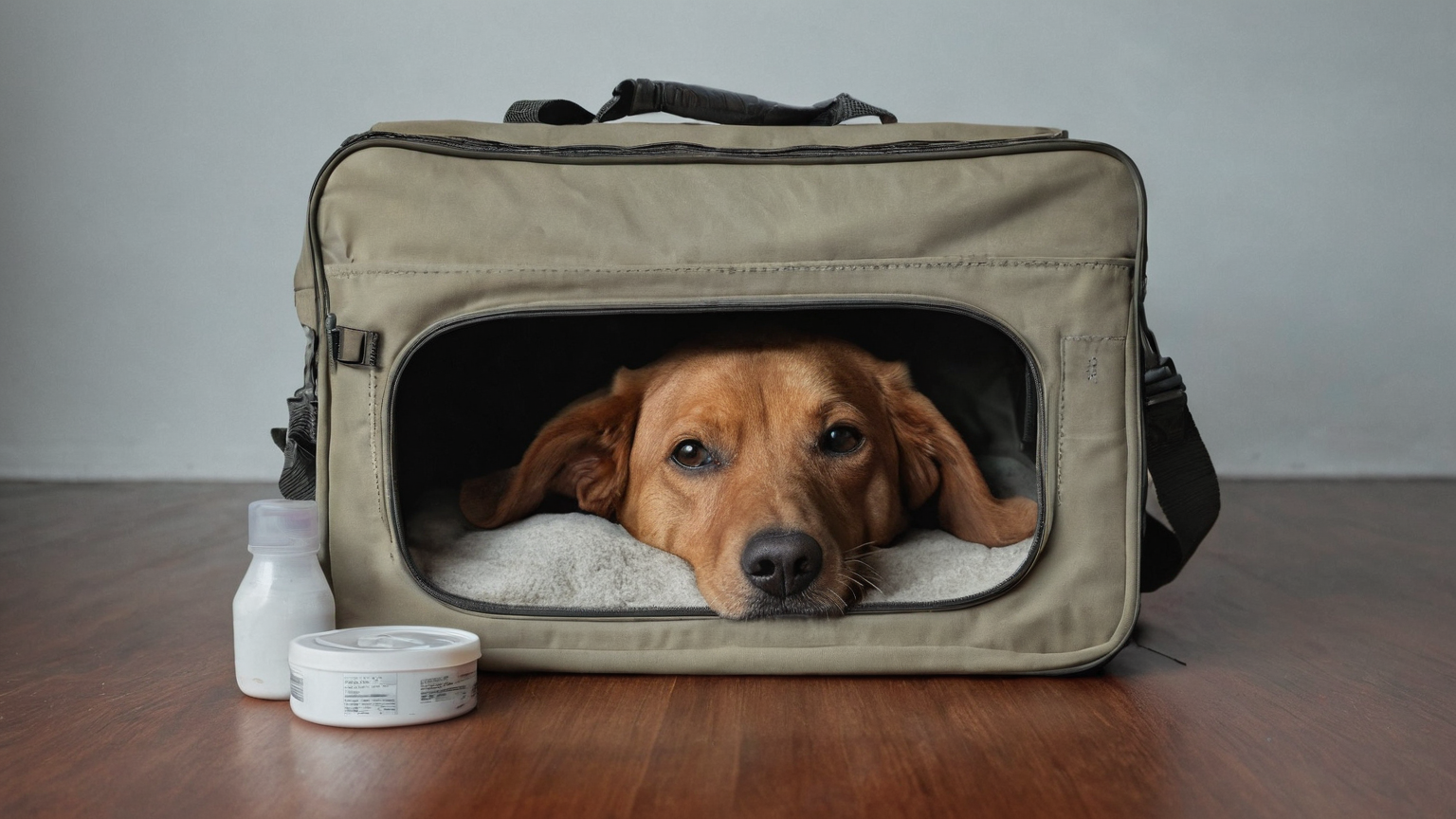
Pick one weekly review day. Count remaining doses, check whether the prescription has refills left, and confirm the clinic or pharmacy hours for the week ahead. If the pet uses a refrigerated item, inspect the cooler, ice packs, and a small thermometer or temperature indicator if your veterinarian recommends one. The review should take less than ten minutes; if it is longer, the system is probably too complicated.
Keep two contact paths: the normal clinic number and the after-hours emergency option recommended by your clinic. If your area has a veterinary specialty hospital or emergency clinic, save the address and phone number before a storm. A printed card is useful because phones can lose power, and family members may not know which app contains the contacts.
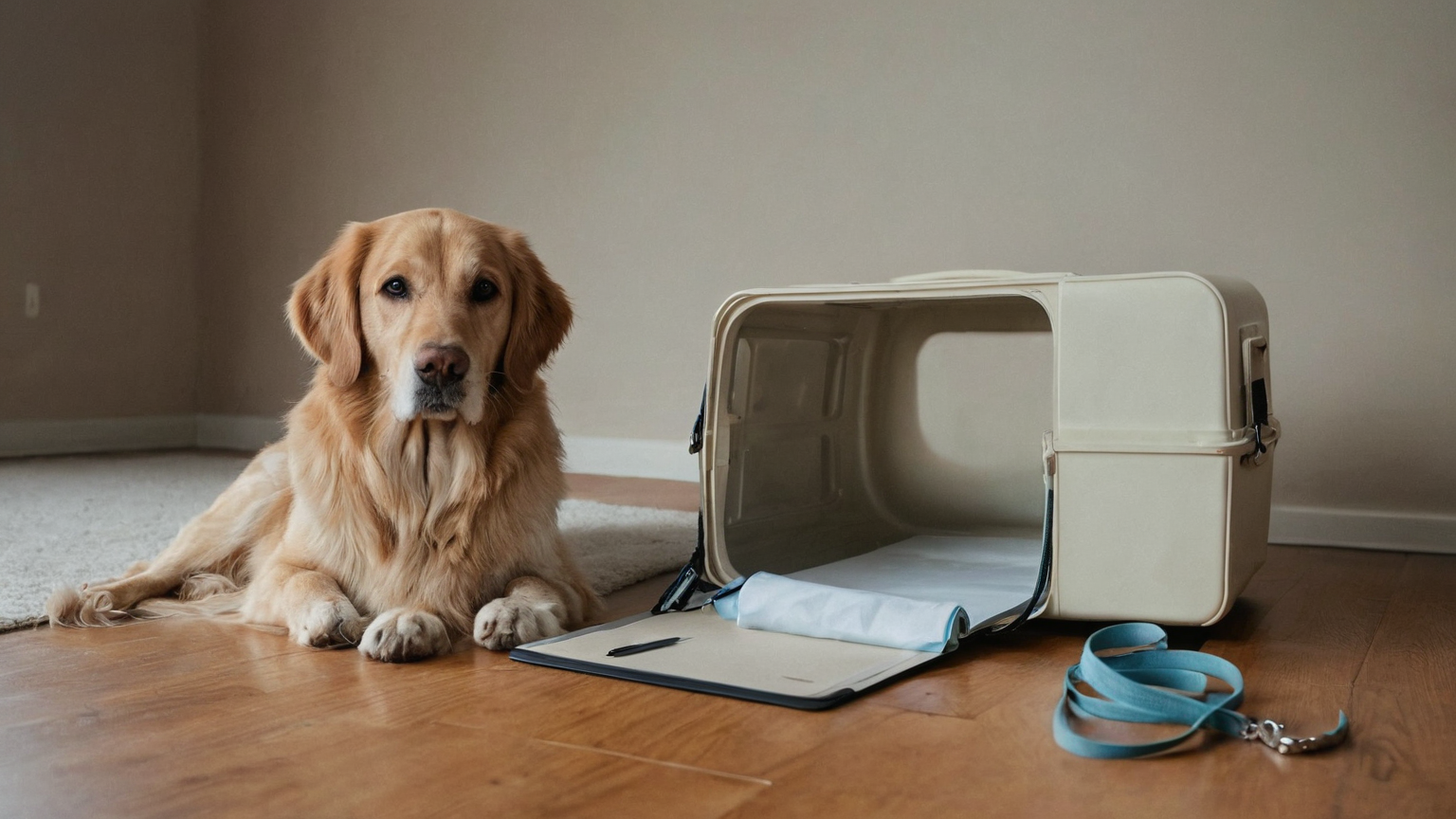
If the pet boards, travels, or stays with a neighbor during outages, rehearse the handoff before it is urgent. The caregiver should know where the carrier is, how to identify the pet, what medicine is time-sensitive, and what question requires a veterinarian call. A caregiver should not be asked to interpret a complex medical plan from memory.
Privacy-safe recordkeeping
A useful record says: date requested, clinic or pharmacy contacted, refill status, storage concern, and next action. It does not need a full medical history, screenshots with payment details, or photos of prescription labels posted in a family chat. If you must send a label photo to a caregiver, crop or redact unrelated account and address information when possible.
Keep temporary scratch notes temporary. After the outage or refill issue is resolved, update the durable medication card and delete duplicate texts or photos that expose private information. This protects the household and the pet while still leaving enough evidence for the veterinarian to understand what happened.
Practical checklist
- Confirm the prescribing veterinarian, pharmacy, and after-hours clinic phone numbers.
- Record refill due dates at least a week before the last dose.
- Separate refrigerated, room-temperature, controlled, and prescription-diet items.
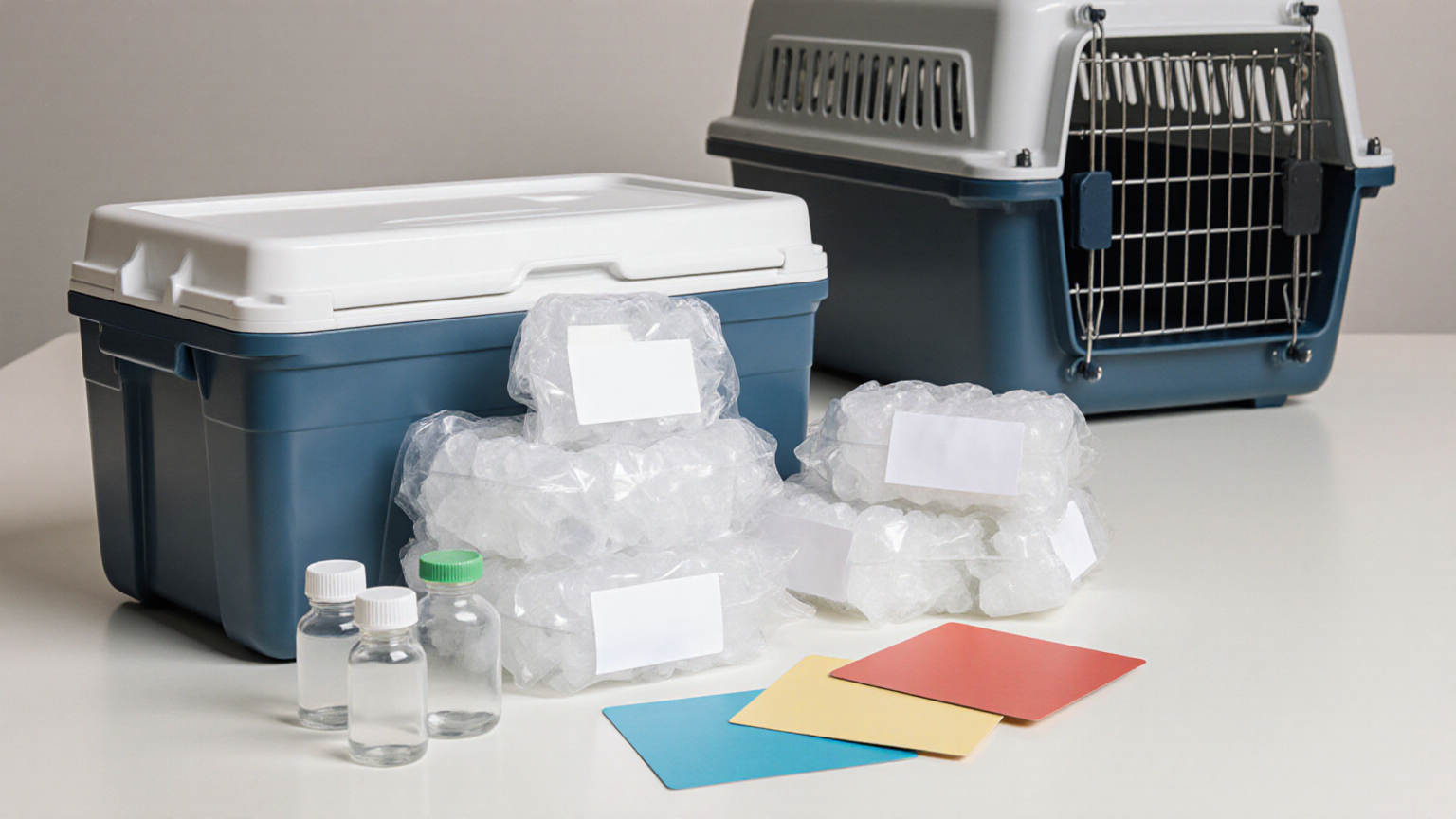
- Prepare a cooler and ice packs only for items where the clinic/pharmacy says cold transport is appropriate.
- Keep medicine in labeled containers; do not mix pills into unlabeled bags.
- Pack proof of vaccination, microchip number, and current clinic contact details for evacuation.
- Give caregivers role-based instructions: what they can do, what requires a call, and what they should never improvise.
- Review the plan after each storm, travel week, or refill delay.
Common mistakes that weaken the plan
The most common mistake is writing a checklist that is too vague: “check medicine” does not say how many doses remain, who can authorize a refill, or what to do if the refrigerator is out. The second mistake is over-sharing: a photo of a prescription label may contain more private detail than a caregiver needs. The third mistake is treating cold-chain medicine as interchangeable with normal travel supplies. If storage matters, the prescribing professional should define the safe range and replacement threshold.
Another mistake is forgetting prescription diets and devices. A pet with kidney, gastrointestinal, allergy, diabetic, or urinary needs may be disrupted by a supply outage even when pills are stocked. Add the diet name, backup purchase channel, and veterinarian advice for short disruptions. Do not substitute a diet during illness without professional guidance.
FAQ
Can I change the dose if a refill is delayed?
No. Dose changes, skipping, splitting, or substituting medicine should come from the prescribing veterinarian or pharmacist. Record the shortage and call early instead of experimenting.
Should I keep a full prescription label in my emergency kit?
Keep the original labeled container with the medicine when possible, and keep the detailed record in a secure folder or clinic portal. For quick caregiver notes, use only the minimum information needed to contact the clinic and follow the approved schedule.
What if the medicine was in a refrigerator during an outage?
Write down when the outage started, how often the door was opened, and when power returned. Call the veterinarian or pharmacy before using a temperature-sensitive medicine if storage may have been compromised.
Is this only for severe storms?
No. It also helps during heat waves, wildfire smoke days, shipping delays, holiday closures, travel, caregiver illness, and local power failures.
Summary
A strong pet medication outage plan is specific, private, and veterinarian-aware. It names the refill date, storage category, official contacts, caregiver boundaries, and evidence to keep. It does not publish prescription details, invent dose changes, or assume a warmed refrigerated medicine is still safe. Review the card weekly during storm season and immediately after any outage or caregiver handoff.
When to call before acting
Call the veterinary team before acting when the pet misses a dose, vomits after a dose, refuses a dose, loses a refrigerated medicine to heat, needs a substitution, or has new symptoms during the same outage. Also call before combining old prescriptions, borrowing another pet’s medicine, or using a human product that seems similar. These shortcuts can create avoidable harm.
If the clinic is closed, use the after-hours clinic or emergency hospital recommended by your veterinarian. Give them a concise record: pet weight if known, medicine name from the original container, last confirmed dose time, storage concern, current symptoms, and callback number. Do not bury the critical facts in a long chat transcript.
Monthly maintenance
Once a month, open the kit and remove expired notes, old caregiver instructions, and outdated contact numbers. Check that the carrier is accessible, the cooler is clean, the ice packs are frozen, and the printed card matches the current prescription plan. If the pet’s weight, diagnosis, pharmacy, or caregiver changes, update the card the same day. A stale emergency card is worse than no card because it gives helpers false confidence.