Pet Microchip and Emergency Contact Update Plan Before Summer Travel
A travel-ready pet microchip update plan: registry checks, emergency contacts, vet records, carrier labels, and privacy-safe proof before a trip or move.
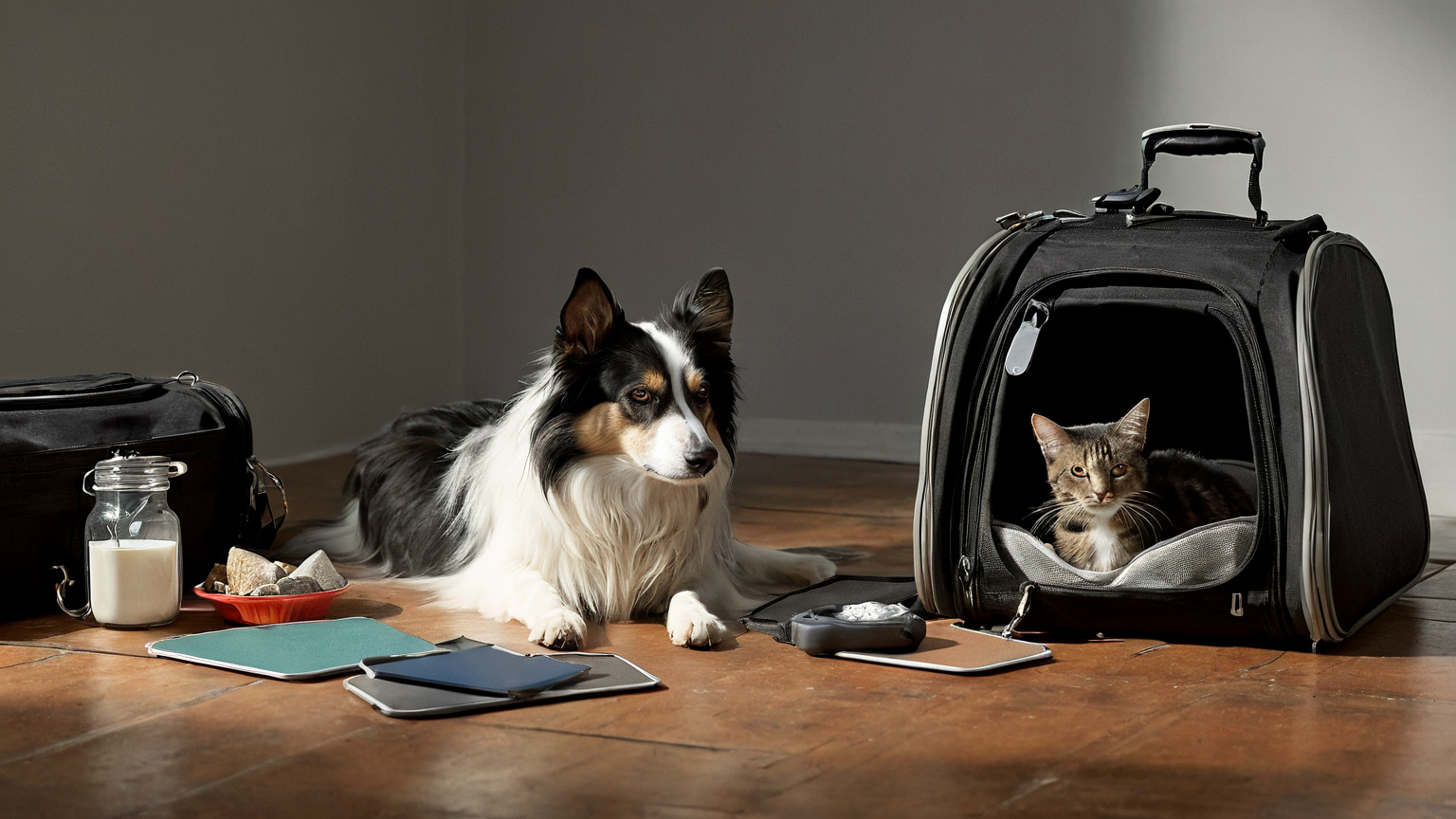
This guide is current as of 2026-06-12. It is educational planning guidance for pet safety decisions, not individualized professional advice. It preserves AdSense readiness by using descriptive sources, practical checklists, conservative claims, and no affiliate filler.
Trip-ready contact decision table
| Checkpoint | What to verify | Risk if skipped | Evidence to keep |
|---|---|---|---|
| Registry login | Chip registry account, chip number, primary phone, backup phone | Finder reaches an old number even though the chip scans correctly | Registry confirmation stored privately |
| Backup decision-maker | Who can authorize pickup, transport, boarding, or vet contact if you are unreachable | Shelter or caregiver waits while the pet is stressed | Backup name and phone in the travel folder |
| Vet and medication note | Clinic phone, vaccine record location, medication dose, diet constraints | Helper guesses at medical needs during a delay | One-page sealed pet care note |
| Travel rule check | Airline, destination, certificate, and rabies requirements before departure | A chip update is mistaken for legal travel clearance | Official rule link and date checked |
| Public privacy boundary | What can appear on tags or lost-pet posts versus what stays private | Home address, travel plans, or medical details leak | Redacted lost-pet template |
1. Why the microchip check comes before the trip
A microchip helps only when the registry record leads a finder, shelter, or clinic to a current owner. Before summer boarding, road trips, moves, storms, or visitors, confirm the chip number, registry login, phone numbers, alternate contact, veterinarian, and address. A collar tag can fall off; the registry should still point to someone who can answer quickly.
Use the first review to log in to the registry while you still have time to recover passwords or update verification. The chip number, contact priority, and veterinary clinic should match the people actually traveling with or caring for the animal this season.
2. Build a two-contact chain
Use one primary contact who will answer during travel and one backup who can authorize practical steps if the primary is unreachable. The backup should know the pet name, species, medical caveats, preferred veterinarian, and where the carrier and medication list are stored. Do not rely on a single old work phone or a number tied to a deactivated plan.
Give the backup contact a short script: where the carrier is, which clinic to call first, what expenses they may approve, and which boarding or shelter desk should not release the pet to anyone else. This turns a name in a database into a usable recovery plan.
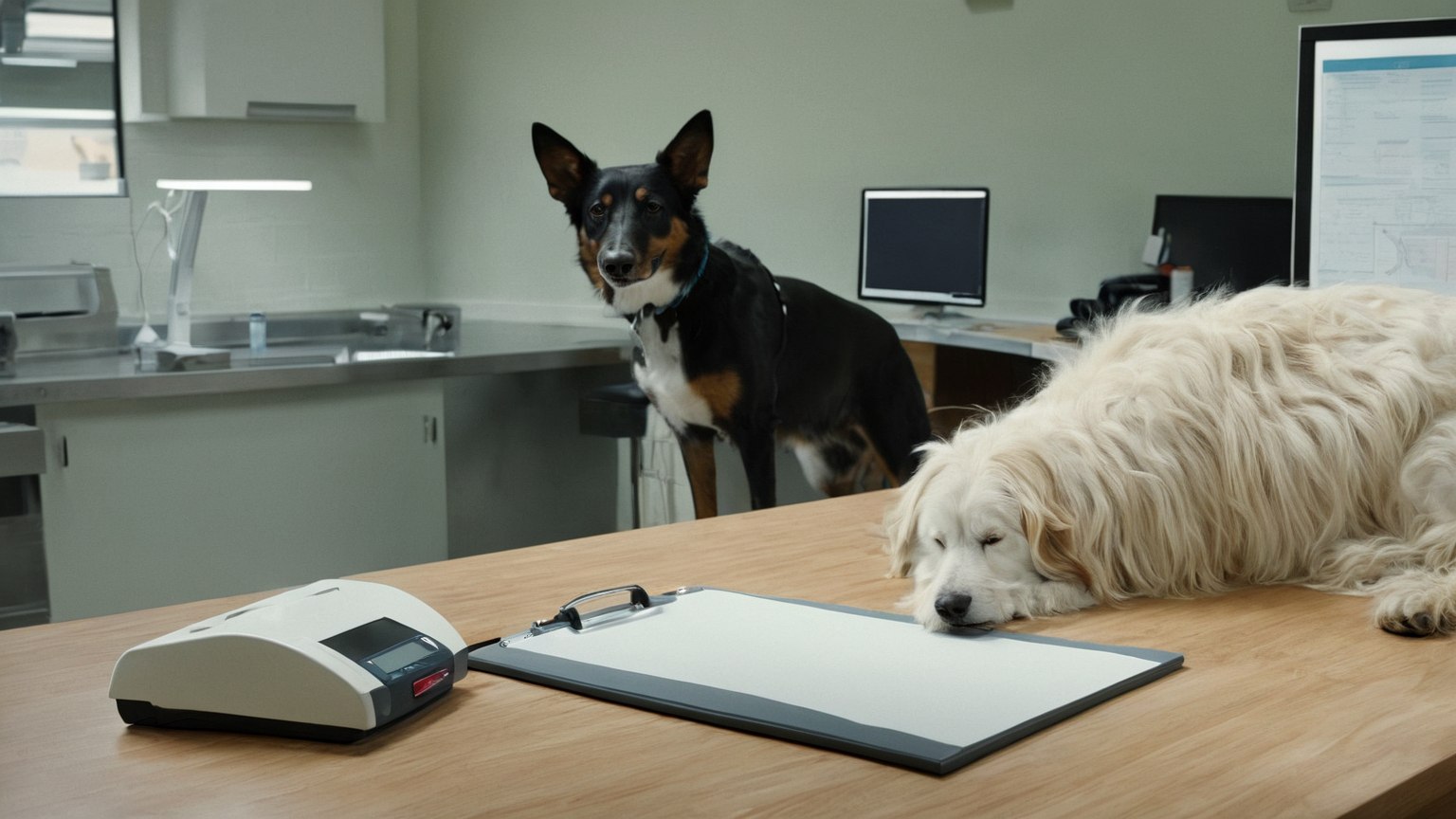
3. Verify the number without exposing private data
Ask a veterinarian, shelter, or previous adoption paperwork to confirm the microchip number if you do not have it. Store the number privately with vaccination and medication records. Do not post the full chip number, home address, or travel itinerary in public lost-pet graphics unless a professional recovery service specifically asks for a controlled disclosure.
Treat the chip number like a recovery credential, not a public hashtag. A finder needs a working registry and phone path; social posts can use a partial description, cross streets, and a monitored contact route without exposing the full household record.

4. Match records to travel reality
For interstate or international travel, check veterinary certificate and destination rules early. The microchip plan does not replace health certificates, rabies documentation, airline rules, or destination import requirements. It simply makes every other record easier to connect to the right animal.
Microchip updates are identity plumbing, not travel permission. Pair the registry check with the official destination or airline requirements so a correct contact record does not hide a missing certificate, vaccine timing issue, or country-specific rule.
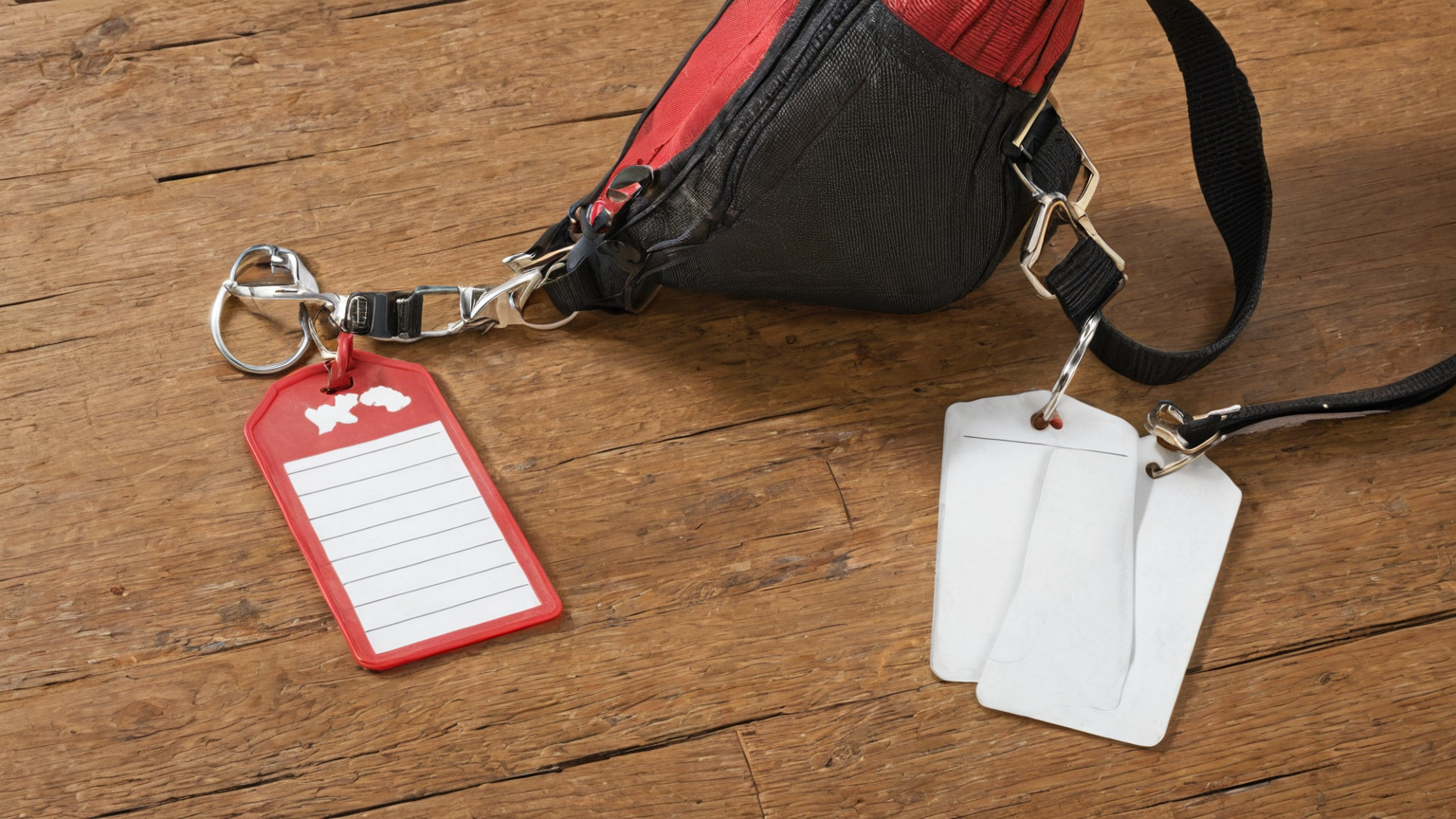
5. Label carriers safely
Put the pet name, your phone number, and veterinarian contact where a helper can find it, but avoid publishing full addresses or medical details on a visible tag. Keep a sealed paper copy inside the carrier or go bag with the chip registry, medications, diet notes, and emergency authorization.
A visible tag should help a nearby person reach you quickly, while the sealed carrier note can hold richer care details. Separate those layers so urgent helpers get enough information without broadcasting addresses, medications, or travel itinerary.
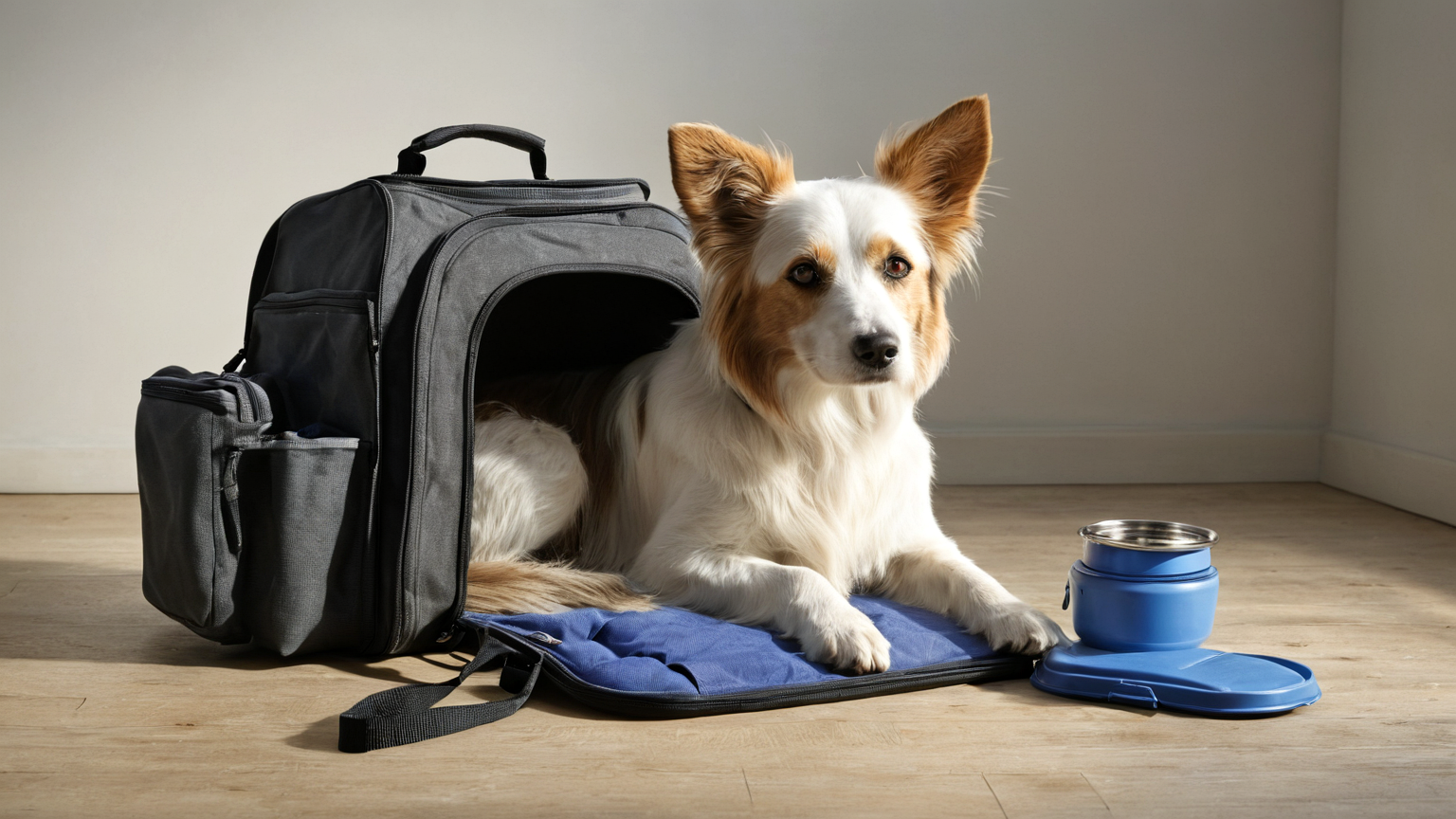
6. Review after every change
Update the registry after a move, new phone, divorce, new caregiver, adoption transfer, or changed veterinarian. A quarterly calendar reminder is low effort and prevents the most common failure: the chip exists, but the recovery path is stale.
After every move, new phone, adoption transfer, caregiver change, or vet change, repeat the scan-to-contact path from start to finish. The test is not “a chip exists”; it is “the scan reaches the right person today.”
Pet microchip review checklist
- Log in to the chip registry and confirm the chip number, owner name, primary phone, backup phone, email, and address.
- Call or message the backup contact before travel so they know the pet name, carrier location, veterinarian, and decision limits.
- Store vaccine, medication, diet, and clinic details in a private travel folder, not on a public label.
- Check official airline, destination, rabies, and certificate rules separately from the chip update.
- Prepare a redacted lost-pet note that can be posted quickly without exposing the full chip number or home address.
Pet-contact mistakes to avoid
| Mistake | Better replacement |
|---|---|
| Assuming a scanned chip automatically calls you | Verify the registry record and backup contact before the trip |
| Putting full medical or address details on a visible carrier tag | Put minimal public contact info outside and richer notes in a sealed folder |
| Treating the alternate contact as a formality | Confirm that person can answer, authorize pickup, and reach the vet |
| Confusing microchip registration with travel clearance | Check official travel and health certificate rules separately |
FAQ
How often should a pet microchip record be checked? Check it before travel, boarding, storms, moves, adoption transfers, new phone numbers, and at least seasonally for pets that go outdoors or stay with caregivers.
Does a microchip replace a collar tag? No. A tag helps a neighbor or hotel desk reach you quickly; the chip is the durable backup when a tag is lost or a shelter scans the pet.
What should stay private? Keep the full chip number, home address, medical history, travel itinerary, and payment details in private records. Share only the minimum a finder, clinic, or caregiver needs to act safely.