Pet Microchip ID — 2026 Reunion Rate Data and Setup
Microchips help reunite 52% of lost dogs vs 22% without. The injection process, registry maintenance, and the steps that actually get pets home.
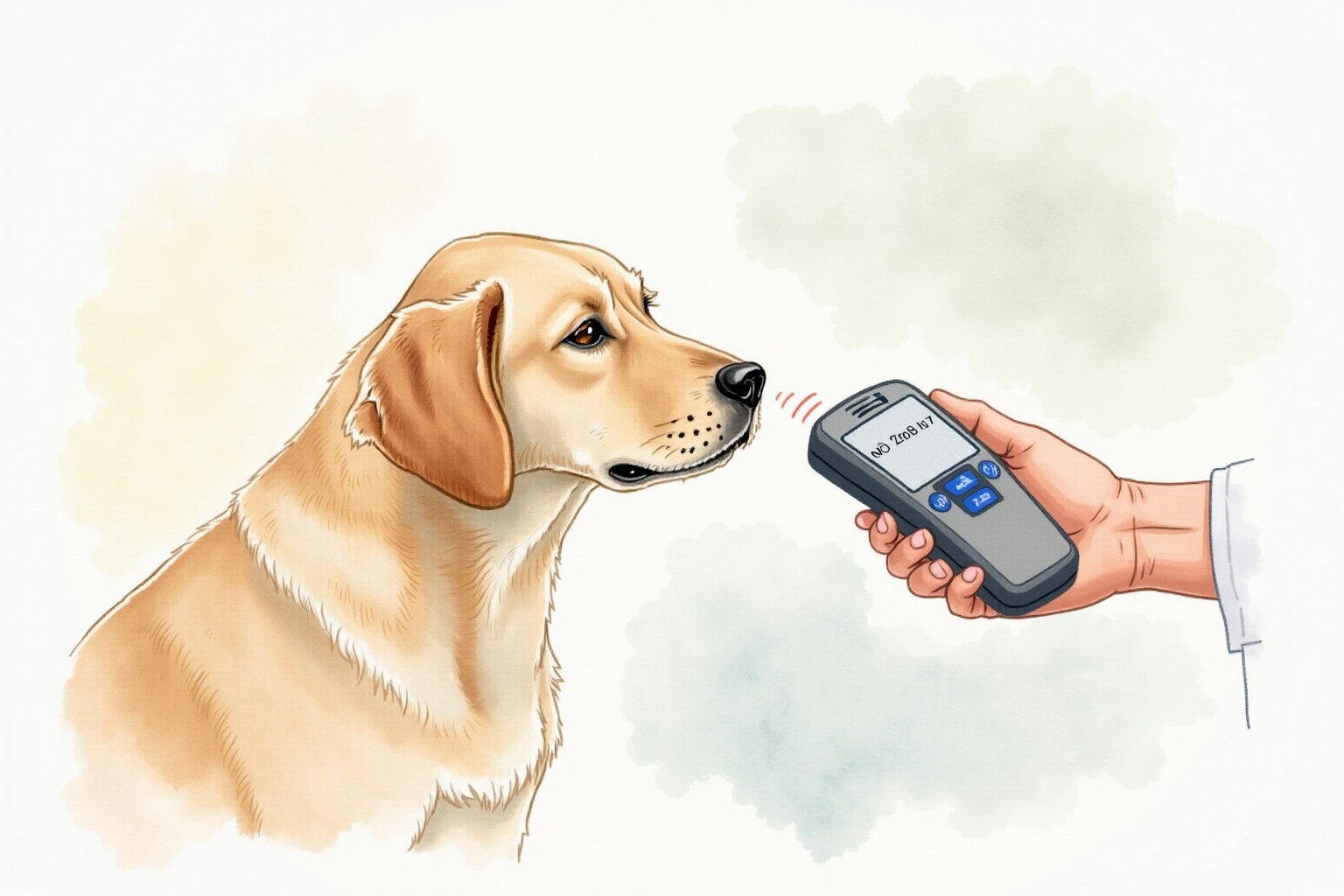
The microchip is one of the simplest, lowest-cost pet care upgrades with dramatic impact on outcomes when a pet gets lost. JAVMA research documented in 2009 and confirmed in subsequent studies shows that microchipped dogs are reunited with owners 52% of the time vs 22% for unchipped dogs — more than double the recovery rate. For cats, the difference is even more dramatic: 38% vs 1.8% reunion rate. The single $25-50 investment in microchipping is one of the highest-leverage interventions in pet care.
This article explains how microchips work, why they’re so effective, and the practical steps that make microchips actually result in pet recovery. The conclusion is that microchipping is essential for any pet owner — and that the chip alone isn’t enough; maintaining up-to-date registry information is the critical complement.
- JAVMA reunion rate data — chipped vs unchipped
- How microchips work (passive RFID technology)
- Registry maintenance — the critical complement
- ISO compliance for international travel
- Cost breakdown and top registry options
The JAVMA reunion rate data
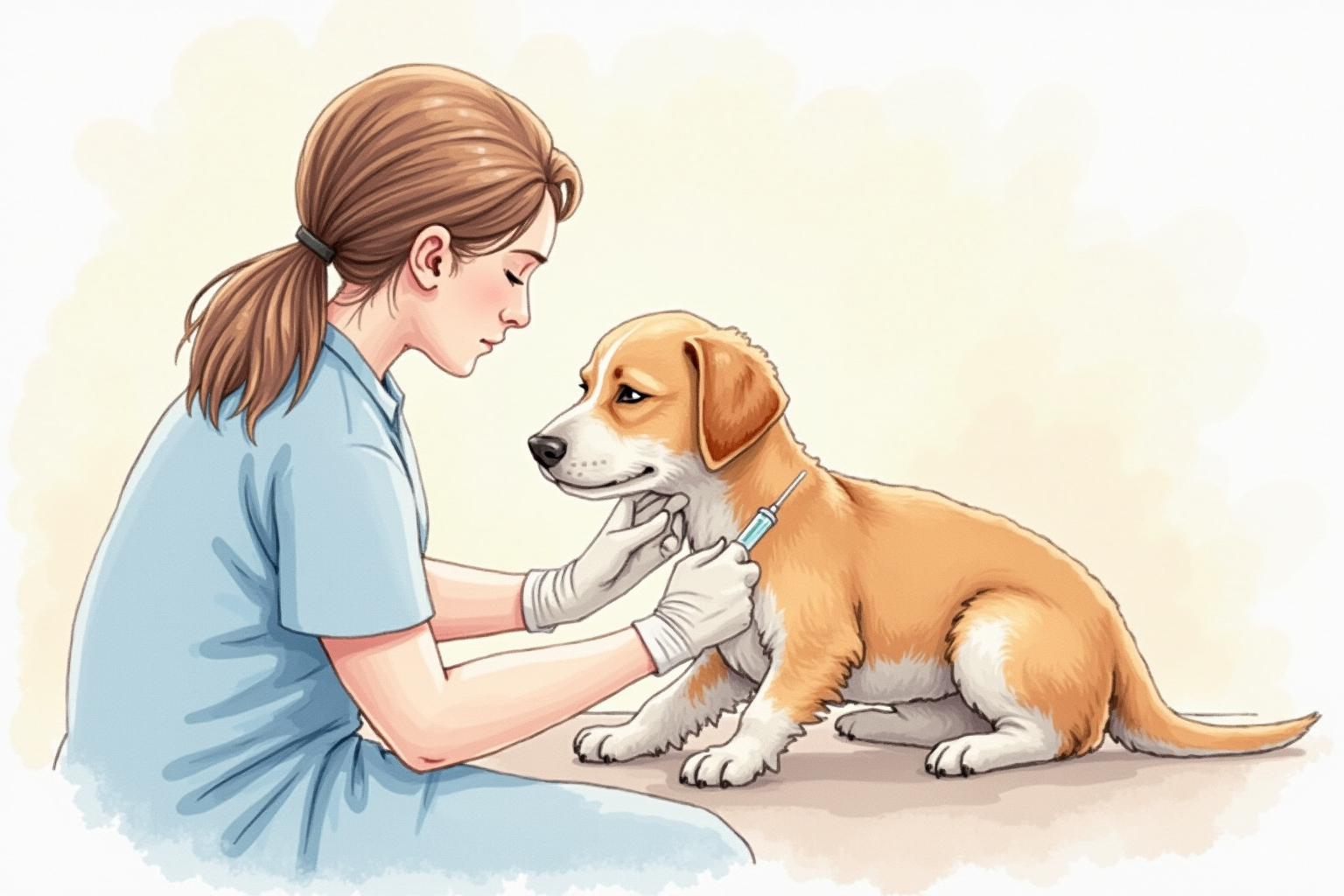
A 2009 study published in the Journal of the American Veterinary Medical Association (JAVMA) examined reunion rates at multiple animal shelters across the U.S. The results were dramatic:
Dogs:
- Reunion rate with microchip: 52.2%
- Reunion rate without microchip: 21.9%
Cats:
- Reunion rate with microchip: 38.5%
- Reunion rate without microchip: 1.8%
The cat data is particularly striking — unchipped cats have less than a 2% chance of being reunited with their owners after entering a shelter, compared to nearly 40% for chipped cats. The 20x difference reflects how often cats lose collars and how shelters rely on microchips for cat identification.
Subsequent studies have confirmed similar patterns. The Petfinder/PetCare 2014 lost pet study showed:
- 13% of dog owners have lost their dog at least once in their lifetime
- 14% of cat owners have lost their cat at least once
- Of those, microchipped pets had dramatically better recovery rates
The conclusion is consistent across studies: microchips substantially improve the odds of recovering a lost pet.
How microchips work
Pet microchips use passive RFID (Radio-Frequency Identification) technology:
Physical specs:
- Size: 12mm × 2mm (grain of rice)
- Material: bio-compatible glass capsule containing electronic components
- Power: passive (no battery) — activated only when scanned
- Lifespan: 25+ years (longer than any pet)
How it works:
- The chip contains a unique 15-digit ID number (per ISO 11784/11785 standard)
- When a scanner emits a 134.2 kHz radio frequency near the chip, the chip absorbs energy and transmits its ID back
- The shelter or vet looks up the ID in a registry database
- The registry contains owner contact information
Injection:
- Subcutaneous between shoulder blades
- 12-gauge needle similar to vaccination
- Procedure takes 5-10 seconds
- Discomfort comparable to a routine vaccine
The chip itself stores only the ID number — no personal information, no GPS, no tracking. The registry database (separate from the chip) holds owner contact info that gets updated as needed.
Registry maintenance — the critical complement
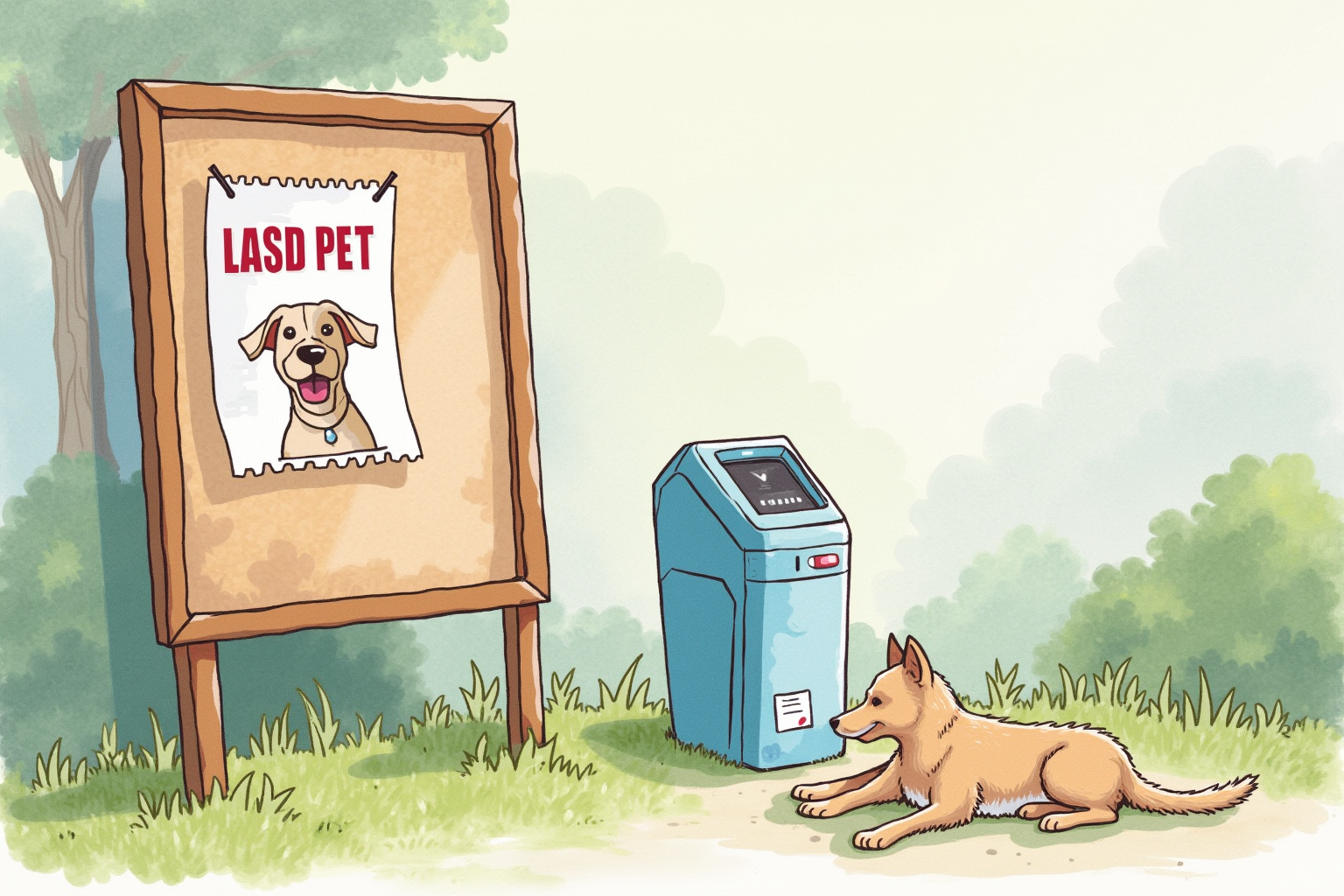
The microchip itself is permanent and reliable. The registry data is where most identification failures occur.
Common registry maintenance failures:
- Outdated phone numbers (40-60% of lost pets have outdated registry info per industry surveys)
- Move/relocation without registry update
- Email-only contact that gets buried or unread
- Multiple registries with conflicting info (chip registered to multiple databases over a pet’s life)
- Original owner contact for pets adopted from shelters who never updated to new owner
Best practices:
- Register immediately after microchip injection — many vets enroll the chip but don’t register; clarify who does this.
- Use multiple contact methods: primary phone, secondary phone, email, emergency contact.
- Update annually during your pet’s wellness checkup — verify the current info is still accurate.
- Update on major life changes: moving, new phone, new ownership, divorce/separation.
- Verify periodically: some registries (HomeAgain) have lookup tools to verify your pet’s data is current.
The registry maintenance failure is the leading cause of microchipped pets not being reunited. The microchip works perfectly; the database is outdated. Make annual update a habit.
ISO compliance and international travel

Microchips come in two main frequencies:
ISO-compliant chips (134.2 kHz): The international standard. Readable by virtually all scanners worldwide.
Non-ISO chips (125 kHz, mostly older U.S. chips): Readable only by scanners that include 125 kHz support.
Most modern shelter scanners are universal (read both frequencies), but international travel can encounter ISO-only scanners. For pets traveling internationally or being relocated, ensure the chip is ISO-compliant.
Most chips manufactured since 2015 are ISO-compliant by default. Older pets may have non-ISO chips — verify by checking the chip number format (15 digits = ISO; 10 digits = non-ISO 125 kHz).
For European Union travel and many Asian countries, ISO compliance is required. Replacement chips can be added if needed (without removing the original).
Top picks for registries
HomeAgain Microchip + Annual Membership
Price · $50-75 for chip + $20 annual
+ Pros
- · 24/7 lost pet hotline and recovery support
- · Travel assistance program (transport for found pets)
- · Comprehensive registry with regular update reminders
− Cons
- · Annual fee for premium service tier
- · Basic services available free with simpler alternatives
Paid affiliate link. Price, availability, and ratings can change; verify details on the retailer page before buying.
AVID Microchip + AVID Friendchip Registration
Price · $25-45 for chip + Free Lifetime registry
+ Pros
- · Permanent free registration with no annual fees
- · Established brand with 30+ year history
- · ISO-compliant chip readable globally
− Cons
- · Less robust customer service vs premium alternatives
- · Update process more manual than automated reminders
Paid affiliate link. Price, availability, and ratings can change; verify details on the retailer page before buying.
AKC Reunite Microchip Service
Price · $35-55 + Free lifetime enrollment
+ Pros
- · Lifetime enrollment fee with no annual costs
- · AKC's established pet recovery network
- · Lost pet alerts to area shelters and veterinarians
− Cons
- · Best known for AKC-registered dogs (works for any pet)
- · Less robust mobile app vs HomeAgain
Paid affiliate link. Price, availability, and ratings can change; verify details on the retailer page before buying.
The buying decision
For most pet owners, AVID or AKC Reunite provide reliable basic microchip and lifetime free registration. Total cost: $25-55 one-time. The basic service covers the essential function (chip readable + registry lookup) without ongoing fees.
For pet owners who travel frequently or want premium recovery services, HomeAgain at $50-75 + $20/year provides comprehensive support including 24/7 hotline, travel assistance, and active recovery alerts. The premium tier is worth it for pets that travel internationally or for households that value the additional services.
For shelter adoptees, verify the existing chip’s registry. Shelter microchips are often registered to the shelter rather than the new owner — transfer to your account immediately upon adoption. This is the most common point where rescue pet microchips fail to result in reunion.
Avoid pet ID alternatives (collar tags only, tattoos). Collar tags fall off; tattoos fade and require shaving to read. Microchips remain functional for the pet’s entire life with proper registry maintenance.
The microchip is one of the highest-impact, lowest-effort pet care upgrades available. The single-time cost is modest, the lifetime benefit is significant, and the data is clear: microchipping more than doubles the chance of recovering a lost pet. Schedule the chip at your next vet visit if your pet doesn’t already have one.