Pet Separation Anxiety — 2026 Evidence-Based Treatment
20-40% of dogs show separation anxiety symptoms. Behavior modification, environmental management, and the medication-supplement options that actually help.
Separation anxiety is one of the most common behavioral problems in companion dogs, affecting an estimated 20-40% of dogs to some degree and 5-15% severely. Beyond the destructive consequences (chewed furniture, soiled floors, neighbor complaints about barking), separation anxiety causes real psychological suffering for the dog. Modern behavior science offers effective treatments — but the process requires patience, consistency, and often professional support.
This article explains the evidence-based treatment approach for separation anxiety, identifies the products that support the process, and addresses common owner mistakes. The conclusion is that separation anxiety is treatable in most dogs, but the casual interventions most owners try (leaving toys, more exercise) without underlying behavior modification rarely produce lasting improvement.
- Distinguishing true separation anxiety from boredom
- The desensitization and counter-conditioning protocol
- Environmental management and tools
- When medication is appropriate
- Top picks for anxiety support products
Diagnosis — separation anxiety vs other behaviors
Many owners assume any misbehavior during their absence is separation anxiety. The actual diagnosis is more specific:
True separation anxiety:
- Symptoms begin within 15-30 minutes of departure
- Clear distress signs: pacing, panting, salivating, vocalizing, dilated pupils
- Destructive behavior focused on exit points (doors, windows, crates)
- Soiling despite being house-trained
- Self-injurious behavior in severe cases (escape attempts, chewed paws)
- Doesn’t occur when another trusted person is home
What looks like separation anxiety but isn’t:
- Boredom: Random destructive behavior throughout the day, not concentrated around departure
- Lack of training: Untrained dogs misbehave consistently, not specifically during alone time
- Medical issues: Soiling indoors can indicate urinary tract problems
- Loud noises: Some dogs panic during thunderstorms or fireworks specifically
- Reactivity: Some dogs vocalize at outdoor stimuli (neighbors, other dogs) during the day
The diagnostic gold standard is video monitoring. Set up a camera (Furbo, Wyze Cam, even a smartphone) and observe the dog during a 1-2 hour alone period. The video reveals whether the dog settles after departure or remains stressed throughout.
For confirmed separation anxiety, especially severe cases, consultation with a veterinary behaviorist (board-certified ACVB) is the standard. General practice vets may help with mild cases; severe cases benefit from specialist consultation.
Desensitization and counter-conditioning
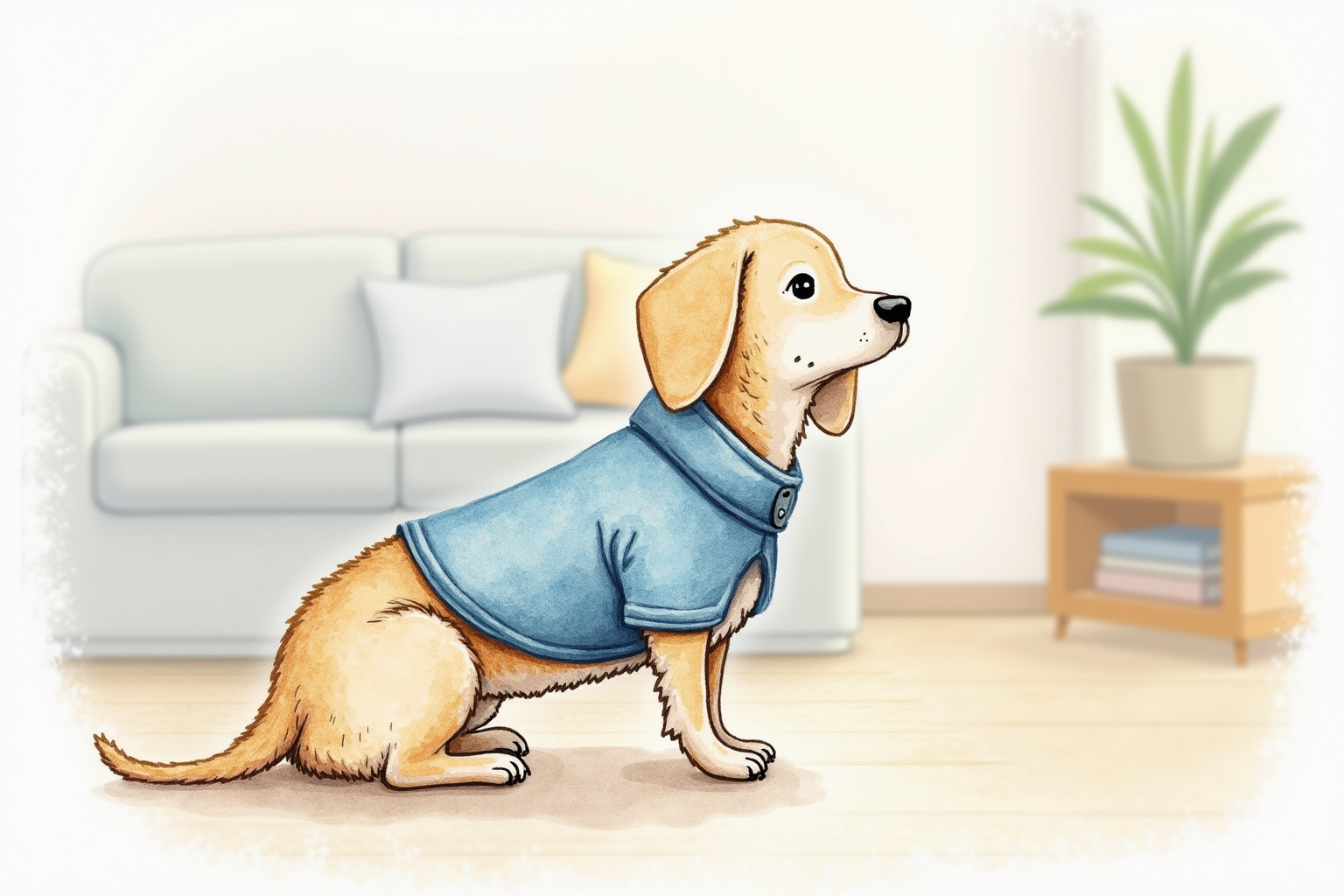
The evidence-based treatment is systematic desensitization with counter-conditioning — gradually exposing the dog to brief separations and pairing them with positive experiences.
Core protocol:
Phase 1: Identify departure cues (week 1) Notice what cues your dog watches for: picking up keys, putting on shoes, grabbing the work bag. These cues trigger anxiety before you’ve actually left.
Begin practicing departure cues without leaving. Pick up keys, then put them down. Put on shoes, then take them off. Show the dog that cues don’t always mean departure.
Phase 2: Micro-departures (weeks 2-3) Step outside the door for 5 seconds, then return calmly. Don’t make a fuss when returning — just enter normally.
Gradually extend duration: 10 seconds, 30 seconds, 1 minute. Stay below the dog’s anxiety threshold (where they show no distress).
If they show distress at 30 seconds, back off to 20 seconds for a week before trying 30 again.
Phase 3: Building duration (weeks 4-8) Continue increasing departure duration: 5 minutes, 15 minutes, 30 minutes, 1 hour.
Build slowly. Most owners want to skip ahead; consistent slow progression produces lasting change.
Phase 4: Real-world durations (months 2-6) Gradually work up to actual workday durations. By month 4-6, most successfully-treated dogs are comfortable with 4-6 hour alone periods.
The total process takes 3-6 months of consistent daily practice. Skipping ahead or returning to long absences before the dog is ready often resets the entire process.
Environmental management and tools
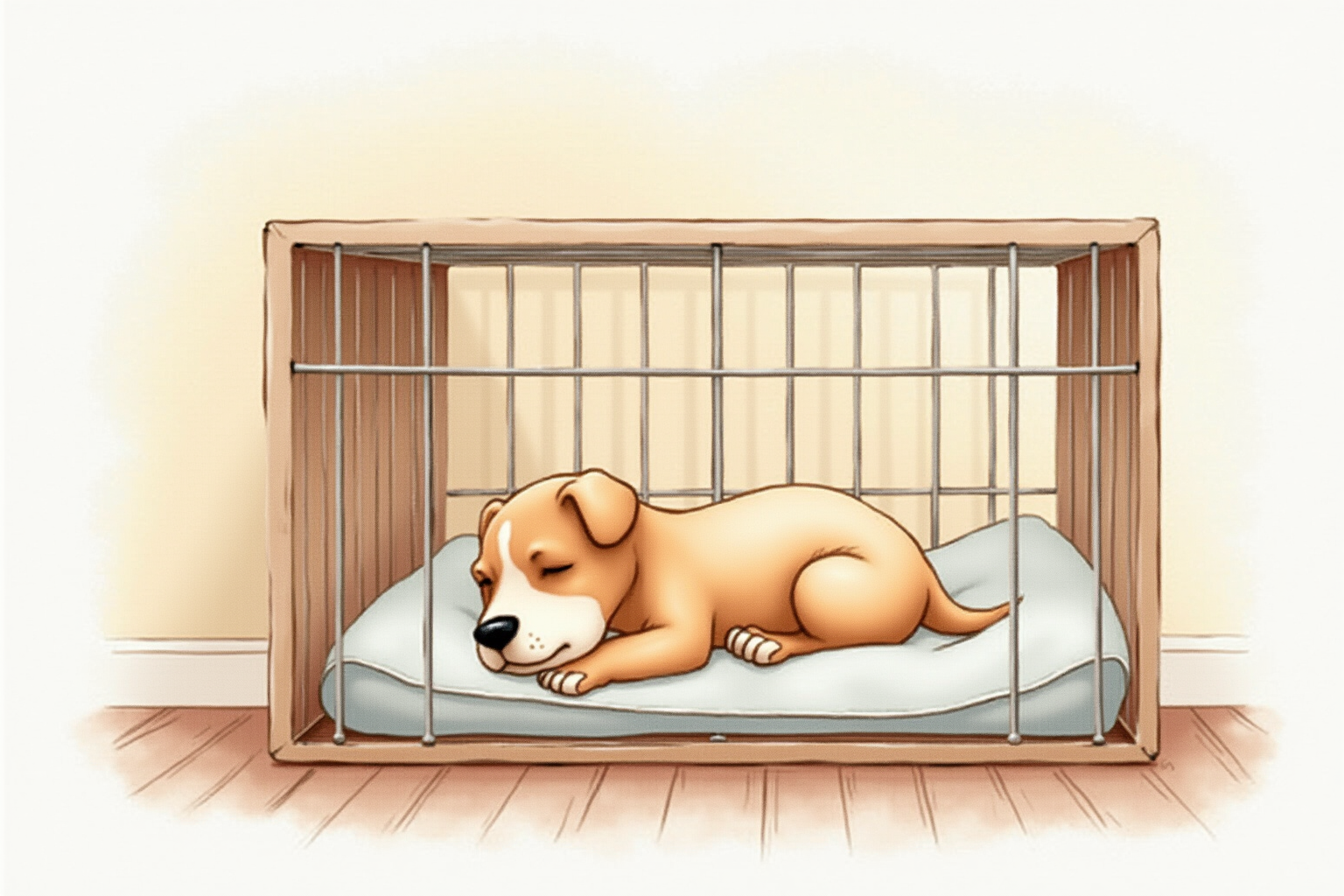
While behavior modification is the foundation, environmental management reduces stress during the training process and after:
Confinement vs free roam: Many separation-anxious dogs do better with limited space (crate or single room) rather than full-house access. The smaller space feels safer; less to defend against perceived threats.
Exercise before alone time: A tired dog is a calmer dog. 30-60 minutes of vigorous exercise (running, fetch) before alone time produces a dog more inclined to sleep through your absence.
Mental engagement during absence: Provide stuffed Kong toys, puzzle feeders, or long-lasting chews. The mental engagement during the first 10-30 minutes (when anxiety peaks) shifts focus from anxiety to problem-solving.
Calming pheromones: Adaptil (DAP - dog appeasing pheromone) diffuser plugged in near the dog’s resting area. Produces a subtle reduction in baseline anxiety. Studies show modest but real effect.
Anxiety wraps: Thundershirt or similar snug-fitting wrap. The mild pressure provides proprioceptive input that’s calming for some dogs. Research shows 25-40% of mild-to-moderate anxiety dogs benefit measurably.
Calming music: Through a Dog’s Ear classical music, Spotify pet anxiety playlists. Background sound masks startling outside noises and provides ambient calm.
When medication helps
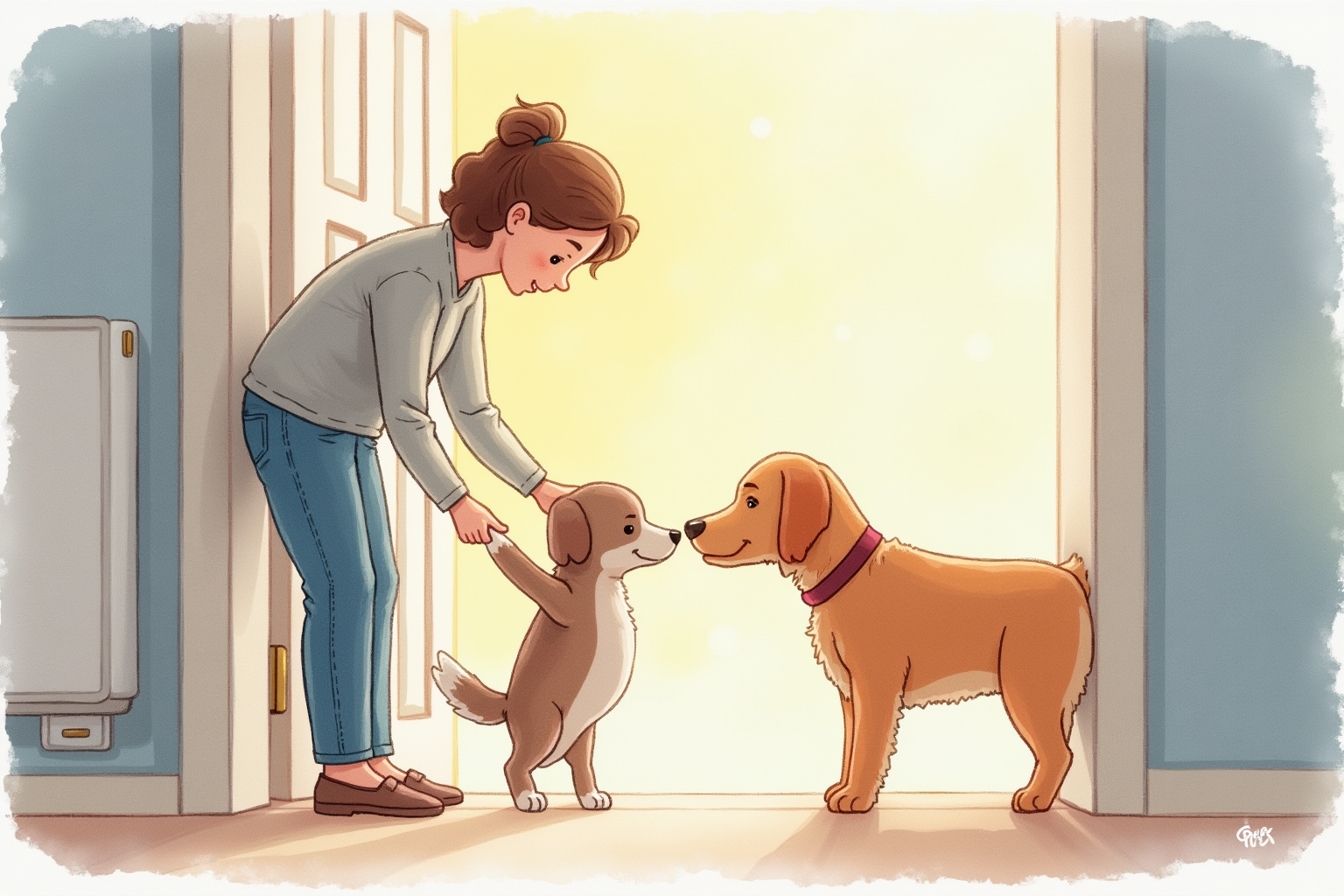
For moderate to severe separation anxiety, behavior modification alone often takes too long to produce meaningful relief. Veterinary behavioral medicine has effective options:
Trazodone (situational, 30-60 minutes before departure): Mild sedative that reduces anxiety without significant cognitive impairment. Single-dose use; not addictive. $20-40/month from veterinary prescription.
Fluoxetine/Sertraline (daily SSRI): Reduces baseline anxiety over 4-6 weeks. Daily use. $10-30/month with veterinary prescription. Side effects (reduced appetite, sedation) usually decrease after 2-3 weeks.
Reconcile (fluoxetine specifically labeled for SA): FDA-approved combination of medication and behavior modification training. Standard prescription for moderate-severe cases.
Sileo (dexmedetomidine gel): Newer medication for situational anxiety. Applied to the gums 30-60 minutes before stressful event.
Medications are tools that support behavior modification, not substitutes. Most veterinary behaviorists use medication for 3-12 months while behavior modification establishes new patterns, then taper the medication.
Top picks for anxiety support
Thundershirt Classic Dog Anxiety Wrap
Price · $40-55 — best anxiety wrap pick
+ Pros
- · 25-40% measurable improvement in mild-moderate anxiety
- · Drug-free option safe for daily use
- · Easy to put on (Velcro adjustment)
− Cons
- · Less effective for severe anxiety
- · Dogs need 5-10 sessions to develop association with calm
Paid affiliate link. Price, availability, and ratings can change; verify details on the retailer page before buying.
Adaptil Calm Diffuser Starter Kit
Price · $30-45 — best pheromone pick
+ Pros
- · Plug-in diffuser provides 30 days of pheromone coverage
- · Mimics natural maternal pheromones (DAP)
- · Multiple research studies support modest anxiety reduction
− Cons
- · Effect is subtle — works best combined with other interventions
- · Refill costs accumulate over time
Paid affiliate link. Price, availability, and ratings can change; verify details on the retailer page before buying.
Furbo Dog Camera (Treat Dispensing)
Price · $130-180 — best anxiety monitoring pick
+ Pros
- · Watch dog behavior during alone time via smartphone
- · Treat dispensing for remote positive reinforcement
- · Bark alerts notify of stress vocalizations
− Cons
- · Premium pricing for pet camera
- · Some dogs become more anxious if owner appears via voice features
Paid affiliate link. Price, availability, and ratings can change; verify details on the retailer page before buying.
The buying decision
For most separation anxiety cases, the right approach combines behavior modification with environmental support. The Thundershirt ($40-55) plus Adaptil diffuser ($30-45) plus consistent training time totals $75-100 in equipment plus the time investment.
For severe cases, schedule a veterinary behaviorist consultation. The $300-500 consultation fee includes individualized treatment plan, medication recommendations if appropriate, and follow-up support. Many cases benefit from temporary medication during the active behavior modification phase.
For owners wanting to monitor and engage during absences, the Furbo dog camera at $130-180 provides visual feedback and remote treat dispensing. Use thoughtfully — some dogs find owner voice through speaker more stressful than absence alone.
Avoid casual interventions in isolation. Leaving the TV on, providing one extra chew toy, or telling the dog “I’ll be back soon” don’t address separation anxiety. The condition is a clinical behavior issue requiring systematic treatment.
Separation anxiety is one of the most treatable behavior conditions in dogs when properly addressed. The 3-6 month investment in behavior modification, supplemented by environmental tools and medication when needed, produces dramatically calmer dogs and dramatically less destruction. Don’t accept the destructive cycle as inevitable — modern behavioral medicine has the tools to help.