Pet Water Fountain vs Bowl — 2026 Hydration Comparison
Cats drink 50-75% more from running water sources. Fountain vs bowl compared on hydration, maintenance, noise, and the kidney health implications.
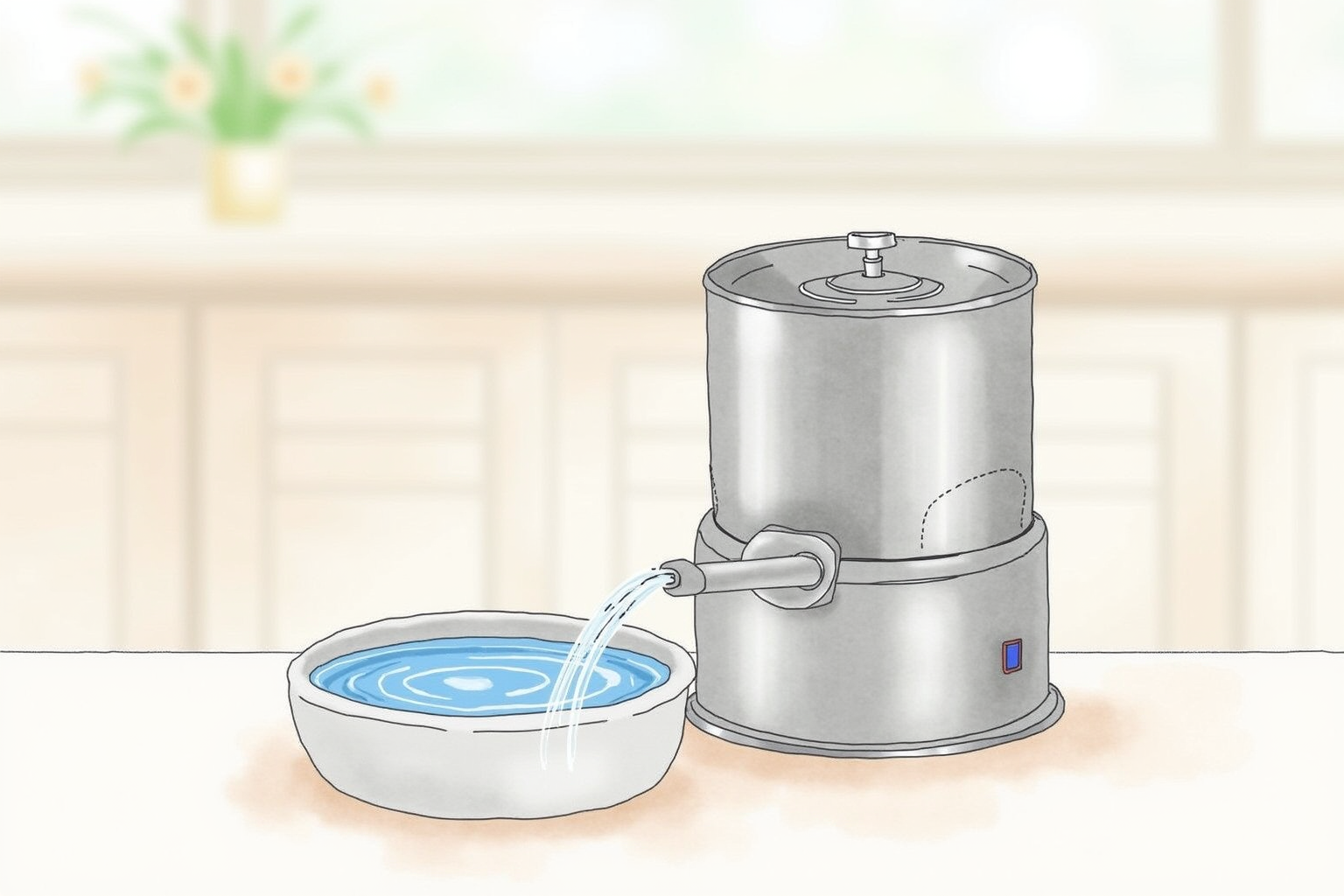
Cat hydration is one of the most under-appreciated pet health variables. Cats evolved as desert hunters with low thirst drives and high prey-based hydration — meaning indoor cats fed dry food often don’t drink enough water. The result: higher rates of urinary tract disease, kidney problems, and constipation. Water fountains directly address this by leveraging cats’ evolutionary preference for running water, increasing daily water intake by 50-75% in controlled studies.
This article compares fountains and bowls on hydration impact, maintenance burden, and product reliability. The conclusion is that fountains are a strong upgrade for most cat households, especially those with kidney-disease-prone cats, while traditional bowls work fine for households where cats already drink adequately.
- Why cats drink more from running water
- Hydration research and kidney health implications
- Fountain maintenance requirements
- Material choice — stainless, ceramic, or plastic
- Top picks across $25-100 budget range
Why cats drink more from fountains
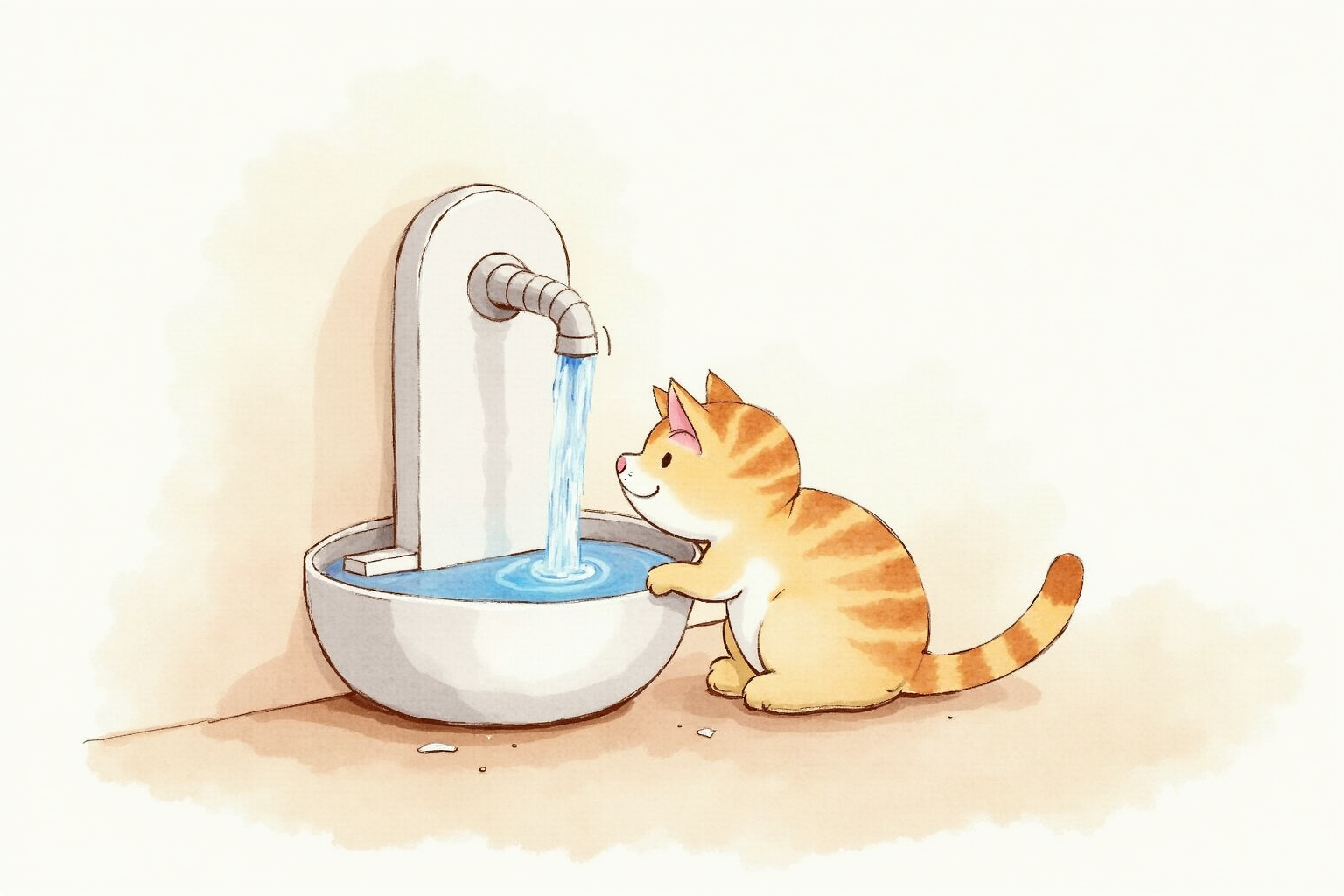
The evolutionary explanation: cats descended from desert wildcats whose primary water sources were small streams and dew on prey. Wild cats avoid stagnant water because it’s more likely to be contaminated. This preference for moving water persists in domestic cats.
Practical implications:
- Many cats refuse to drink from water bowls placed near food (food smell contamination concern)
- Multiple bowls in different locations increase water intake
- Fresh, cold, running water is the gold standard
- Fountains tap into all these preferences simultaneously
Studies measuring water intake before and after introducing fountains show 50-75% increase in daily water consumption for most cats. This is medically significant — cats fed dry food often consume only half their water requirements through food and bowl drinking; a fountain often closes that gap.
Hydration and kidney disease
Chronic kidney disease (CKD) is the leading cause of death in cats over 10 years old. The progression is gradual — kidneys lose 30-50% of function before symptoms appear. Hydration management is one of the most important factors in slowing CKD progression.
Inadequate daily water intake contributes to:
- Concentrated urine (favoring crystal formation, leading to urinary tract disease)
- Slow toxin clearance (kidney filtration is water-dependent)
- Constipation (water deficit slows colonic transit)
- Accelerated kidney damage (sustained mild dehydration stresses already-compromised kidneys)
For cats with diagnosed CKD or risk factors (older age, dry food diet, urinary history), every additional drink is medically valuable. The fountain’s role in increasing daily intake makes it a particularly worthwhile investment in these households.
For young healthy cats with no kidney concerns, the fountain provides preventive benefit — encouraging the lifelong hydration habit that helps prevent future issues.
Maintenance burden
Fountains require more maintenance than bowls. Plan for:
Daily: Visual check — top off water if level is low. Brief observation of fountain operation.
Weekly: Full water replacement. Rinse the reservoir with fresh water. Wipe down visible buildup.
Bi-weekly: Disassemble and clean. Scrub all parts (pump, reservoir, dome, filters) with mild soap. Rinse thoroughly. Reassemble.
Monthly: Replace charcoal/foam filters per manufacturer recommendation. Most fountains use specific filter sizes available from the same brand for $5-10 per filter pack.
Without consistent cleaning, fountains develop biofilm — bacterial slime that builds up on internal surfaces. This can actually make a poorly-maintained fountain worse than a regularly-washed bowl. The 5-10 minutes per week of cleaning is the price of fountain benefit.
For households that won’t commit to maintenance schedule, traditional bowls cleaned daily are actually better than neglected fountains.
Material considerations
Three common fountain materials:
Stainless steel:
- Pros: Easy to sanitize, doesn’t develop bacterial buildup, lasts indefinitely
- Cons: Premium price ($60-120), can be slippery on tile floors
- Best for: Most quality-conscious cat households
Ceramic:
- Pros: Heavy (won’t tip), naturally antimicrobial, traditional aesthetic
- Cons: Can chip or crack if dropped, heavier to clean
- Best for: Households where aesthetic matters
Plastic:
- Pros: Affordable ($25-50), lightweight, many designs
- Cons: Develops microscopic scratches that harbor bacteria, can trigger chin acne in some cats
- Best for: Budget-conscious initial purchase
For cats prone to chin acne (small pimples on chin from plastic bowl contact), stainless steel or ceramic is the better choice. The difference is small but real — switching from plastic to stainless steel often resolves recurring chin acne issues.
Top picks across budgets
PetSafe Drinkwell Platinum Pet Fountain
Price · $65-90 — best premium pick
+ Pros
- · 168oz capacity — refill every 2-3 days for most households
- · Quiet pump (20-25 dB)
- · Top-mount filter housing easy to access for replacement
− Cons
- · Plastic construction (potential chin acne issue for sensitive cats)
- · Larger footprint than minimalist alternatives
Catit Flower Fountain (Stainless Steel Edition)
Price · $30-50 — best mid-range pick
+ Pros
- · Three flow settings (bubbling, gentle stream, calm flow)
- · Top is stainless steel for chin-acne-prone cats
- · Compact footprint fits in most pet feeding areas
− Cons
- · Smaller 100oz capacity vs Drinkwell Platinum
- · Plastic reservoir still — only top is stainless steel
Pioneer Pet Raindrop Stainless Steel Fountain
Price · $70-100 — best premium stainless pick
+ Pros
- · Full stainless steel construction (eliminates plastic concerns)
- · 60oz capacity — appropriate for 1-2 cat households
- · Very quiet pump (20 dB)
− Cons
- · Smaller capacity requires more frequent refill
- · Premium price reflects full stainless construction
The buying decision
For most cat households, the Catit Flower Fountain (Stainless Steel Edition) at $30-50 is the right starting point. The three flow settings let you find what your cat prefers, the stainless steel top addresses chin acne concerns, and the price is reasonable for a daily-use item.
For multi-cat households or households with kidney-disease-prone cats, the PetSafe Drinkwell Platinum at $65-90 is worth the upgrade. The 168oz capacity reduces refill frequency, the quieter pump is friendlier for sensitive cats, and the proven reliability justifies the slight premium.
For chin-acne-sensitive cats or households prioritizing material quality, the Pioneer Pet Raindrop full-stainless fountain at $70-100 eliminates plastic from the cat’s water source entirely. Smaller capacity but pristine material.
Avoid budget fountains under $25 — pump reliability and noise level vary dramatically at that price point. The $30-50 tier is where consistently quiet, reliable fountains start. The few dollars saved by going cheaper often results in replacement within 6-12 months.
The water fountain is one of the most evidence-supported preventive health interventions for cats. The hydration improvement is measurable, the kidney health implications are significant, and the cost is modest. For most cat households, the fountain pays for itself through reduced veterinary visits within 1-2 years.