Raw Food for Pets — Safety, Risks, and 2026 Evidence
Raw diets have measurable benefits but documented risks. The FDA, AVMA, and CDC position, salmonella data, and the safe-handling protocol if you choose raw.
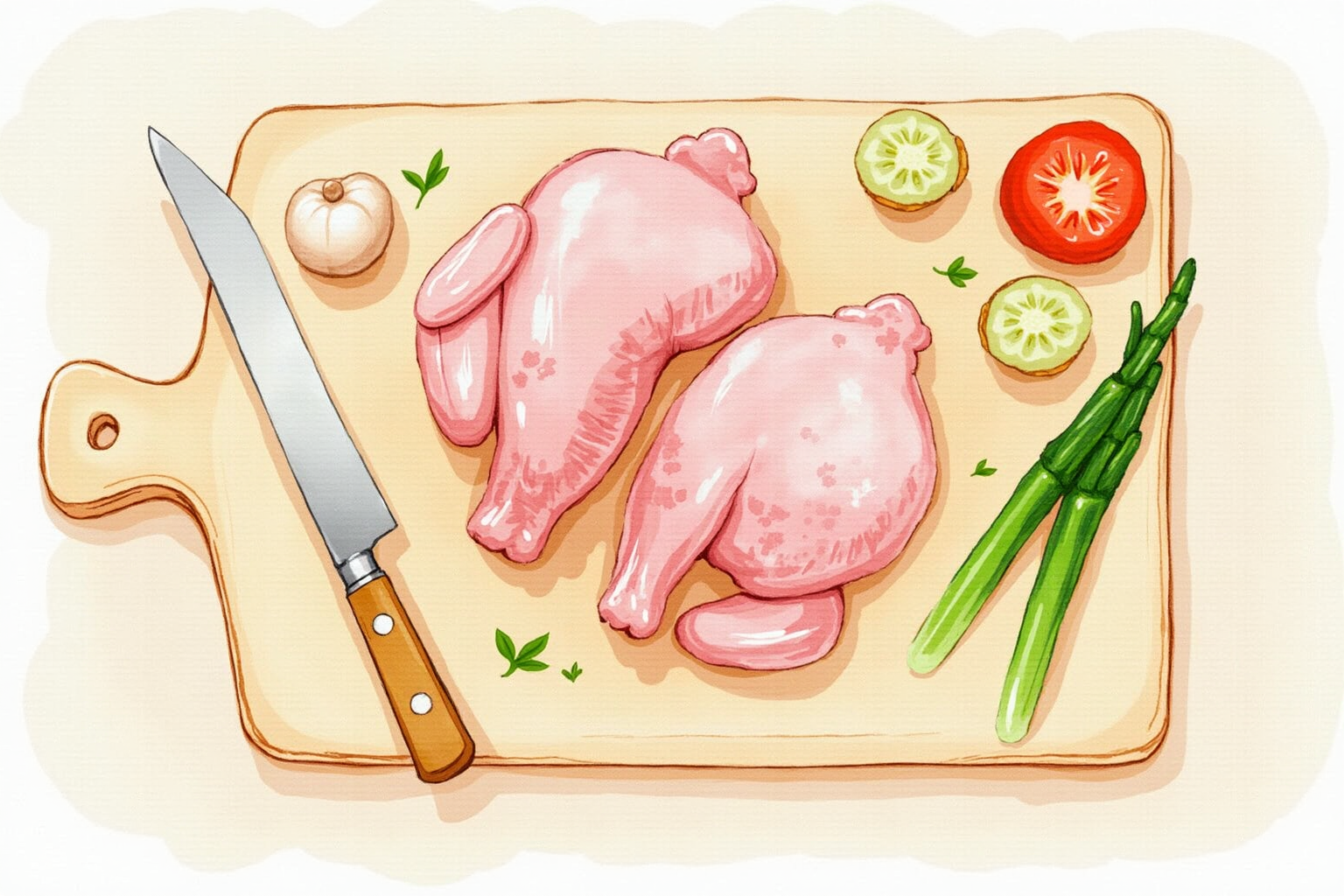
The raw pet food movement has grown rapidly since the 2010s, fueled by marketing that emphasizes biological appropriateness, ancestral diet, and natural processing. The benefits some users report — shinier coats, smaller stools, fewer allergy issues — are real for some pets. But the safety concerns are also real, documented, and acknowledged by every major veterinary regulatory body.
This article walks through the current evidence on raw pet food: what’s beneficial, what’s risky, what the FDA and AVMA actually say, and the protocols that minimize risk if you decide to feed raw anyway. The conclusion is that raw feeding requires significantly more diligence than commercial cooked food, with elevated but manageable risks when handled properly.
- FDA, AVMA, and CDC official positions on raw diets
- Pathogen contamination rates in commercial raw food
- Documented benefits of raw feeding
- Safe-handling protocol if you choose raw
- HPP-treated and freeze-dried alternatives
What the regulators say
Major veterinary regulatory bodies have aligned positions on raw pet food:
FDA: “The FDA does not believe raw meat foods for animals are consistent with the goal of protecting the public from significant health risks, particularly when these foods are fed in homes where children, elderly persons, or immunocompromised individuals also reside.”
AVMA: “The AVMA discourages the feeding to cats and dogs of any animal-source protein that has not first been subjected to a process to eliminate pathogens.”
CDC: Documents multiple outbreaks of Salmonella and other pathogens linked to raw pet food, with cases including pet owners hospitalized after handling raw food or pet feces.
WSAVA (international): Similar position, urging owners to consider cooked alternatives.
This near-universal stance from regulatory and professional bodies is unusual and reflects the consistent pattern of contamination found in commercial raw pet food samples and the documented public health cases. The recommendations are not based on theoretical concerns — they reflect actual disease outbreaks traced back to raw pet food.
Pathogen contamination data
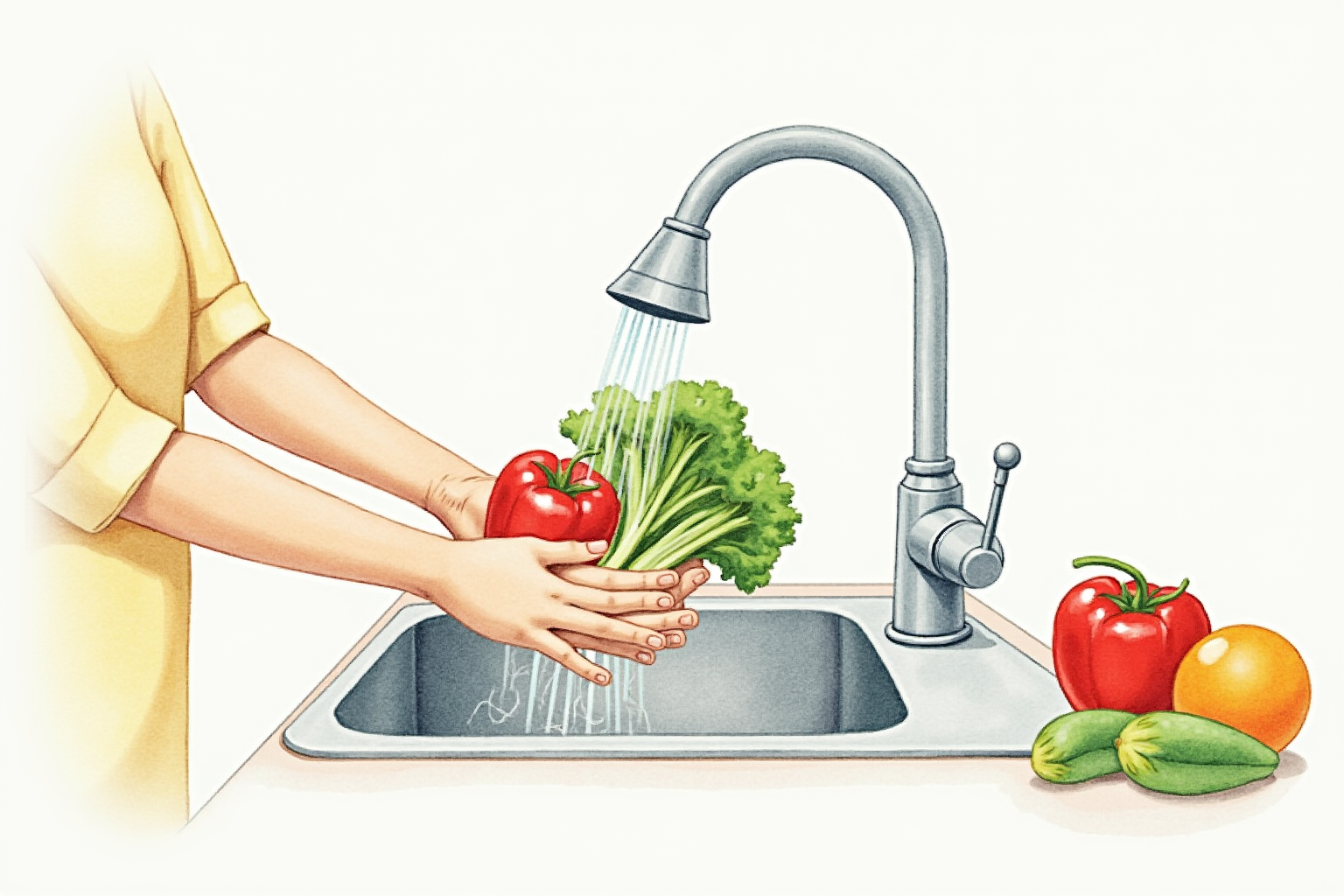
FDA testing of commercial raw pet food products consistently finds high contamination rates:
- Salmonella: 7-31% of samples positive (across various studies)
- Listeria monocytogenes: 16-20% of samples
- E. coli (including pathogenic strains): 3-10%
- Campylobacter: 2-5%
For comparison, cooked/extruded pet food has pathogen detection rates under 0.5% in routine testing.
The transmission risk extends beyond pets eating the food:
- Pets shed pathogens in feces (often without symptoms)
- Humans contact contaminated surfaces, bowls, and feces
- Children, elderly, and immunocompromised individuals face elevated infection risk
- Documented cases of human salmonellosis traced to raw pet food handling
The risk is not abstract. The CDC tracks foodborne illness in pet households and identifies raw pet food as a recurring contamination source.
Documented benefits of raw feeding
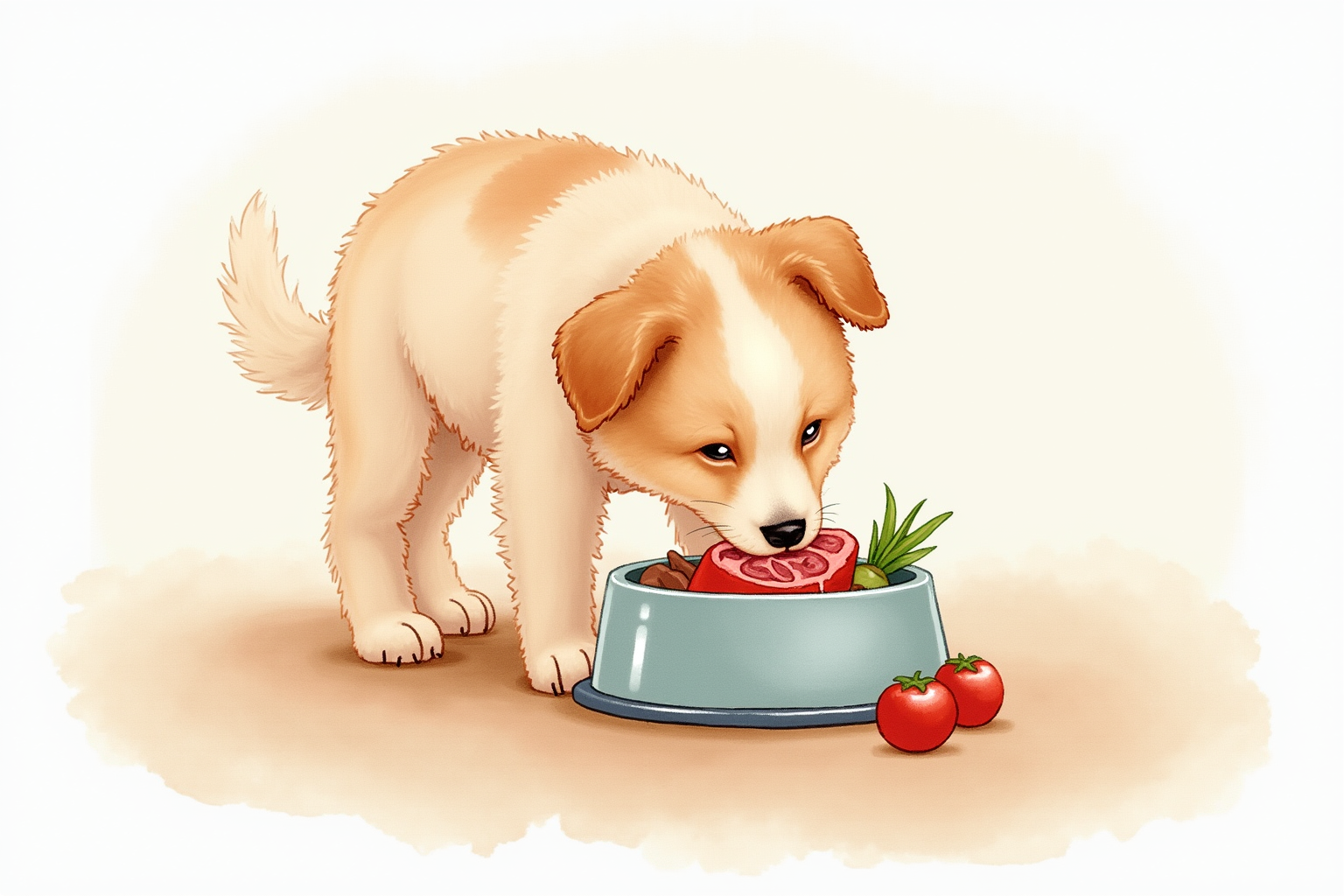
The raw food community emphasizes several benefits, some better supported than others:
Well-documented:
- Smaller, less odorous stools: Higher digestibility means more of the food is absorbed
- Lower urinary issues in cats: Higher moisture content (similar to wet food benefit)
- Less weight loss issues: Some dogs maintain healthier weights on raw
Less well-documented:
- Better skin and coat: Often attributed to higher fat content, which cooked diets can match
- Fewer allergies: Selection bias — raw feeders often pick novel proteins
- More energy: Difficult to measure objectively
Often-claimed but unsupported:
- “Closer to ancestral diet” — modern dogs and cats have diverged from wild ancestors over thousands of years
- “More bioavailable nutrients” — proper cooked diets are also highly bioavailable
- “Boosts immune system” — not measurable
Most of the documented benefits can be achieved with cooked homemade diets, which have substantially lower contamination risk. The unique benefits of raw (improved dental from chewing whole pieces) are real but small.
Safe-handling protocol
If you decide to feed raw despite the elevated risks, strict protocols reduce (but don’t eliminate) the danger:
Sourcing:
- Choose commercial brands with HPP (High-Pressure Pasteurization) treatment
- Verify the brand has not had recent recalls (check FDA recall database)
- Avoid homemade raw unless you have nutritional expertise and confidence in your meat sources
Handling:
- Dedicated cutting board, knife, and prep area for raw pet food only
- Hand washing with soap and warm water for 20+ seconds after every contact
- Sanitize all surfaces with bleach solution (1 tablespoon bleach per gallon of water) after preparation
- Don’t allow raw food to contact human food preparation areas
Feeding:
- Use dedicated stainless steel bowls (easier to sanitize than ceramic)
- Wash bowls in 140°F+ water immediately after each meal
- Don’t let raw food sit at room temperature more than 30 minutes
- Pick up uneaten food promptly
Cleanup:
- Clean pet feces immediately (gloves recommended)
- Don’t allow pets to lick household members shortly after eating
- Wipe down areas where pets ate
Household considerations:
- Avoid raw feeding entirely in homes with infants, elderly, immunocompromised, or pregnant individuals
- Educate all household members on contamination risks
- Maintain extra-strict hygiene around bathrooms (humans) and feeding areas (pets)
The protocols are demanding. Many households that start raw feeding eventually stop because of the maintenance burden.
Top picks for raw alternatives
Stella & Chewy's Raw Dinner Patties (Freeze-Dried)
Price · $30-55 per bag — best freeze-dried raw pick
+ Pros
- · HPP-treated for pathogen reduction before freeze-drying
- · Shelf-stable — no refrigeration required
- · Easy portion control with patty format
− Cons
- · Premium pricing (~$2-3 per meal for medium dog)
- · Higher contamination risk than fully cooked alternatives
Paid affiliate link. Price, availability, and ratings can change; verify details on the retailer page before buying.
Primal Freeze-Dried Nuggets
Price · $35-65 per bag — best alternative raw pick
+ Pros
- · HPP treatment plus freeze-drying for double pathogen reduction
- · Smaller nugget format works for cats and small dogs
- · Multiple protein options (turkey, chicken, beef, etc.)
− Cons
- · Cost similar to Stella & Chewy's
- · Still requires careful handling vs cooked food
Paid affiliate link. Price, availability, and ratings can change; verify details on the retailer page before buying.
The Honest Kitchen Dehydrated Whole Food
Price · $45-75 per box — best cooked alternative to raw
+ Pros
- · Whole-ingredient quality at cooked-food safety level
- · Human-grade ingredients with full traceability
- · Just-add-water preparation simple at home
− Cons
- · Texture is different from kibble or raw
- · Premium pricing per meal
Paid affiliate link. Price, availability, and ratings can change; verify details on the retailer page before buying.
The buying decision
For most pet owners, the right path is to skip raw feeding entirely. The documented contamination risks are real, the safe-handling protocols are demanding, and the unique benefits of raw can largely be achieved with quality cooked food. The Honest Kitchen dehydrated whole food at $45-75/box provides ingredient quality similar to raw without the pathogen risk.
For pet owners committed to raw, choose HPP-treated freeze-dried options like Stella & Chewy’s or Primal. These provide most of the raw food benefits with significantly reduced contamination risk. Combine with strict handling protocols and exclude raw feeding from households with vulnerable members.
For the budget-conscious or convenience-focused, premium cooked options (Hill’s Science Diet, Royal Canin) provide complete nutrition with no contamination risk at one-third the price of raw alternatives.
Avoid commercial frozen raw without HPP treatment. The contamination rates are too high for typical household handling capabilities. The FDA recall database lists multiple raw food recalls every year — verify your chosen brand isn’t on the recent recall list before purchase.
Raw feeding is a personal choice with documented tradeoffs. The veterinary establishment universally advises against it for sound reasons. If you choose raw anyway, do so with full understanding of the risks and the willingness to maintain strict protocols indefinitely.