Senior Cat Hydration and Litter Box Monitoring Plan for 2026
A practical senior-cat plan for water intake, litter box observations, weight notes, vet escalation, and privacy-safe household records.
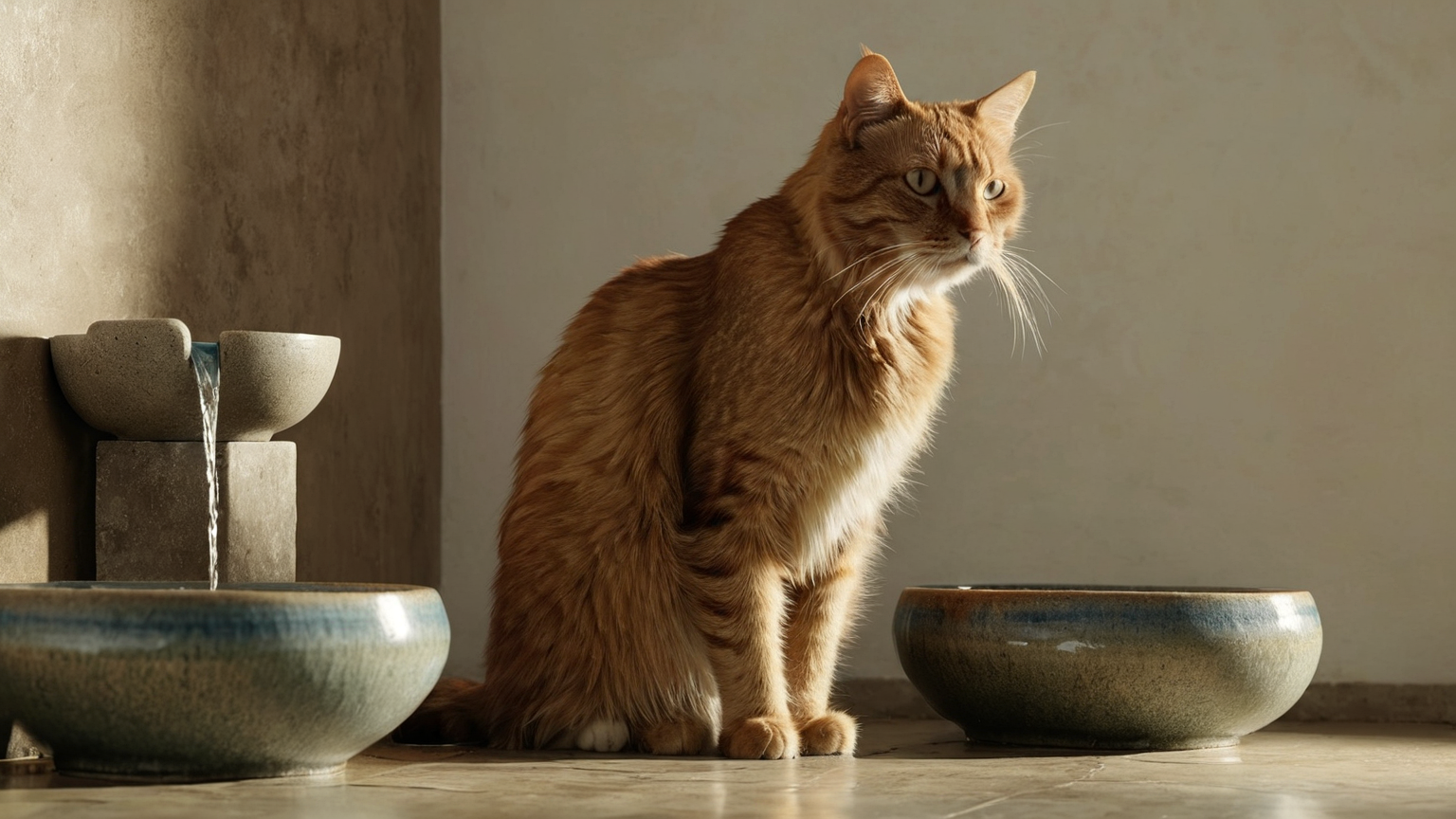
Updated 2026-06-13. Older cats often hide illness until a pattern has changed for days or weeks. Hydration, litter box behavior, appetite, weight, and energy are not diagnoses by themselves, but they are useful observations to bring to a veterinarian. The goal is a low-stress monitoring routine that notices change without turning the home into a clinic or delaying urgent care.
Quick decision table
| Observation | What to record | Why it matters | Escalation cue |
|---|---|---|---|
| Water use | Bowl refills, fountain use, new thirst | Kidney, diabetes, medication, heat, or diet changes can affect intake | Sudden increase, weakness, vomiting, or hiding |
| Urination | Clump size, frequency, straining, misses | Litter changes can indicate urinary or systemic illness | Straining, blood, crying, no urine, repeated box trips |
| Weight | Weekly trend, not daily panic | Slow loss is easy to miss under fur | Unplanned loss or appetite change |
| Appetite | Food type, portion, skipped meals | Helps vet separate preference from illness | Not eating, repeated vomiting, rapid decline |
Build a baseline before there is a crisis
Pick one quiet week and record normal bowl refills, litter clump pattern, appetite, stool quality, weight, medication timing, and favorite resting places. Baseline notes should be simple: date, observation, and whether anything changed in food, litter, weather, guests, or medication. This makes the later veterinary call more specific than “something seems off.”
Make litter observations clean and respectful
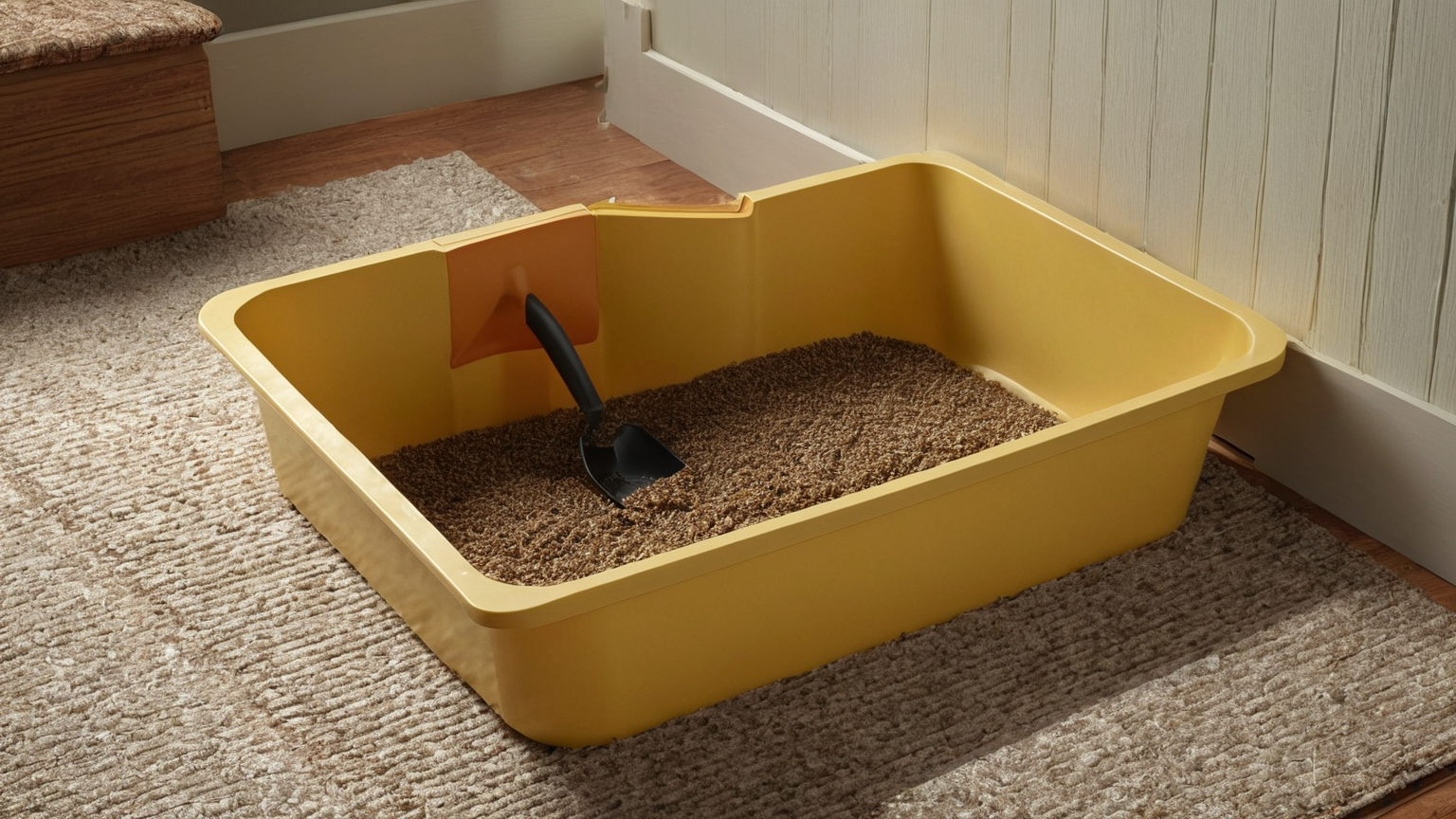
Do not rely on one dramatic clue. Look for repeated box visits, smaller or larger clumps, urinating outside the box, difficulty posturing, blood-tinged litter, or sudden avoidance of a box that used to be acceptable. Keep boxes clean, accessible, and low-entry for an older cat; pain can make a high-sided box feel impossible.
Use weight as an early-warning trend
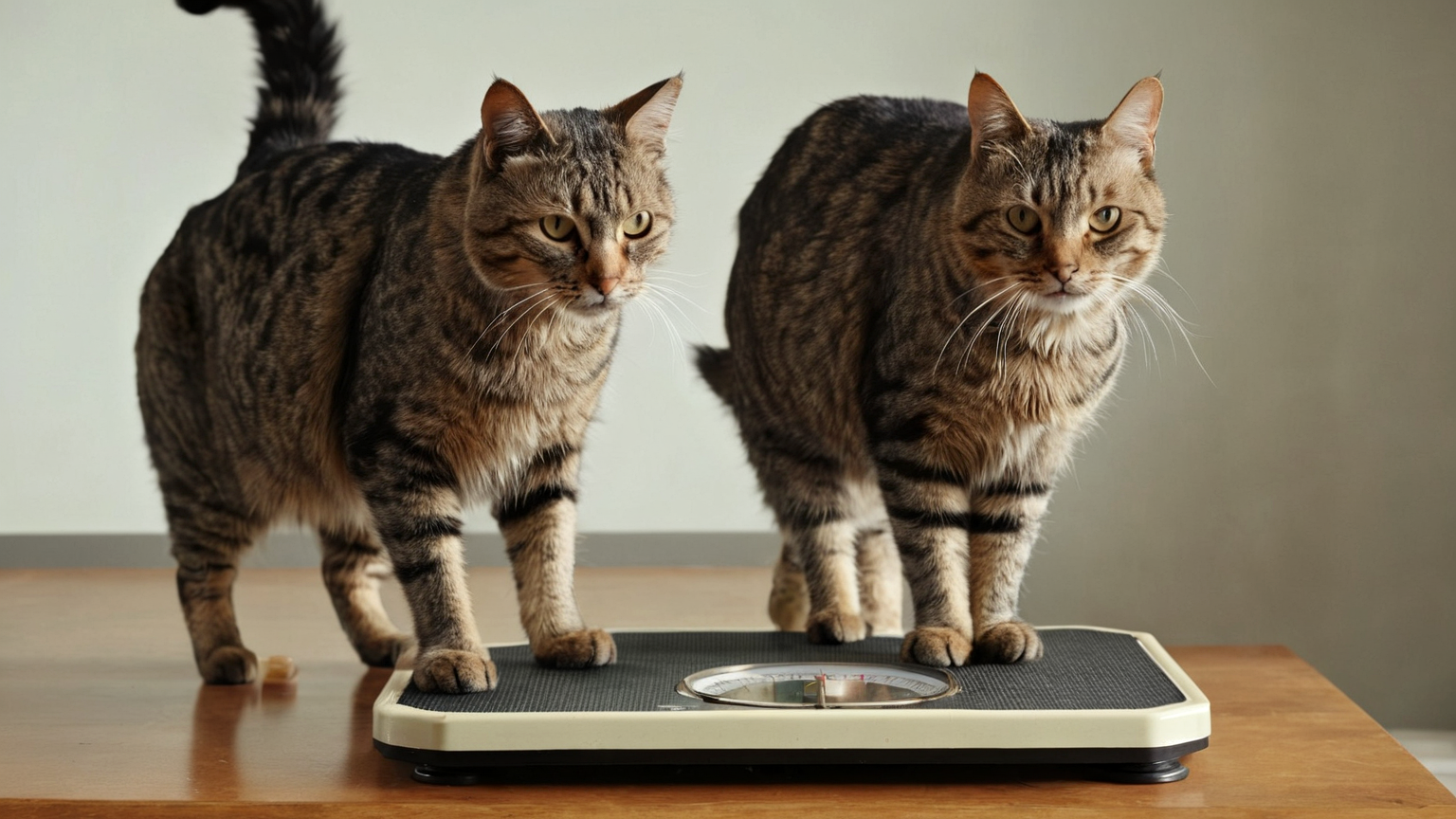
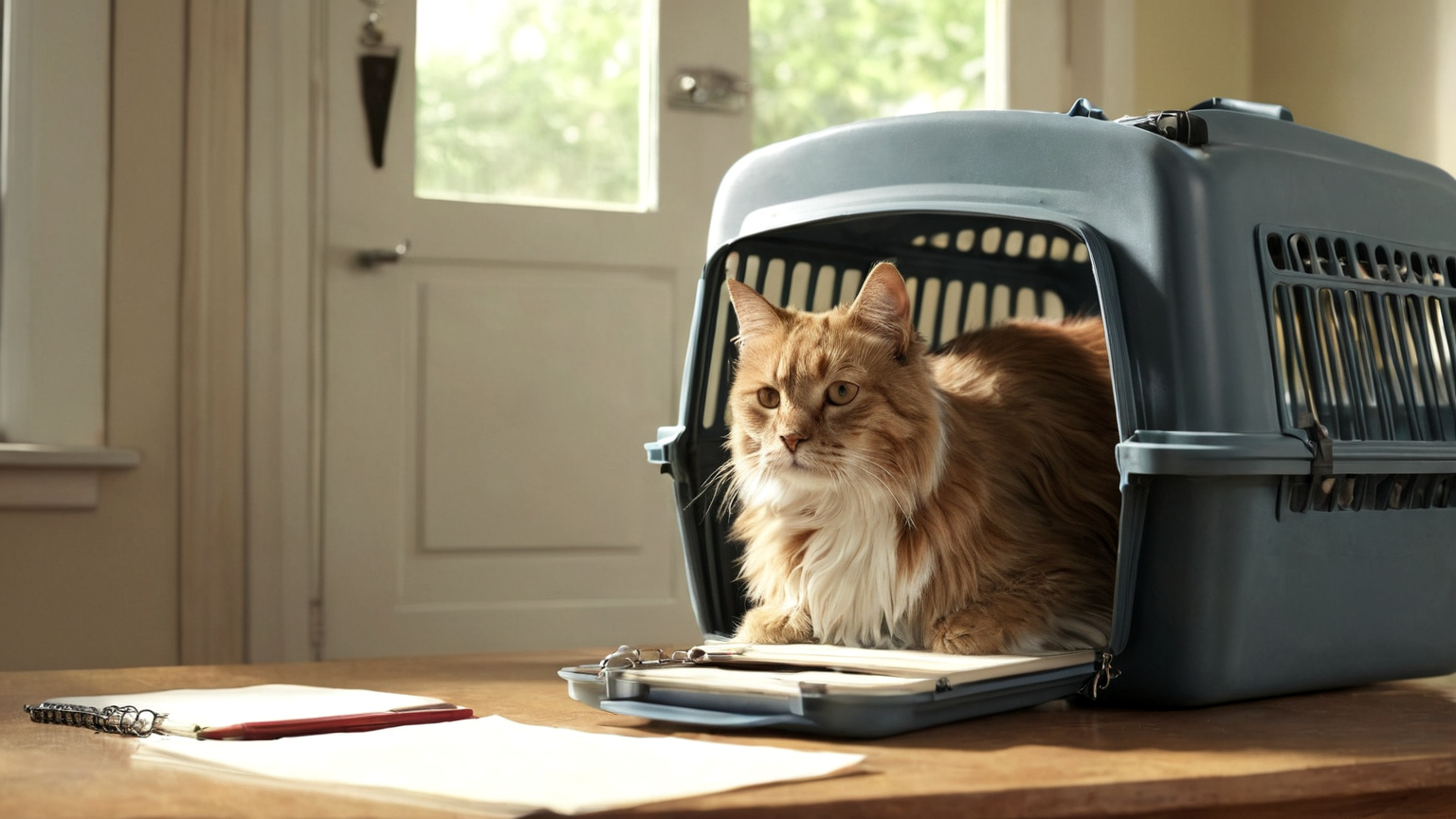
A small weekly weight check can reveal gradual loss before it is obvious visually. Use the same scale method each time and avoid chasing daily noise. If the cat is stressed by the scale, weigh the carrier plus cat, then the carrier alone. Bring the trend to the vet rather than changing diet or supplements alone.
Hydration support is not a substitute for diagnosis
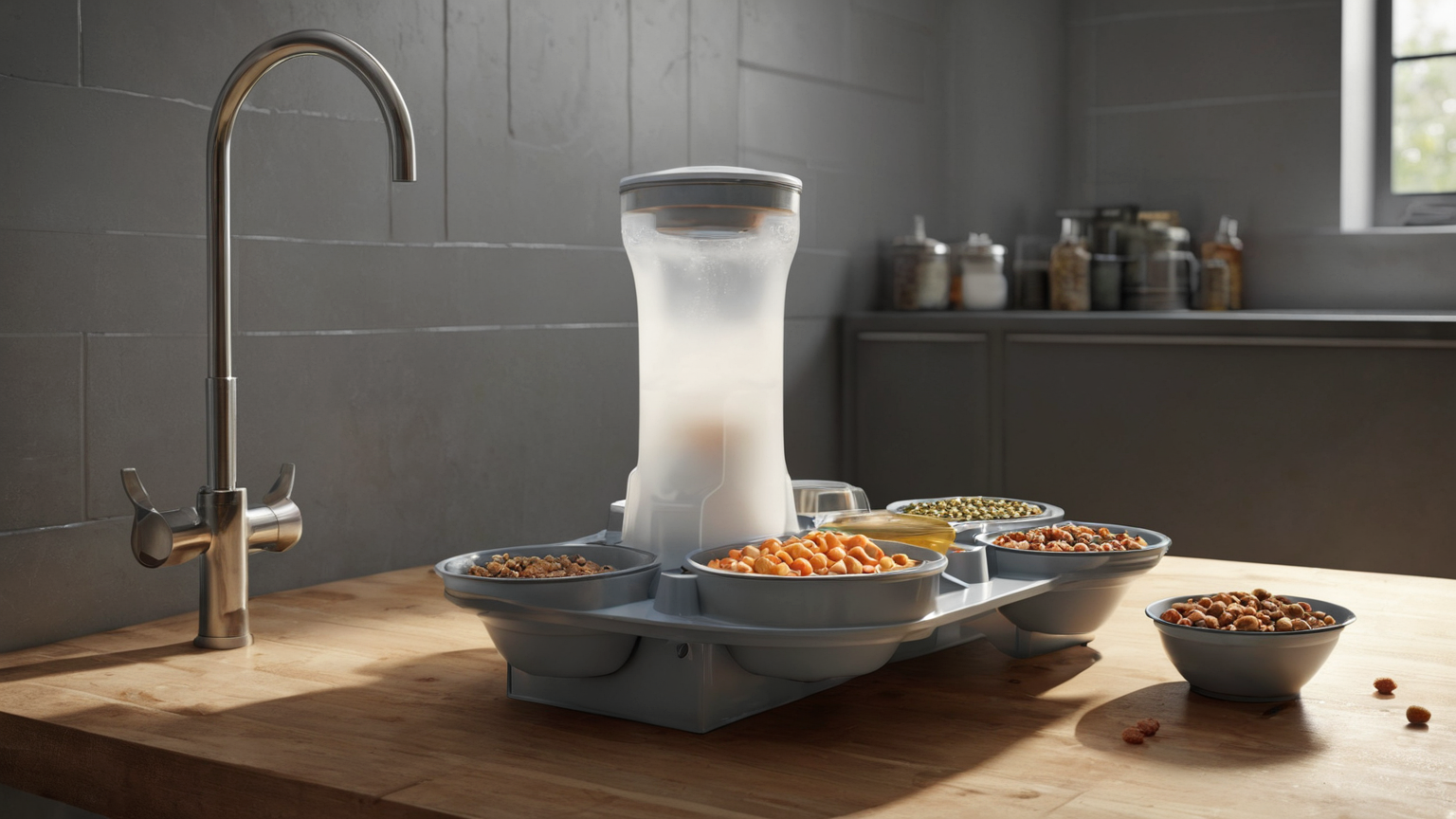
More water stations, fountains, wet food, and quiet access can help some cats drink, but increased thirst can also be a sign that needs veterinary evaluation. Do not restrict water to “test” a cat. If the cat is weak, vomiting, not eating, straining, or producing no urine, treat that as urgent.
Keep records useful, not obsessive
A good senior-cat note fits on one page: current food, medications, litter brand, weight trend, water observations, and the exact change that prompted concern. Avoid long speculation. Clear observations help the veterinary team decide whether the next step is exam, urinalysis, bloodwork, imaging, pain control, diet review, or emergency care.
Practical checklist
- Put water in at least two quiet locations.
- Keep one more litter box than the number of cats when possible.
- Photograph the medicine label for private reference, but do not post it publicly.
- Weigh weekly if tolerated.
- Call a veterinarian promptly for straining, blood, no urine, collapse, repeated vomiting, or sudden behavior change.
Common mistakes to avoid
| Mistake | Better approach |
|---|---|
| Waiting for a senior cat to “act sick” | Track small pattern changes early |
| Blaming every accident on behavior | Rule out pain, urinary disease, mobility, and box access |
| Changing food, supplements, and litter at once | Change one variable at a time unless the vet directs otherwise |
FAQ
Is more drinking always bad in a senior cat?
No, but a clear increase should be discussed with a veterinarian because kidney disease, diabetes, diet, heat, and medication changes can all affect thirst.
Should I use an app or a paper log?
Use whichever the household will actually maintain. A simple weekly note is often better than a detailed app that nobody updates.
Is this veterinary advice?
No. It is a home monitoring framework to support timely veterinary care, not a diagnosis or treatment plan.
AdSense and trust note
This guide is informational, source-backed, and intentionally avoids affiliate pressure or scare language. It is designed to help readers make safer, more documented decisions and to know when a licensed veterinarian, emergency veterinary clinic, or official pet-health provider should be consulted.