Senior Pet Nutrition — 2026 Evidence-Based Guide
Senior pets (7+ years for dogs, 11+ for cats) have changing nutritional needs. Protein, joint support, and the diet adjustments that extend healthspan.

Senior pets — dogs 7+ years and cats 11+ years — represent a significant portion of household pets and have specific nutritional needs different from younger adults. The traditional approach of “feed less protein as they age” has been largely overturned by recent research showing that senior pets actually benefit from maintained or slightly increased protein, paired with thoughtful adjustments for calorie, fiber, and joint support.
This article explains the current evidence on senior pet nutrition, identifies the dietary changes that produce measurable benefits, and recommends specific senior diets across budgets. The conclusion is that senior nutrition is more nuanced than the marketing suggests, but evidence-based adjustments can meaningfully extend healthspan and quality of life.
- When pets are considered senior (and why the age varies by size)
- Why protein restriction for seniors is outdated advice
- Joint supplement evidence — what works and what doesn’t
- Feeding frequency and portion adjustments
- Top picks across $30-100 monthly budget range
When pets become senior
AAHA (American Animal Hospital Association) guidelines:
Dogs:
- Giant breeds (Great Dane, Mastiff): senior at 5-6 years
- Large breeds (Lab, Golden Retriever, Shepherd): senior at 7-8 years
- Medium breeds (Beagle, Border Collie): senior at 8-10 years
- Small breeds (Yorkie, Chihuahua, Dachshund): senior at 10-12 years
Cats:
- Mature/middle age: 7-10 years
- Senior: 11-14 years
- Geriatric: 15+ years
The variation reflects different lifespans by size and species. Giant dogs age faster because of their accelerated growth and metabolism; small dogs and cats age more slowly.
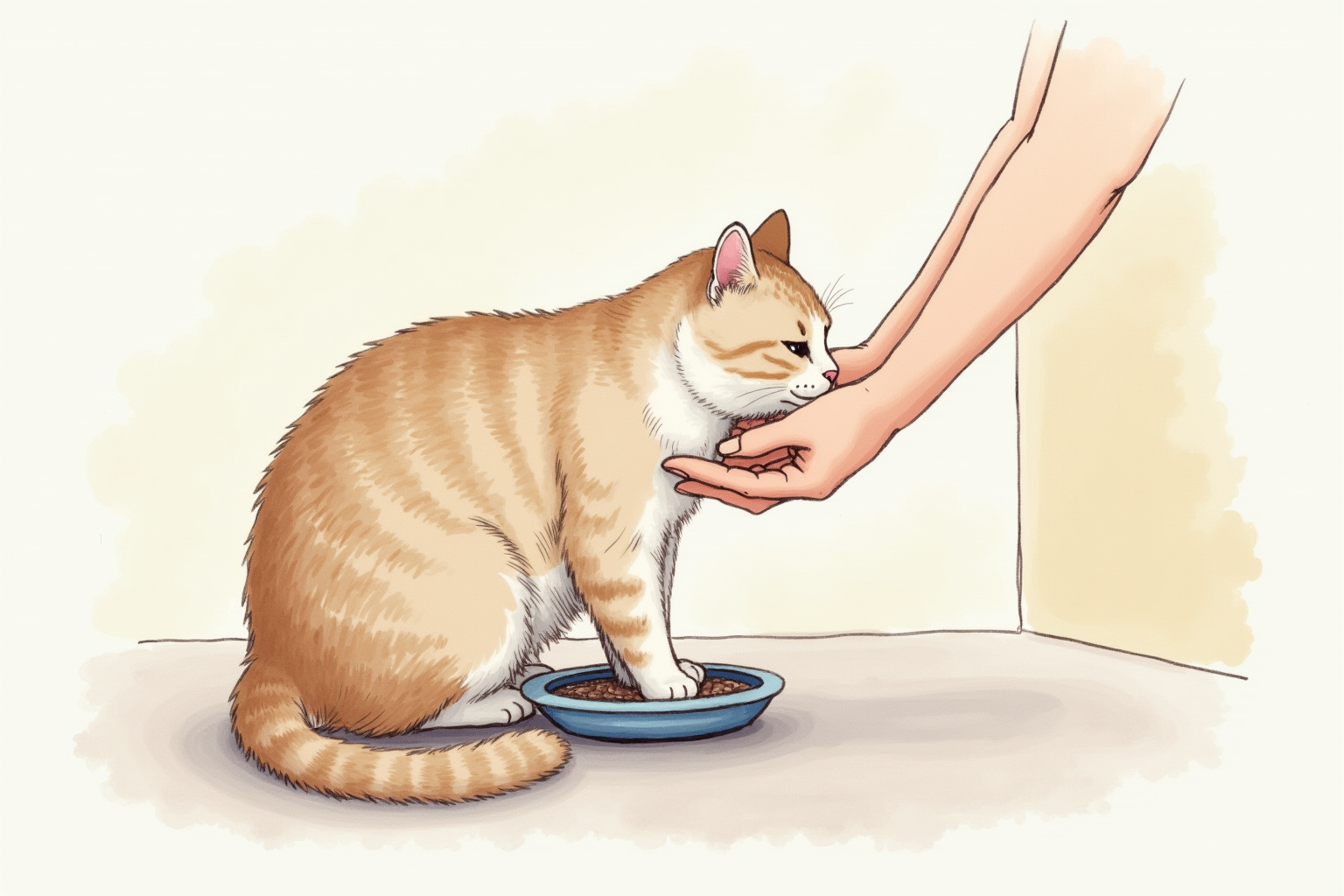
Physical signs of senior transition include reduced activity tolerance, joint stiffness (especially morning or after rest), changes in coat texture, dental wear, and subtle weight changes (usually gain due to reduced activity, sometimes loss due to muscle decline).
Protein — the outdated advice
For decades, conventional wisdom held that senior dogs and cats needed lower protein to “protect” aging kidneys. This advice persists in many older textbooks and pet owner resources.
Current evidence contradicts this:
-
Healthy senior pets without kidney disease: Higher protein supports lean muscle mass. AAFCO senior formulas typically include 28-32% protein vs 18-25% for adult formulas.
-
Senior pets with diagnosed kidney disease: Protein restriction is appropriate but should be specifically prescribed and monitored. Restricting protein without diagnosis can accelerate muscle loss without preventing kidney decline.
-
Sarcopenia (age-related muscle loss): Affects 15-25% of senior pets. Higher protein intake combined with light exercise can slow muscle loss significantly.
The new guideline: feed adequate or higher protein to healthy senior pets. Reserve protein restriction for vet-diagnosed conditions that specifically require it.
Joint supplement evidence

Glucosamine and chondroitin are the most-marketed joint supplements for senior pets. The evidence is mixed:
Some studies: 30-40% of dogs with mild-moderate osteoarthritis show improved lameness scores after 6-12 weeks of glucosamine-chondroitin supplementation at 1000-1500mg/day.
Other studies: No measurable difference vs placebo, especially in cats.
The American College of Veterinary Internal Medicine classifies glucosamine as “possibly effective” — worth trying but not guaranteed.
More evidence-based interventions for joint pain:
- Omega-3 fatty acids (EPA/DHA): Strong anti-inflammatory effect; 100-150mg per kg body weight daily
- Weight management: Each pound of overweight produces 4-5 pounds of additional joint stress in dogs
- NSAIDs (vet-prescribed): Carprofen, meloxicam, deracoxib — reliably reduce inflammation
- Adequan injections: Polysulfated glycosaminoglycan, shown to slow joint disease progression
Senior pet foods typically include 500-1000mg/kg glucosamine and 200-500mg/kg chondroitin — modest doses that may help mildly arthritic pets but unlikely to provide major relief alone.
Feeding frequency and portion sizes

Senior pets benefit from changes to feeding schedule:
3-4 smaller meals per day instead of 1-2 large meals:
- Easier on digestive system
- Prevents acid buildup in empty stomachs
- More consistent energy through the day
- Encourages appetite (smaller portions feel manageable)
Calorie adjustments:
- Less active seniors need 10-20% fewer calories than adults of same weight
- Weight gain is common in senior dogs; weight loss is common in senior cats
- Monitor body condition monthly — adjust portions if changes are sustained
Texture modifications for dental issues:
- Soak dry kibble in warm water 5-10 minutes before feeding
- Switch to wet food if chewing is painful
- Avoid hard chew treats for pets with dental disease
Top picks across budgets
Hill's Science Diet Adult 7+ Senior Dog Food
Price · $50-75 for 30-lb bag — best premium senior pick
+ Pros
- · Veterinary-formulated for senior nutrition needs
- · Maintained protein (28-30%) and added glucosamine
- · Available in size-specific formulas (small, medium, large)
− Cons
- · Premium pricing vs grocery store senior formulas
- · Some pets dislike the kibble texture transition
Price, availability, and ratings can change; verify details on the retailer page before buying.
Royal Canin Aging 12+ Cat Food
Price · $30-50 for 7-lb bag — best premium senior cat pick
+ Pros
- · Maintained protein levels for muscle preservation
- · Added omega-3 for cognitive support
- · Kibble size designed for senior dental concerns
− Cons
- · Specific to 12+ year cats — younger seniors need different formula
- · Limited flavor options vs adult lines
Price, availability, and ratings can change; verify details on the retailer page before buying.
Nutramax Cosequin DS PLUS MSM Joint Supplement
Price · $35-55 — best joint supplement pick
+ Pros
- · Most-studied glucosamine-chondroitin brand in veterinary research
- · Chewable form most pets accept readily
- · Includes MSM for additional anti-inflammatory effect
− Cons
- · Glucosamine evidence is modest (possibly effective)
- · Premium pricing — alternatives exist at lower cost
Price, availability, and ratings can change; verify details on the retailer page before buying.
The buying decision
For most healthy senior pets, the right approach is a quality senior-formula food (Hill’s Science Diet 7+, Royal Canin Aging, Purina Pro Plan Bright Mind) plus omega-3 supplementation. Total monthly cost: $40-80. Skip the glucosamine supplements unless you’re specifically managing arthritis — the evidence is modest.
For senior pets with diagnosed conditions (kidney disease, diabetes, IBD, severe arthritis), follow your veterinarian’s specific dietary recommendations. Prescription diets like Hill’s k/d (kidney), Royal Canin Renal Support, or Purina NF are specifically formulated for these conditions.
For budget-conscious households, mid-range senior formulas (Purina Pro Plan Senior, Iams Senior) provide adequate nutrition at $25-45/month. The premium tier offers refined formulations but the basic senior nutritional needs are met by quality mid-range food.
Avoid generic “all life stages” foods for seniors — they’re formulated for the most demanding life stage (typically growing puppies/kittens) and aren’t optimized for senior needs. The senior-specific formulation provides modest but meaningful benefits.
Aging is the inevitable biological reality for our pets. Thoughtful nutritional adjustments — maintained protein, joint support where appropriate, smaller more frequent meals — can meaningfully extend the quality of those senior years. Work with your veterinarian to tailor the approach to your specific pet’s needs.