Tick Removal and Yard Check Pet Safety Plan: What to Do Before and After Outdoor Time
A veterinarian-aware 2026 pet tick plan covering prevention, yard checks, safe removal, symptom watch, and records for dogs and cats.

This guide is current as of 2026-06-11. It is pet-care education for planning a tick check routine, safe removal records, and veterinarian conversations; it is not a diagnosis or treatment plan for any animal.
Quick decision table
| Situation | Best first move | Avoid | Proof the plan is working |
|---|---|---|---|
| Before outdoor time | Confirm preventive schedule and route risk | Using dog products on cats | The dose date and product are recorded |
| After a walk | Check ears, collar, toes, groin, and tail base | Only looking at easy-to-see fur | The check follows the same order every time |
| Tick found | Use tweezers/tool close to skin and save the date | Burning, twisting, or smothering the tick | Bite location and exposure area are noted |
| Symptoms later | Call the veterinarian with records | Waiting through fever, lameness, or lethargy | The vet gets dates, photos, and tick details |
Ticks are not just an outdoor nuisance; they create a decision problem for pet owners because the safest action changes before the walk, during the check, after removal, and when symptoms appear days later. This guide is current as of June 2026 and focuses on practical household controls rather than panic. It does not diagnose disease or replace a veterinarian, but it gives readers a clear routine to reduce missed ticks and avoid unsafe removal methods.
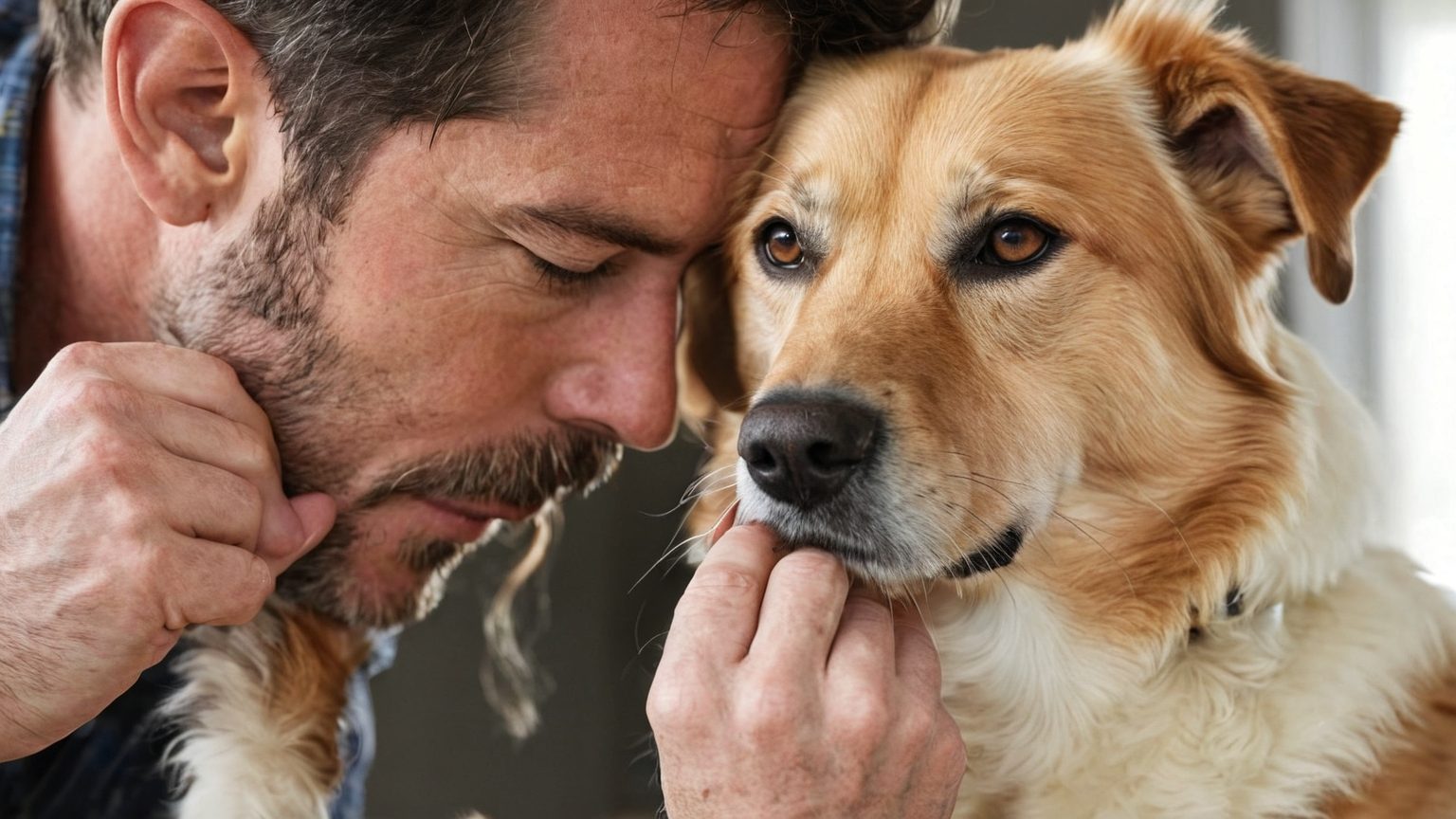
The core principle is simple: prevention lowers the odds, inspection catches what prevention misses, and documentation helps your veterinarian if illness follows. Do not wait for a tick-borne disease headline to build the routine. If your dog or cat goes through grass, brush, leaf litter, dog parks, wooded edges, campgrounds, or wildlife corridors, assume that a calm post-outdoor check is part of the trip, just like water and leash handling.
Step-by-step checklist
- Check the pet outdoors before it reaches bedding, sofas, or shared crates.
- Use a tick tool or fine-tipped tweezers and pull straight without twisting.
- Save the date, attachment location, and a clear photo for the veterinarian if symptoms appear.
- Wash hands, clean the bite area, and watch appetite, gait, energy, and fever-like behavior.
- Review species-appropriate prevention with the veterinarian before using yard sprays or repellents.
- Keep children and other pets away from tick products until labels and veterinary directions are clear.
Start before outdoor time. Ask your veterinarian which tick preventive fits the species, age, weight, pregnancy status, medical history, and other medications of the animal. Never apply a dog product to a cat unless the product label and veterinarian specifically allow it. Store preventives away from children and pets, record the date used, and set a reminder before the next dose is due. A missed dose is easier to prevent than to discover after a tick bite.

A useful yard check is less about making the yard sterile and more about interrupting tick habitat. Keep paths clear, reduce tall grass where pets rest, move play areas away from brushy edges, and make wildlife-attracting clutter less inviting. If pesticides are considered, read the label, keep pets away until the label permits return, and avoid treating more area than necessary. Mechanical controls and veterinarian-approved preventives should come first for most households.

Common mistakes to avoid
| Mistake | Why it weakens the plan | Safer replacement |
|---|---|---|
| Burning, smothering, or twisting a tick | It delays removal and can irritate skin | Pull steadily with the right tool |
| Skipping the follow-up note | Symptoms may appear after the outing is forgotten | Record date, location, and attachment site |
| Using dog products on cats | Some products are unsafe for cats | Confirm species and dose with a veterinarian |
| Treating the yard only once | New ticks arrive with wildlife and brush | Combine mowing, barriers, checks, and prevention |
After outdoor time, check the pet in the same order each time: ears, eyelids, collar area, under the front legs, between toes, groin, tail base, and any thick fur folds. Use good light and your fingers, not only your eyes. Many missed ticks are felt before they are seen. Keep the animal comfortable; a stressful search makes tomorrow’s check harder. Give breaks, treats, and gentle handling so the routine becomes normal.

If you find a tick, use fine-tipped tweezers or a tick-removal tool to grasp close to the skin and pull upward with steady pressure. Do not twist aggressively, burn the tick, cover it with petroleum jelly, use nail polish, or squeeze the body. Clean the bite area and your hands afterward. Save the tick in a sealed bag or container if your veterinarian recommends identification, and note the date, likely exposure area, and where on the body it was attached.
Watch for behavior changes after removal. Call a veterinarian if your pet develops fever, lethargy, lameness, swollen joints, loss of appetite, unusual bruising, pale gums, neurologic signs, or if you cannot remove the tick safely. Cats, puppies, senior pets, and animals with chronic illness deserve a lower threshold for professional guidance. The goal is not to treat every bite as an emergency; it is to avoid dismissing patterns that matter.
AdSense-readiness note: this article deliberately avoids product hype and veterinary overclaims. It gives source-backed steps, safety caveats, and a documentation habit so readers can act responsibly before buying anything.
FAQ
Does this replace professional help?
No. It helps you prepare better questions and records for a veterinarian. Fever, lameness, pale gums, neurologic signs, wounds, or uncertainty about removal should be handled with veterinary guidance.
Why include so many official links?
AdSense-ready helpful content should let readers verify claims. Source links also reduce the chance that a stale social-media shortcut becomes the household plan.
What is the next improvement?
Turn the checklist into a recurring household review and link it from related posts so readers can move from awareness to action without searching the whole site.