Cat Carrier Stress Vet Visit Prep Plan: Home Training, Records, and Safer Travel
A cat carrier stress plan for calmer vet visits: carrier acclimation, transport setup, records, safety checks, and veterinarian escalation points.
This guide is current as of 2026-06-10 and is written for helpful-content and AdSense readiness: it uses source-backed guidance, practical caveats, and no affiliate filler.
Quick decision table
| Decision point | Safer default | What to avoid | Evidence to keep |
|---|---|---|---|
| First action | Make a small repeatable plan | Rushing during the stressful moment | A dated checklist |
| Tools or supplies | Use simple items you already understand | Buying a gadget before defining the risk | Photos or notes kept privately |
| Timing | Review before the problem escalates | Waiting until the appointment, trip, incident, or bill is due | Calendar reminder |
| Escalation | Know when to ask a professional | Treating online advice as diagnosis or legal/financial certainty | Source links and contact records |
| Privacy | Share only what is needed | Publishing private records, screens, labels, or account details | Redacted summary |
Step 1: A carrier plan is not about forcing a frightened cat into a box five min
A carrier plan is not about forcing a frightened cat into a box five minutes before an appointment. It is a home routine that makes the carrier part of normal life, keeps transport safer, and gives the veterinarian better records. As of June 2026, feline handling guidance still points toward low-stress preparation, predictable equipment, and early escalation when illness or pain changes behavior.
Step 2: Keep the carrier visible before you need it
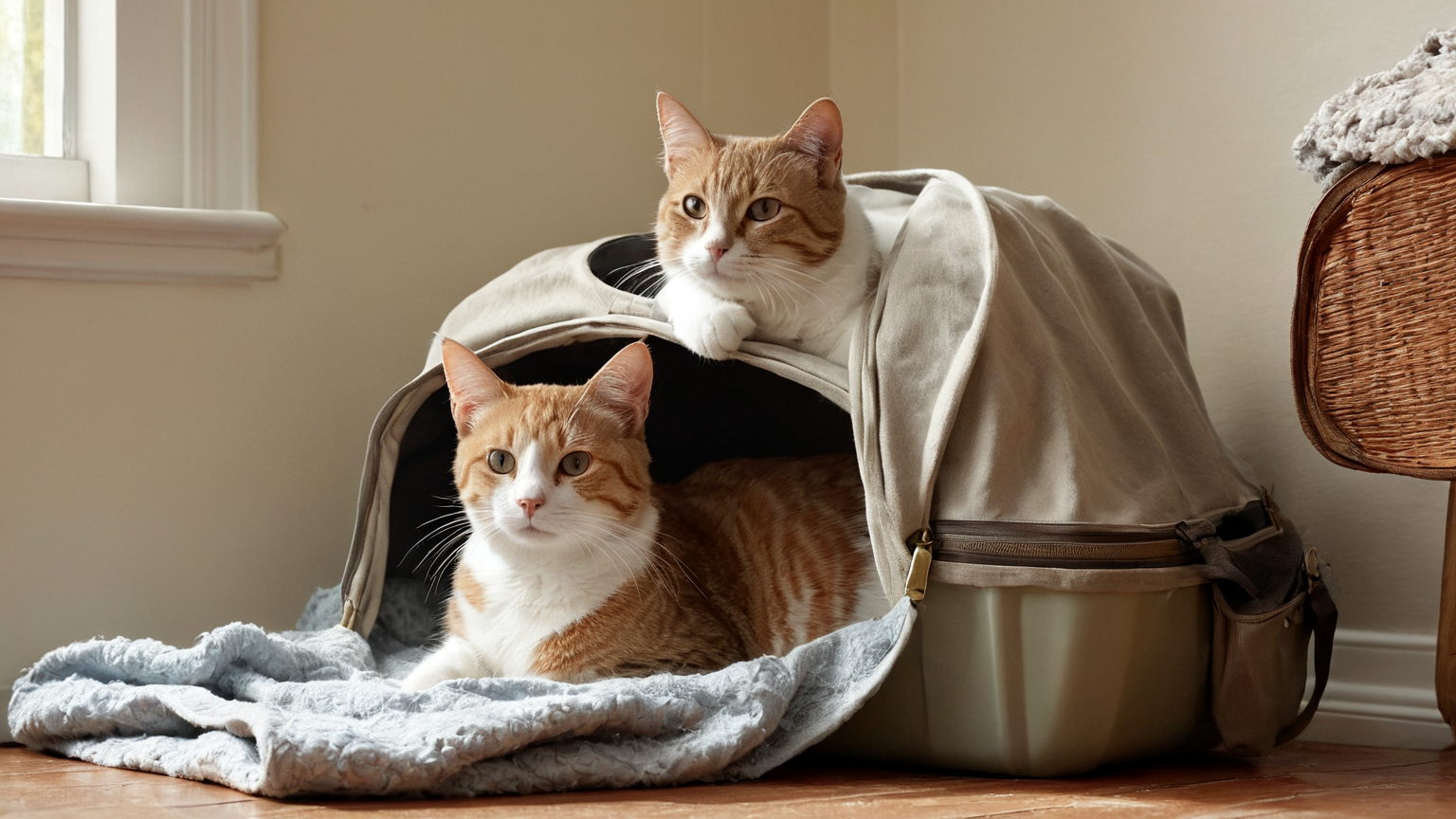
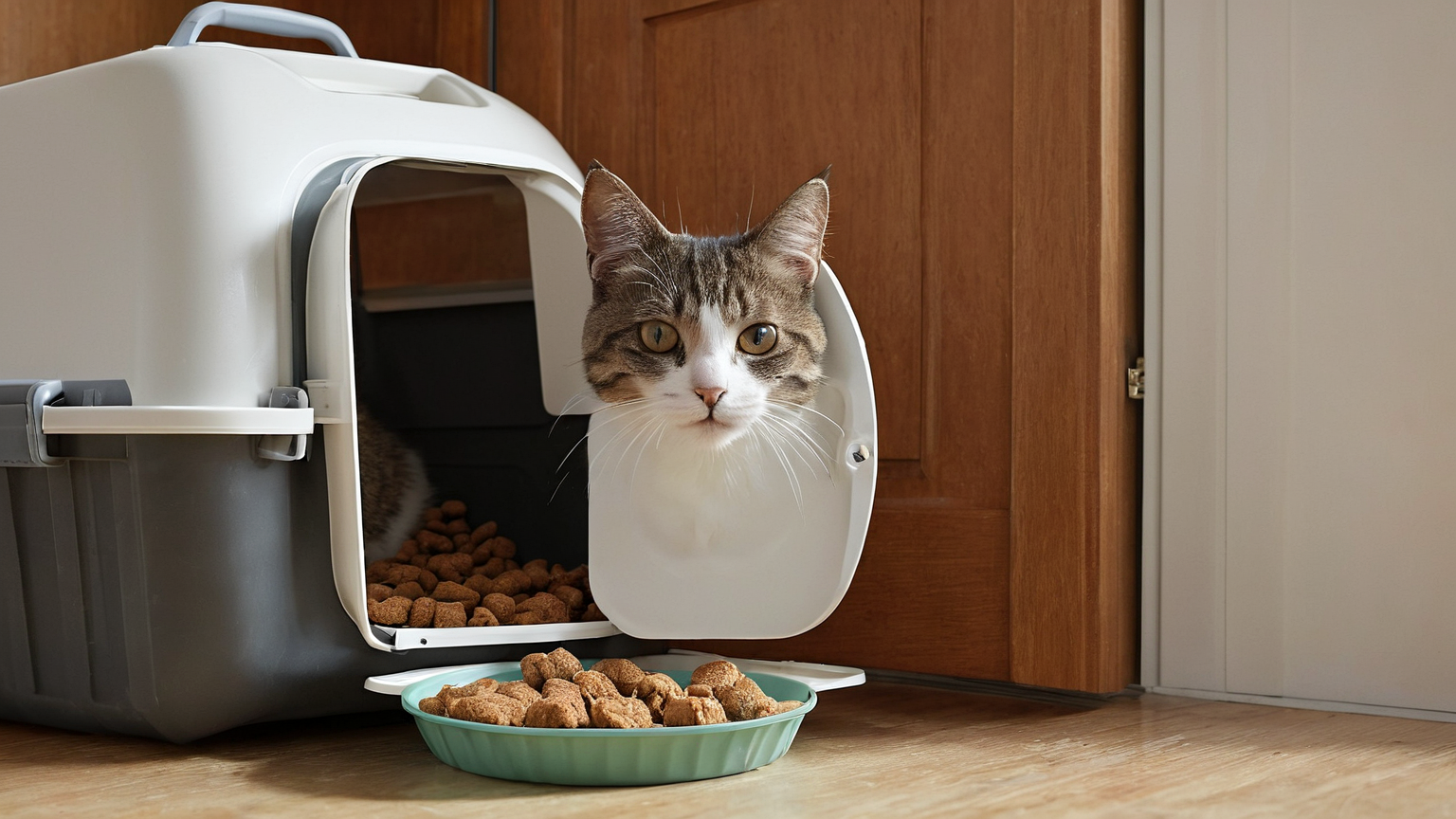
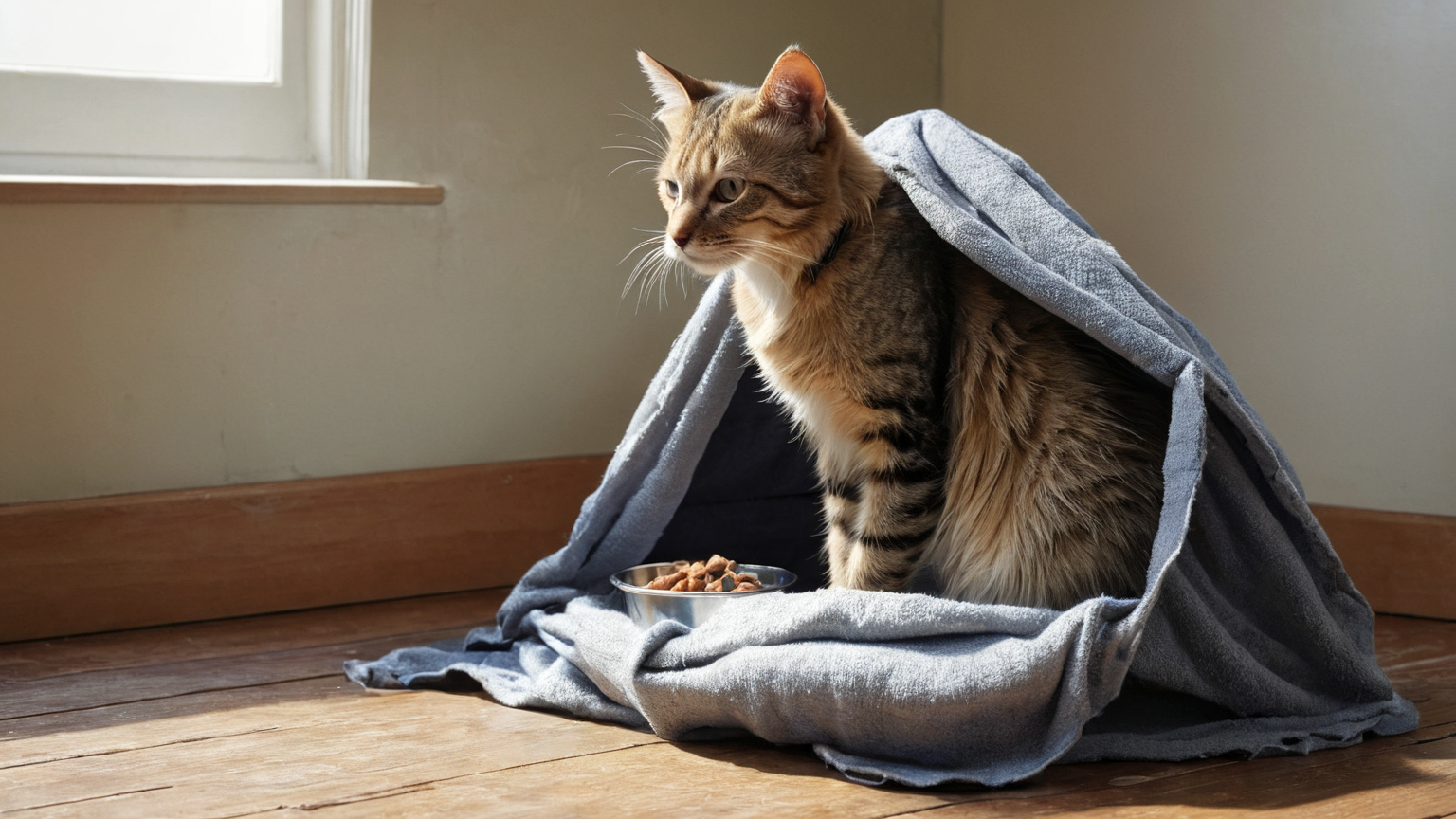
Keep the carrier visible before you need it. Remove the door or prop it open, add familiar bedding, and place calm rewards near the entrance. The first win is voluntary investigation, not closing the door. If the cat only sees the carrier during stressful trips, every future appointment starts with distrust.
Step 3: Choose a hard-sided carrier or sturdy design that can be opened from the
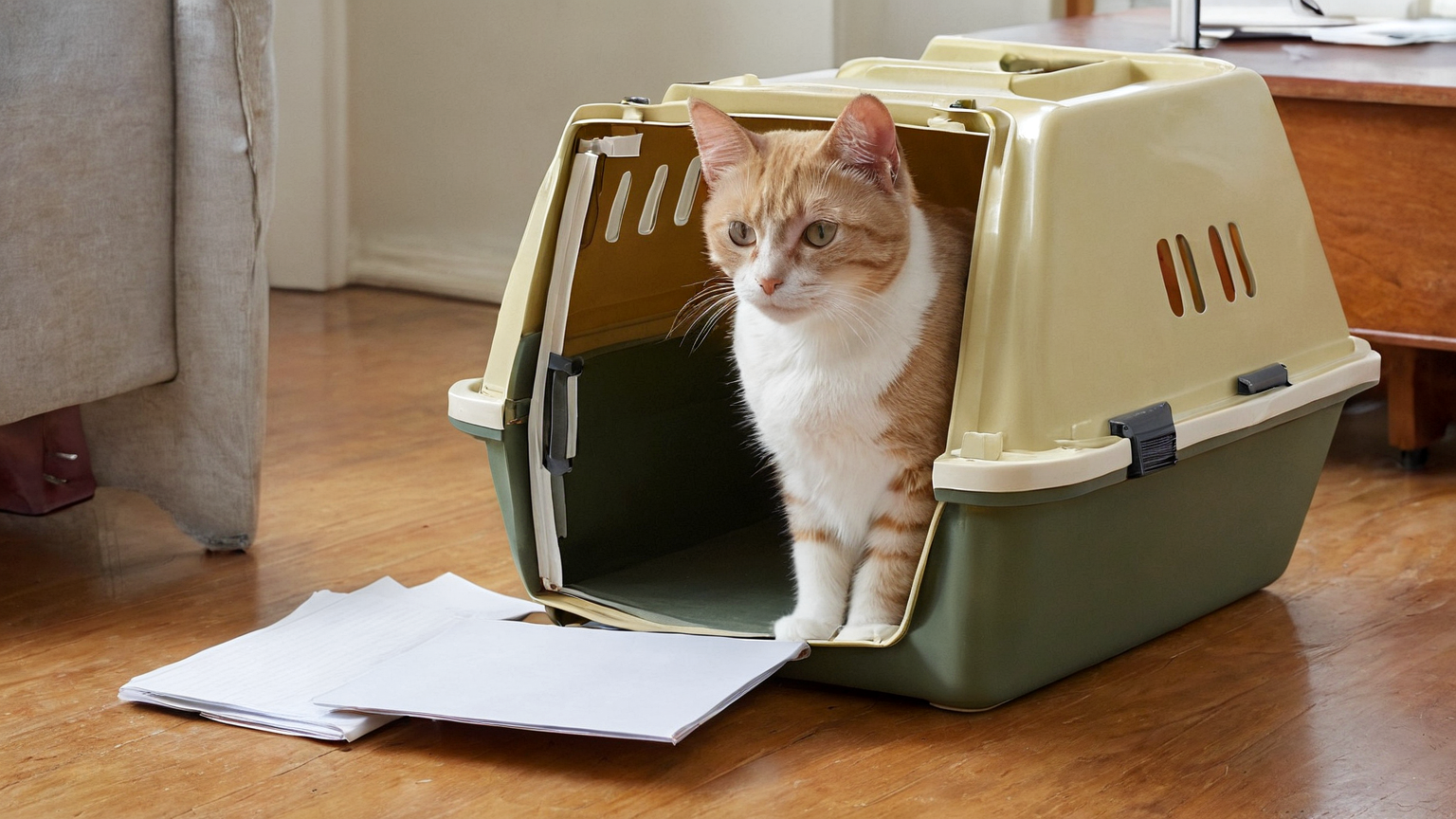
Choose a hard-sided carrier or sturdy design that can be opened from the top or separated for exam access. It should be large enough for the cat to turn around but small enough to feel secure. Avoid loose cardboard, broken latches, dangling straps, or carriers that shift when lifted.
Step 4: Make a vet-visit folder before the day of travel
Make a vet-visit folder before the day of travel. Include current medications, photos of labels stored privately, recent symptoms, appetite changes, litter-box notes, microchip information, and questions for the appointment. Do not post private medical or owner information publicly; the folder is for accurate veterinary handoff.

Step 5: Practice short closures only after the cat is comfortable entering
Practice short closures only after the cat is comfortable entering. Close the door briefly, reward, reopen, then gradually add lifting and a few steps. A cat that panics, pants, drools, hides for long periods, or has prior travel trauma may need a veterinarian-approved plan rather than more home pressure.
Step 6: In the car, keep the carrier level and secure
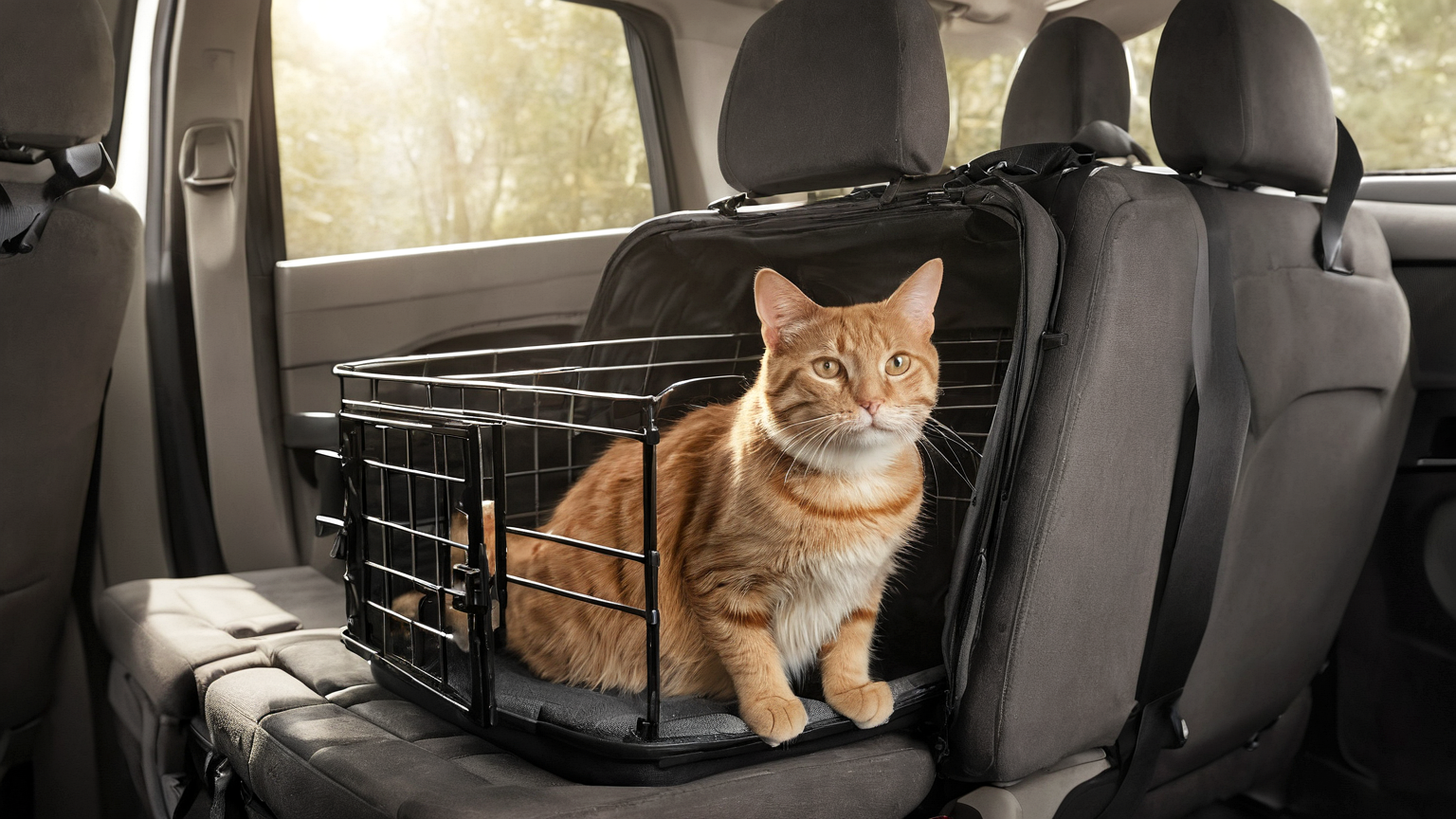
In the car, keep the carrier level and secure. Do not let a cat roam the vehicle. Avoid loud music, strong scents, open windows, and sudden errands. Bring a spare towel, but do not overload the carrier with loose objects.
Step 7: After the visit, give the cat a quiet decompression zone with water, lit
After the visit, give the cat a quiet decompression zone with water, litter access, and a familiar resting place. In multi-cat homes, reintroduce calmly because clinic smells can trigger conflict. Call the clinic if sedation, stress, vomiting, breathing changes, or pain signs continue beyond the expected window.
Practical checklist
- Confirm the current official or expert source before acting on stale-prone details.
- Write the plan in household language so another caregiver, teammate, or family member can follow it.
- Separate urgent red flags from ordinary maintenance tasks.
- Keep private records private; redact labels, account details, medical information, and financial numbers before sharing.
- Review the plan after the real event and improve the weakest step.
Common mistakes
| Mistake | Why it weakens the plan | Better replacement |
|---|---|---|
| Buying first | Tools do not fix unclear decisions | Define the risk and fallback first |
| Keeping no notes | Stress makes details unreliable | Keep a short dated log |
| Ignoring privacy | Helpful records can expose sensitive data | Store privately and share only with the right professional |
| Overgeneralizing | Households, teams, pets, and budgets differ | Adapt the checklist to the actual situation |
| Skipping review | Conditions change | Recheck sources and update seasonally |
Source notes
The linked sources were selected for practical authority and reader usefulness. If a vendor, government, veterinary, security, workplace, or tax rule changes after publication, verify the linked source before making a high-stakes decision.