Dog Dental Home Care Plan: Brush, Chew, and Know When to Book the Vet
A practical dog dental-care routine for brushing, choosing VOHC-listed chews, spotting red flags, and deciding when professional veterinary cleaning is needed.
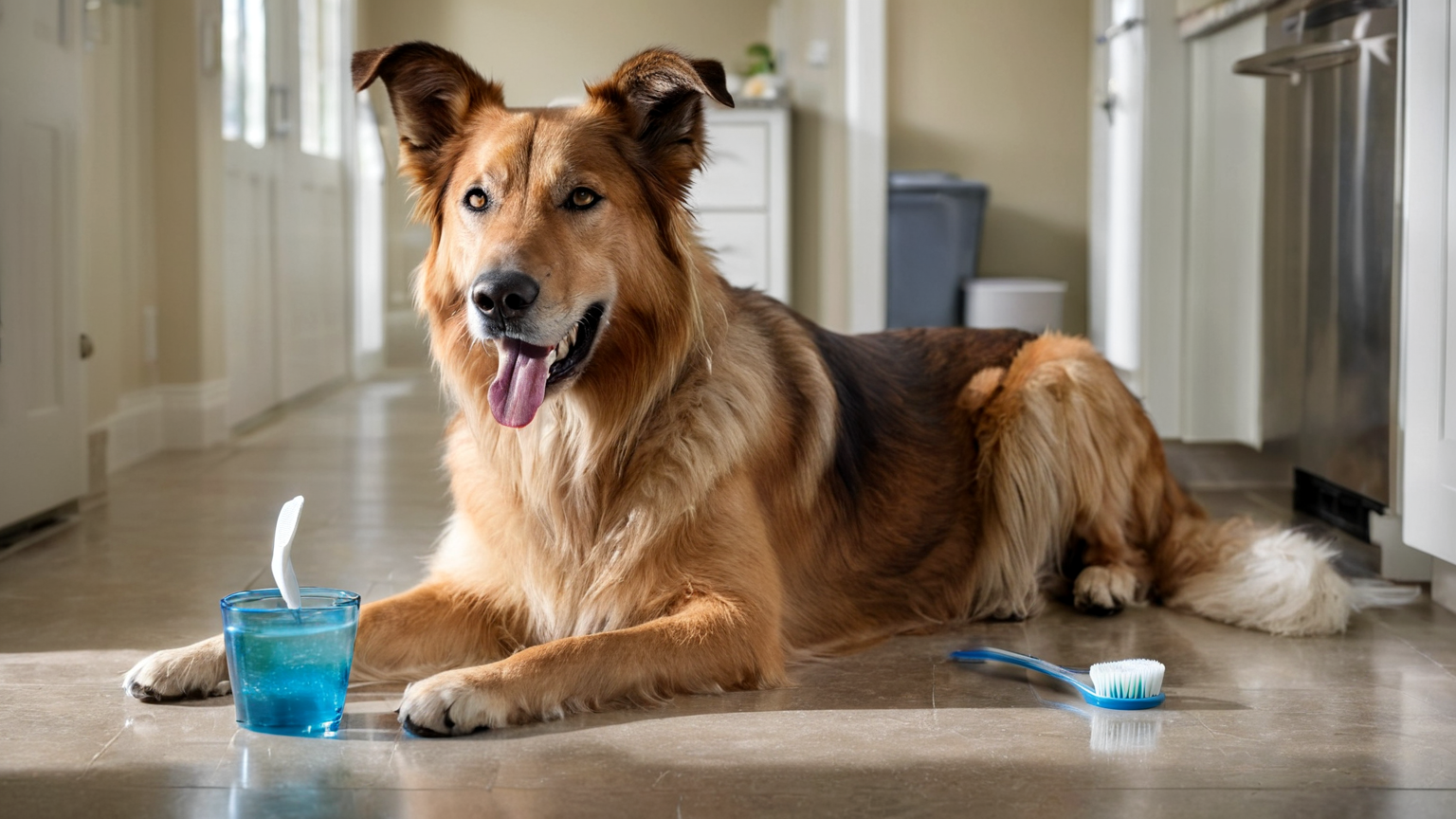
Updated May 28, 2026. This guide is educational and does not diagnose dental disease. If your dog has swelling, bleeding, broken teeth, sudden appetite change, or obvious mouth pain, call your veterinarian instead of trying to fix it with a product.
Dental care works best when it is boring, repeatable, and matched to the dog in front of you. The goal is not to buy every dental gadget. The goal is to remove daily plaque where you safely can, choose chews that have evidence behind them, and recognize the point where home care becomes delay.
The simple decision table
| Situation | Home move | Vet timing |
|---|---|---|
| Normal mouth, mild breath | Start a two-week brushing ramp | Discuss at next wellness visit |
| Tartar visible, gums red | Brush only if comfortable; add vet-approved chew | Book a dental exam |
| Drooling, pawing, refusing food | Do not force brushing | Call promptly |
| Broken tooth, facial swelling, bleeding | Skip home experiments | Urgent veterinary care |
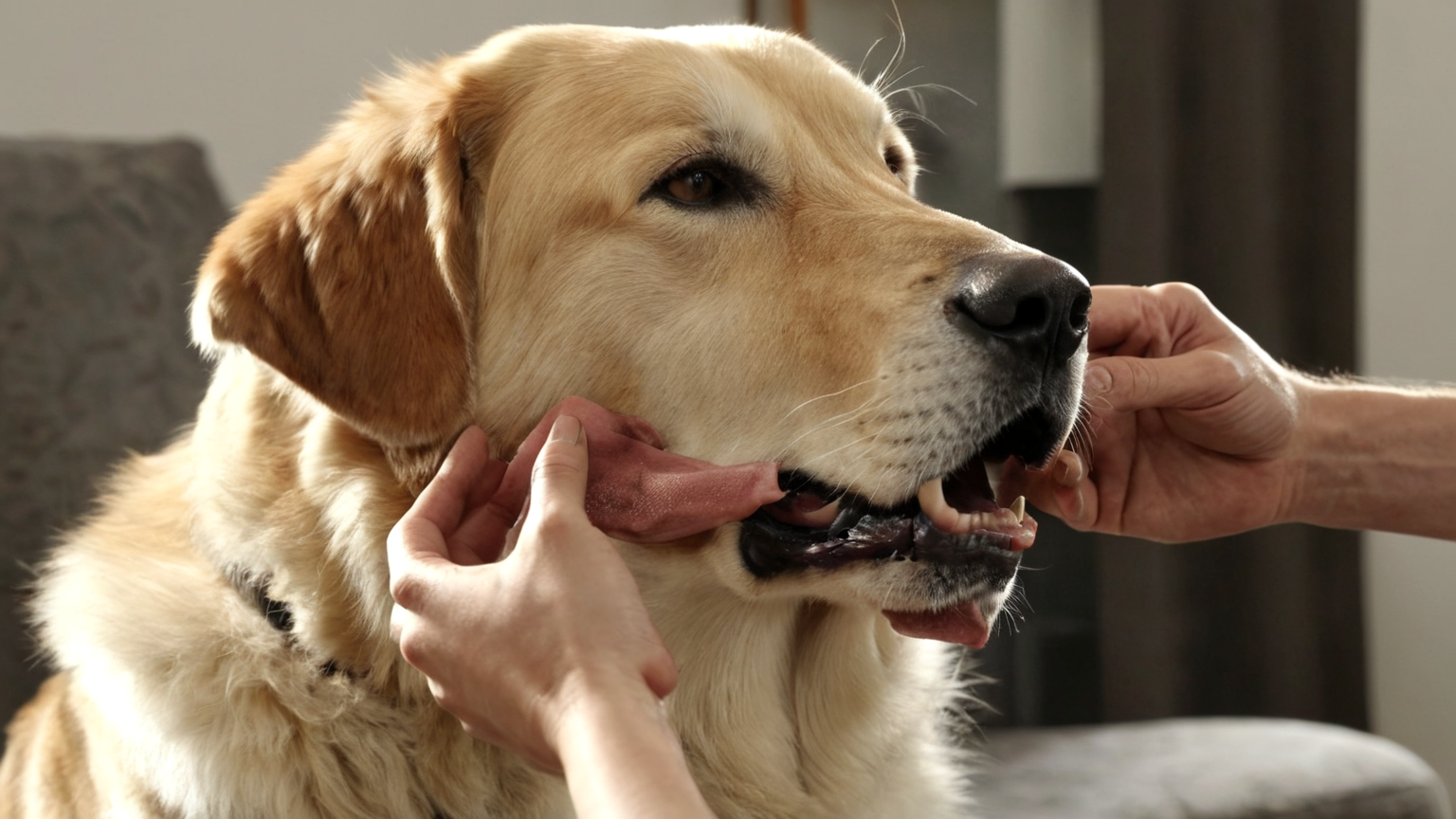
Step 1: make the mouth check calm
Pick a quiet time when your dog is not guarding food or toys. Touch the cheek, lift the lip briefly, praise, and stop before the dog pulls away. You are building permission, not performing a full exam. Look for red gums, heavy brown tartar, cracked teeth, swelling, drool, or a smell that is dramatically worse than usual.
Do not pry the jaw open, scrape teeth with metal tools, or keep going when the dog stiffens. A fearful dog is more likely to hate the next attempt, and a painful mouth can make even a gentle dog snap.
Step 2: ramp brushing in four small phases
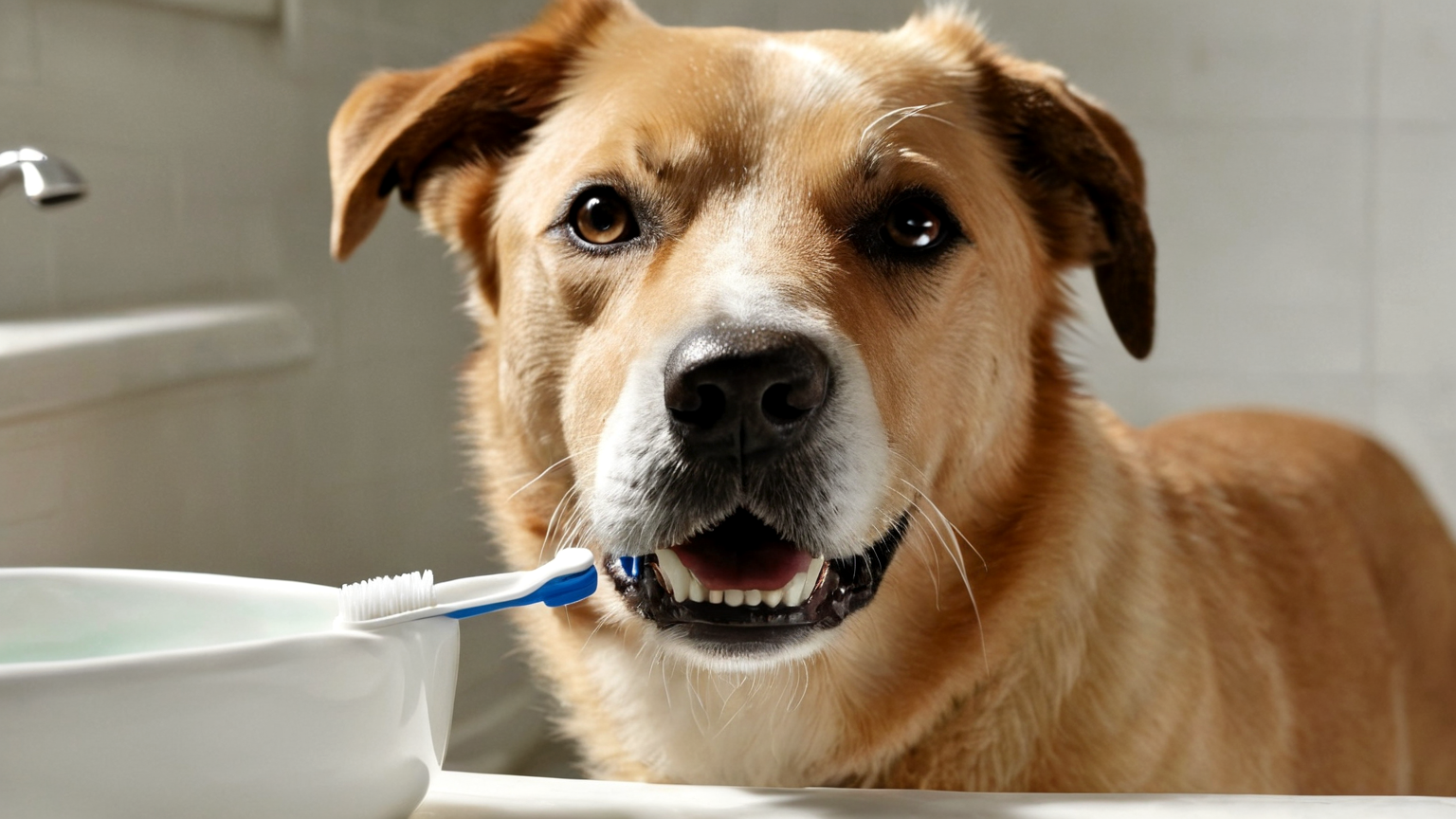
Use pet toothpaste, not human toothpaste. Human products may contain ingredients that are not meant to be swallowed by dogs. A finger brush, soft pet toothbrush, or gauze can work; the best tool is the one you can use consistently without a wrestling match.
| Phase | Goal | What success looks like |
|---|---|---|
| Days 1-3 | Taste and touch | Dog accepts paste on finger near lips |
| Days 4-7 | Front teeth | Ten calm seconds on easy surfaces |
| Week 2 | Outside cheek teeth | Short passes on upper outer teeth |
| Ongoing | Habit | Most days, before a treat or walk |
Brush the outside surfaces first because they collect plaque and are reachable without forcing the mouth open. If you get only the upper cheek teeth on a busy day, that is still better than an abandoned perfect plan.
Step 3: choose chews by evidence and fit
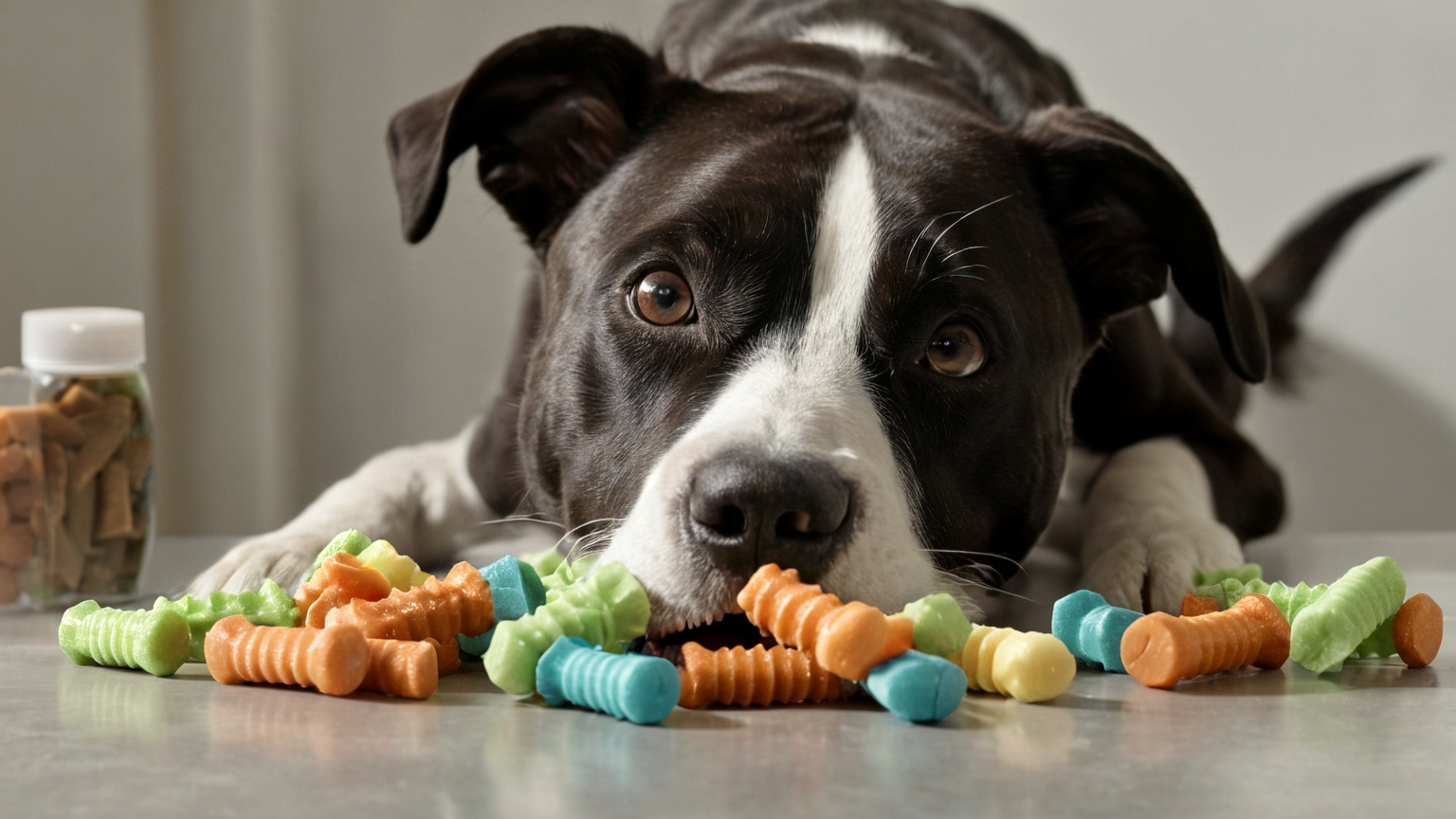
The Veterinary Oral Health Council list is useful because it separates marketing claims from products that met a plaque or tartar standard. That does not mean every accepted product is right for every dog. Match size, calories, chewing style, food sensitivities, and choking risk.
Use this quick filter:
- Too hard to indent with a fingernail? Be cautious; very hard objects can fracture teeth.
- Dog swallows chunks? Choose a different format or supervise more closely.
- Weight management matters? Count chew calories as food, not as a free extra.
- Stomach upset appears? Stop and ask your vet before trying another product.
Step 4: know what professional cleaning adds
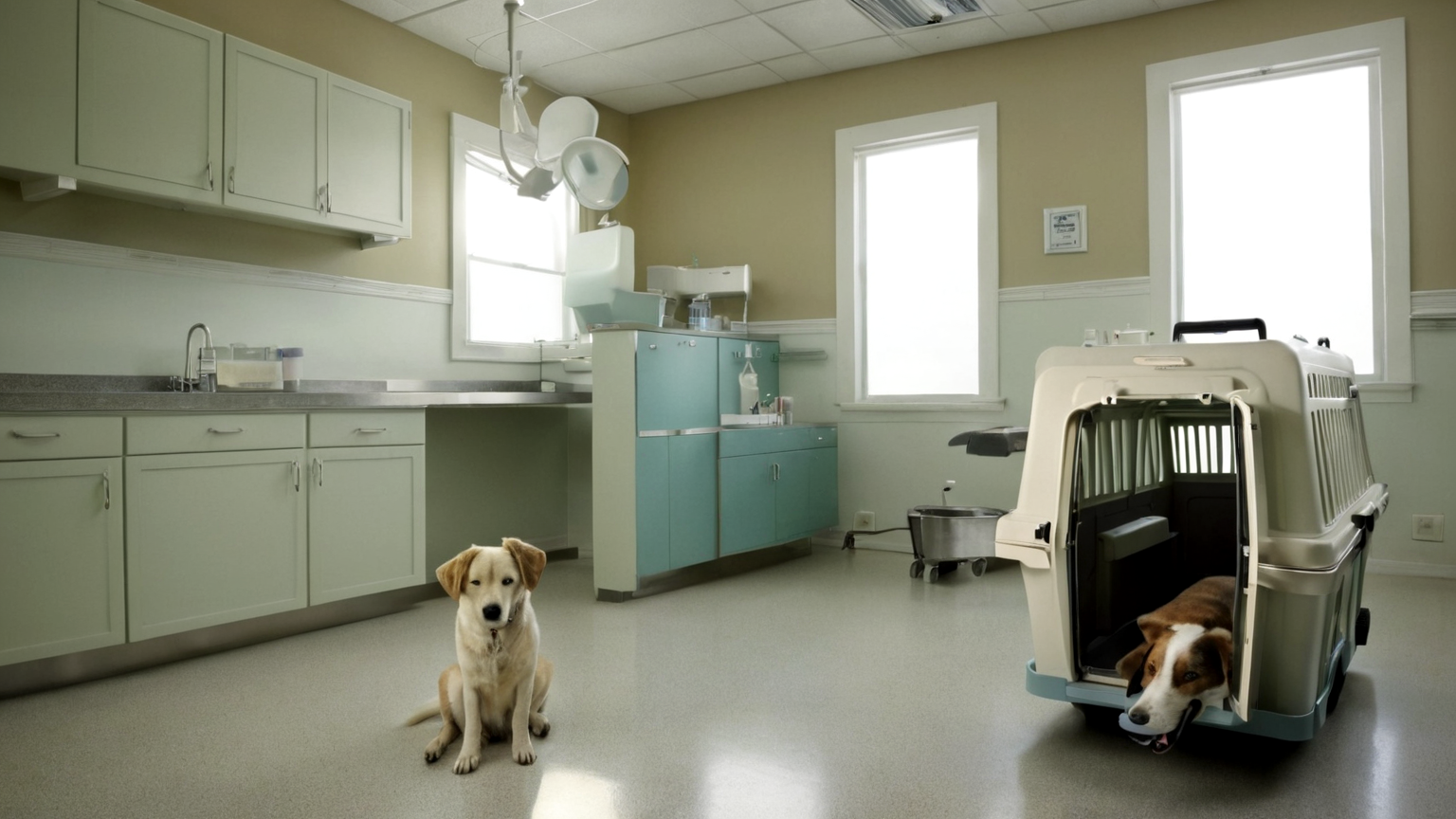
Home care works on the visible surfaces. Veterinary dental care can include a full oral exam, dental radiographs when indicated, cleaning above and below the gumline, polishing, and treatment of painful teeth. That distinction matters because dogs can hide oral pain, and disease below the gumline may not be obvious from a quick lip lift.
Ask your clinic three practical questions: what they found on the exam, whether dental radiographs are recommended, and what home routine fits your dog after the procedure. A good plan after cleaning prevents the same tartar cycle from returning quickly.
Two-week starter checklist
- Put pet toothpaste and brush where you already do evening routines.
- Train lip-lift tolerance before trying full brushing.
- Brush short sessions most days, not one long stressful session weekly.
- Pick VOHC-listed chews only if they fit your dog’s size and chewing style.
- Stop home care and call the vet for pain, bleeding, swelling, loose teeth, or appetite changes.
Bottom line
A realistic dental plan is brushing as the anchor, evidence-based chews as support, and veterinary exams as the safety net. If the routine is gentle enough to repeat and strict enough to catch warning signs, it is doing its job.