Dog Fireworks Noise Safe-Room and Medication Vet Plan for 2026
A vet-aware fireworks plan for dogs: safe-room setup, medication questions, escape prevention, bathroom timing, and after-action notes.
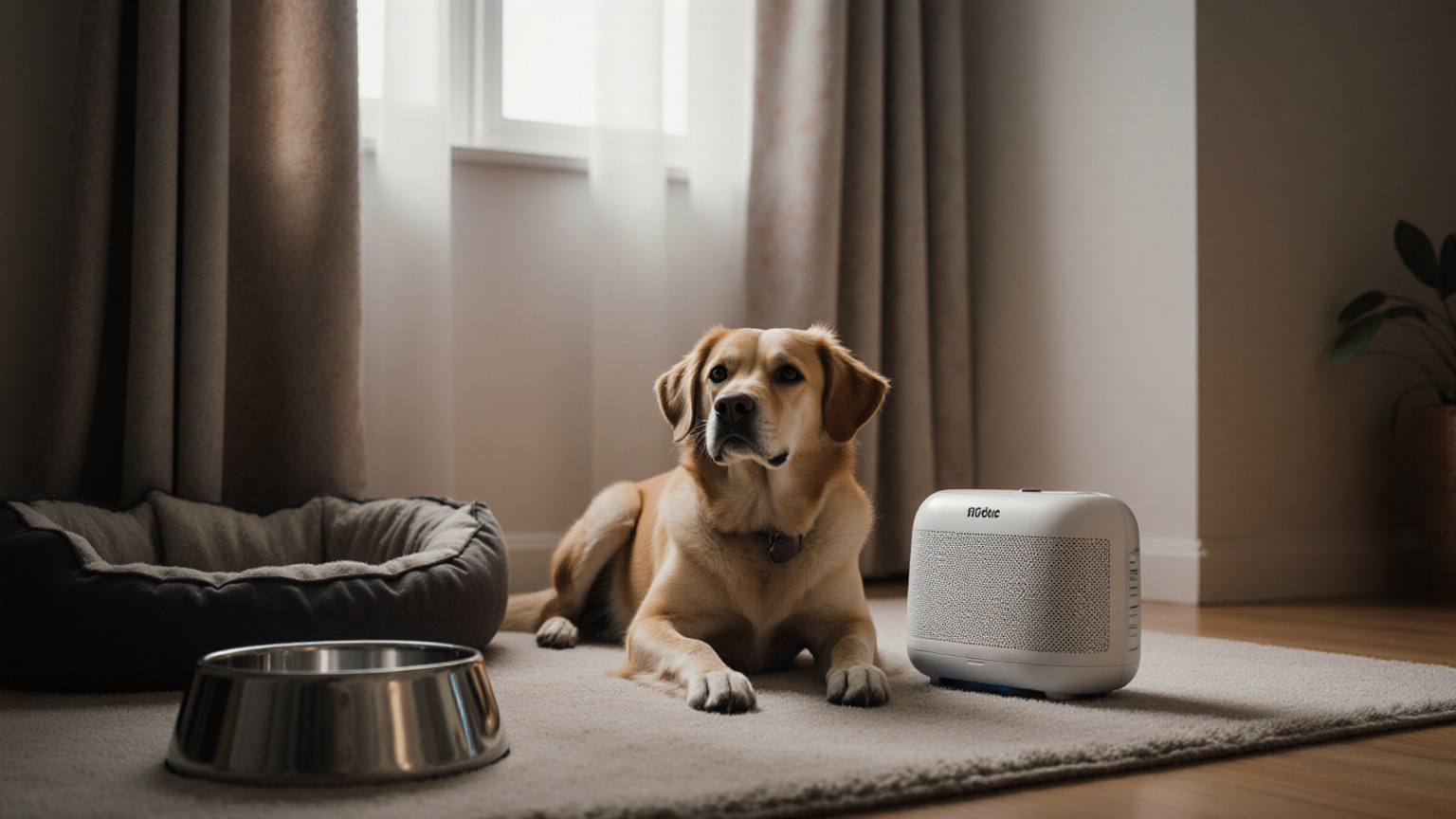
This guide is current as of 2026-06-30. Fireworks can turn a normal evening into a respiratory, escape, and medication-safety problem for dogs. The goal is not to sedate a dog casually; it is to prepare a quiet room, document triggers, call the veterinary team early, and keep household safety intact while neighbors celebrate.
Fast triage table
| Signal | Do now | Escalate when |
|---|---|---|
| Dog hides but can eat treats | Move to the prepared room, close curtains, start white noise | Panic lasts after noise stops or the dog refuses water |
| Panting, pacing, drooling | Reduce stimuli and use the vet-approved plan already on file | Breathing looks labored, gums look pale/blue, collapse, injury |
| Attempts to bolt | Add two-door barriers, leash for bathroom breaks, check ID tags | The dog escapes, is injured, or cannot be safely handled |
| Medication question | Call the clinic before the holiday rush | Never combine old prescriptions or human sedatives without veterinary direction |
Build the room before the first boom
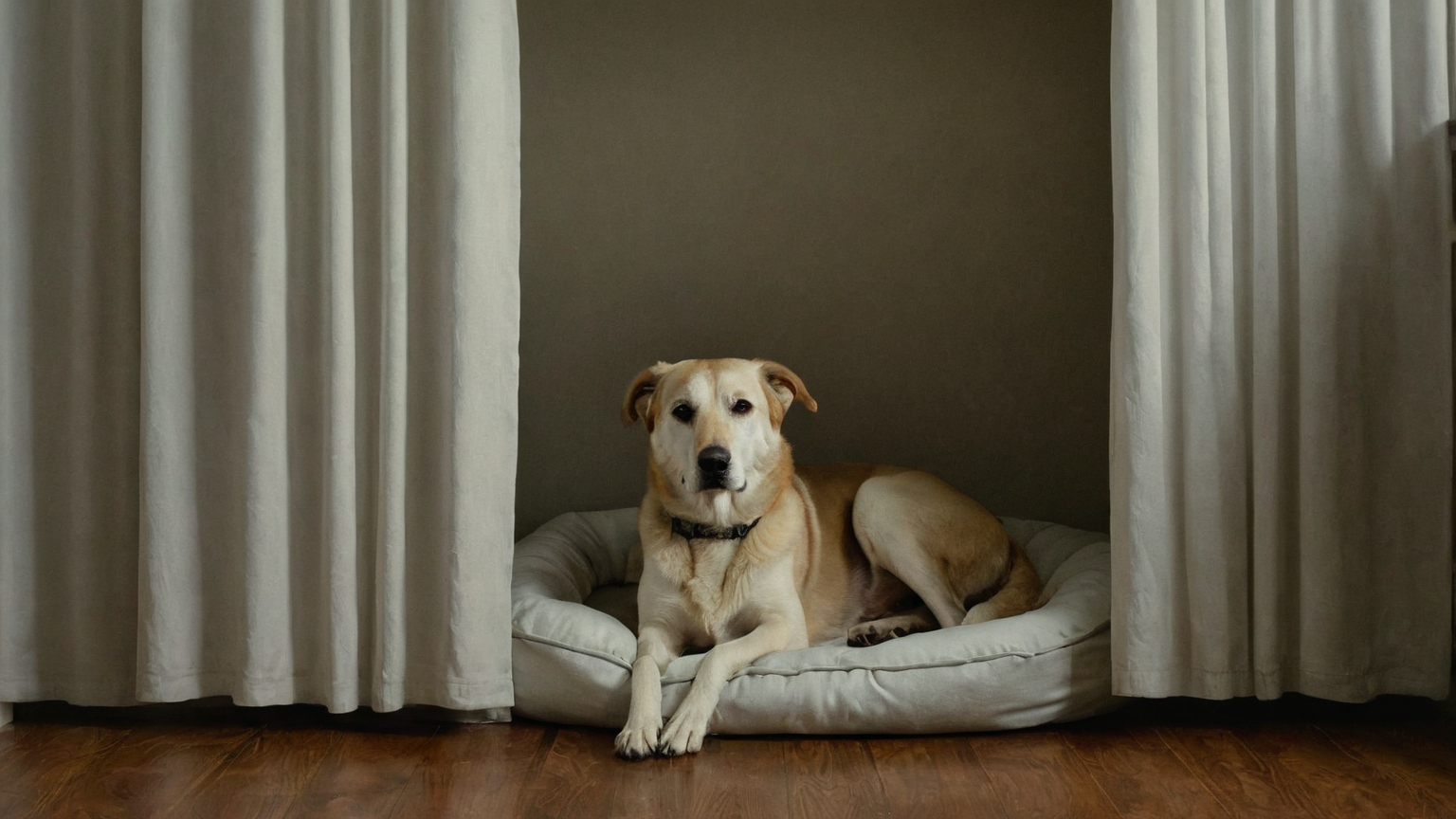
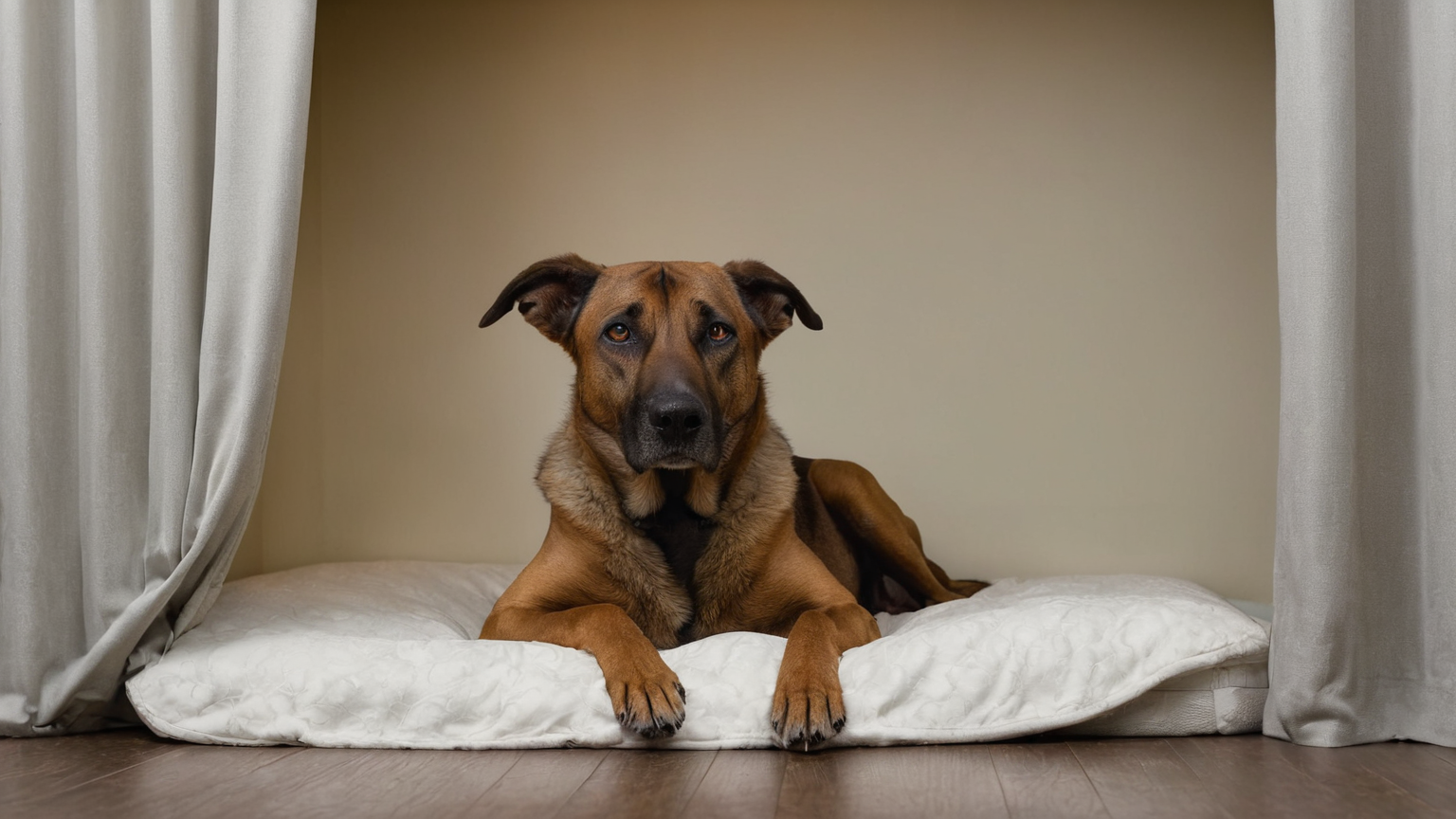
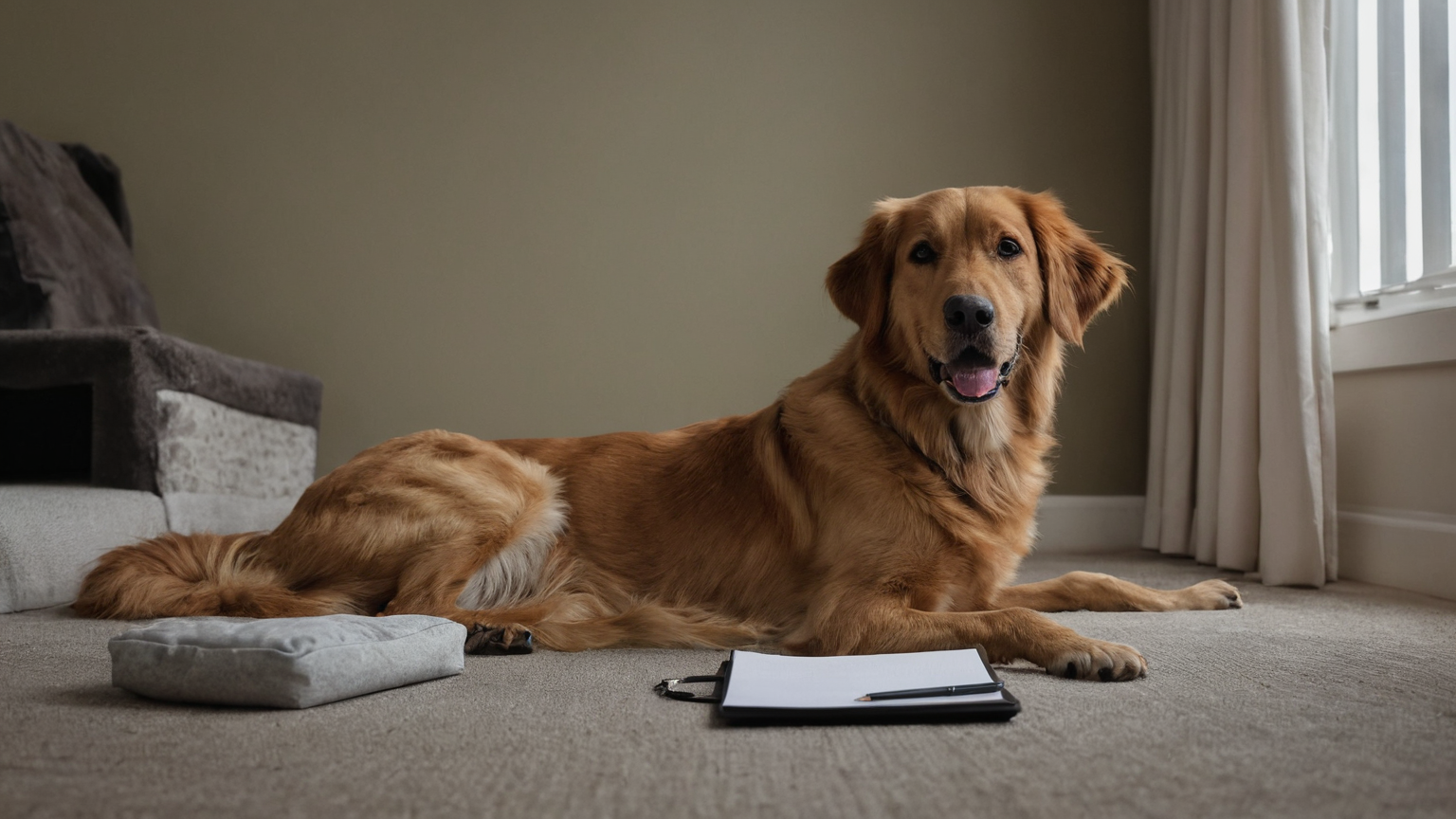
Choose an interior room with the fewest windows. Put the dog bed, water, familiar washable blanket, leash, waste bags, and a low-value chew there a day or two early so the space does not feel like punishment. Close blinds before dusk, move breakable objects, and keep cats, visitors, and children from crowding the dog. If your dog already uses a crate happily, keep the crate door open inside the room; if the crate increases panic, do not force it during fireworks.
A white-noise machine, fan, or steady music can mask sharp peaks, but volume should be comfortable. The room should not become hot or stuffy. Check temperature, water access, and footing. Senior dogs and dogs with heart, airway, seizure, or orthopedic issues need extra caution because frantic pacing, slippery floors, and heat can become medical risks.
Veterinary medication is a plan, not a last-minute experiment
In 2026 the FDA announced an approved dog medication for noise aversion and separation anxiety, but that does not mean every anxious dog should receive the same product, dose, or timing. The safe workflow is: document what happened last year, share videos or logs with the veterinary team if available, ask about behavior modification and medication options before the holiday, and get written instructions for timing, repeat dosing, food, and warning signs.
Do not reuse a neighbor’s medication, old sedatives, CBD products, human sleep aids, or combinations found in social media comments. Ask the clinic what to do if the first dose does not seem to work, what side effects require a call, and whether the plan changes for liver, kidney, heart, airway, or seizure history. Store medication in original packaging away from pets and children.
Bathroom and escape-control checklist
- Take the longest calm walk before dusk, then switch to short leashed bathroom breaks.
- Use a well-fitted collar or harness with current tags; update microchip contact details before the holiday week.
- Keep exterior doors controlled. One person handles the dog while another opens the door.
- Skip backyard off-leash time when fireworks are audible, even inside a fenced yard.
- Photograph the dog in current condition in case a lost-pet notice is needed.
After-action log for the vet
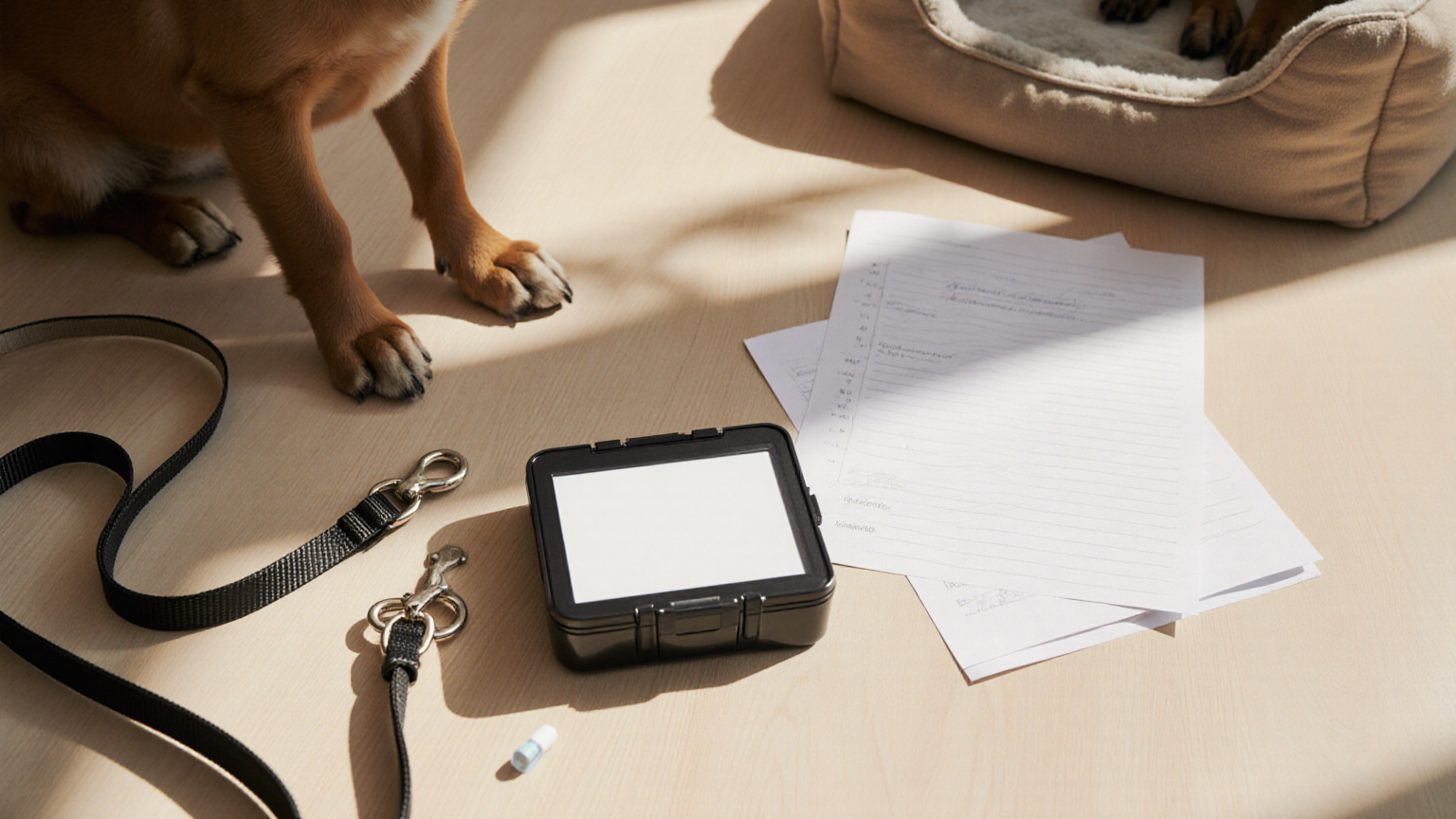
Write down noise start time, hiding location, appetite, water intake, bathroom success, medication timing, side effects, and recovery time. This converts a scary night into useful veterinary evidence. If the plan failed, schedule a non-emergency follow-up rather than waiting until the next fireworks season.
AdSense-readiness note
The article avoids affiliate product pressure and keeps veterinary boundaries clear: medication decisions belong with a licensed veterinarian, while the household checklist focuses on preparation, containment, and observation.
Two-day preparation timeline
Forty-eight hours before: confirm the veterinary plan, refill only the medication the clinic prescribed for this dog, and verify that the label still matches the current weight and health status. Put tags on the collar, check the microchip portal, and decide who will supervise the dog during the loudest window. If guests are coming, tell them the room is off-limits so no one opens the door casually.
Morning of the event: feed normal meals unless the veterinarian gave different instructions, take a longer calm walk before neighborhood activity starts, and remove hazards from the safe room. Put the leash, water, towel, waste bags, and emergency clinic number in one place. If your dog becomes more anxious when the household rushes, finish errands early and keep the evening boring.
During the noise: use short sentences, slow movement, and predictable routines. Do not punish shaking, hiding, barking, or panting; fear is not disobedience. Avoid forcing exposure at the window or dragging the dog outside to “get used to it.” The practical win is a dog that stays contained, hydrated, and medically stable until the noise passes.
The next morning: inspect paws, nails, teeth, and bedding for injuries from frantic digging or chewing. Check appetite and elimination. If the dog seems unusually sedated, disoriented, painful, or still panicked after the environment is quiet, contact the veterinary team.
Multi-pet household notes
Dogs do not all respond to fireworks the same way. One dog may hide quietly while another guards the door or climbs furniture. Separate pets if arousal spreads between them. Cats should have their own quiet escape routes and litter access. Keep medication, chews, and food bowls assigned to the correct animal; a product that is appropriate for one pet may be unsafe for another. This is especially important when visitors bring dogs or when a pet sitter is handling the evening routine.
Quick printable checklist
- Confirm the decision-maker, the deadline, and the person responsible for follow-up.
- Keep the checklist factual: what happened, what was decided, what remains unknown, and which professional source should answer it.
- Separate urgent safety or account-access issues from convenience preferences.
- Avoid buying products or accepting financing just because the situation feels time-sensitive.
- Recheck the plan after the first real use and write down what should change next time.
Why this workflow improves site quality
This page is intentionally structured as an evergreen decision aid rather than a news snippet. It gives readers a table, a timeline, source-backed caveats, internal links to related guides, and clear limits on professional advice. That preserves AdSense readiness because the page is useful even when the reader does not click an ad, buy a product, or follow a single fixed script. It also reduces risk by telling readers when to involve a veterinarian, manager, security administrator, dentist, counselor, or other qualified professional instead of treating a general blog checklist as a substitute for expert judgment.
Maintenance note for readers
Policies, product menus, clinic workflows, and platform settings change. If a link or screen name no longer matches what you see, use the principle behind the step: verify through the official account or professional channel, keep private information private, and document the decision before you act. The safest version of any plan is the one you can repeat calmly when the situation is stressful.
FAQ
Should I wait until my dog is already panicking before giving prescribed medication?
Follow the exact timing your veterinarian gave. Many noise-aversion plans work best before the predictable trigger, but timing and repeat dosing vary by dog and medication.
Can I leave the dog alone in the safe room?
If the dog has severe panic, escape attempts, medical risks, or new medication, plan supervision. A safe room reduces stimuli; it is not a substitute for monitoring.
What if neighbors set off fireworks for several nights?
Use the log to identify patterns, preserve sleep and bathroom routines, and ask the veterinary team whether the plan covers multi-night exposure.