Dog Summer Heat Safety Plan: Walks, Cars, Cooling, and Vet Escalation
A practical 2026 dog heat-safety guide covering walk timing, pavement checks, car risk, cooling steps, warning signs, and when to call a veterinarian.
Updated May 30, 2026. This is a practical planning guide, not a diagnosis tool. If your dog is collapsing, disoriented, vomiting, having seizures, breathing abnormally, or not recovering quickly after cooling steps begin, call a veterinarian or emergency clinic immediately.
Summer dog safety is less about one magic temperature and more about a repeatable system. Heat risk rises when high temperature, humidity, direct sun, dark pavement, poor airflow, intense exercise, a parked vehicle, obesity, age, short-nosed anatomy, heart or airway disease, or poor access to water stack together. A dog that handled a sunny walk last week may struggle today if humidity is higher or the route has less shade.
The five-part heat plan
| Decision point | Safer default | Red flag |
|---|---|---|
| Walk timing | Early morning, shaded routes, shorter loops | Midday sun, humid still air, hot pavement |
| Surface | Grass, dirt, shade, boot protection only if dog tolerates it | Asphalt or concrete too hot for your hand |
| Hydration | Fresh water before, during, and after activity | Dog refuses water, drools heavily, or seems confused |
| Cooling | Shade, cool water, wet towels, airflow | Ice baths without vet direction, delayed vet call |
| Escalation | Call the clinic early when symptoms worry you | Collapse, seizures, vomiting, abnormal breathing |
Step 1: choose the walk before choosing the distance
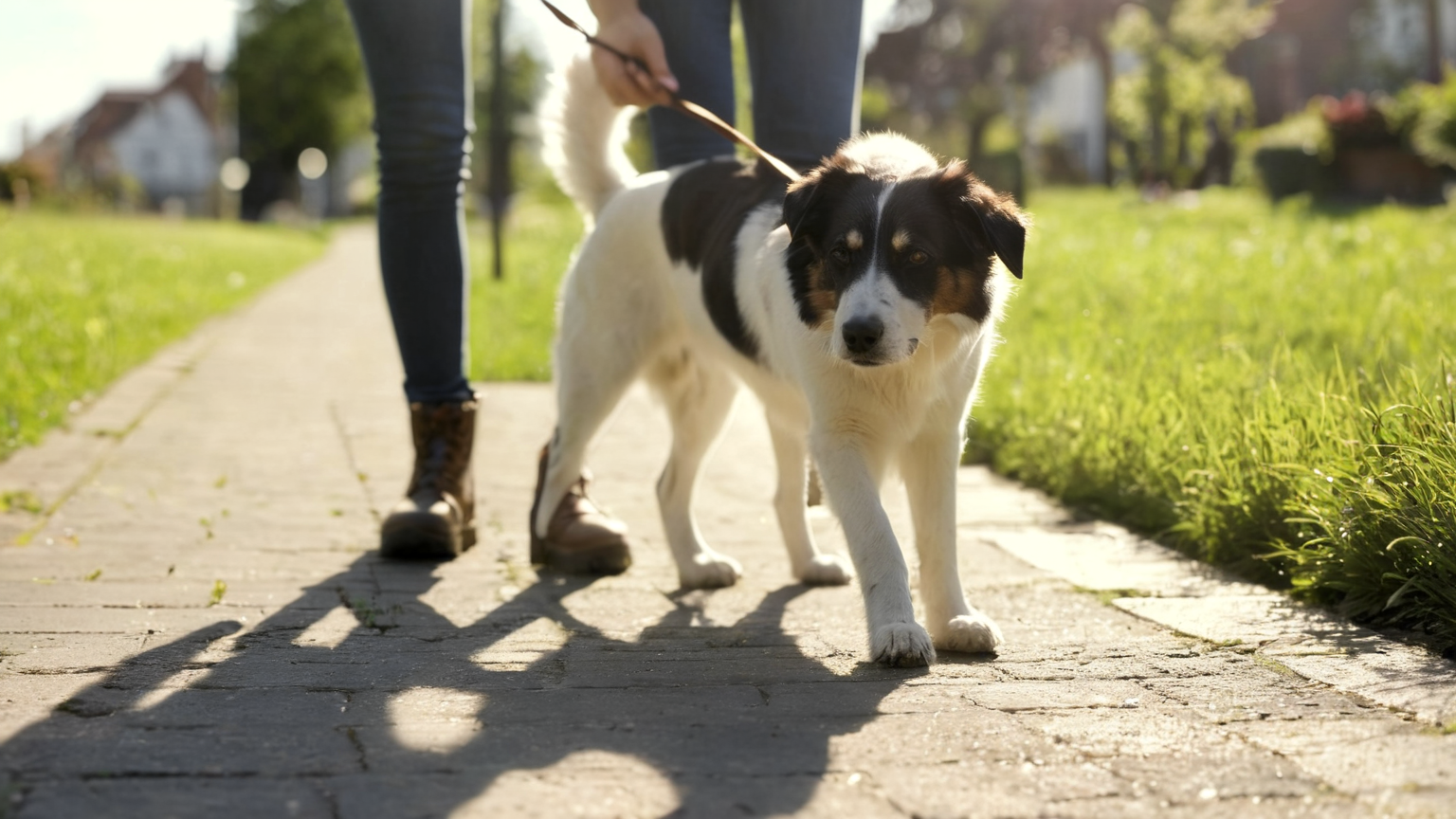
Start with the environment, not your step goal. Check the forecast, humidity, cloud cover, and whether the route offers shade. Then check the surface. If pavement is uncomfortable for your hand after several seconds, it is not a good surface for paws. Use grass, a shaded path, a shorter potty break, or indoor enrichment instead.
Short-nosed breeds, senior dogs, puppies, overweight dogs, dark-coated dogs, and dogs with heart, airway, or endocrine conditions need extra caution. Their safe window can be much narrower than the forecast suggests. If you are unsure, ask your veterinarian for a personal summer activity plan before the hottest week arrives.
Step 2: build a cooling station before you need it
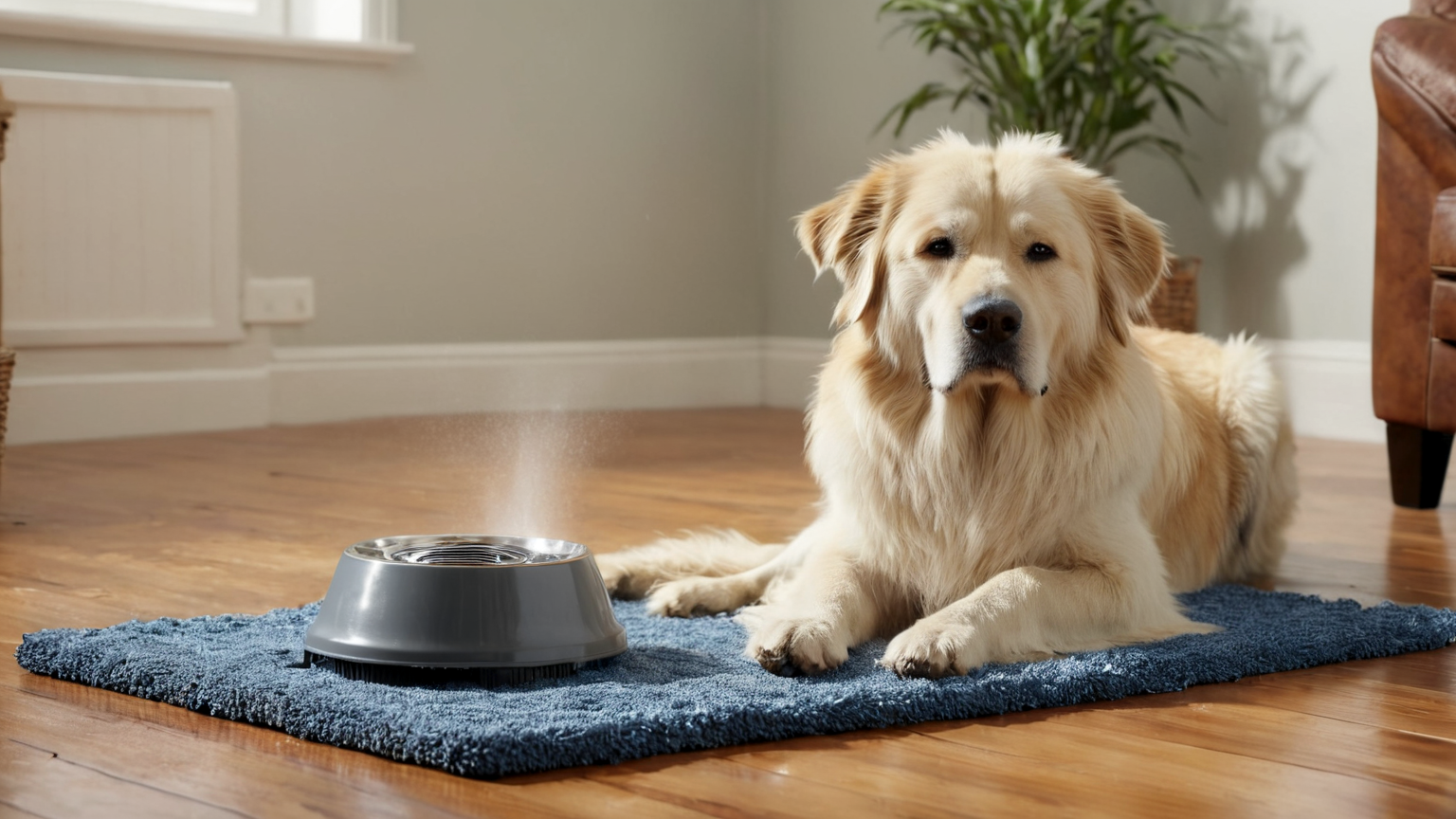
Prepare a simple station near the door: fresh water, a clean bowl, a damp towel, a fan or breezy shaded spot, and your veterinary clinic number. After a walk, watch recovery. Normal tiredness should improve with rest. Worry signs include frantic panting that does not settle, weakness, glassy eyes, staggering, thick drool, vomiting, diarrhea, collapse, or behavior that seems abnormal for your dog.
Use cool, not freezing, water on paws, belly, and groin area while arranging veterinary advice. Keep air moving. Do not force a confused dog to drink large amounts. Do not assume improvement means the risk has passed; heat injury can continue internally.
Step 3: treat parked cars as a hard no
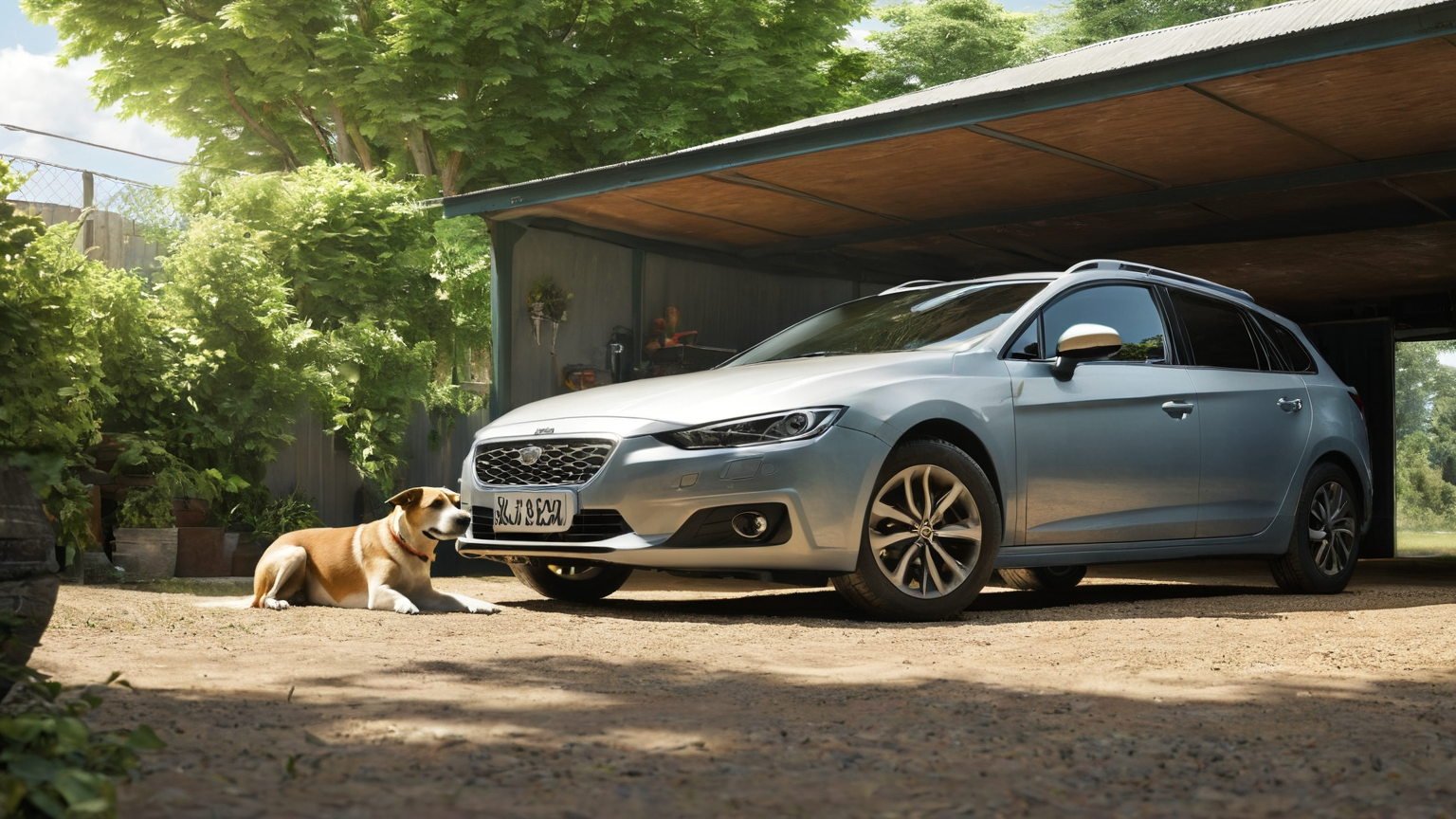
A parked vehicle is one of the clearest preventable hazards. The safer rule is simple: if the dog cannot come inside with you, the dog should not ride along for errands. Cracked windows, a quick stop, shade that moves, or an air conditioner that might fail are not dependable controls.
Use curbside pickup without the dog, leave the dog at home, bring another adult who can stay with the dog outside the vehicle, or choose dog-friendly destinations where the dog can remain with you safely. If travel is unavoidable, carry water, plan shaded stops, and know where emergency veterinary care is along the route.
Step 4: adjust exercise, not just water
High-energy dogs often keep playing past the point of safety. Replace afternoon fetch with scent games, puzzle feeding, training refreshers, or short shaded sniff walks. Water helps, but it does not cancel heat, humidity, or overexertion. Dogs cool differently than humans, and panting becomes less effective when conditions are extreme.
Use a simple summer activity ladder:
- Green: cool morning, shaded path, normal breathing, quick recovery.
- Yellow: warm humid day, limited shade, older or short-nosed dog, shorten the plan.
- Orange: hot pavement, heavy panting, long sun exposure, switch to indoor enrichment.
- Red: weakness, confusion, collapse, vomiting, seizures, abnormal breathing, call emergency care.
Step 5: know when to call the vet
When you call, be ready with your dog’s age, breed, weight, medications, health conditions, activity, weather exposure, symptoms, cooling steps already started, and how long symptoms have lasted. This helps the clinic triage quickly.
Call early for brachycephalic dogs, seniors, puppies, pregnant dogs, dogs with heart or airway disease, and any dog that is not acting normally after rest and cooling. Heat illness is not a wait-and-see problem when symptoms are significant.
Quick checklist before every hot-weather outing
- Is the route shaded enough for the whole walk?
- Is pavement safe for paws?
- Is water packed and available immediately afterward?
- Is the dog already tired, sick, overweight, elderly, or short-nosed?
- Is there a no-car-errand plan?
- Does someone know the nearest emergency veterinary option?
Bottom line
A good dog heat plan is boring on purpose: walk early, test surfaces, shorten exercise, never leave a dog in a parked car, cool gently, and call the veterinarian before symptoms become dramatic. The best summer routine is the one that keeps your dog safe enough to enjoy many more walks when the weather improves.