Dog Tick and Flea After-Walk Plan: Check, Prevent, and Know When to Call the Vet
A practical 2026 dog tick and flea routine for after walks, yard risk reduction, prevention conversations, and red flags that need veterinary care.
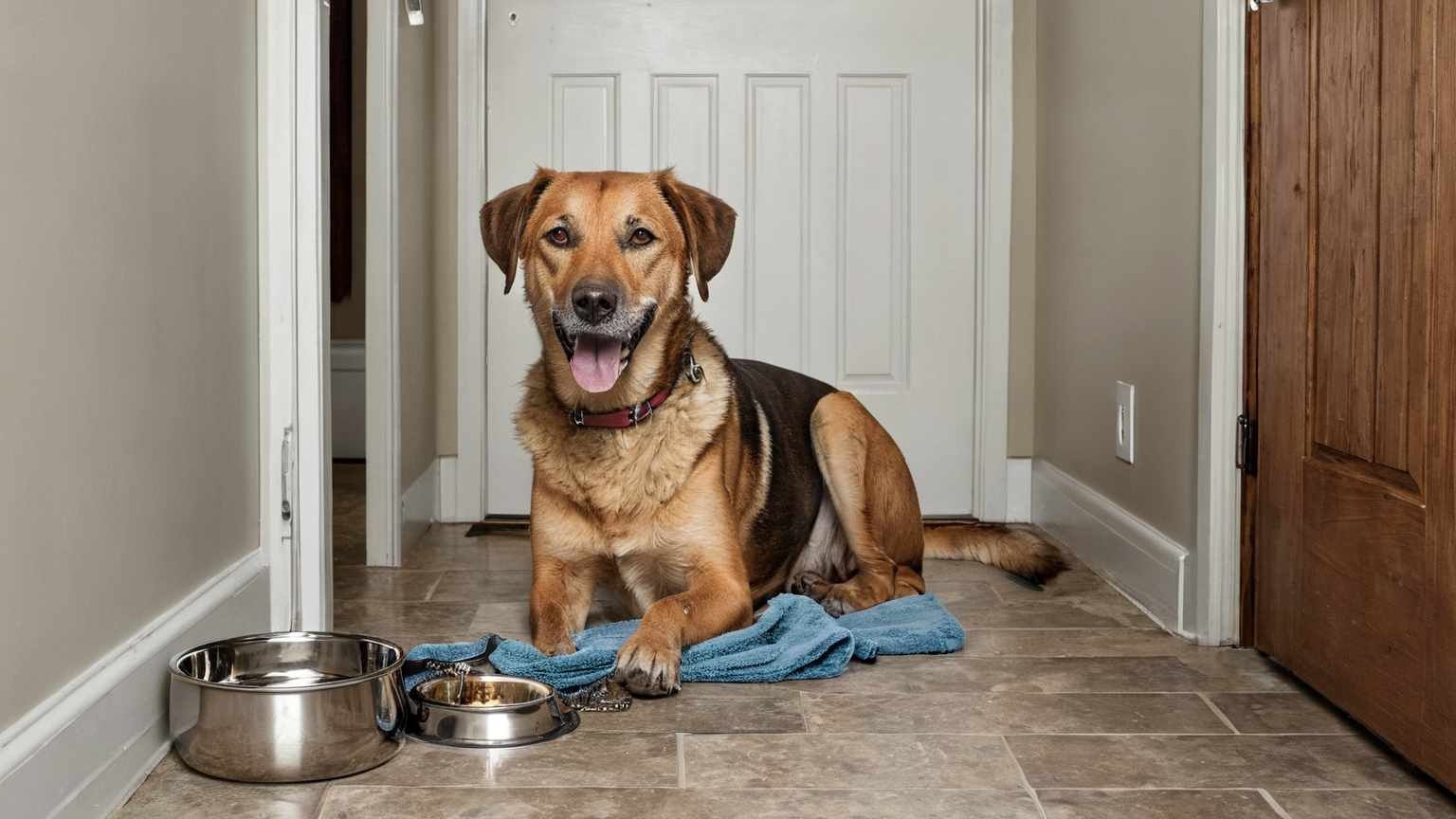
Updated May 29, 2026. This guide is educational and is not a diagnosis or a substitute for your veterinarian. Parasite risk varies by region, travel, season, wildlife exposure, and your dog’s health history, so use this as a home routine and confirm medication choices with your clinic.
Ticks and fleas are easier to manage when the plan is boring. The best routine is not a panic search after you find one insect. It is a repeatable after-walk check, a prevention calendar you actually follow, a home-cleaning fallback for flea signs, and a clear threshold for calling the vet.
The after-walk risk table
| Situation | What to do today | Vet conversation |
|---|---|---|
| Sidewalk walk in a low-grass area | Quick coat scan and paw wipe | Review prevention at annual visit |
| Woods, brush, tall grass, leaf litter | Full tick check the same day | Ask if your area has rising tick-borne disease risk |
| Flea dirt, scratching, or household bites | Comb, wash bedding, vacuum, isolate washable items | Ask for species-safe treatment plan |
| Attached tick, lethargy, fever, lameness, pale gums | Remove tick safely if possible and monitor | Call promptly, especially if symptoms appear |
The practical rule is simple: higher exposure gets a better inspection. A one-minute check at the door catches many problems before they become an infestation or a missed attached tick.
Step 1: set up a low-stress check station
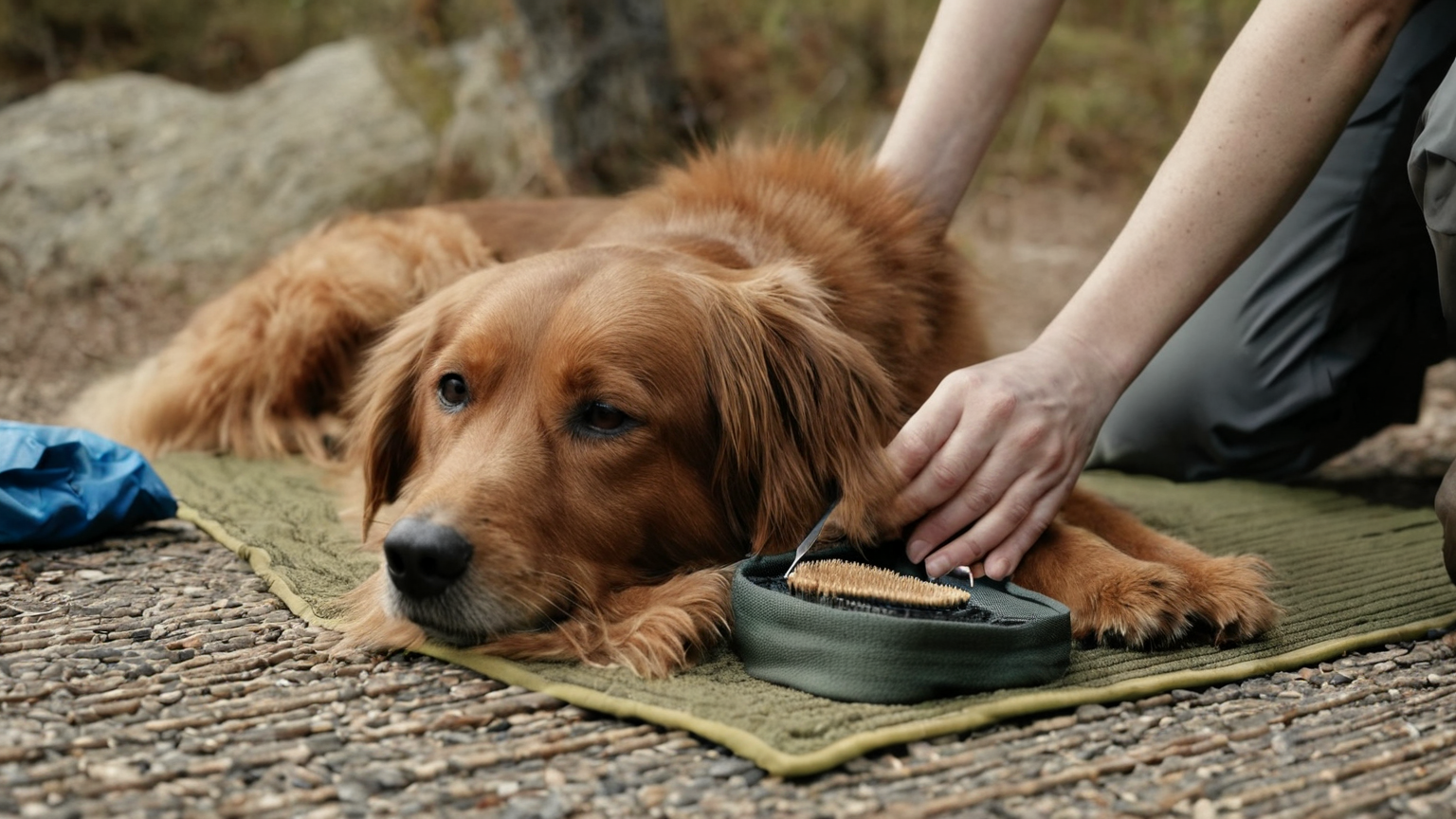
Keep the inspection spot near the door: towel, fine comb, gloves if you prefer them, good lighting, treats, and a lidded container or tape for any tick your veterinarian wants identified. Do not chase the dog around the house with tweezers. Ask for a sit, down, or chin rest, reward cooperation, and stop if your dog stiffens or snaps.
Work in the same order each time so you do not miss the common hiding spots: ears, around eyes, collar line, armpits, between toes, groin, tail base, and under any harness area. Run your fingertips against the coat direction to feel small bumps. Long-coated dogs may need a comb pass after hikes.
If you find an attached tick, use fine-tipped tweezers close to the skin and pull upward with steady pressure. Clean the bite area and your hands. Do not burn the tick, cover it with petroleum jelly, or twist until parts break. Note the date and watch for behavior changes.
Step 2: separate flea clues from normal itching

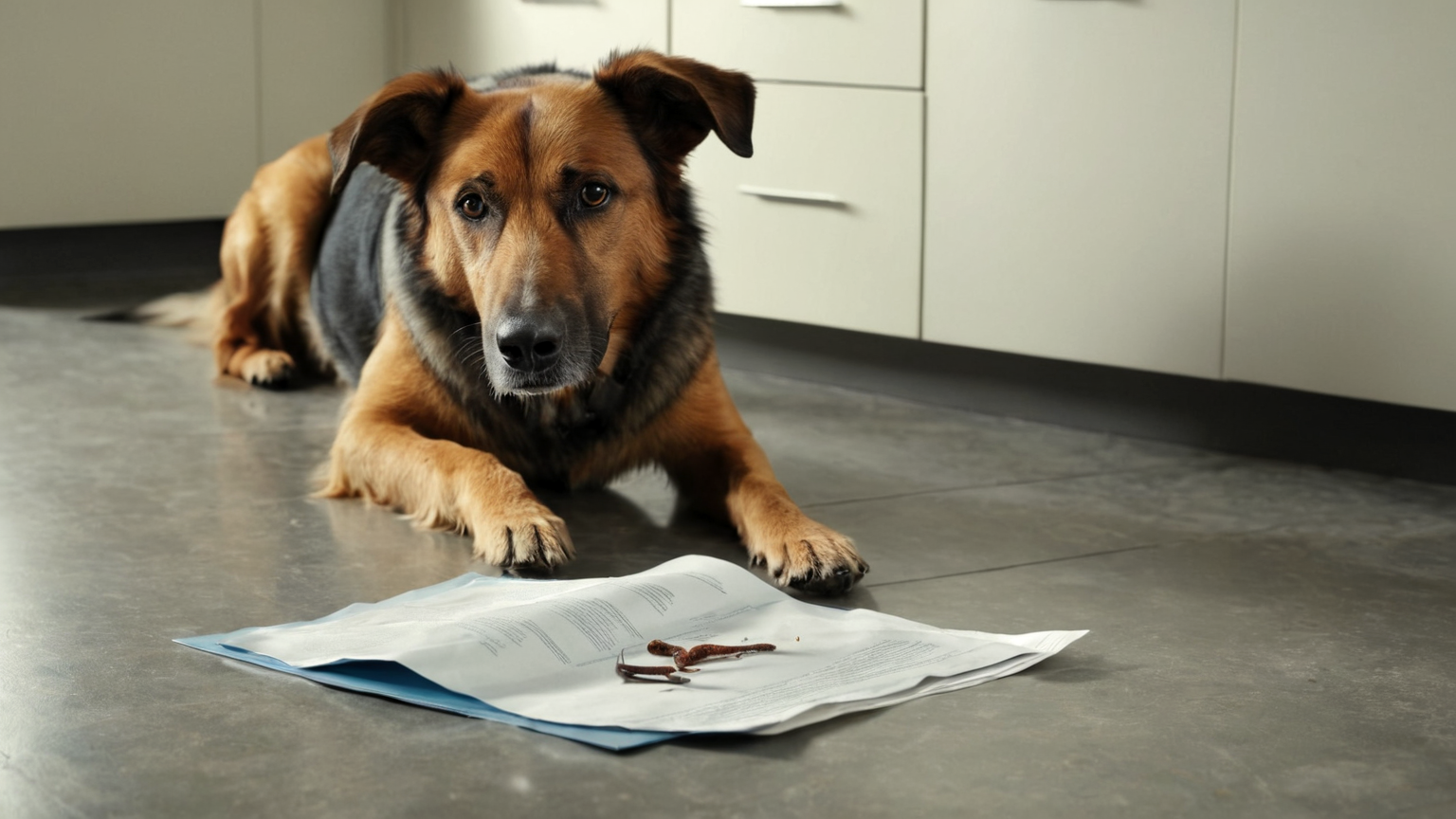
Fleas often show up as patterns before you see an adult flea. Look for repeated scratching at the rump, tiny dark specks that turn reddish-brown on a damp white paper towel, irritated skin, and pets that suddenly avoid resting areas. One flea can mean more eggs in the environment, so the response has to include the pet and the home.
Start with washable bedding, couch covers your dog uses, vacuuming, and a flea comb. Empty vacuum contents carefully. Avoid mixing random sprays, shampoos, collars, and oral products without veterinary guidance, because stacking products can create safety problems.
Step 3: choose prevention by risk, not marketing
There is no universal best flea and tick product. The right choice depends on your dog’s age, weight, pregnancy status, neurologic history, other medications, swimming/bathing habits, cats in the home, and local parasite pressure. Ask your veterinarian these five questions:
- Which parasites are common in our area this season?
- Does my dog’s health history change product choice?
- What should I do if a dose is late or vomited?
- What side effects should make me stop and call?
- How do I protect cats, children, and bedding during treatment?
A calendar matters as much as the product. Put the next dose date in a shared household calendar and store the package where you can verify weight range and instructions before each dose.
Step 4: reduce the yard reservoir
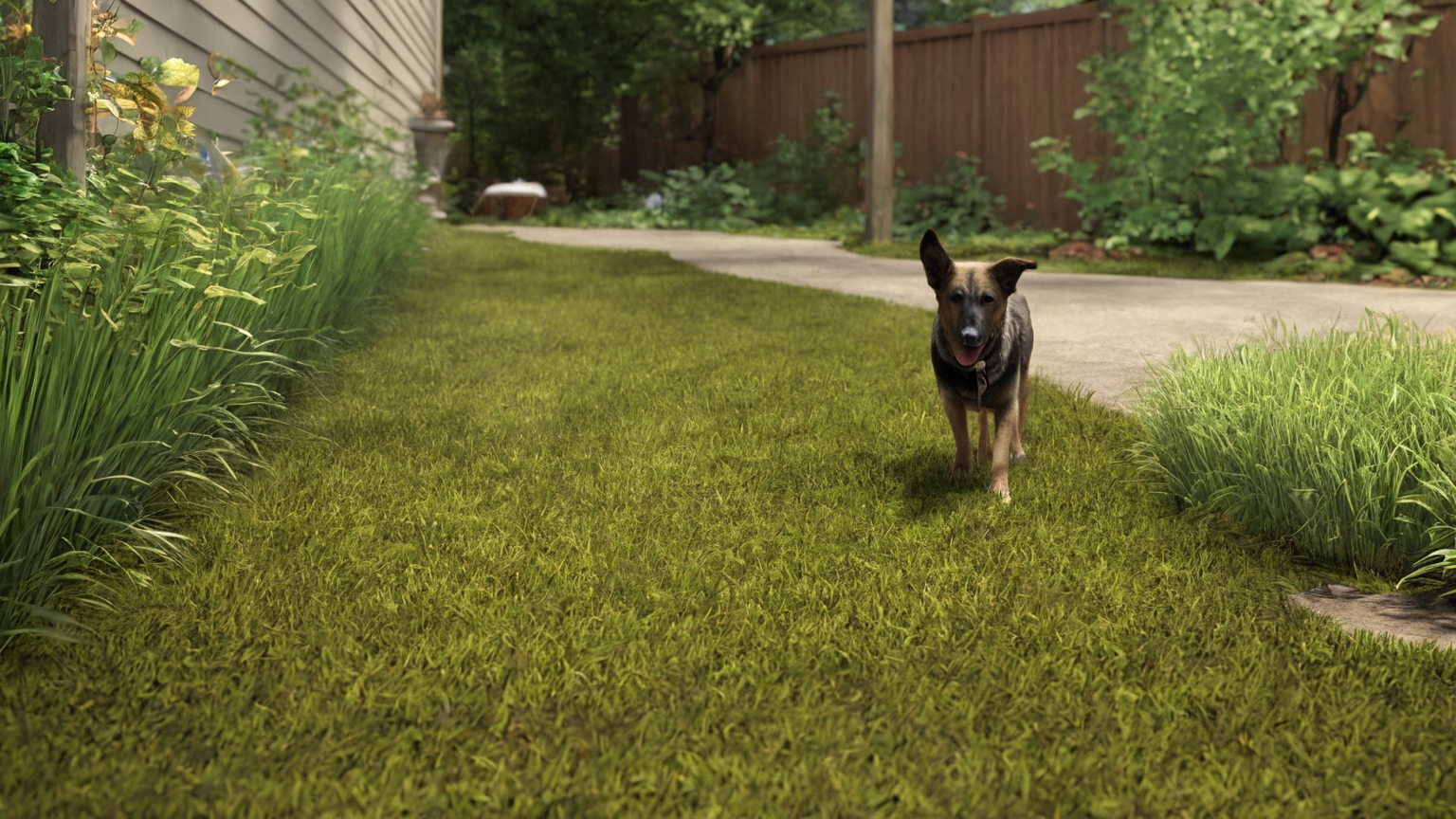
You cannot make an outdoor space sterile, but you can reduce attractive tick and flea habitat. Keep grass trimmed, remove leaf piles where pets rest, discourage wildlife nesting near play areas, and create a cleaner border between wooded edges and the dog run. Wash outdoor beds and avoid leaving pet blankets damp.
The goal is not perfection. It is fewer opportunities: less brush contact, fewer damp resting zones, and fewer wildlife corridors where the dog spends the most time.
Red flags that should not wait
Call your veterinarian if your dog becomes lethargic, feverish, lame, unusually painful, pale-gummed, weak, or stops eating after tick exposure. Call for severe skin irritation, hair loss, infected-looking sores, heavy flea burden, puppies, senior dogs, pregnant dogs, or any dog with known medical conditions. If a product was applied incorrectly or licked, call the product help line or your veterinarian rather than guessing.
Two-week reset checklist
- Put a towel, comb, and treats by the door.
- Check high-risk body spots after hikes and tall-grass walks.
- Wash the bedding your dog actually uses, not just the decorative bed.
- Confirm current prevention with your vet before parasite season or travel.
- Record tick dates, locations, and symptoms if anything seems off.
Bottom line
The strongest parasite plan is layered: inspect after exposure, use veterinarian-guided prevention, clean the living environment when flea signs appear, and treat symptoms as medical information rather than internet troubleshooting. A calm routine beats a frantic reaction every time.