Pet Air Quality Smoke-Day Indoor Exercise Plan for 2026
A vet-aware smoke-day plan for dogs and cats: AQI triggers, indoor exercise, air-cleaning basics, bathroom breaks, red flags, and recovery steps.
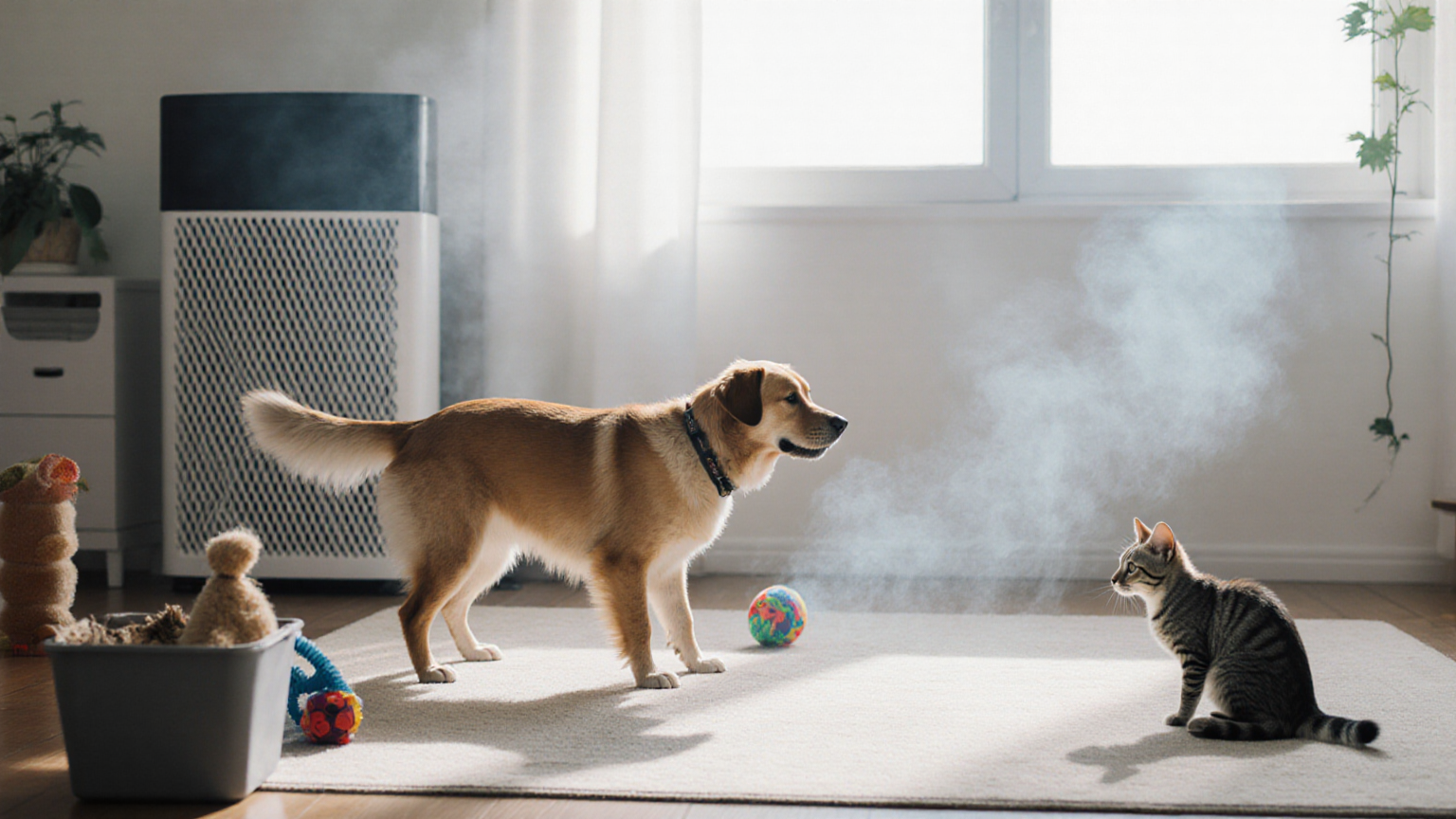
This guide is current as of 2026-06-29. It is designed to preserve helpful-content and AdSense readiness: the advice is specific, source-backed, non-promotional, and focused on decisions a pet owner can take today without replacing veterinary care.
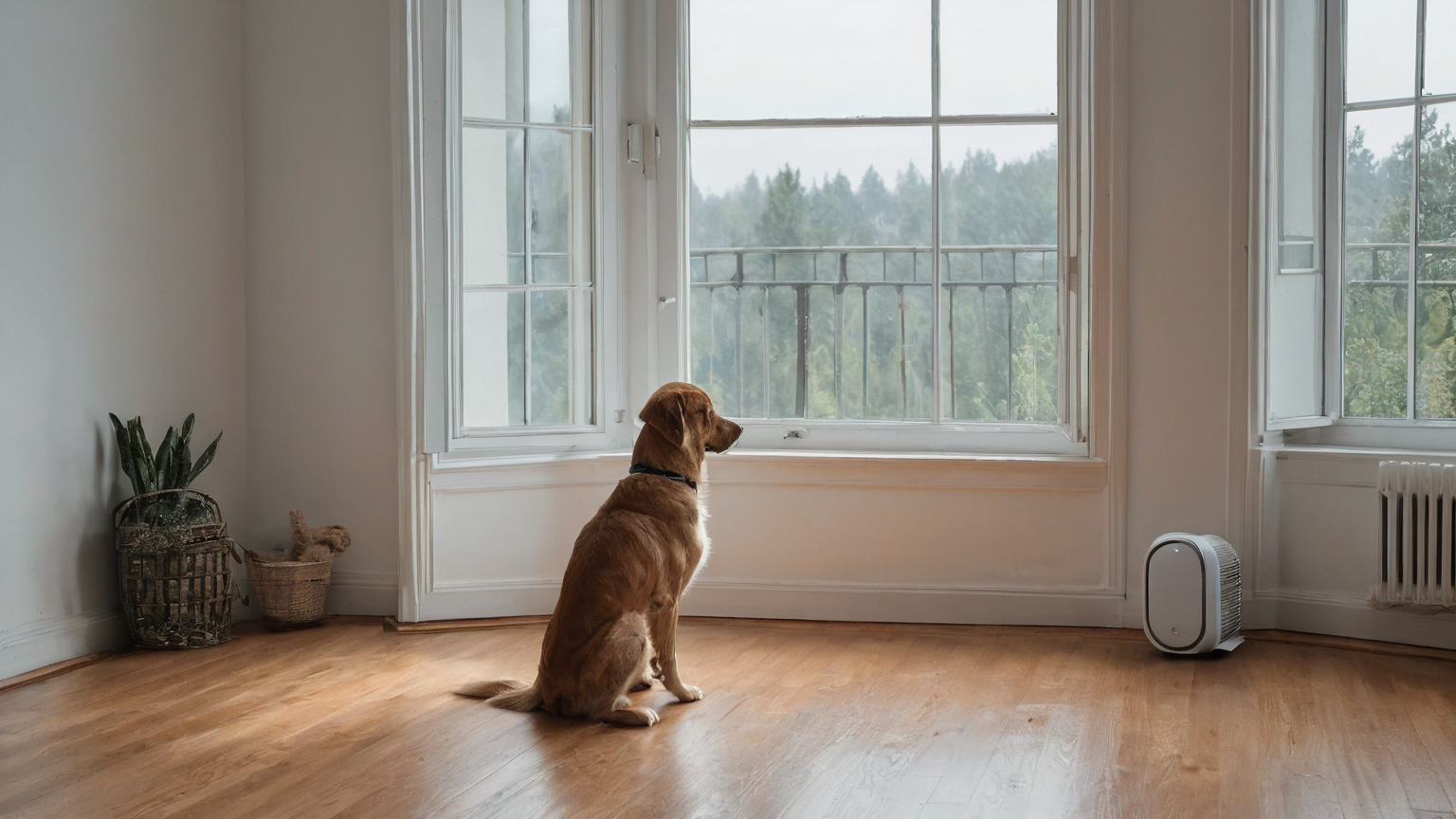
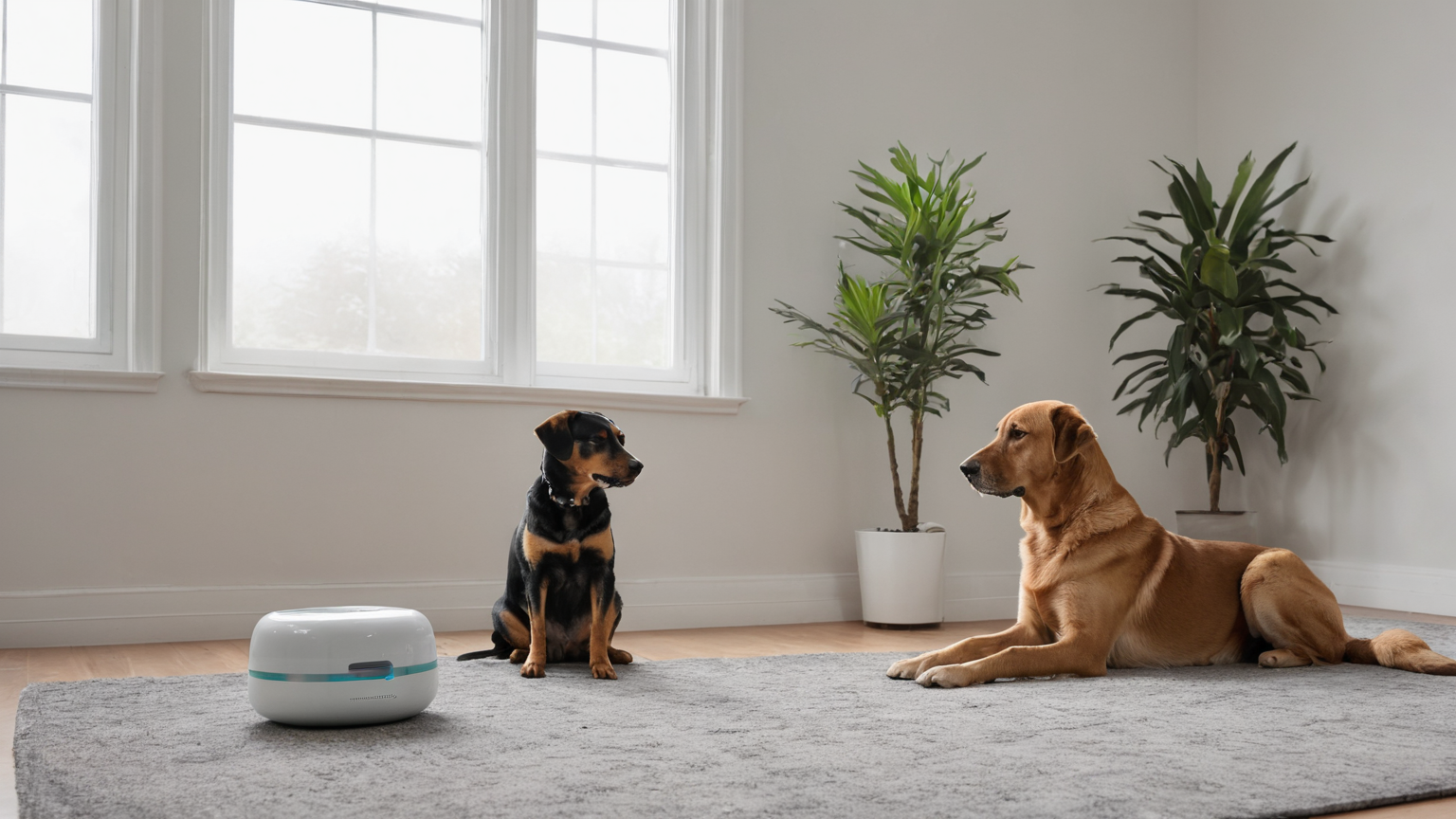
Why smoke days need a different pet routine
Wildfire smoke and heavy particulate pollution are not just outdoor problems. Fine particles can drift indoors through gaps, open doors, bathroom fans, and leaky windows. Dogs still need bathroom breaks, cats still need litter routines, and active pets still need stimulation. The goal is not to create a perfect sealed room. The goal is to reduce unnecessary exposure while preventing boredom, stress, and unsafe improvisation.
Use the AQI as a trigger, then adjust for the animal in front of you. A young healthy dog may tolerate a brief leashed break better than a senior dog with heart disease. A flat-faced breed, a cat with asthma, a puppy, a kitten, an older pet, or an animal recovering from respiratory illness deserves a lower threshold for staying inside and calling the clinic.
Smoke-day decision table
| Situation | Outdoor plan | Indoor plan | Escalate when |
|---|---|---|---|
| AQI is moderate but smoke is visible | Keep walks short and calm | Move play to one cleaner room | Coughing, eye irritation, or unusual fatigue appears |
| AQI is unhealthy for sensitive groups | Bathroom breaks only | Puzzle feeding, scent games, gentle training | Pet has heart, lung, senior, or brachycephalic risk |
| AQI is unhealthy or worse | Avoid exercise outdoors | Clean-room routine with closed windows | Labored breathing, weakness, collapse, blue/pale gums |
| Smoke odor enters the home | Close leaks, run filtration if available | Use low-dust activities and avoid sprays | Symptoms worsen after indoor exposure |
| |||
| |||
| |||
|
Build one cleaner room before the smoke gets bad
Pick the room where the pet already relaxes: a bedroom, office, or quiet living room corner. Close windows and exterior doors, reduce candle/incense/aerosol use, and avoid vacuuming dusty floors while the pet is in the room unless the vacuum has suitable filtration. If you have a portable HEPA air cleaner, size it for the room and keep cords protected from chewing. Do not aim strong airflow directly at a nervous animal; make the room comfortable, not clinical.
A cleaner room is also a behavior tool. Put water, a bed, a washable mat, and two or three low-arousal activities there before the day becomes stressful. Cats may prefer a covered resting spot and a litter route that does not require crossing a smoky entryway. Dogs may need a leash station at the door so bathroom breaks stay brief instead of turning into a sniff walk.
Replace hard exercise with low-breathing enrichment
Smoke days are not the time for hallway sprints, laser-chasing marathons, or intense tug sessions that make a pet pant. Choose activities that use the nose and brain more than the lungs. Hide a few pieces of regular food in a snuffle mat. Practice calm cues for thirty seconds at a time. Rotate toys instead of adding more noise. For cats, use slow wand-toy movements, box exploration, or a treat puzzle, then stop before panting or agitation.
If your dog normally needs a long walk to settle, split the routine into five-minute blocks: bathroom break, water, two minutes of sniffing indoors, rest, then a short training repetition. The smaller blocks prevent the all-or-nothing trap where a missed walk becomes a household crisis.
Bathroom breaks: brief, leashed, and boring
Prepare the route before opening the door. Use a short leash, choose the closest safe bathroom spot, and skip fetch, jogging, or social visits. Wipe paws and coat with a damp towel if ash or dust is present. Keep a bowl of water ready after the break. If the pet coughs during the break, turns back toward the door, squints, or seems disoriented, end the outing and reassess.
Apartment dwellers should avoid stairwell or lobby linger time when smoke collects indoors. If an elevator ride is unavoidable, keep the trip calm and direct. Do not use scented sprays to mask smoke odor around pets; odor masking can add respiratory irritation.
Red flags that should change the plan
Call a veterinarian or emergency clinic for labored breathing, open-mouth breathing in cats, persistent coughing, wheezing, weakness, collapse, blue or pale gums, eye injury, repeated vomiting after smoke exposure, or sudden worsening of chronic disease. Also call sooner for pets with known heart or lung disease, very young or senior animals, and brachycephalic breeds.
For mild irritation, write down the time, AQI range, outdoor minutes, symptoms, appetite, water intake, and medication changes. A simple log helps the clinic decide whether the pet needs urgent care or home monitoring.
Recovery after the air clears
Do not jump straight back to the longest walk. Start with a calm outing and watch breathing for the next few hours. Wash smoky bedding, replace or clean filters according to manufacturer instructions, and check whether the pet avoided food, water, or the litter box during the event. If stress created a new behavior problem, repair the routine gradually rather than punishing the animal.
AdSense-readiness note
This article avoids affiliate pressure, cites veterinary and public-health sources, and gives clear escalation limits. The next readiness improvement for PetWellHub is to keep linking smoke, heat, evacuation, and senior-pet pages into a seasonal safety hub so readers can move between related risks without thin doorway pages.