Dog Dental Home Care: Brushing, VOHC Chews, and When a Cleaning Is Non-Negotiable
A veterinary-source guide to dog dental care: brushing technique, VOHC dental chews, anesthesia cleanings, red flags, and what products are actually worth buying.
Most dog dental routines fail for a boring reason: owners are told to “brush more” without being given a plan that fits a real dog, a real mouth, and a real budget. Veterinary dentistry is more specific than that. The useful question is not whether brushing, chews, water additives, dental diets, or professional cleanings are “best” in isolation. The useful question is: which layer of disease does each tool actually reach, and what problem is it unable to solve?
Here is the practical answer. Toothbrushing disrupts plaque at the gumline before it hardens. Veterinary Oral Health Council (VOHC) accepted chews and diets can reduce plaque or tartar accumulation when used as directed. Professional cleanings under anesthesia diagnose and treat disease below the gumline, where home products cannot work. Skipping any one layer creates a predictable failure mode: fresh breath with hidden periodontal pockets, expensive cleanings that relapse in six months, or a drawer full of dental products that never touch the molars.
This guide uses AAHA, AVMA, VOHC, AVDC, WSAVA, Cornell, Merck Veterinary Manual, and FDA sources to build a home-care system that is safe, realistic, and worth the money.
The disease you are trying to prevent
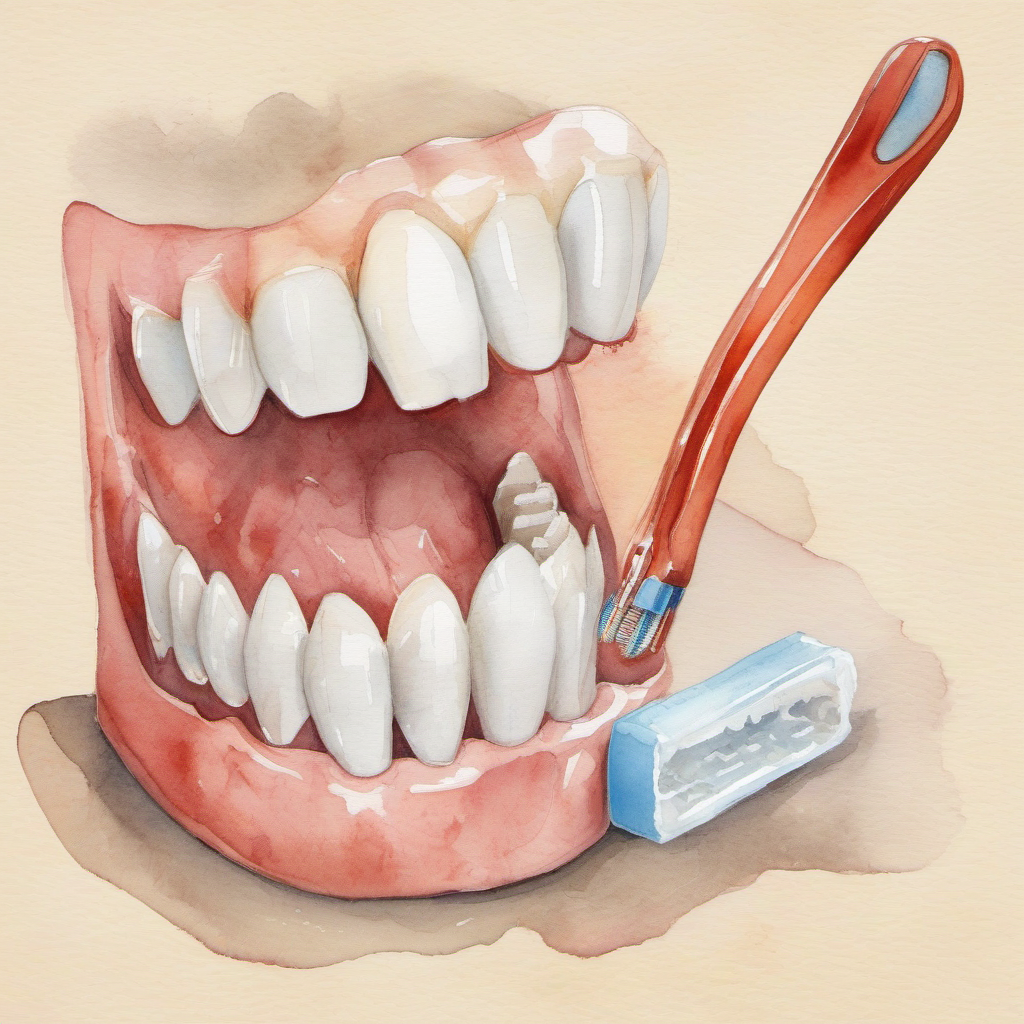
AAHA’s dental guideline summary states that most dogs and cats have some level of periodontal disease by three years of age. That number matters because periodontal disease is not simply “dirty teeth.” It is a chronic inflammatory infection of the tissues that support the teeth. Plaque biofilm accumulates, minerals harden it into calculus, the gumline inflames, pockets develop, bone support is lost, and teeth become painful or loose.
Owners often underestimate the problem because dogs keep eating. A dog can eat through significant mouth pain, especially if the food is soft or the dog is motivated. The visible cues are usually late cues: bad breath that returns quickly after brushing, brown calculus near the gumline, red or bleeding gums, chewing on one side, dropping kibble, rubbing the face, or avoiding tug toys. Facial swelling, nasal discharge on one side, or a suddenly loose tooth is not a home-care problem; it is a veterinary appointment.
The American Veterinary Dental College and Merck Veterinary Manual emphasize the same core point: disease below the gumline cannot be diagnosed by looking at the crown alone. Dental radiographs often reveal root disease, bone loss, fractured teeth, retained roots, or resorptive changes that are invisible during a quick awake exam. That is why a professional veterinary dental procedure is not equivalent to a grooming add-on.
The three-layer dental system
Think of dog dental care as three layers:
| Layer | What it does well | What it cannot do |
|---|---|---|
| Brushing | Breaks up plaque at the gumline before it hardens | Does not remove mature calculus or treat pockets |
| VOHC-accepted products | Adds friction or chemistry on days you miss brushing | Does not replace brushing or reach under the gumline |
| Veterinary dental cleaning | Diagnoses and treats established disease, including below the gumline | Does not prevent relapse unless home care follows |
The order matters. If your dog already has heavy calculus, bleeding gums, loose teeth, or pain signs, do not start by buying five chews. Book the exam first. Home care works best after a mouth has been professionally evaluated and, when needed, cleaned and treated. Starting with products on top of established disease can hide odor while the painful part continues.
Brushing: the technique that actually works
Daily brushing is the gold standard, but the word “daily” causes many owners to quit before they begin. Start with the behavior first, then the schedule. Your goal in week one is not a perfect two-minute polish. Your goal is to make the dog think mouth handling predicts something good.
Use dog toothpaste only. Human toothpaste may contain fluoride levels, foaming agents, or xylitol risks that are inappropriate for dogs. Use a soft dog toothbrush, a small child-style brush only if it fits comfortably, or a finger brush for very small mouths. The bristles should touch the outside surfaces of the teeth, especially the upper back teeth and canine teeth. You do not need to pry the mouth open and scrub the inside surfaces at first; saliva and tongue movement help there, while the cheek-side gumline is where many routines fail.
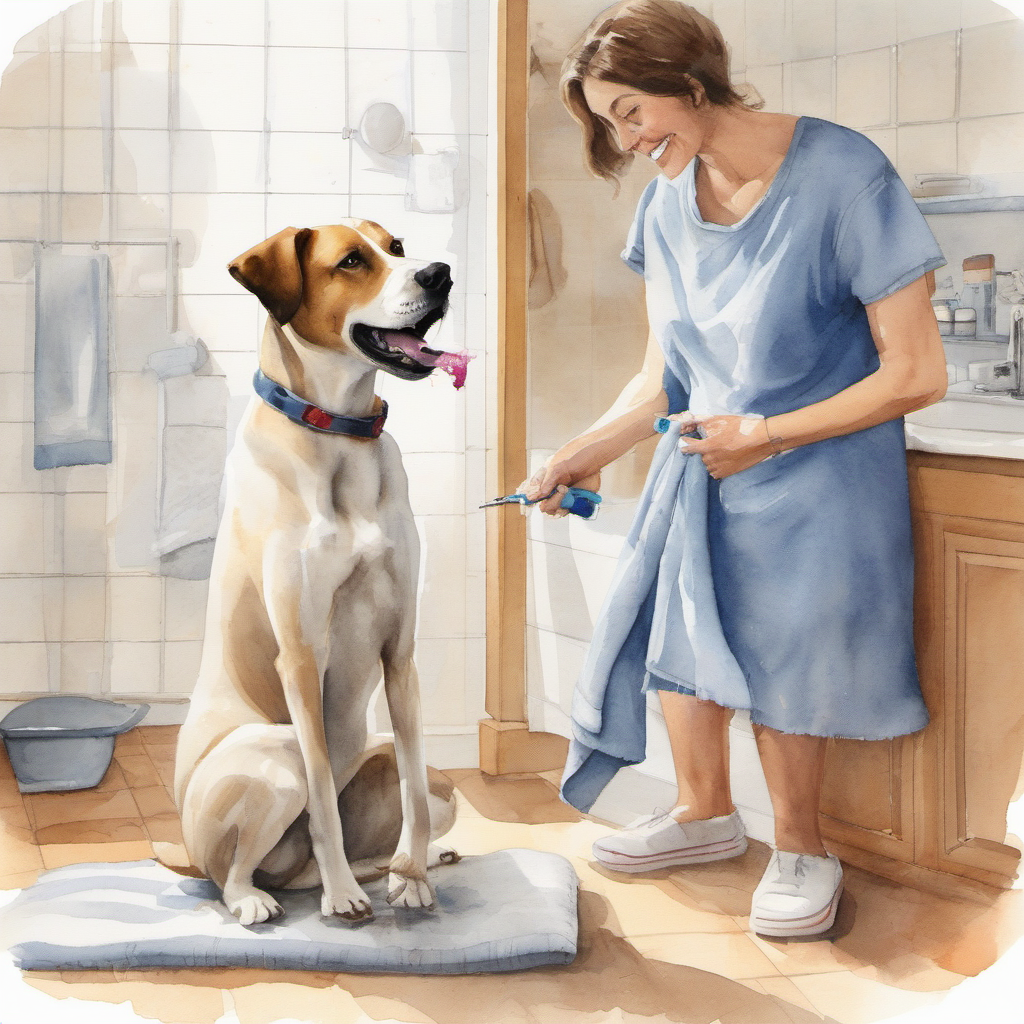
A practical ramp:
- Days 1-3: Let the dog lick toothpaste from your finger. Touch the lips, reward, stop.
- Days 4-7: Lift the lip for one second on each side. Reward. Do not brush yet if the dog resists.
- Week 2: Brush the canine teeth and front premolars for 10-15 seconds.
- Week 3: Add the upper molars. This is where plaque often hides.
- Maintenance: 30-60 seconds daily, or at least four days per week if daily is genuinely unsustainable.
The biggest mistake is turning brushing into restraint. If the dog backs away, you made the step too big. Go back one step, shorten the session, and reward heavily. For dogs that bite, panic, or have mouth pain, stop and ask your veterinarian. Training should not override pain.
Dog enzymatic toothpaste + soft toothbrush starter kit
Price · $8-$18
+ Pros
- · Best first purchase for plaque control
- · Dog-safe flavors improve training
- · Low cost per use
− Cons
- · Requires owner consistency
- · Does not remove existing calculus
Price, availability, and ratings can change; verify details on the retailer page before buying.
VOHC: the seal that matters more than marketing words
Pet dental shelves are crowded with phrases like “fresh breath,” “tartar control,” “natural,” and “vet recommended.” The filter that matters is the Veterinary Oral Health Council. VOHC does not test products in its own lab; it reviews submitted data against plaque and tartar control standards and grants a Seal of Acceptance to products that meet the criteria when used as directed.
That caveat matters: when used as directed. A dental chew that is swallowed in two bites is not doing the same mechanical work as one that requires steady chewing. A product sized for a 60-pound dog may be unsafe or ineffective for a 12-pound dog. A chew given once a week may not match the evidence behind daily use. Calories also count. For small dogs, a daily chew can quietly replace a meaningful share of the day’s calories unless you adjust meals.
Choose chews with four checks:
- The product appears on the current VOHC accepted list.
- The size matches your dog’s weight range.
- Your dog chews it for several minutes rather than swallowing large pieces.
- The chew is not harder than teeth. Avoid bones, antlers, hooves, and very hard nylon items if your veterinarian has warned about fracture risk.
VOHC-accepted dog dental chews
Price · $15-$35
+ Pros
- · Evidence-based filter compared with generic treats
- · Helpful on missed brushing days
- · Easy routine for many dogs
− Cons
- · Adds calories
- · Fast gulpers may need a different format
- · Not a substitute for cleanings
Price, availability, and ratings can change; verify details on the retailer page before buying.
Water additives, dental diets, and sprays
Water additives can help some dogs, but they are not equal. If a water additive changes taste enough that the dog drinks less, it is a net loss. Introduce slowly, keep a plain bowl available during the trial, and monitor water intake. This is especially important for dogs with kidney disease, urinary issues, diabetes, or any condition where hydration is medically important.
Dental diets use kibble shape, fiber matrix, or coatings to increase tooth contact and reduce plaque or tartar. They can be useful for dogs that reliably chew kibble, but they are not appropriate for every dog. A dog with food allergy, pancreatitis risk, obesity, or a prescription diet should not switch without veterinary advice. FDA pet food labeling rules also matter here: dental claims do not replace the need for a complete and balanced diet appropriate to life stage.
Sprays and gels vary widely. Some are useful as adjuncts, especially for dogs that tolerate mouth handling but not brushing. Others are mostly breath perfumes. Again, VOHC acceptance is the practical filter.
When a professional cleaning is non-negotiable
A veterinary dental cleaning is not just scraping visible tartar. AAHA and WSAVA guidance describes a complete procedure: pre-anesthetic assessment, oral examination, scaling above and below the gumline, polishing, probing, charting, dental radiographs when indicated, pain control, and extractions or treatment when needed. Anesthesia is what allows the veterinary team to examine every tooth safely and clean under the gumline without causing fear or injury.
Be cautious with anesthesia-free dental scaling marketed as a safer alternative. It may make the visible crown look cleaner, but it cannot fully examine or treat under the gumline. It can also create a false sense of security while periodontal pockets worsen. The safer conversation is not “anesthesia or no anesthesia”; it is “what pre-anesthetic screening, monitoring, pain control, and dental radiographs does this clinic use for my dog’s risk profile?”
Book an exam promptly if you see:
- bleeding gums or blood on toys,
- loose, fractured, or discolored teeth,
- swelling under the eye or along the muzzle,
- sudden bad breath,
- pawing at the mouth,
- reluctance to chew hard food,
- one-sided chewing,
- drooling that is new for your dog.
Small-breed dogs, brachycephalic dogs, senior dogs, and dogs with crowded teeth often need closer dental monitoring. Genetics and skull shape change the risk curve; good home care helps, but it does not make anatomy disappear.
A realistic weekly plan
For most healthy adult dogs with a veterinarian-cleared mouth, this plan is realistic:
| Day | Primary action | Backup if life gets busy |
|---|---|---|
| Monday | Brush cheek-side gumline | VOHC chew |
| Tuesday | Brush | Short lip-lift and toothpaste reward |
| Wednesday | Brush + inspect gums | VOHC chew |
| Thursday | Brush | Skip only if the dog is stressed |
| Friday | Brush | Dental diet meal if already approved |
| Saturday | Longer brushing session | VOHC chew |
| Sunday | Check breath, gums, chewing behavior | Note questions for the vet |
The inspection step is not optional. Once a week, lift the lips in good light and compare left versus right. Look for asymmetry, redness, swelling, broken teeth, and calculus concentrated near the gumline. You are not diagnosing; you are noticing change early.
Buying checklist: spend money in the right order
Start simple:
- Dog enzymatic toothpaste.
- A soft brush that fits the mouth.
- One VOHC-accepted chew sized correctly.
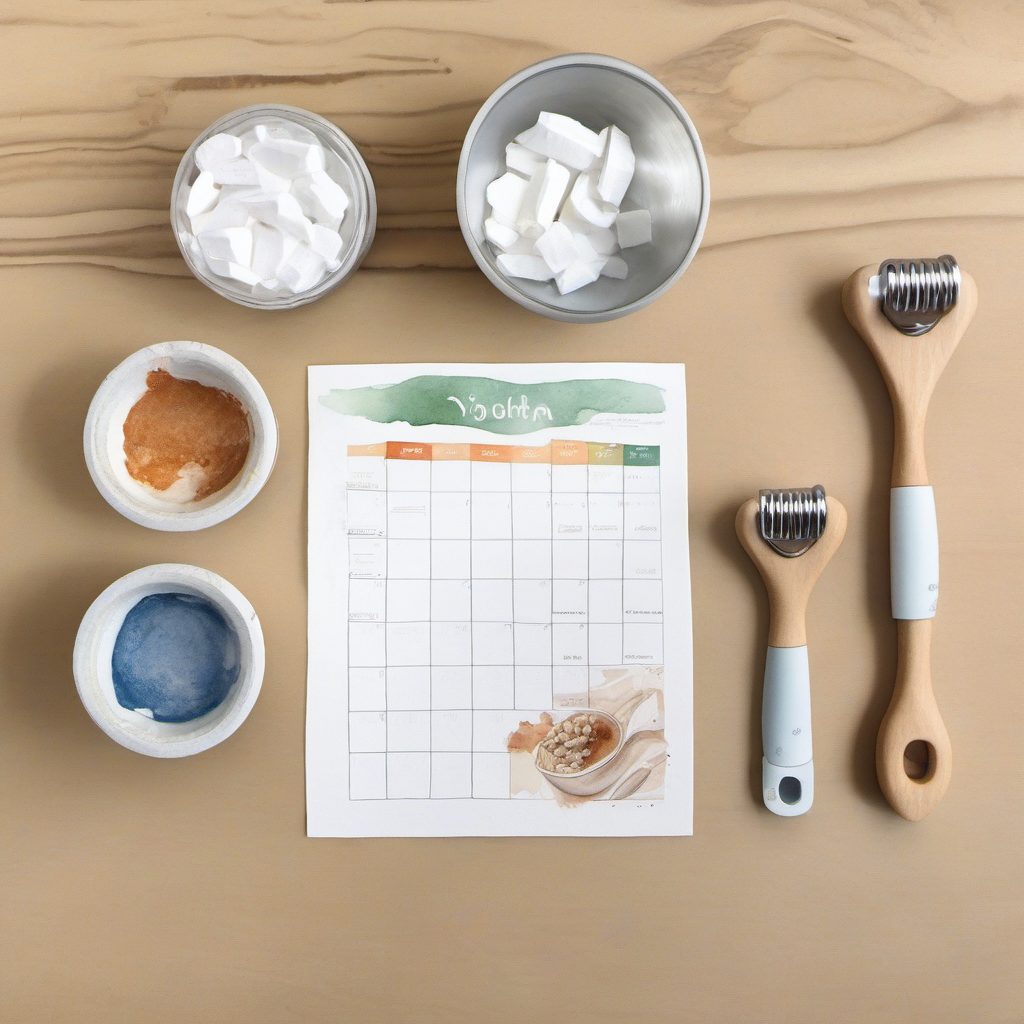
- A calendar reminder for brushing and weekly inspection.
- A veterinary dental exam if disease signs are already present.
Only after those basics are working should you consider water additives, dental diets, gels, or upgraded brushes. The best product is the one that contacts the gumline regularly and does not create a new problem—fractured teeth, excess calories, reduced water intake, or a dog that hides when the toothbrush appears.
Bottom line
Dog dental care is not about chasing minty breath. It is about controlling plaque before it becomes calculus, using VOHC evidence instead of marketing claims, and recognizing when the disease has moved below the gumline where only a veterinary dental procedure can help. Brush gently, choose adjuncts with data, avoid tooth-breaking hard chews, and do not let a cosmetic cleaning delay real treatment.
If you build the routine after a veterinary exam, keep sessions short, and use products that your dog actually chews, dental care becomes less like a guilt project and more like preventive maintenance: small, boring, and far cheaper than waiting for a painful mouth.