Pet Swallowed Human Medicine? A First-Hour Poison Hotline Checklist
A conservative first-hour checklist for a suspected pet ingestion of human medicine: call immediately, identify the product, avoid home remedies, and prepare safe transport.

A missing tablet, a chewed pill organizer, or powder around a pet’s mouth is enough reason to act. Call your veterinarian, an emergency veterinary hospital, or an animal poison service immediately; do not wait for symptoms. The ASPCA’s 24-hour Poison Control service tells owners who suspect a potentially poisonous ingestion to call, and notes that a consultation fee may apply. A hotline can support triage, but it does not replace hands-on veterinary care when transport is advised.
This checklist is not a dosing guide, diagnosis, or substitute for a veterinarian. Human medicines vary by active ingredient, strength, release mechanism, and added ingredients; pets vary by species, weight, age, disease, and current treatment. Do not give any medication, food, liquid, charcoal, salt, oil, peroxide, or other substance unless the veterinarian or poison specialist handling this exact case directs it.
The first five minutes: separate, scan, call
Move the pet away from tablets, liquid, patches, inhalers, wrappers, vomit, and other animals. Put loose material into a closed container without handling it more than necessary. Keep children and other pets out of the area. If medicine is on your hands, avoid touching your eyes or mouth and wash safely after the pet is contained.
Then make a rapid safety scan. If the pet is collapsed, unresponsive, having a seizure, struggling to breathe, bleeding heavily, extremely agitated, unable to stand, or showing blue, gray, brown, or very pale gums, call the emergency hospital while leaving. Do not put fingers or objects into the mouth of a seizing or distressed animal. The AVMA first-aid guidance emphasizes that first aid is not a substitute for veterinary care; contact a veterinarian or emergency hospital immediately.
Call even if the pet looks normal. The safe window for assessment may begin before visible illness, and some formulations release medicine over many hours. Tell the first responder, “My pet may have swallowed human medicine,” followed by the product, approximate time, pet’s species and weight, and current signs. If one service cannot answer promptly, call the next appropriate veterinary resource rather than searching for a household antidote.
Do not induce vomiting or improvise a dose
Do not make the pet vomit unless a veterinarian or animal poison specialist gives case-specific directions. Vomiting may be unsafe with altered consciousness, breathing trouble, seizures, corrosive products, aspiration risk, or certain formulations and objects. An online anecdote cannot assess those conditions. Never use salt, mustard, fingers, syrup of ipecac, or another improvised method.
Do not “counteract” one medicine with another. Do not divide a human tablet based on body weight. Do not use a prior pet prescription or another animal’s medicine. The FDA’s pain-reliever guidance for pets says to stop and call a veterinarian before giving human pain relievers; it also explains that cats are especially vulnerable to acetaminophen and that human NSAIDs can harm pets. This article intentionally provides no toxic-dose thresholds because a number detached from formulation and clinical context can encourage dangerous delay or false reassurance.

Build the hotline packet without delaying the call
Bring the container to the phone if it is within reach. If finding it would take time, call first and add details afterward. Read the label rather than describing a pill only by color. Combination cold, sleep, migraine, and pain products may contain several active ingredients.
Capture these facts:
- pet’s species, breed or type, age, current weight, and sex;
- product name and every active ingredient;
- strength per tablet, capsule, milliliter, patch, spray, or other unit;
- immediate-release, delayed-release, extended-release, enteric-coated, liquid, gel, patch, inhaler, or unknown formulation;
- maximum amount possibly missing and how that estimate was made;
- earliest and latest plausible ingestion time;
- symptoms, with the time each began;
- existing kidney, liver, heart, neurologic, bleeding, or gastrointestinal disease;
- all prescriptions, supplements, and recent treatments;
- anything already given or attempted.
Preserve the package, blister pack, pharmacy label, insert, chewed organizer, and remaining units. Put contaminated evidence in a sealed bag away from the pet. Take a photograph if fast and safe. Do not delay calling or transport to find perfect evidence. Pet Poison Helpline’s human-medication hazard list shows why the exact product and active ingredient matter: common household medicines can produce very different risks across species. Give ranges rather than false precision.
A quantity estimate for communication, not treatment
A quick inventory can help a professional understand the worst plausible exposure. It cannot determine safety at home.
Suppose a bottle originally contained 30 tablets. The owner knows 18 were used previously, 7 remain in the bottle, and 2 intact tablets are found on the floor. The unaccounted maximum is:
30 original − 18 previously used − 7 in bottle − 2 recovered intact = 3 tablets possibly swallowed.
If each tablet label says 200 mg, the maximum labeled active-ingredient amount potentially missing is:
3 tablets × 200 mg/tablet = 600 mg.
Report both the arithmetic and uncertainty: “Up to three 200 mg tablets may be missing; ingestion was not witnessed.” Do not convert that result into a home risk category or treatment decision. The original count may be wrong, a tablet may be hidden, a combination product may contain multiple drugs, or more than one pet may have had access. Extended-release design also changes timing. The Merck review of human analgesic toxicoses notes important species differences and formulation-dependent absorption; early detection and proper management, rather than household calculation alone, shape outcome.
Decision table: what happens next
| Situation | Action now | While acting | Never use as reassurance |
|---|---|---|---|
| Collapse, seizure, breathing difficulty, severe weakness, abnormal gum color, uncontrolled agitation, or unresponsiveness | Call emergency hospital and transport immediately | keep airway unobstructed, minimize handling, follow live instructions | “The amount was probably small” |
| Known or suspected human medicine ingestion, pet currently normal | Call veterinarian or animal poison service now | collect label and timeline without delaying | absence of symptoms |
| Unknown pill, mixed pills, chewed organizer, or several pets exposed | Treat amount and identity as uncertain; call now | separate animals and preserve all packaging | pill color or an image search |
| Poison professional recommends examination | Leave for the named clinic | carry case number, package, and medication list | a temporary improvement |
| Professional gives home observation instructions | follow the written case-specific plan exactly | confirm signs, duration, food/water directions, and recheck trigger | advice from a different pet or episode |
| Skin, eye, patch, inhaler, or injection exposure rather than swallowing | call for route-specific instructions | prevent grooming and further contact if safely possible | an ingestion-only checklist |
This table deliberately does not rank named medicines as “safe.” The AAHA pain-management guidelines stress individualized medication selection, dosing, and monitoring. A drug that a veterinarian sometimes uses in one species is not automatically safe in a different patient, amount, or formulation.
During the poison call
Write down the service, specialist’s name or identifier, case number, call time, and recommendation. Repeat back the product, amount estimate, pet weight, and next action. Ask which emergency hospital should receive the case and whether the poison service will consult directly with its veterinary team. If a fee is required, do not let surprise about the fee consume the treatment window; ask the service and clinic about payment procedures while continuing urgent triage.
Pet Poison Helpline’s emergency page describes telephone consultation for pet poisonings and coordination with veterinary professionals. Availability, fees, jurisdictions, and procedures can change. If you are outside the United States or cannot reach a listed service, contact a local emergency veterinarian or the animal poison resource recommended by your veterinary authority.
Do not post the case publicly while waiting. Replies may confuse milligrams with tablets, omit combination ingredients, or assume the wrong species. Keep the phone available for the veterinarian. If the pet worsens during the call, say so immediately and shift to transport instructions.
Prepare transport without creating another emergency
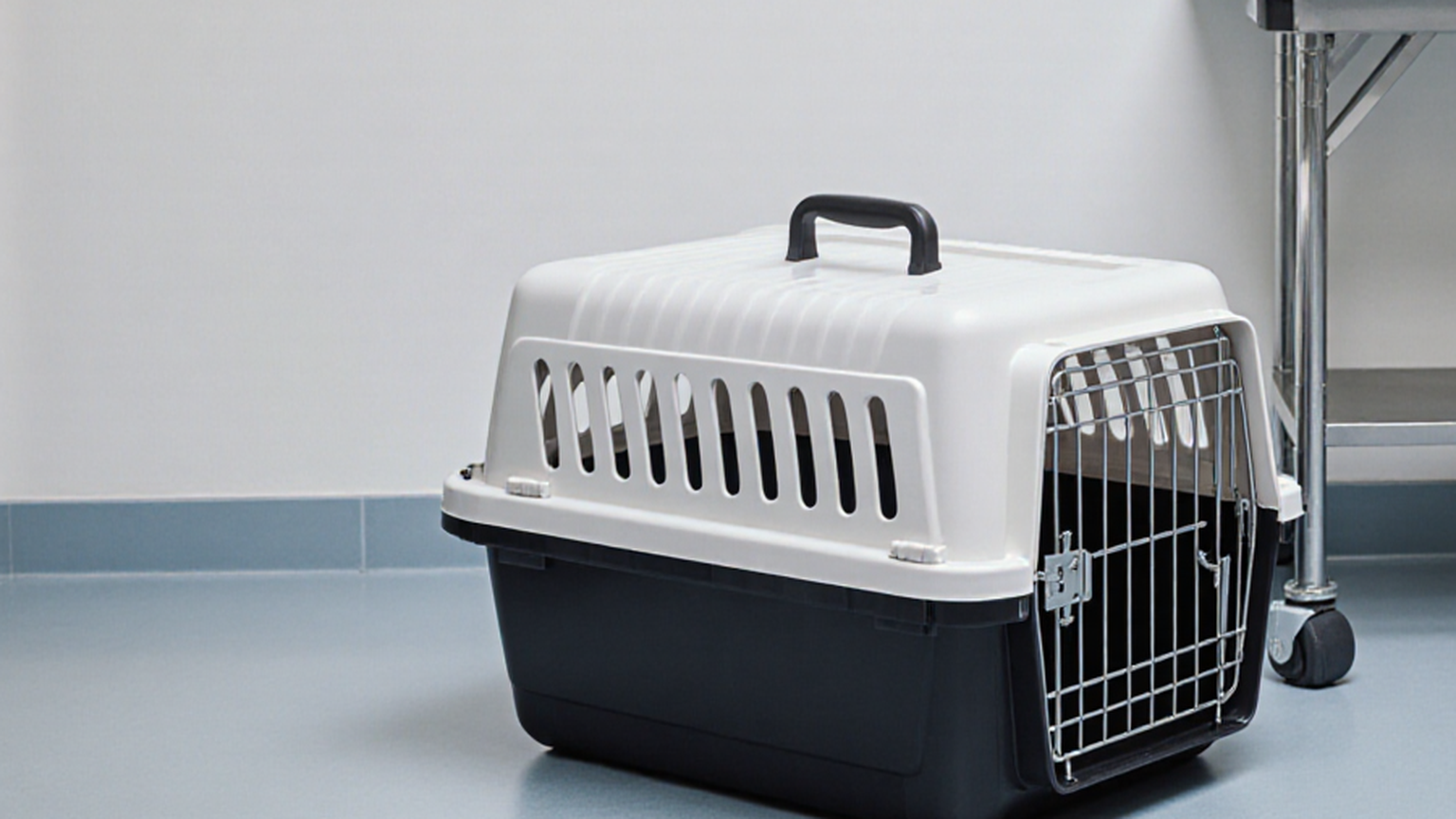
Call the receiving hospital before arrival when possible. Give the poison case number and estimated arrival time. Use a secure carrier for a cat or small pet; use a leash, harness, blanket stretcher, or other method the veterinary team recommends for a larger pet. A second adult can call and observe while the driver focuses on the road. Never allow a distressed animal to roam loose in a vehicle.
Bring the sealed package and records, but keep them away from the pet. Do not bring loose contaminated material that exposes people unless the hospital asks for it and explains safe packaging. Do not feed a meal “for strength”; sedation, anesthesia, aspiration risk, and the specific toxicant may affect instructions. Do not force water. Follow only live professional directions.
For broader readiness, keep emergency contacts and carrier logistics in a pet evacuation go-bag plan. If another caregiver may need to take over, a pet emergency foster-care handoff can reduce missing medication and veterinary information. Those plans support transport; they do not justify delaying departure now.

Signs to report while traveling or observing
Use ordinary descriptions and time stamps rather than guessing at a diagnosis. Report vomiting, diarrhea, drooling, repeated swallowing, loss of appetite, abdominal pain, black or bloody stool, unusual thirst or urination, tremors, twitching, pacing, profound sleepiness, weakness, wobbling, collapse, breathing change, heart-rate concern, facial or paw swelling, or a gum-color change. Video may help only when it can be recorded without delaying care or distracting the driver.
VCA’s canine emergency overview advises contacting a veterinary hospital promptly and transporting safely for serious signs such as breathing difficulty, seizures, collapse, poisoning, and major changes in consciousness. Cats, birds, rabbits, ferrets, and other species can show different signs, so use a species-appropriate emergency service.
A pet who vomits a tablet is not automatically clear. The drug may already be absorbed, only part may appear, or other units may remain. A pet who seems brighter is not automatically recovered. Continue to the clinic or observe for the full period exactly as the professional instructed.
Prevention after the case is stable
Only after the emergency team says the immediate episode is addressed should the household review storage. Counted weekly organizers, handbags, coat pockets, bedside tables, parcels, dropped tablets, topical patches, inhalers, and guest luggage are common access points. Store all medicines behind a closed barrier the pet cannot open. Separate human and animal prescriptions, keep labels readable, and never leave a prepared dose unattended.
If medicine falls, confine the pet first, then search under furniture and in fabric folds. Account for every unit. Ask visitors to secure their bags. Dispose of unused medicine through an authorized local method; do not create a new exposure by leaving discarded patches or pills where animals can reach them.
If poisoning was accompanied by overheating, smoke, evacuation, or another hazard, follow the receiving clinic’s priorities rather than combining home protocols. The pet heatstroke emergency guide explains why transport and veterinary direction remain central during temperature illness. For an unrelated acute eye injury, use the separate dog red-eye emergency triage guide rather than applying medicine-ingestion steps to the eye.

First-hour checklist
- Separate the pet from the medicine and other animals.
- Scan for collapse, seizure, breathing trouble, severe weakness, abnormal gums, or altered consciousness.
- Call a veterinarian, emergency hospital, or animal poison service immediately.
- Do not induce vomiting, dose a medicine, force food or water, or try a household antidote.
- Read the exact active ingredient, strength, and formulation from the label.
- Estimate the maximum missing quantity and state the uncertainty.
- Record earliest and latest possible exposure time, weight, diseases, medicines, and symptoms.
- Preserve packaging and remaining units, but never delay the call or departure to collect them.
- Write down the case number and repeat back the professional’s instructions.
- Call ahead, secure the pet, separate evidence, and transport when advised.
- Report any change immediately and complete the full monitoring or recheck period.
Limits and escalation
This workflow cannot identify an unknown pill, calculate a safe dose, predict an individual outcome, or rule out ingestion. It also does not cover malicious poisoning, human exposure, medication injected into a person, or an immediate threat to household safety; contact emergency services and poison resources appropriate to the affected person or jurisdiction in those situations.
The safest boundary is simple: suspected human-medicine exposure earns an immediate professional call; severe signs or a transport recommendation earn immediate departure. Preserve useful evidence, but do not trade time for tidiness. Do not induce vomiting or administer anything unless the professional managing this exact exposure directs it.