Dog GDV and Bloat Emergency Plan: Warning Signs, Transport, and Gastropexy Questions
A veterinary-source guide to recognizing suspected GDV, leaving for emergency care quickly, planning safe transport, and discussing preventive gastropexy.
Gastric dilatation-volvulus, commonly shortened to GDV, is not a condition to monitor through the night. The stomach can fill and rotate, impairing blood flow and causing shock. The American College of Veterinary Surgeons and the Merck Veterinary Manual describe GDV as an acute emergency requiring rapid professional assessment and treatment.
This guide helps a household prepare, recognize a concerning pattern, call ahead, and leave safely. It does not diagnose GDV, estimate an individual dog’s survival, or teach stomach decompression. If your dog is repeatedly trying to vomit without producing material, has a suddenly enlarged or tight abdomen, is pacing or unable to settle, drooling heavily, breathing abnormally, becoming weak, showing pale gums, or collapsing, contact the nearest open emergency veterinary hospital and start transport now.
The useful decision is “leave now,” not “prove GDV at home”
Owners often want one decisive sign. GDV does not provide a reliable home test. Abdominal shape varies by breed and body condition; early distention can be subtle; vomiting may be absent; and other dangerous illnesses can look similar. A dog can also worsen while a household compares photos or searches forums.
Use a pattern threshold instead. Repeated unproductive retching plus visible distress is enough to call. Add abdominal enlargement, weakness, pale gums, or collapse and the urgency is even clearer. Do not press deeply on the abdomen, force the dog to walk, offer a large drink, or wait for a normal bowel movement. Professional teams use examination, imaging, circulation assessment, and other clinical information that cannot be recreated safely at home.
Research has identified population-level associations, including body size, chest conformation, age, family history, temperament, and feeding-related variables, but association is not a home prediction model. Classic prospective work on non-dietary risk factors and breed-related incidence helps explain why veterinarians discuss risk with some families. It does not mean a listed breed will develop GDV or that an unlisted dog is safe.
Build a three-minute call script
Store the emergency hospital’s name, phone number, address, and after-hours entrance in two places: a phone contact and a paper card near the leash. When calling, state the information that changes preparation:
- dog’s approximate age, breed or body type, and weight;
- the exact signs and when they began;
- whether retching is producing anything;
- whether the abdomen appears larger than usual;
- gum color, weakness, collapse, or breathing difficulty;
- recent food, medications, surgery, or known disease;
- your estimated arrival time.
Ask where to enter and whether staff want you to remain on the line. Do not spend ten minutes producing a perfect history. The point is to alert the hospital and confirm the route while another adult, if available, prepares transport.
Measure logistics without pretending to measure prognosis
A practical drill can reduce avoidable delay:
Door-to-clinic time = recognition-to-call + call-to-departure + travel time.
| Stage | Unpracticed example | Prepared example |
|---|---|---|
| Find an open hospital and call | 8 minutes | 2 minutes |
| Locate leash, towel, keys, and helper | 7 minutes | 3 minutes |
| Drive the planned route | 24 minutes | 24 minutes |
| Total | 39 minutes | 29 minutes |
These are hypothetical logistics, not medical cutoffs. Ten minutes saved does not guarantee an outcome, and a longer drive does not mean care is futile. The calculation shows where preparation can remove household friction: stored numbers, a known entrance, accessible supplies, and a backup driver.
If the usual hospital is closed, know a second destination. Check the route under ordinary conditions, but re-check live traffic when the event occurs. Do not drive dangerously. If the dog collapses or breathing changes during travel, the passenger should call the hospital for instructions rather than improvising treatment.
Transport with the least extra stress
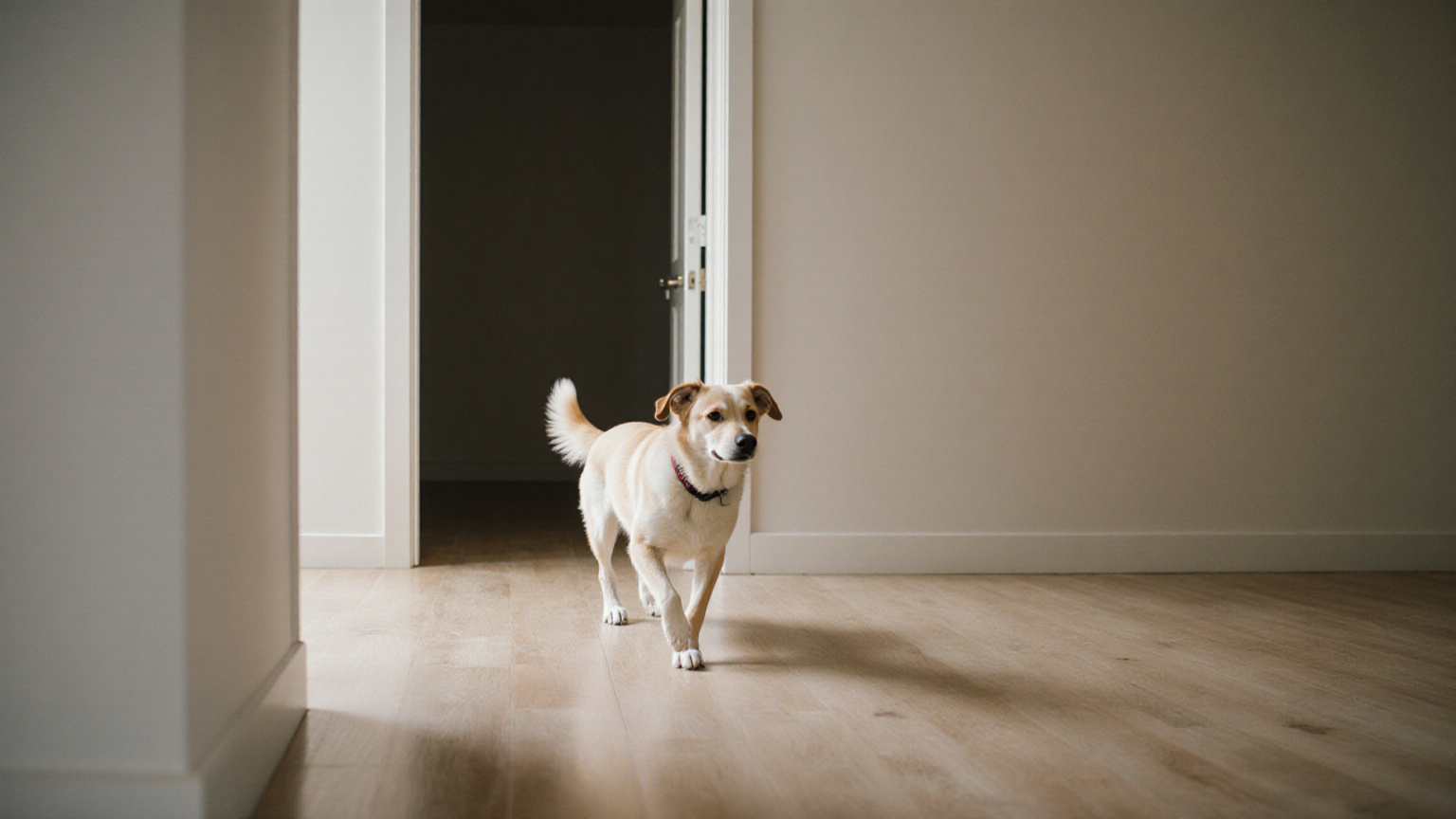
Use a leash or harness if the dog can walk without force. For a weak large dog, a blanket can help several adults move the dog while keeping the body level, but lifting methods depend on the animal and scene. Avoid pressure on a swollen abdomen. Do not muzzle a dog that is vomiting, retching, or having breathing difficulty unless a veterinary professional specifically instructs you; distressed dogs can bite, so keep faces away and children out of the loading area.
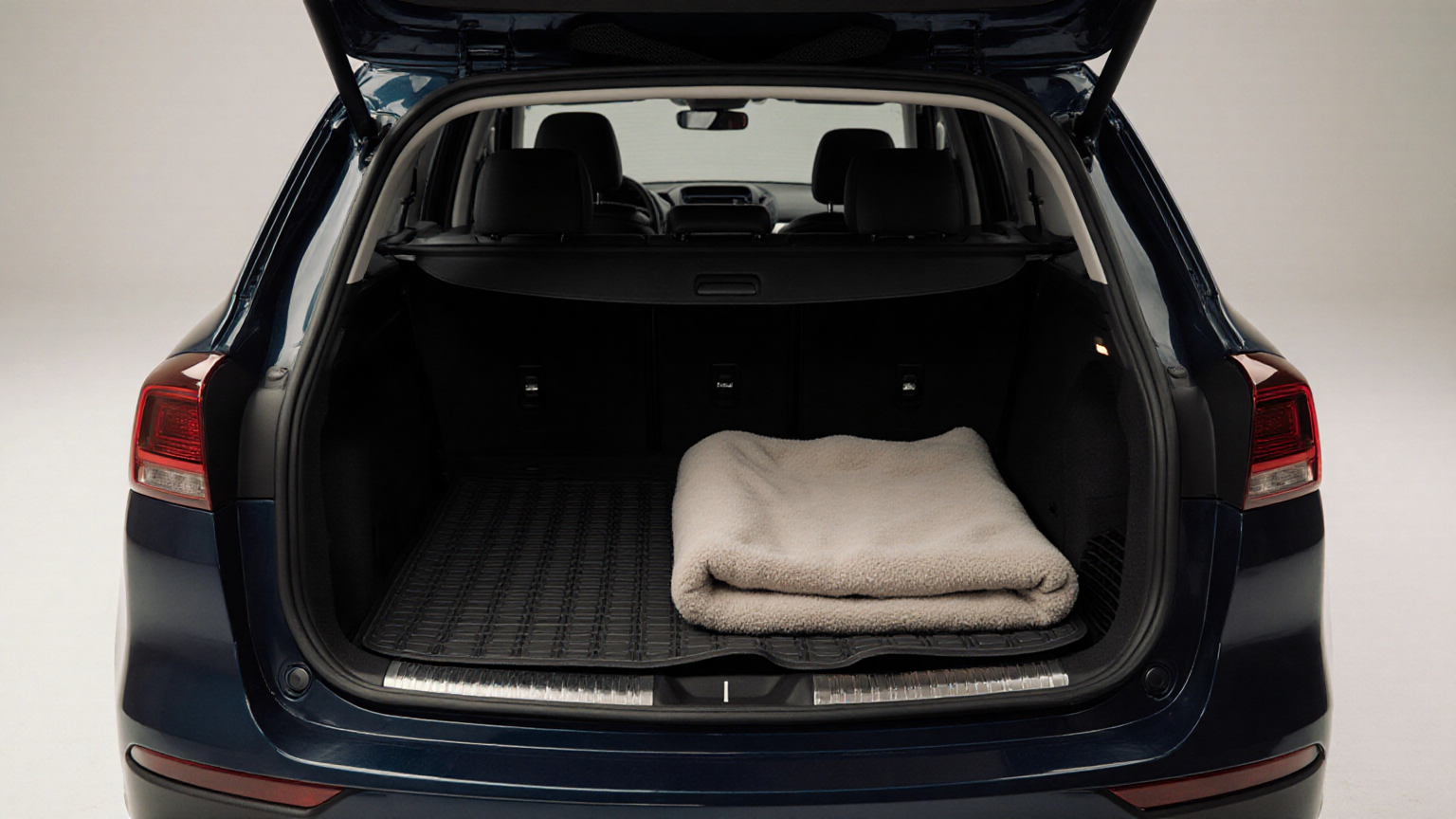
The vehicle should be ready for direct unloading. Clear loose objects, fold seats as planned, and use a nonslip surface. A passenger can observe breathing and responsiveness without repeatedly manipulating the abdomen. Bring current medication names and major history if immediately available, but do not delay to find every record.
The site’s pet evacuation go-bag guide is useful for records and transport basics, but a GDV call is not an evacuation packing exercise. Take the essentials and leave. The emergency foster-care handoff plan can help another adult manage other animals or children while the affected dog travels.
What the hospital may evaluate
Veterinary teams assess circulation, pain, abdominal changes, heart rhythm, and evidence of stomach position and tissue injury. Stabilization and surgery decisions are individualized. The Merck review explains that decompression and surgical correction are professional procedures; they are not tasks for owners with tubes, needles, or online instructions.
Published studies of long-term outcomes and risk factors and gastrointestinal lesions found with GDV show why a single external sign cannot reveal internal damage. Ask the clinician to explain the working diagnosis, immediate stabilization, imaging or monitoring, surgical recommendation, anticipated complications, and what information remains uncertain.
Do not interpret an estimated cost as a severity score. Ask for the emergency deposit, current estimate range, what is included, which changes require authorization, and how updates will be communicated. Financial discussion should not delay immediate triage. If payment is a concern, ask the hospital directly about available policies rather than relying on a social-media fundraiser or unverified lender at the doorway.
A calm gastropexy conversation before an emergency
A prophylactic gastropexy attaches the stomach to the abdominal wall to reduce the risk of twisting. It may be discussed for dogs considered at elevated risk, sometimes alongside another planned procedure. A review of prophylactic gastropexy provides clinical context, while newer work continues to refine population-level risk evidence, including an evaluation of GDV risk factors and current perspectives.
Questions for the veterinarian:
- What features of this individual dog raise or lower concern?
- What does gastropexy reduce, and what can still occur afterward?
- Is an open or minimally invasive approach available and appropriate?
- Would combining it with another procedure change anesthesia time or recovery?
- What pain control, activity restriction, incision monitoring, and follow-up are typical?
- What are the procedure’s complications and the consequences of not doing it?
- Which future signs still require emergency evaluation after gastropexy?
The decision is not “surgery guarantees safety” versus “no surgery means GDV.” It is a clinician-guided tradeoff among individual risk, procedure risk, timing, recovery, access, and household circumstances.
Feeding and exercise claims need restraint
Families may receive rigid rules about bowl height, exact meal count, water timing, or exercise windows. Some variables have been studied, but observational findings can be confounded and do not create a universal prevention formula. Follow the dog’s veterinarian on meal size, feeding method, activity, weight, medications, and other disease needs. Do not withhold necessary water or radically change a prescribed diet to copy a generic checklist.
Record what your dog normally eats, how quickly, and any prior episodes of distention or retching. Bring patterns to a scheduled visit. The dog food evidence guide can help evaluate nutrition claims, but it is not a GDV-prevention prescription.
Prepare for discharge questions without assuming recovery
If surgery is performed, ask for a written explanation of medications, feeding, activity restriction, incision observation, follow-up timing, and the exact signs that require an immediate return. Confirm whether the dog should use stairs, ride in a vehicle, wear an e-collar, or be separated from other pets. Arrange a quiet floor-level recovery area before pickup, not while the dog waits in the car.
Keep a simple log of appetite, water intake, prescribed medication times, comfort, urination, bowel movements, and clinician-requested observations. Do not add over-the-counter pain medicine, stomach products, supplements, or leftover prescriptions unless the treating veterinarian approves them. If the dog worsens, call the hospital rather than changing doses from memory. Recovery instructions are individual; a photo or schedule from another dog’s case is not a safe substitute.
Practice without frightening the dog
A quarterly two-minute drill is enough:
- confirm both emergency hospitals are still open;
- verify phone numbers, entrances, and route;
- check that leash, harness, blanket, and keys are accessible;
- decide who drives, who calls, and who manages other dependents;
- update medication and allergy notes;
- rehearse one sentence: “Repeated unproductive retching and abdominal enlargement started at 8:10 p.m.; we are 18 minutes away.”
Do not repeatedly stage distressed handling or force a dog into the car. Pair routine vehicle familiarity with calm rewards on ordinary days. Emergency readiness should make transport more familiar, not create fear.
What not to do
Do not delay for antacids, gas products, food, water, walking, abdominal massage, internet voting, or a home decompression attempt. Do not assume gastropexy makes future retching or distention harmless. Do not reuse the cooling steps from the heatstroke first-aid article for suspected GDV; both conditions require rapid veterinary contact, but their immediate management is not interchangeable.
The most valuable household plan is deliberately simple: recognize a concerning pattern, call the open emergency hospital, leave safely, and let the veterinary team diagnose and treat. Prevention discussions belong in a calm appointment; suspected GDV belongs on the road to emergency care.